This day trip hits craft at full speed. You’ll move through Inami’s wood-carver town and the washi paper-making experience, then finish at UNESCO Shirakawa-go with real time to wander. It’s interesting because you’re not just sightseeing buildings, you’re watching and making the skills behind the region.
I also like the built-in story-telling focus. The guide stops you at the “why it matters” moments: temple carvings in Inami, the paper economy in Gokayama, and what you’re really looking at in Shirakawa-go’s gassho farmhouses. My main caution is that this is a packed day on the bus, and lunch isn’t included, so plan ahead for your energy and your preferences.
In This Review
- Quick take: what makes it special
- A Day Built Around Craft, Not Just Postcards
- Kanazawa to Inami: Getting to the Wood-Carver Town First
- Zuisenji Temple: Giant Walls, Rebuilt After a Fire
- Gokayama and Aino-kura: Washed Hands, Old-School Paper
- Shirakawa-go UNESCO: Guided Walk Through History, Then Room to Breathe
- Shima Matcha Experience: A Heritage Stop Worth Waiting For
- Timing, Transport Comfort, and What to Bring
- Price and Value: Is $180 a Good Deal?
- Who This Tour Suits Best (and Who Should Skip)
- Final Call: Should You Book This Tour?
- FAQ
- What time does the tour start from Kanazawa Station?
- Where do I meet my guide in Kanazawa?
- How long are the bus rides between stops?
- Do I get free time in Shirakawa-go?
- Is lunch included?
- Is the paper-making experience included every day?
- What stops are included besides Shirakawa-go?
- Where will I be dropped off at the end?
- Is the tour language English?
Quick take: what makes it special
- Inami’s wood-carver street: Shops show carving examples and even hidden cats as a fun self-guided game.
- Zuisenji Temple carvings: Giant walls and animal motifs, rebuilt after a 1735 fire.
- Gokayama washi, hands-on: You make paper with traditional methods, usually getting your hands wet.
- Two UNESCO areas in one day: Gokayama Aino-kura and Shirakawa-go gassho farmhouses.
- Guided + free time: A guided town walk, then 2 hours of your own time in Shirakawa-go.
- Small moments like Shima matcha: A heritage site stop with classic architecture and a matcha experience (when included on your departure).
A Day Built Around Craft, Not Just Postcards
If you like Japan when it feels practical and human, this works. The day links three rural places with one theme: how people made a living using wood, paper, and local building traditions. That’s why the stops connect so well. You see carved detail at a temple, you learn the labor behind handmade paper, then you walk a UNESCO village where the whole architecture is a response to weather and life in the mountains.
The “value” part is that the money buys more than entry fees. You’re also getting inter-town transport, an English-speaking guide, a guided experience at key cultural spots, and a paid workshop. Yes, it’s one day with a bus schedule, but the pacing is designed so you get guided context without losing the chance to look around.
Other Shirakawa-go and gassho-zukuri village tours in Kanazawa


Kanazawa to Inami: Getting to the Wood-Carver Town First
The tour starts at Kanazawa Station at 9:00 A.M. (or 8:30 A.M. from June 1). The guide meets you near the Shinkansen ticket gates at the Information Center area. Then you board a bus at the terminal on the Kanazawa Port side. From there, you ride about an hour through the mountains and plains of the Hokuriku region.
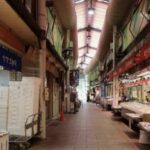
What I like about starting with Inami is that you land in the mood fast. This isn’t a “quick photo stop.” You get a real block of time, and the town itself is part of the experience. Inami is known for traditional wood carving, and the area has over 100 professional traditional woodcarvers. Even if you’re not a “wood art” person, you’ll notice the difference once you start paying attention to craftsmanship.
Here are two things to do right away when you arrive:
- Look above and on shop fronts. Many places display carved pieces, sometimes tied to historic items.
- Play the cat game. The town association says there are 32 cats, and other shops have made their own versions hidden around the street. It turns wandering into a mission.
Inami also has the calm, village-size feel that big cities can’t offer. It’s more about atmosphere and detail than big sights with long queues.
Zuisenji Temple: Giant Walls, Rebuilt After a Fire
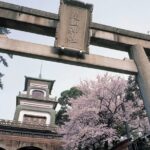
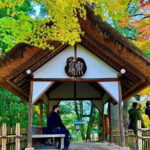
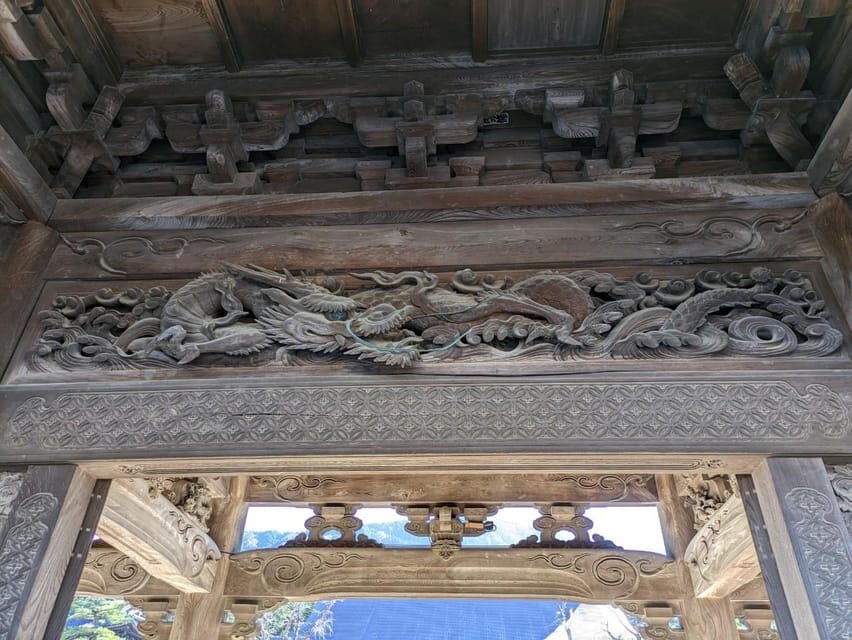
Inami’s centerpiece stop is Zuisenji Temple, known for its carvings. As you approach, the giant walls can make it feel like you’re about to enter a castle. That mood is earned: the temple was originally built in the 1300s, burned down in 1735, and was rebuilt with contributions from a famous wood carver from Kyoto.
What you’ll want your eyes to catch are the carvings that spread beyond a single gate. The design work includes patterns on doors and structures and also animal imagery across the grounds. You may see motifs such as dragons, lions, and elephants, which gives the carvings a storytelling feel rather than just “decorative texture.”
This is one of those stops where a guide matters. Without context, it’s easy to admire the details and move on. With guidance, you start to understand why these motifs show up and what kind of skill it took to carve them.
Gokayama and Aino-kura: Washed Hands, Old-School Paper
Next you ride about 35 minutes to Gokayama, one of the two areas of the UNESCO World Heritage Site. The first village stop is Aino-kura (Ai-no-kura), described as one of the best-preserved villages in the region.
What makes Aino-kura especially meaningful is its “why here” economy. The village was secluded enough to feel removed from city life, but it still drove prosperity for the wider area. Agriculture and sake production were important, and you’ll also hear that the community supported manufacturing like gunpowder and paper. That matters because it sets up the workshop later: handmade paper wasn’t a hobby. It was a job.
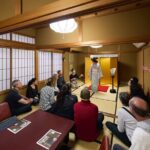
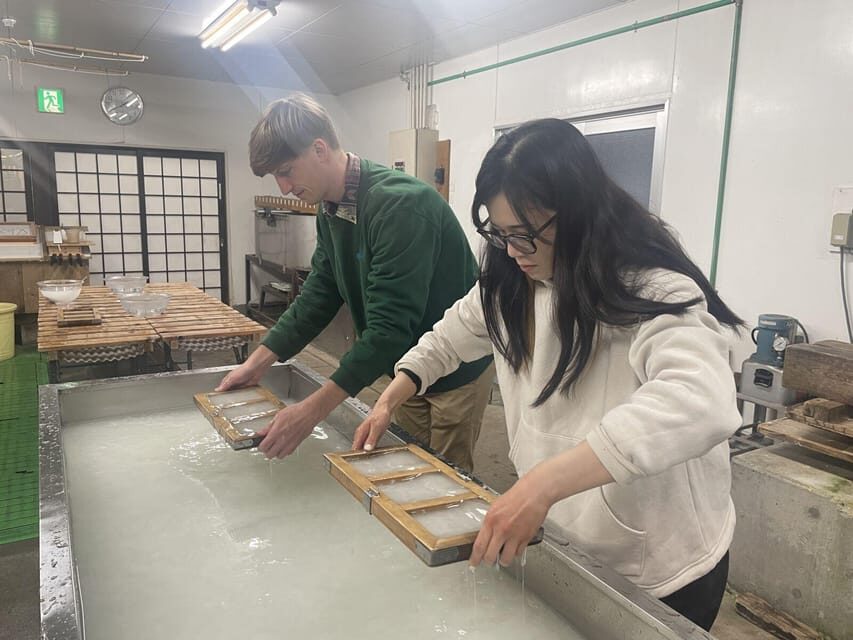
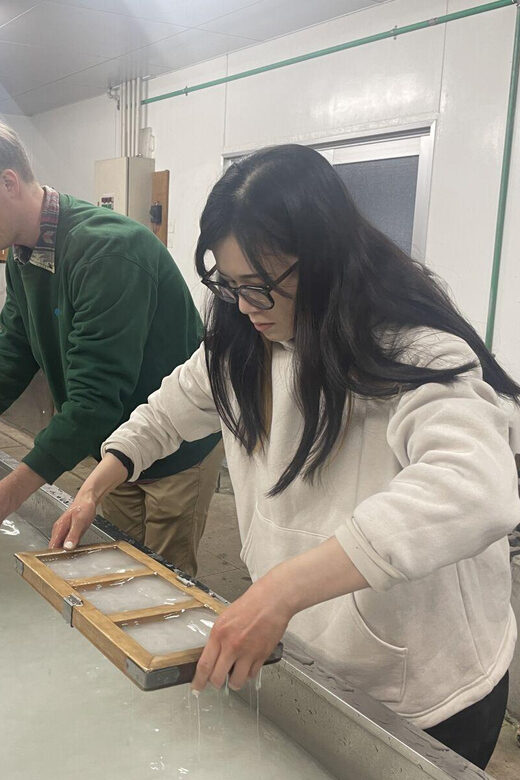
Then comes the hands-on part. You’ll try traditional Japanese paper-making, usually with a process where you get your hands wet using traditional methods. Even if you’ve never done craft work before, it’s straightforward in concept: you’re taking raw material through a handmade step-by-step process and leaving with something tangible.
Two practical notes:
- This workshop is scheduled for most days, but there’s an important seasonal exception: from December 27 to January 3, there is no papermaking experience on those dates.
- Lunch time may be in Aino-kura, or it may shift to Inami depending on conditions. If you have dietary needs or strong preferences, bring your own lunch or at least snack backup.
I also like that Aino-kura gives you space to slow down after the bus. The village feel is part of the “reward” for getting up early.
Shirakawa-go UNESCO: Guided Walk Through History, Then Room to Breathe
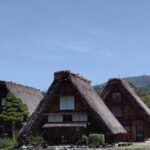
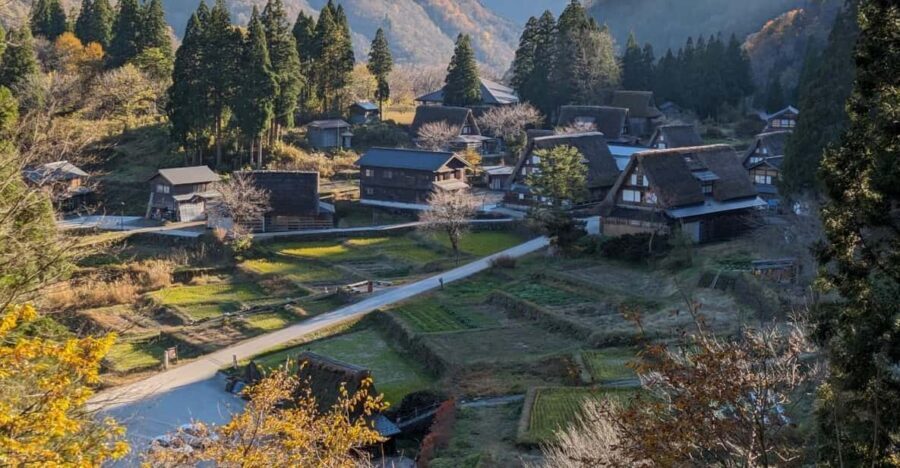
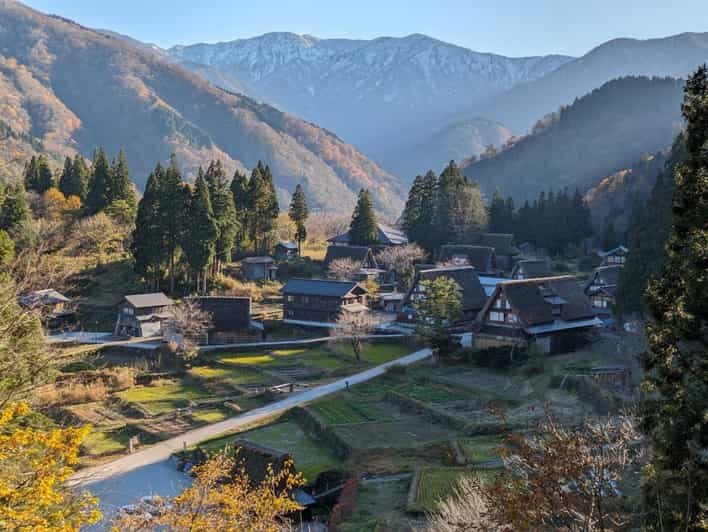
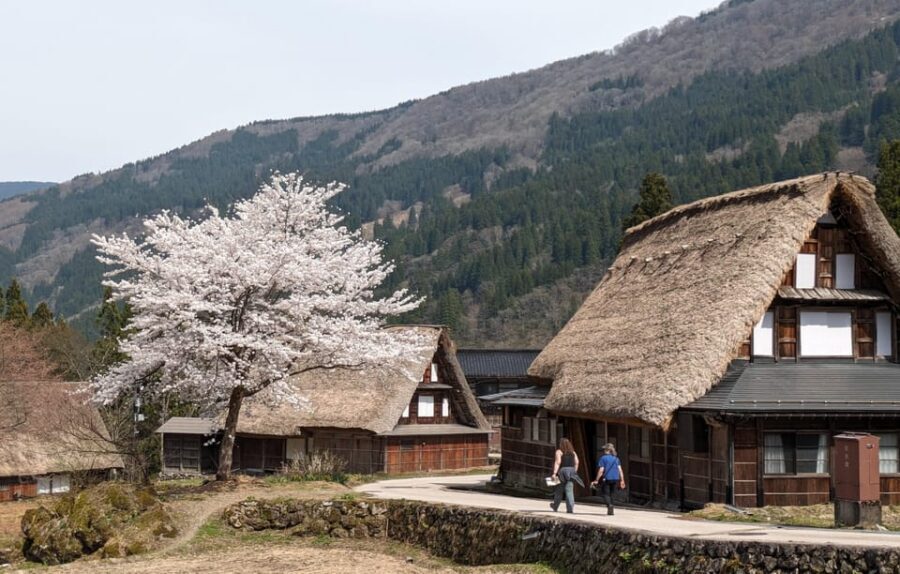
After Aino-kura, you ride about 40 minutes to Shirakawa-go, the UNESCO World Heritage village most people picture when they hear the name. You’ll start from the main street for a guided tour and then enter a thatched-roof house during the visit.
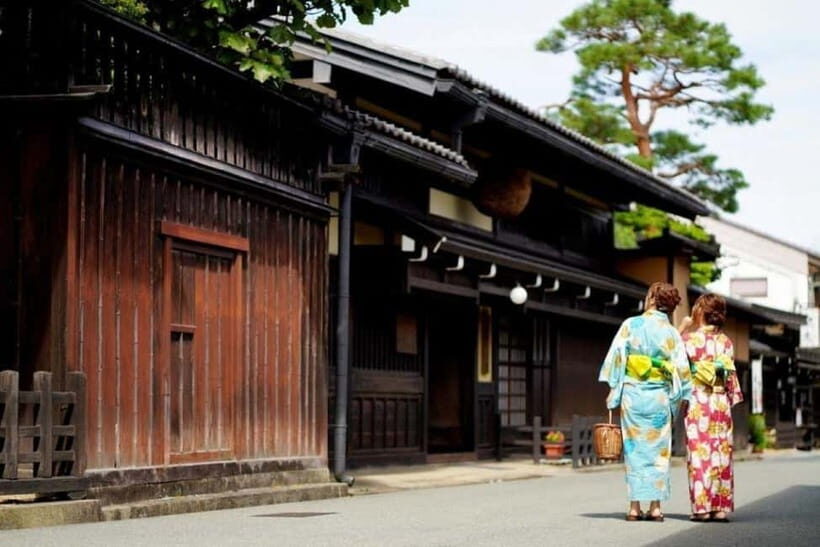
This is where you’ll see the famous gassho farmhouses and the postcard geometry—thick rooflines shaped by mountain weather, narrow village lanes, and a layout that makes sense for local life. But the guided part helps you look beyond the obvious. You’re not just taking photos of rooftops. You’re learning how the village functions as a preserved living community.
Then you get something that’s rare on day trips: about 2 hours of free time. Use it for what matters to you:
- Walk at your own pace on the main streets.
- Stop for snacks or souvenirs without rushing back to the group.
- If crowds are present on your day, plan a slower route rather than staying only on the busiest corners.
You return to the bus afterward, then ride about 80 minutes back to Kanazawa. You should arrive roughly between 6:00 and 6:30 P.M., depending on traffic.
Other Gokayama UNESCO village tours


Shima Matcha Experience: A Heritage Stop Worth Waiting For
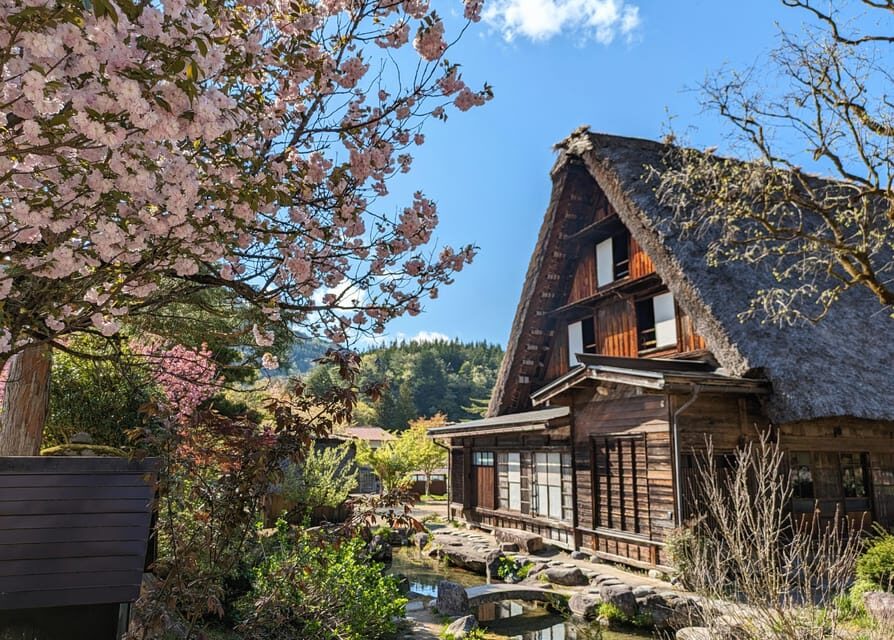
One highlight listed for this experience is a matcha experience at Shima, a heritage site with classic architecture. While the detailed timing isn’t spelled out in the info you provided, treat it as your calm, cultural palate-cleanser.
Matcha here fits the theme of the day: wood, paper, and the slow craft of Japanese food culture. After lots of walking and workshop energy, this kind of pause helps the day feel complete rather than “move, move, move.”
Timing, Transport Comfort, and What to Bring
This is a long day by design, and the bus is part of it. You’ll spend time traveling between Kanazawa, Inami, Gokayama, and Shirakawa-go, so your comfort on the vehicle matters. The transport quality is rated very highly overall, with many people praising how comfortable the ride feels and how nice it is to get back to warmth between cold outdoor browsing.
Still, you’ll be outdoors in mountain weather. I strongly suggest packing:
- Layers for cold or rainy days
- A small umbrella or rain shell if conditions look iffy
- Comfortable shoes for village walking
- A snack backup since lunch isn’t included
- Your best camera settings ready for changing light
Also keep this in mind: Shirakawa-go can get busy, and the day is structured so you can’t drift off forever. If you’re the kind of person who dislikes group pacing, you’ll still get time to explore, but you should plan to focus during the guided sections and use the free time for your own wandering.
Price and Value: Is $180 a Good Deal?
At about $180 per person, this isn’t a budget bus tour. But you should compare it to what’s actually included. Your day covers:
- Round-trip transport from Kanazawa to multiple mountain villages and UNESCO Shirakawa-go
- An English-speaking guide
- Entry fee to Zuisenji Temple
- Guided touring at key cultural spots, including the wood-craft area and Shirakawa-go UNESCO visit
- The Japanese paper-making workshop fee (with the seasonal exception noted)
You’re paying for time, expertise, and the workshop. Handmade paper isn’t free, and guided context in temple and UNESCO settings is what makes the details stick. If you’re already thinking about doing Shirakawa-go from Kanazawa, this format can feel like better value because it adds Gokayama Aino-kura and the Inami craft stop rather than only doing the one famous village.
My value judgment: if you want a day that mixes UNESCO sights with hands-on culture, the cost makes sense. If you only care about snapping photos in Shirakawa-go, you could probably spend less. For craft lovers, this day is very efficient.
Who This Tour Suits Best (and Who Should Skip)
This tour fits best if you:
- Love traditional Japanese crafts and want more than “look and leave”
- Enjoy hands-on activities, especially making something you take home
- Like rural Japan and want the quieter side of the Hokuriku region
- Want a guide who can connect carvings, villages, and local economies into a single story
You might skip it if you:
- Hate long bus days or tight timing
- Want strictly flexible “wander whenever” travel with zero group structure
- Are traveling with very specific lunch needs and don’t want to pack anything
One small caution to keep in mind: group sizes can vary depending on your departure, and a couple of people noted feeling claustrophobic on the bus when the vehicle felt packed. If you’re sensitive to that, consider confirming what type of coach or group size you’ll be on.
Final Call: Should You Book This Tour?
Yes, if your goal is a one-day hit of wood carving + washi paper-making + UNESCO Shirakawa-go with guidance that makes the details easier to understand. I’d book it when you’re staying in Kanazawa and want to use the day efficiently without doing multiple train transfers on your own.
I’d only hesitate if lunch certainty is a deal-breaker for you, you dislike structured schedules, or you’re traveling during the December 27 to January 3 window when the paper-making workshop won’t run.
If you do book, come prepared for village walking, pack a snack plan, and give yourself permission to slow down for the workshop and the temple carvings.
FAQ
What time does the tour start from Kanazawa Station?
The tour starts at 9:00 A.M. in general, with a change to 8:30 A.M. starting June 1.
Where do I meet my guide in Kanazawa?
You’ll meet your guide at Kanazawa Station near the Information Center area by the Shinkansen ticket gates. The exact meeting point may vary by the option booked.
How long are the bus rides between stops?
From Kanazawa to Inami is about 1 hour. Inami to Gokayama is about 35 minutes. Gokayama to Shirakawa-go is about 40 minutes. The return to Kanazawa is about 80 minutes.
Do I get free time in Shirakawa-go?
Yes. You’ll have free time for about 2 hours in Shirakawa-go after the guided portion.
Is lunch included?
No. Lunch is not included. Depending on circumstances, lunch may be in Aino-kura or in Inami.
Is the paper-making experience included every day?
It’s included on most days, but from December 27 to January 3 there is no papermaking experience.
What stops are included besides Shirakawa-go?
You also visit Inami (including Zuisenji Temple and a guided wood craft town experience) and Gokayama (Aino-kura with a guided visit and the paper-making workshop).
Where will I be dropped off at the end?
Drop-off can be at Kanazawa Station or Takayama Station, depending on the starting option booked.
Is the tour language English?
Yes. The guide is English-speaking.
![[Day trip bus tour from Kanazawa Station] Weekend only! World Heritage Shirakawago Day Bus Tour - Route and timing: the 09:30 depart and 15:30 return rhythm](https://www.japan-alps.com/wp-content/uploads/2026/05/day-trip-bus-tour-from-kanazawa-station-weekend-only-world-heritage-shirakawago-day-bus-tour.jpg)