Matsumoto is best seen with a little boost. This e-bike tour turns the area around Matsumoto into a smooth 4-hour circuit: countryside fields, quiet shrines, river views, and the big payoff at Matsumoto Castle—all with an electric assist so you stay in sightseeing mode.
Two things I really like: the stops feel off the usual tourist path, including shrines and scenic valley views you’d miss if you just wing it. And the ride is guided with real context—names, beliefs, and local history—so every pause makes sense, not random.
The main drawback to plan for is simple: even on an electric bike, there’s still a moderate amount of cycling, so you’ll want basic comfort on two wheels and the willingness to pedal when needed.
In This Review
- Key things to know before you go
- Matsumoto e-bike: easy effort, countryside variety
- Start at Matsumoto Station, then let the countryside take over
- Fukashi Shrine: Suwamiyojin, Tenjin, and why festivals matter
- Susuki-gawa River and Yamabe Valley: vineyards, rice fields, and calm views
- Asama-Onsen Village: hot springs culture on a short stop
- Matsumoto Castle: ride in, then absorb a National Treasure
- Price and value: why $88 can work for your day
- Pace, group size, and the real meaning of “moderate”
- What to bring (so the ride stays pleasant)
- Who should book this electric bike day in Matsumoto
- Guides like Kevin make the difference
- Should you book the eTour de Matsumoto?
- FAQ
- How long is the eTour de Matsumoto?
- Where does the tour start?
- What’s included in the price?
- Is lunch included?
- Do I need a helmet?
- What if the weather is bad or I need to cancel?
Key things to know before you go
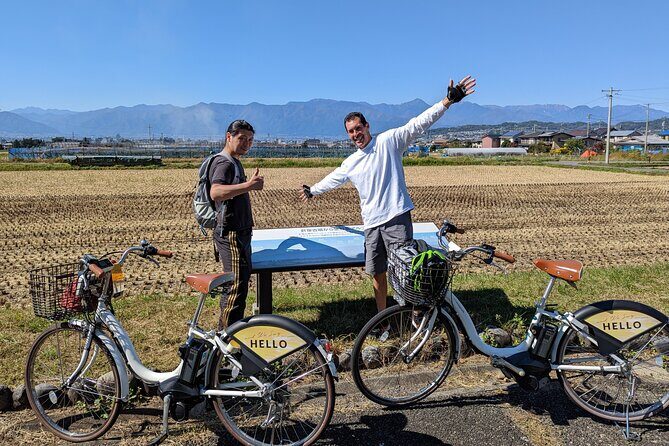
- English-speaking guide keeps the route understandable, with history tied to each stop.
- Max 8 travelers means more personal pacing and easier photo breaks.
- Fukashi Shrine + Tenjin lore adds depth before you even hit the open countryside.
- Susuki-gawa River and Yamabe Valley bring wide views past vineyards and rice fields.
- Matsumoto Castle is a National Treasure site, reached by a scenic ride rather than a bus transfer.
Matsumoto e-bike: easy effort, countryside variety
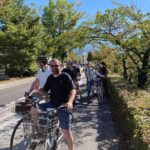
This is the kind of tour that helps you see more of Matsumoto’s surroundings without turning the day into a training ride. The route is built around a “discovery” style: you ride an electric bicycle, stop often, and keep moving at a relaxed pace. You’re not racing between sights. You’re cycling through rural Matsumoto while your guide points out what to notice and why it matters.
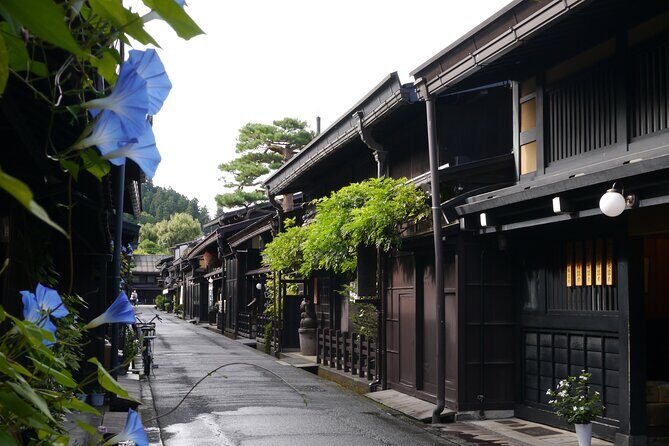
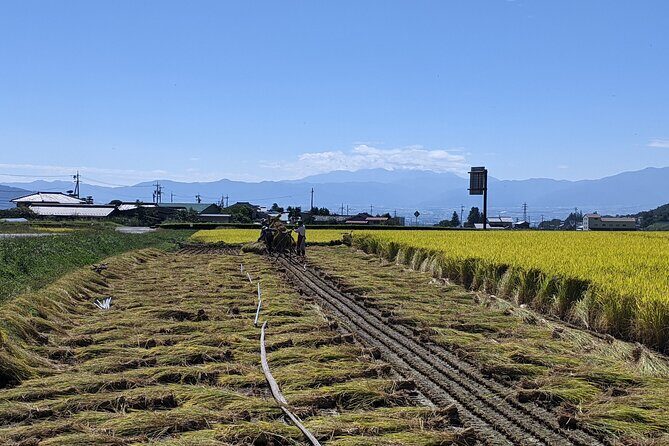
What makes it feel special is the mix. You get the town’s spiritual side at shrines, then you slide into open-air countryside—rice fields, vineyards, and traditional farmhouses in the orbit of the Japanese Alps. Finally, you land at the big landmark: Matsumoto Castle, one of Japan’s National Treasure castles.
And because the pace includes frequent breaks, the day doesn’t feel like a checklist. It feels like a guided walk with wheels.
Other Matsumoto tours and city walks
Start at Matsumoto Station, then let the countryside take over
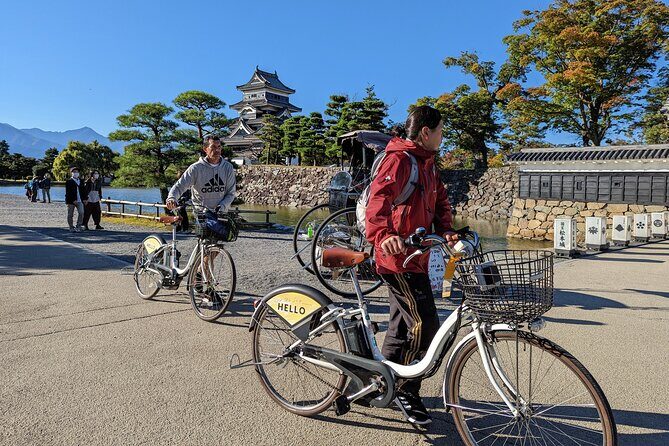
The meeting point is Matsumoto Station (1 Chome-1 Fukashi, Matsumoto, Nagano 390-0815). The tour ends back at the same place, so you’re not juggling separate transportation plans afterward.
From the start, the structure is clear: you’ll ride out from the station area and gradually transition into countryside roads around Matsumoto. That matters because it helps you avoid the common “city first, countryside later” problem. Here, you get the rural feel early enough that the views feel like part of the experience, not an afterthought.
Also, the tour uses a mobile ticket. So if you like minimal paperwork and quick check-ins, this fits your style.
Fukashi Shrine: Suwamiyojin, Tenjin, and why festivals matter
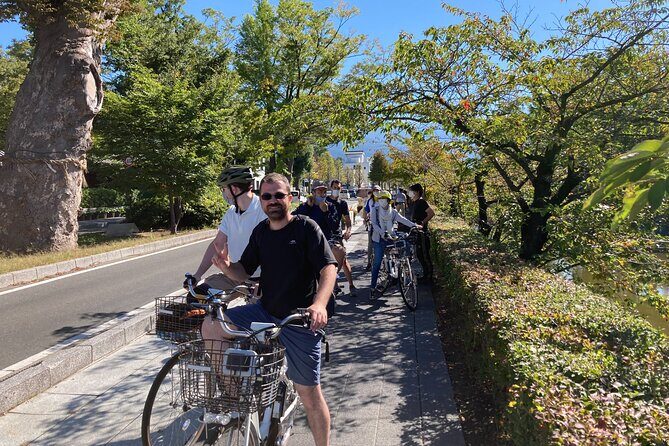
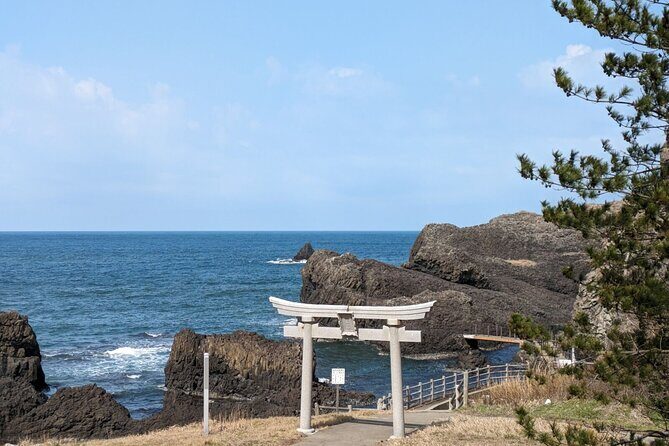
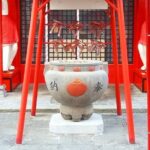
One of the first meaningful stops is Fukashi Shrine, dedicated to two Shinto deities: Suwamiyojin and Tenjin. The guide ties the deities to specific themes—Su wamiyojin is associated with wind, water, and agriculture, while Tenjin is linked to scholarship. That alone is a neat pairing for a countryside ride, because agriculture and learning are both part of the region’s daily life and community identity.
It also comes with a name you may recognize: Tenjin Matsuri, the shrine’s most famous festival. When you hear that during the tour, it gives the shrine more weight than a quick photo stop. You’re not just looking at buildings; you’re learning how people in this area celebrate seasonal and cultural cycles.
One practical note: shrines are often best in calm moments. The tour’s relaxed pacing helps. You can take a breath, look around, and still stay on schedule.
Susuki-gawa River and Yamabe Valley: vineyards, rice fields, and calm views
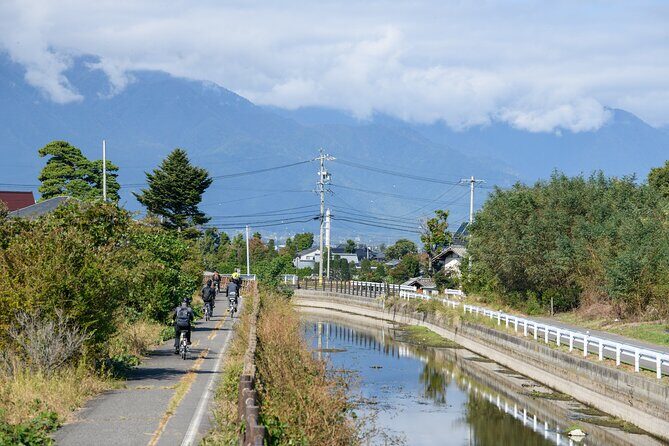
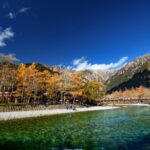
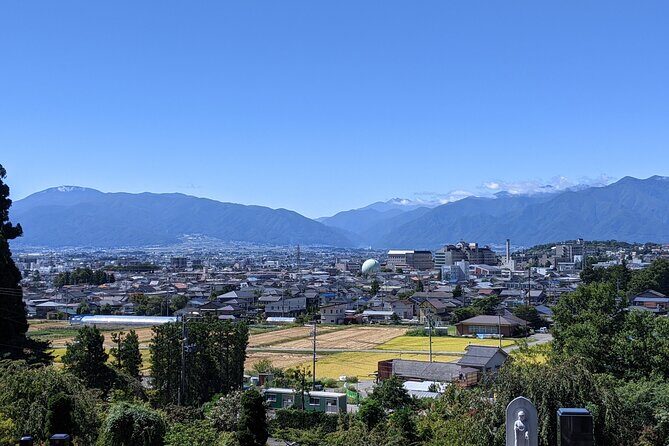
Next up is the Susuki-gawa River area east of town. The river runs down from the mountains, then passes vineyards and rice fields. That’s a nice setup because you’re seeing how water, farming, and settlement connect in real geography—not just as words in a guidebook.
Then comes the Yamabe Valley viewpoint area. The itinerary specifically highlights the quiet valley feel and the striking seasonal colors you can see there. Even if you’re not visiting in peak color season, the combination of river, fields, and distant mountain backdrop typically makes this one of the most “slowing down” parts of the ride.
This is where I’d expect you to enjoy the easiest sightseeing: pulling over for photos, spotting farm structures, and taking in wide-open views without needing a long hike.
A small caution: in the countryside, light changes fast. If you care about photos, bring sun protection and be ready to adjust your timing for brightness.
Asama-Onsen Village: hot springs culture on a short stop
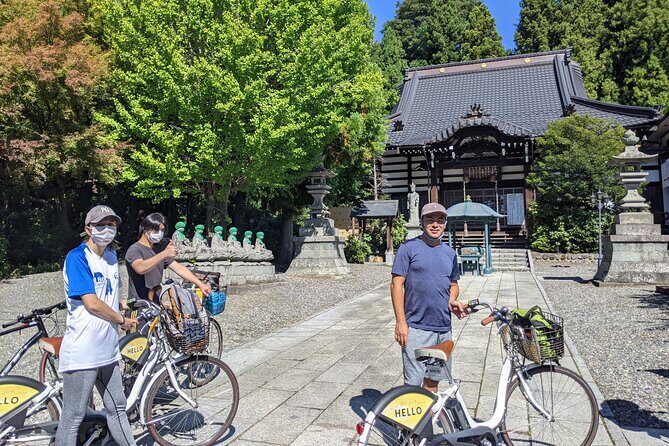
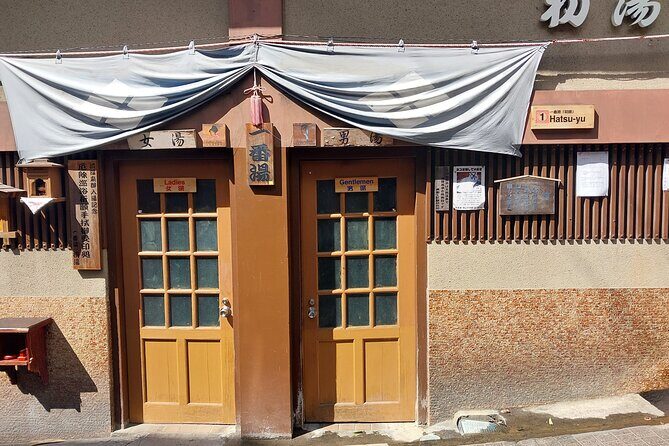
The tour also includes Asama-Onsen Village, a spot north of Matsumoto City known for natural hot springs. Onsen are a big part of Japanese culture, and having it on the itinerary gives you a sense of what locals actually do beyond sightseeing.
This stop works well because it adds a different kind of interest after shrine and valley views. You’re trading wide outdoors time for a more community-focused experience—hot springs as everyday culture, not just a gimmick.
One consideration: the tour is only about 4 hours total, so this isn’t set up like a full half-day onsen outing. If your main goal is soaking for a long time, you may want to treat the onsen visit as an introduction and plan a longer soak on a separate schedule.
Still, as part of a bike day, it’s a strong cultural contrast.

Matsumoto Castle: ride in, then absorb a National Treasure
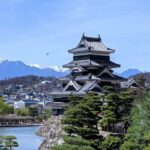
The highlight stop is Matsumoto Castle, located north of Matsumoto City’s center. It has over 400 years of history and is one of only five castles designated as a National Treasure of Japan (the others are Himeji, Hikone, Inuyama, and Matsue). That kind of designation matters because it frames the castle as more than a pretty structure. It’s protected heritage with standing significance.
What I like about reaching the castle by electric bike is that you arrive feeling oriented. You’ve seen the surrounding area—fields, shrines, valley—so the castle doesn’t feel like a standalone photo stop. It feels like the anchor of the region.
Also, this tour is paced for sightseeing and photos. That means you’re likely to get time to walk around and take in the castle setting rather than rushing past it.
Price and value: why $88 can work for your day
At $88.02 per person for roughly 4 hours, this isn’t a budget-only activity. But it’s also not priced like a luxury private tour. The value comes from three things you’re not easily replicating on your own:
1) An English-speaking guide who can explain what you’re seeing, including the shrine meanings (like Suwamiyojin and Tenjin) and why the stops are placed where they are.
2) Use of a bicycle plus a helmet. Rental gear is often one hidden cost when you DIY this.
3) A route that strings together rural views and major heritage in one smooth outing.
The tour is also limited to a maximum of 8 travelers, which usually makes the experience feel less crowded and easier to manage for breaks and photo stops.
If you’re the type who likes to spend time moving between sights while still understanding them, this price can make sense.
Pace, group size, and the real meaning of “moderate”
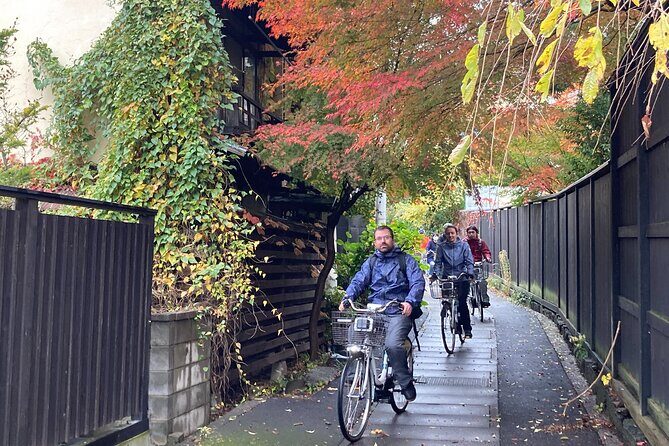
This is described as having a moderate amount of cycling, designed for most fitness levels, with a relaxed pace and plenty of breaks. That’s important. An electric bike can soften hills and longer stretches, but it doesn’t remove all effort. You should be prepared to pedal at times and to ride a bike for part of the morning or afternoon.
The relaxed pace helps you manage that effort. You’re not stuck riding straight through. You’ll stop for sightseeing and photos, which breaks up the physical demand and makes the time feel richer.
Group size matters too. With up to 8 people, you’re less likely to feel like part of a big herd. It also tends to make the guide more responsive to questions like what to look for at the next shrine or how the valley area connects to surrounding geography.
What to bring (so the ride stays pleasant)
Because the tour emphasizes countryside cycling and time outdoors, you’ll want to show up prepared. The essentials are straightforward:
- Snacks and water (bring enough for your comfort).
- Sun protection, especially in warmer months.
- A light layer if mornings or evenings feel cool—conditions around Matsumoto can shift.
Helmets are provided and must be worn during the ride. The tour notes that extra safety gear isn’t included, so if you have your own preferences (like gloves), bring them.
And while lunch isn’t included, you can plan around a meal on your own schedule. In practice, many people like to pair a day like this with a simple local meal afterward, and it’s a good time to look for soba if you want something regional.
Who should book this electric bike day in Matsumoto
I think this tour fits best if you want:
- A guided way to see Matsumoto’s countryside and key landmarks without complicated planning
- A mix of spiritual sites and scenic rural views
- An easy-to-manage day length that still feels like you went somewhere
It’s also a great match if you don’t want to spend the whole day in a car or on transfers. The route is built for movement, with breaks that keep you from getting bored.
You might want to skip it if you’re chasing a slow, deep dive into one single site. This itinerary spreads attention across multiple stops—Fukashi Shrine, river and valley views, Asama hot spring village, and Matsumoto Castle—so it’s not designed for long, standalone visits.
Guides like Kevin make the difference
One theme that comes through strongly is how good the guiding can be. For example, Kevin is specifically mentioned for extensive local knowledge and for leading a smooth, satisfying day out. That kind of guidance matters on this tour because the value isn’t just where you go. It’s what you understand while you’re there—why a shrine is dedicated to wind, water, agriculture, scholarship, and how a festival ties into the place.
If you care about context, choose a day when your schedule allows you to pay attention during stops. You’ll get more out of the experience.
Should you book the eTour de Matsumoto?
Yes, if you want a smart, low-stress way to see Matsumoto’s countryside plus its signature heritage in one tidy 4-hour window. The electric assist makes the ride approachable, and the mix of shrines, river valley views, hot springs culture, and Matsumoto Castle keeps the day from feeling one-note.
Book it especially if you like off-the-beaten-path moments. The Fukashi Shrine stop and the river/valley scenery are the kinds of things that can be hard to stitch together on your own if you’re short on time.
Skip it only if cycling feels like a chore for you or if you want long, unhurried time at a single destination. This one is made for variety and motion, with breaks that keep you comfortable.
FAQ
How long is the eTour de Matsumoto?
The tour runs about 4 hours.
Where does the tour start?
It starts at Matsumoto Station (1 Chome-1 Fukashi, Matsumoto, Nagano 390-0815, Japan) and ends back at the same meeting point.
What’s included in the price?
The price includes an English-speaking guide, use of the bicycle, and a helmet.
Is lunch included?
No, lunch is not included.
Do I need a helmet?
Yes. Helmets are provided and must be worn during the ride. Other safety gear is not included.
What if the weather is bad or I need to cancel?
The experience requires good weather. If it’s canceled due to poor weather, you’ll be offered a different date or a full refund. You can cancel for a full refund up to 24 hours in advance.