Takayama in a few hours? Yes, and it’s smarter with a guide. This private half-day tour is built around walkable neighborhoods and timed stops, with pickup from your hotel and a real chance to shape the route on the spot. I love how you meet your guide, talk through what you want, and get practical advice about weather and seasonal festivals before you even start walking.
My other favorite part is the human touch. In past departures, guides like Kumiko have been praised for friendly help that went beyond the tour itself, including a welcome note and suggested plan, plus leaflets afterward. Guides such as Ikue are also noted for a pace that feels right and English that makes the details land. One possible drawback: the Festival Floats Exhibition Hall requires an extra admission fee, so you’ll want a bit of cash or a card ready for that one stop.
In This Review
- Highlights at a Glance: What Makes This Tour Work
- A Private Half Day That Helps You Read Takayama
- Hotel Pickup + Custom Timing: The Real Value
- Stop 1: Jinya-Mae Morning Market (Plus a Historical Option)
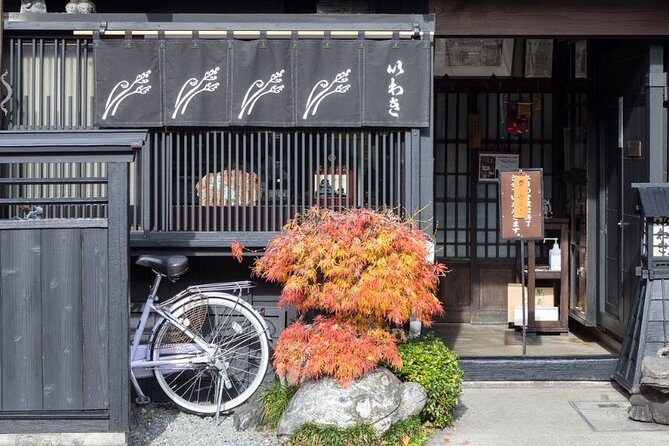
- Stop 2: Sanmachi Suji Edo Streets for Shops and Breweries
- Stop 3: Takayama Festival Floats Exhibition Hall (Extra Admission)
- Stop 4: Takayama Jinya—Edo Administration in a Walkable Visit
- What You’re Paying For: Price vs. Real-Day Value
- Guides Make the Difference: Kumiko and Ikue as Examples
- Who This Tour Suits Best (And Who Might Skip It)
- Practical Tips Before You Go
- Should You Book the Takayama Half Day Tour (Private Guide)?
- FAQ
- How long is the Takayama half day tour?
- Is this tour private?
- Do I get hotel pickup?
- Can I customize the itinerary?
- What are the main stops?
- Is admission included for all stops?
- Is lunch included?
- Is bottled water included?
- Are service animals allowed?
- What is the cancellation policy?
- Do I get a ticket on my phone?
Highlights at a Glance: What Makes This Tour Work

- Hotel pickup with a private, certified guide so you don’t waste prime time figuring things out
- A flexible plan you can discuss at the start, including advice on what’s likely to fit your day
- Jinya-Mae Morning Market (or the historical Jinya area) for real day-to-day Takayama life
- Sanmachi Suji for Edo-period-style streets with shops and breweries in an easy 1-hour walk
- Festival Floats Exhibition Hall for the craft and meaning behind Takayama’s famous floats
- Takayama Jinya to see Edo-era administration up close, including rooms visitors can explore
A Private Half Day That Helps You Read Takayama
Takayama can feel instantly charming—until you start asking questions like, What’s the difference between these buildings? Why is this street laid out this way? A good guide turns pretty streets into a place you understand.
This tour is designed for that. It’s short (about 4 hours), but it doesn’t try to cram everything into a blur. You get a gentle rhythm: morning market area, then Edo-style merchant streets, then a focused cultural stop, and finally Takayama Jinya. The order matters because it helps you build context as you go. You start with how locals live and trade, you move into how the town worked like an old marketplace, then you finish at a government center that explains how power and daily life connected in the Edo period.
Also, because it’s private, you’re not stuck with a one-size-fits-all route. The guide can suggest adjustments based on what you care about—shopping, photos, history, or just soaking up atmosphere without feeling rushed.
Other Takayama walking tours and old-town experiences
Hotel Pickup + Custom Timing: The Real Value
You don’t just get someone to walk with. You get someone to manage your time.
Pickup from your hotel means you can sleep in a touch, avoid the first-stress transit scramble, and arrive with momentum. And because the itinerary is customizable from the moment you meet, you can steer the day. If you’d rather linger longer on street shops than race to the next photo spot, you can. If the weather is changing, your guide can help you swap the order of your priorities so you still see the best parts.
There’s also a practical benefit to using a private guide in Takayama: you’ll hear small, useful “how it works here” explanations as you walk. Those are the details that make your photos better and your souvenirs smarter. You’ll know what you’re looking at, and you’ll be less likely to wander into dead ends.
One more thing: this tour uses a mobile ticket, which is one less step to handle on a sightseeing day where you already have a lot going on.
Stop 1: Jinya-Mae Morning Market (Plus a Historical Option)
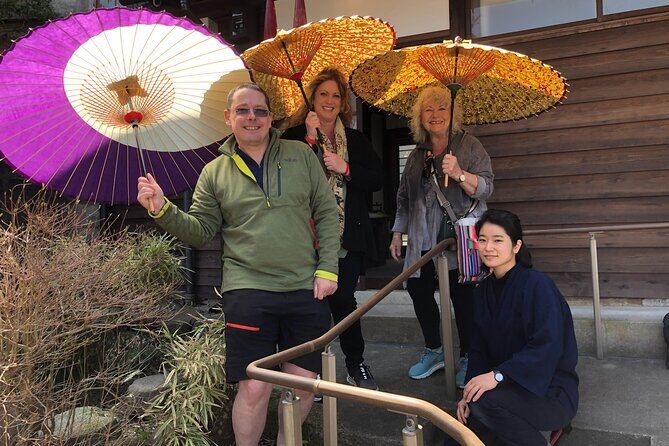
Your first stop sets the tone. The Jinya-Mae Morning Market area is a great place to feel Takayama in motion, even if you’re only here for a short visit.
You’ll spend about an hour here. Depending on what’s best on the day, you may see the morning market itself or visit inside the historical Jinya of Takayama to understand the setting. That choice is useful because it gives your guide flexibility: if conditions make one option less ideal, you can still get the “why this place matters” part without losing the time you paid for.
What makes this stop special is that it’s not just a market for tourists. It’s tied to how the town’s people have organized daily life around local exchange and community rhythms. Even if you don’t buy anything, you’ll pick up a feel for what’s important here—what kinds of goods show up, how sellers present them, and how the space functions as a meeting point.
Practical tip: if you’re a photo person, go a little slower on the first few minutes. Markets look good from a distance, but the real Takayama detail is in close-up textures and signs. You can ask your guide what to watch for so your camera gets the right angles.
Stop 2: Sanmachi Suji Edo Streets for Shops and Breweries
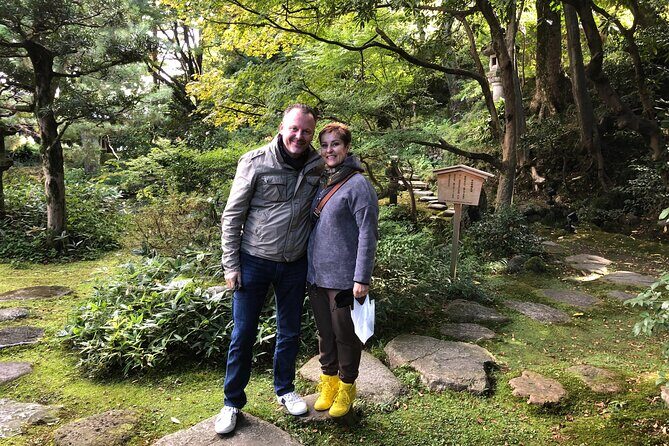
After the market energy, you shift into a more storybook street layout: Sanmachi Suji.
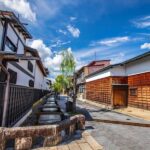
This part lasts about an hour and focuses on the Edo-period-style lanes lined with traditional merchant houses, restaurants, shops, and breweries. In other words, you’re not just walking past old-looking buildings—you’re walking through a town structure that reflects how commerce and community life used to work.
The appeal here is pace. Sanmachi Suji is ideal for a strolling half-day because it gives you breathing room. You can slow down when something catches your eye—whether that’s a small shopfront, an old-house entrance, or a brewery area where you can see the town’s craft culture in everyday form.
A private guide helps you get more from the walk. Instead of treating it like a photo corridor, you’ll understand what these streets were for and why the merchant-house style matters. If you like browsing (and you probably do), this stop gives you enough time to shop without feeling like you’re losing the rest of the program.
Potential drawback: since it’s a walk through a shopping area, you’ll want comfortable shoes. The tour is not described as extreme, but it is a half-day walking plan, and you’ll want your feet ready.
Stop 3: Takayama Festival Floats Exhibition Hall (Extra Admission)
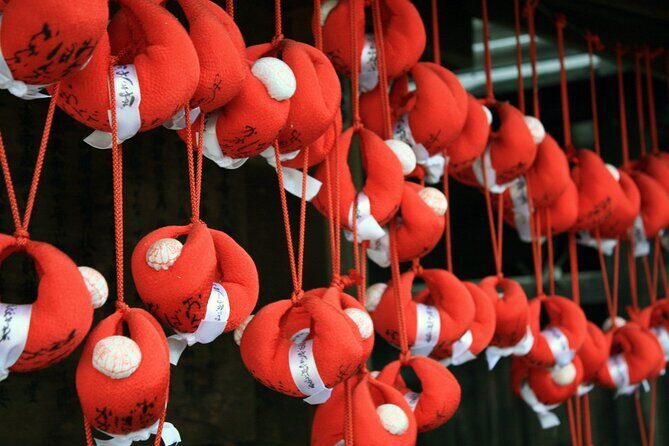
Now for the cultural payoff: the Takayama Festival Floats Exhibition Hall.
You’ll spend about 45 minutes here. The big highlight is the craft and historical significance behind the festival floats—how the designs connect to tradition, and why the floats matter beyond being impressive decorations.
This stop is also your “information anchor.” After seeing everyday commerce and street life, you’ll understand how Takayama celebrates identity through festival culture. It’s one of the best ways to make your time feel meaningful instead of just scenic.
Important practical note: admission for this hall is not included. Plan for the added cost, and treat it like part of your sightseeing budget rather than an unexpected surprise. If you’re traveling with only a small amount of spending money, this is the one place you should decide in advance whether you’re truly in the mood for the floats exhibit.
What I like about placing this stop mid-tour: it gives your brain a break from shopping and strolling, and it resets your attention. You come out of the hall with a better sense of what you’ll notice later in town—especially if you see festival-related details on the streets.
Other guided tours in Takayama



Stop 4: Takayama Jinya—Edo Administration in a Walkable Visit
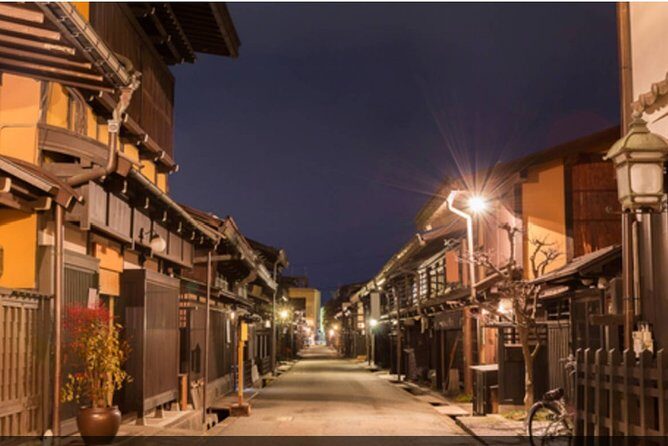
You finish where the context becomes concrete: Takayama Jinya, a former government office.
This stop runs about 45 minutes, and it’s free admission. The value is in the way it explains administration from the Edo period—how an official center operated, and what kinds of rooms and functions visitors can explore. You’ll see various rooms, including interrogation rooms, plus access to an extensive garden.
That garden detail matters. It changes the atmosphere from “rules and authority” to a calmer sense of space and order. It also helps you understand how the office wasn’t only paperwork and punishment—it had an environment and layout that reflected the era’s ideas about governance and daily function.
Why I think this is a strong ending: it pulls together the story the earlier stops started. Morning market and merchant lanes showed daily life and commerce. The Jinya explains who managed society and how order was enforced. Even if you don’t consider yourself a history person, the guided framing can make the layout feel logical instead of confusing.
One more practical point: since this is an office-garden style visit, you’ll likely want a little slower pace at the end. Rushing toward the exit can mean missing the quieter parts that make the Jinya memorable.
What You’re Paying For: Price vs. Real-Day Value
At $93.39 per person for about four hours, this tour isn’t the cheapest option. But it’s not trying to be.
You’re paying for:
- Private guiding (your group only)
- Hotel pickup
- A plan you can adjust on the fly
- A structured route that hits the best time-wasters out of the way
If you’re a couple or small group, a private tour like this can still be good value compared with spending your own time bouncing between locations with no one to explain what you’re seeing. In a place like Takayama, where historical meaning hides in plain sight, that guidance pays off quickly.
Also, it’s described as getting booked far in advance on average. That’s a sign the best time slots and private guide availability don’t hang around forever. If you have specific days in mind, booking early is a smart move.
Group discounts are listed as a feature, too. If you’re traveling with friends, check whether that applies to your booking—private tours can sometimes get cheaper per person depending on how you assemble your group.
Guides Make the Difference: Kumiko and Ikue as Examples
Even with the same itinerary, guides can change your day.
Kumiko has been specifically praised for being nice, helpful, and thorough—plus thoughtful extras like a welcome note and a suggested itinerary delivered ahead of time. After the tour, leaflets left behind meant you had a little extra direction for what to do next. That kind of preparation is practical, not flashy.
Ikue is praised for keeping the pace just right, offering suggestions you can choose from, and having English that’s easy to follow. That matters because in a four-hour tour, you don’t want explanations that are vague. Clear English helps you absorb what you’re seeing without feeling like you’re fighting the language barrier.
If you get a guide like Kumiko or Ikue, you’ll likely feel taken care of: the day doesn’t just happen to you, it’s guided.
Who This Tour Suits Best (And Who Might Skip It)
This tour is a great fit if you want:
- A short, organized half-day that covers multiple sides of Takayama
- A plan you can tweak based on your interests
- Time-saving pickup plus an expert to explain what you’re looking at
- A mix of streets, market life, festival culture, and Edo-era governance
It may not be ideal if:
- You prefer entirely unguided travel and don’t want a structured route
- You’re extremely budget-sensitive (because one major stop has extra admission, and lunch and bottled water aren’t included)
- You hate walking through shopping streets (Sanmachi Suji is part of the experience)
If you like to wander, think of this as a guided path that still leaves room to choose what to slow down for.
Practical Tips Before You Go
To get the most out of a half-day plan like this, I’d do three simple things:
First, wear comfortable shoes. Even when the tour is “just 4 hours,” Japan walking adds up quickly.
Second, plan your meal timing. Lunch isn’t included, so either eat before you meet your guide or make room afterward. You’ll likely be hungry after an active morning/afternoon.
Third, remember the only stop that isn’t free: the Festival Floats Exhibition Hall. Budget for that so you don’t spend time rethinking money mid-day.
If weather is changeable, this is exactly the kind of tour where you’ll benefit from asking your guide how to adjust. That flexibility is part of what makes the private format worth it.
Should You Book the Takayama Half Day Tour (Private Guide)?
Book it if you want a smooth introduction to Takayama that balances old streets, local-life atmosphere, and cultural meaning—without spending your whole day figuring logistics out.
Skip it if your travel style is mostly independent wandering and you don’t care much about explanations. In that case, you could probably build a similar route on your own. But if you want your time to feel guided and your stops to make sense, this is a strong choice.
Given the consistent praise for guides like Kumiko and Ikue—especially for friendliness, pacing, and clear English—I’d treat this as a “buy back your time and understanding” type of experience.
FAQ
How long is the Takayama half day tour?
It’s about 4 hours.
Is this tour private?
Yes. It’s a private tour/activity, and only your group will participate.
Do I get hotel pickup?
Yes, pickup is offered from your hotel by your private guide.
Can I customize the itinerary?
Yes. You can discuss and customize your plan with your guide from the moment you meet.
What are the main stops?
You’ll visit the Jinya-Mae Morning Market area, Sanmachi Suji, the Takayama Festival Floats Exhibition Hall, and Takayama Jinya.
Is admission included for all stops?
Most stops have free admission. The Takayama Festival Floats Exhibition Hall admission is not included.
Is lunch included?
No. Lunch is not included.
Is bottled water included?
No. Bottled water is not included.
Are service animals allowed?
Yes, service animals are allowed.
What is the cancellation policy?
Free cancellation is available up to 24 hours in advance for a full refund.
Do I get a ticket on my phone?
Yes, it’s listed as having a mobile ticket.