Knife skills, real and practical.
I love building your own Damascus knife and then getting to test its sharpness on fresh vegetables instead of just watching someone else work. The one thing to consider is that the location in Seki (near Sekitomioka Station) takes a little planning on train days, so give yourself enough time to get there.
This isn’t a big, chaotic class. It runs with a small group (up to 5), and pickup is offered, which makes the day feel smoother than you’d expect for an activity that’s a bit off the main tourist track.
In This Review
- Key Points at a Glance
- Damascus in Seki: why this workshop feels different from a typical class
- Meeting in Seki and getting there without wasting your day
- Knife Museum stop: rare cutlery in a Canadian-style log house
- Inside the G.SAKAI factory: modern knife making you can picture later
- Forge your own knife: assemble, polish, sharpen, and sign it
- The sharpness test on fresh vegetables (and why you’ll care)
- Learning knife sharpening so your edge stays alive
- Which knife style should you choose: match it to your cooking (or outdoors)
- Price and value: is $250.38 worth it?
- What the experience feels like in real life (with real guide names)
- Who this is best for (and who might want to skip it)
- Should you book the Damascus knife workshop in Gifu?
- FAQ
- FAQ
- What is the duration of the Damascus knife making experience?
- Where does the activity start?
- Is pickup available?
- How many people are in the group?
- What knives can I make in the workshop?
- Do I test the knife during the class?
- Is this suitable for most people?
Key Points at a Glance
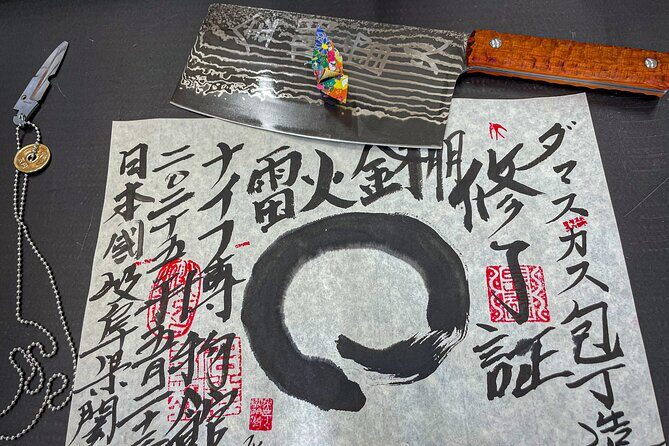
A small-group workshop (max 5) with hands-on tool work
Museum + factory visit to connect craft to modern production
Sharpness test right after polishing, using fresh vegetables
Instruction on how to sharpen so your knife stays in top shape
Choose your build: Japanese kitchen, Chinese kitchen, or folding hunting knife
Damascus in Seki: why this workshop feels different from a typical class
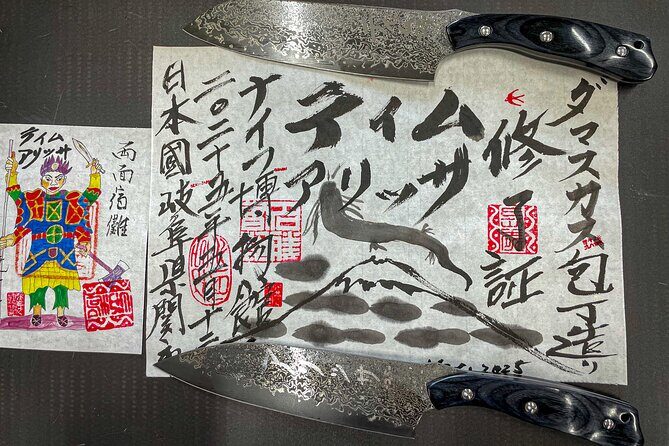
Seki, in Gifu Prefecture, is one of Japan’s major cutlery hubs. People have been making swords and knives here since the 1200s, helped along by iron sand from the local Nagaragawa River. In the Edo period, there were hundreds of blacksmiths producing Samurai swords and knives. Today, Seki is still a big deal for knives, sitting alongside places like Sheffield and Solingen when it comes to reputation.
What I like about this experience is that it doesn’t treat knife-making like a performance. You see the broader industry first, then you get your hands on the craft. The workshop’s structure helps you connect the dots: how the blades are made, how they’re finished, and why sharpening matters as much as the initial forging.
If you care about taking something home that will actually be useful, you’re in the right place. You’ll finish with a knife and the basic know-how to keep the edge working well.
If you're still narrowing it down, here are other tours in Gifu Prefecture we've reviewed.



Meeting in Seki and getting there without wasting your day
The meeting point is Sekitomioka Station in Seki (Hidase, Seki, Gifu). Start time is 10:30 am, and the activity ends back at the meeting point.
This matters more than it sounds. Classes like this can easily eat your schedule if you’re rushing. Because the workshop is in Seki (not in the busiest Tokyo/Kyoto core), I suggest you plan your train arrival so you’re not sprinting to a station. The good news: it’s near public transportation, and the guide team is used to helping people find the right place.
You’ll also get a mobile ticket, which usually means less fuss on the day. And pickup is offered. In real-world terms, that can be the difference between a pleasant morning and a stressful one—especially if you’re pairing this with another stop in Gifu.
Knife Museum stop: rare cutlery in a Canadian-style log house
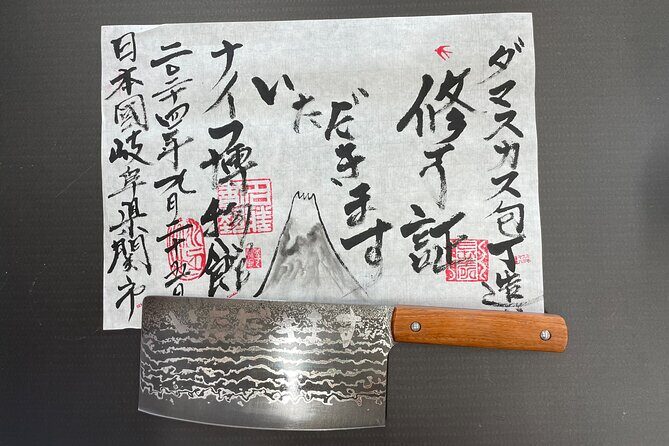
Your day starts with a visit to the Knife Museum, set in a Canadian-style log house next to the G.SAKAI factory. This is a great warm-up stop because it sets expectations. Instead of just jumping into tools and steel, you get context on what makes cutlery special, and you’ll see exhibits that come from around the world.
What I like here: the museum doesn’t feel like a sad history lecture. It’s more like a guided “look closer” moment. You can walk through and actually connect design and craftsmanship to what you’re about to do in the atelier.
A small drawback: museums take time, and the total schedule is about 2 hours 30 minutes. So if you’re someone who wants lots of free browsing time, you’ll want to keep expectations realistic. The museum is valuable, just not long.
Inside the G.SAKAI factory: modern knife making you can picture later
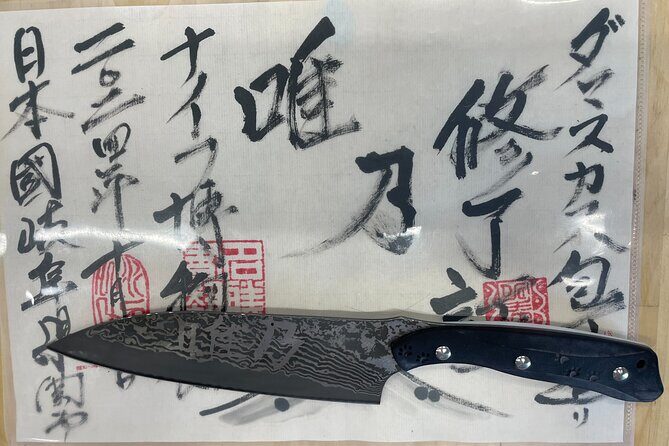
Next you’ll enter the factory to see how quality Japanese knives are made today. Seeing a real production space helps you understand what you’re working toward. It’s one thing to assemble and polish in a workshop. It’s another to realize why the finishing process and metal work quality are so important.
This factory stop also makes the sharpening part make more sense. A sharp edge isn’t just luck. It’s controlled work, and it’s tied to how the blade is prepared and maintained. Once you’ve seen the process flow at a factory level, the workshop steps feel more intentional.
Forge your own knife: assemble, polish, sharpen, and sign it
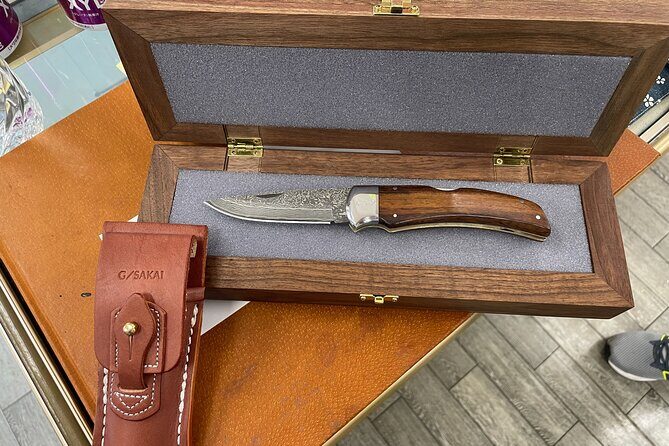
Now comes the part you’ll remember.
In the atelier, you construct your own knife by going through core steps: assembling, polishing, sharpening, and then writing your name with the craftsman’s guidance. That last part—signing it—sounds simple, but it adds real meaning. You’re not leaving with a generic souvenir. You’re leaving with a tool that carries your choice and your effort.
You’ll also get to choose what you’re making, and that choice affects your day:
- Japanese Damascus Kitchen Knife: a strong all-day option for regular cooking.
- Folding Damascus Hunting Knife: portable and versatile if you like outdoor tools.
- Chinese Damascus Kitchen Knife: built with traditional Chinese cooking in mind.
Prices vary depending on which type you choose, so read that carefully before you lock in your knife choice.
One honest consideration: this is a workshop with a fixed time window. You’ll gain real skills, but you won’t leave as a full-time master smith. The value is that you learn the fundamentals and you finish with a knife that behaves like a finished product.
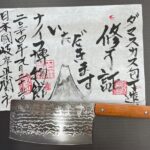


The sharpness test on fresh vegetables (and why you’ll care)
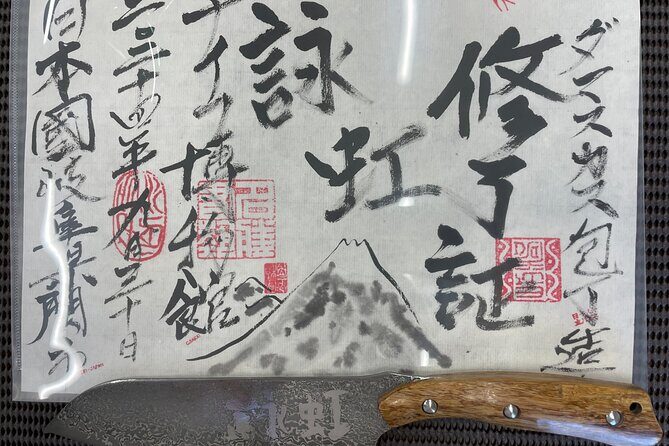
After you build and sharpen, you’ll test your knife’s edge by cutting fresh vegetables. This is the moment where the class stops being theoretical.
Sharpness is one of those things you can hear about forever, then finally understand in seconds. When a knife slices cleanly, you feel it in your hand and in the cut. If you’ve ever struggled with dull blades at home, this test hits extra hard because it makes the difference obvious.
This sharpness test also helps you judge what kind of maintenance you’ll need. Even if your knife is excellent when you finish, it’s still steel in the real world. Learning what affects the edge now pays off later.
Learning knife sharpening so your edge stays alive
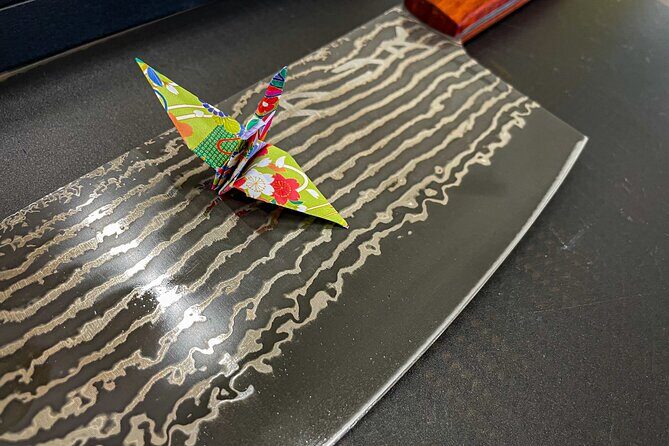
One of the best parts of this workshop is the instruction on knife sharpening. The point isn’t to make you dependent on a shop. It’s to give you enough basics to maintain the edge so the knife stays in prime condition for years.
Sharpening is where many food-tool purchases fail. People buy a great blade and then either use the wrong approach or avoid maintenance because it feels intimidating. Here, you learn the essential skill during the process, not as an afterthought.
In practical terms, I love this because it turns the experience into ownership. You leave with a knife and a method to keep it performing. That’s the sort of value that lasts longer than a nice box of packaging.
Which knife style should you choose: match it to your cooking (or outdoors)
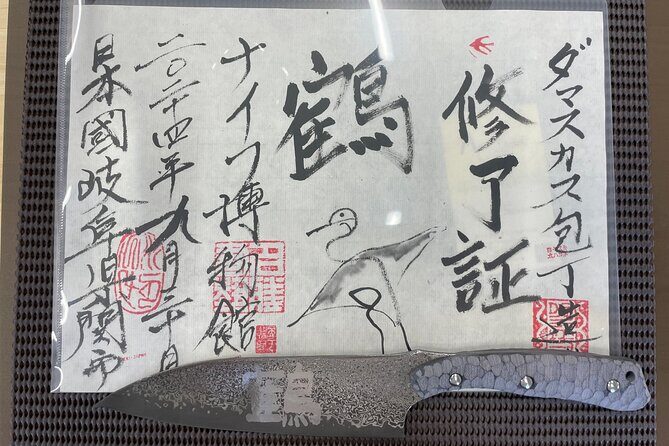
You’ll pick from three distinct knife types, and your choice should depend on how you actually cook or use a blade.
If you mostly cook everyday meals: Go Japanese Damascus Kitchen. It’s designed for general culinary use, which usually means more frequent, repeat use.
If you want a portable tool for travel or outdoor days: Choose the Folding Damascus Hunting Knife. A folding format means it’s easier to pack and carry, and it’s meant for versatility beyond the cutting board.
If you cook with Chinese technique: Pick the Chinese Damascus Kitchen Knife. The workshop frames it as the best match for traditional Chinese cooking styles, which is exactly the kind of alignment you want when spending money on a knife.
If you’re torn between two, pick the one you’ll grab most often. A knife you use daily is always a better buy than a knife you admire and store.
Price and value: is $250.38 worth it?
At $250.38 per person, this isn’t a cheap hobby. But it also isn’t a watered-down souvenir class. Here’s what you get that supports the price:
- A knife-making workshop that includes assembly, polishing, and sharpening
- A sharpness test on fresh vegetables so you can immediately judge results
- A museum visit and a factory visit connected to the same cutlery world
- A chance to learn how to sharpen so you can maintain the knife later
- Mobile ticketing, and pickup is offered (with guides who handle English well, based on past experiences)
The biggest value driver is the pairing: you build and sharpen your own blade, then you learn how to keep it sharp. That reduces the “cool gift, dead tool” risk that comes with some maker experiences.
Could it be pricey for casual interest? Sure. If you just want pretty things, you may feel underwhelmed. If you want a knife you’ll use, the cost starts to look more reasonable fast.
What the experience feels like in real life (with real guide names)
The day often runs smoothly because the guide team communicates well and stays involved. Past participants have highlighted hosts such as Hiro, plus Sumi and Yoshi, as welcoming and easy to work with.
Hiro has been described as handling pickup and also helping with the rest of the day, including a stop at the sword museum and a local sword shop in some cases. Sumi and Yoshi have also been praised for making the workshop enjoyable and for hosting in a way that feels like a true guided activity rather than a rushed checklist.
One more detail: the location is a bit off the main tourist path. That can sound like a downside. In practice, it also means less crowding and more focus. And with a guide who knows the route and schedule, you avoid the usual “where do we go?” stress.
Who this is best for (and who might want to skip it)
This workshop is a strong fit if you:
- Want a hands-on skill you can keep using at home
- Care about owning a real cutting tool, not only a handmade artifact
- Like food prep enough to notice the difference between sharp and dull
- Plan a day trip from Kyoto, since it’s about 1.5–2 hours by train to the area
It’s less ideal if you:
- Are only curious in a casual, “watch someone else do it” way
- Have limited interest in sharpening or blade maintenance
- Hate activities with a fixed time box (this runs about 2 hours 30 minutes)
Should you book the Damascus knife workshop in Gifu?
If you’re the type who likes doing one or two things really well while you travel, book it. The sharpness test and the sharpening lesson give this tour more staying power than a typical craft stop. You’ll leave with a knife you chose, finished, and learned how to maintain.
If you’re on the fence, ask yourself one question: will you use the knife after you get home? If the answer is yes, the workshop’s price and structure make sense. If you’re mainly collecting experiences, you might be happier choosing something lighter and less tied to long-term ownership.
FAQ
FAQ
What is the duration of the Damascus knife making experience?
The experience lasts about 2 hours 30 minutes.
Where does the activity start?
It starts at Sekitomioka Station (Hidase, Seki, Gifu 501-3911, Japan).
Is pickup available?
Pickup is offered.
How many people are in the group?
The tour/activity has a maximum of 5 travelers.
What knives can I make in the workshop?
You can choose among three: a Japanese Damascus kitchen knife, a folding Damascus hunting knife, or a Chinese Damascus kitchen knife (prices vary by type).
Do I test the knife during the class?
Yes. You’ll test sharpness by cutting fresh vegetables.
Is this suitable for most people?
Most people can participate.