One trail day, two centuries back.
This guided Kiso Valley walk is built for people who want the Magome-to-Tsumago experience without the stress of map-reading or figuring out transit on the fly. You’ll follow the historic Nakasendo route between two preserved post towns, with your guide keeping you on track while you learn what life on the highway looked like.
I love the way bus and entrance fees are handled for you, so the day stays smooth. I also love the 5.5-mile (9 km) hike with private customization, meaning the route and pace can flex to fit your group.
The main consideration is simple: you should have strong walking fitness, since it’s a full day with a real trek amount (about 7 hours total).
In This Review
- Quick hits
- Kiso Valley’s Nakasendo Trail, without the map stress
- Price and logistics: what you pay for (and why it’s fair)
- Meeting at Nakatsugawa, ending at Nagiso around 15:45
- Stop-by-stop: Magome-juku, the Observatory, and Odaki–Medaki waterfalls
- Otsumago and Tsumago-juku: preserved streets and old inn culture
- Nagisomachi Museum and Wakihonjin Okuya: inside Edo-period residences
- How much walking is this, really, and who should go
- What to bring so the day feels easy
- Should you book this Kiso Valley walk?
- FAQ
- How long is the walk and what distance will we cover?
- Is this tour for active travelers?
- What is included in the tour price?
- Where do we meet and where does the tour end?
- Do I need to pay for museum or cultural site admissions?
- What if weather is bad?
Quick hits
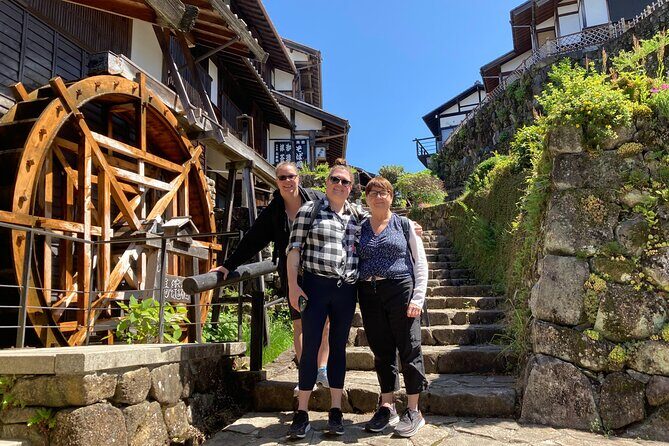
- Nakasendo Trail, guided end-to-end so you don’t risk getting lost between Magome and Tsumago
- Bus ticket + entry fees included, which saves time and avoids ticket hunting
- Magome Observatory (801m) gives you a big, high view early in the route
- Odaki–Medaki waterfalls break up the walk with a classic Kiso refresh stop
- Tsumago preservation architecture including Hon-Udatsu and Dashibari Zukuri-style houses
- Edo-period residences turned museum stops, with restored spaces like Nagisomachi Museum and Wakihonjin Okuya
Kiso Valley’s Nakasendo Trail, without the map stress
If you’ve ever looked at the Nakasendo Trail and thought, That’s beautiful, but I’m not sure I’ll do it right—you’ll probably feel a lot better with this format. The Nakasendo is the old highway that linked Kyoto and Tokyo, and this part of it lets you experience that “you’re walking where people once walked” feeling in a single day.
What makes this day work well is the pairing of navigation support and story support. You’re not just following a line on the ground. Your guide keeps the route together and adds context about what you’re seeing—so the trail becomes clearer as you go. In reviews, guides like Ryo, Harumoto, Moto, and Kazuo get praised for being friendly, patient with questions, and unusually local in their knowledge. That matters, because the small details in Magome and Tsumago can be easy to miss if you’re on your own.
You’ll also walk with a private setup—only your group—so you’re not stuck with a pace that doesn’t match yours. That’s a quiet quality-of-life win, especially on a day that’s long enough for your feet to start bargaining with you.
Other Magome-Tsumago Nakasendo walks near Gifu Prefecture
Price and logistics: what you pay for (and why it’s fair)
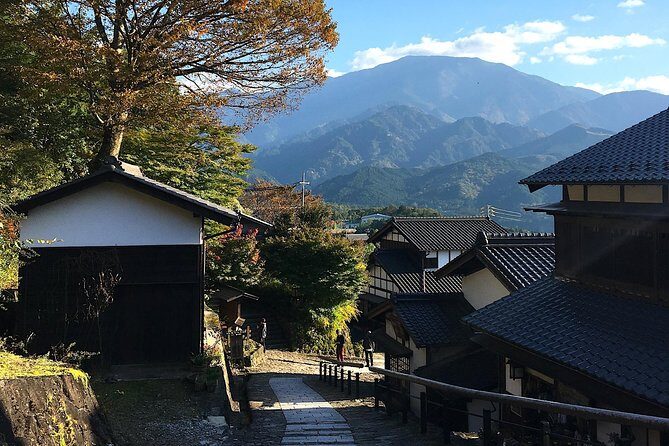
At $171.31 per person, this isn’t a bargain-style ticket. But it’s also not “tour price with nothing included.” What you’re paying for is a guided, organized day with several items folded into the cost:
- English guide for the full walk and stops
- Bus ticket to get you from Nakatsugawa toward Magome-juku
- Entrance fees for the museum/residence-style stops
When you compare that to the cost of paying separately for guide time, transit, and admission tickets, the price starts to look more like paying for convenience plus expertise.
Two practical notes keep it from feeling overpriced:
1) The day is timed well enough that you don’t spend your energy figuring things out. One review specifically called out the lack of bus/map hassles as a big reason they loved it.
2) The route choice gives you both history and walking. You’re not only touring a town; you’re doing the in-between part—the trail itself.
What’s not included is also important. Food and drink are not included, so plan on buying meals/snacks yourself during natural breaks. The tour duration is about 7 hours, so you’ll want to bring (or plan to purchase) water and some easy energy.
Meeting at Nakatsugawa, ending at Nagiso around 15:45
The tour starts at 9:00am at Nakatsugawa Station (ticket gate), 2 Chome-1 Otamachi, Nakatsugawa, Gifu. The end point is Nagiso Station, with the tour finishing around 15:45. Your guide helps you buy your train ticket back to your accommodation.
This matters more than it sounds. A lot of day hikes fail not because the hike is hard, but because you get stranded—or you lose time trying to match schedules. Here, the day is built to land you at a station that makes your next step straightforward.
Tip from experience: if your lodging is outside the area, treat this day like a “set your return trains early” kind of plan. You’ll appreciate the help with train tickets at the end, but you still want your wider schedule to be compatible.
Also, it’s a mobile ticket experience and it’s run as a private tour, so you’ll only be with your group. If you’re traveling with family or friends and want less waiting around, that private format helps.
Finally, the average booking window is about 66 days in advance. That’s a strong hint to lock in your date early, especially if you’re traveling during peak seasons.
Stop-by-stop: Magome-juku, the Observatory, and Odaki–Medaki waterfalls
Your day begins in Magome-juku, one of the famous post towns along the old Nakasendo highway. You’ll ride a bus from Nakatsugawa to get there, then step into the atmosphere of a place built for travelers of another era—an environment where people once passed through on journeys between major cities.
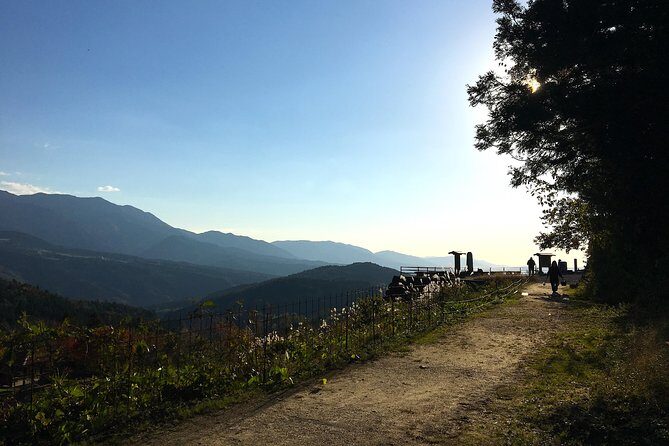
From there, the route climbs to Magome Observatory. This stop is short (about 15 minutes), but the payoff is clear: it sits at about 801m altitude, so you get a wide view back over the area. Even if you’re not a “photo every ten steps” person, this kind of view break is one of the best times to reset your energy before the next stretch.
Next come the Odaki-Medaki Waterfalls. It’s a quick stop (around 10 minutes), but it’s classic Kiso. The names refer to two sides of the waterfall—often described as man waterfall and woman waterfall—which makes it more memorable than a generic roadside cascade. It’s also a practical break: shaded air, a short pause, and a chance to cool down your legs and mind.
Here’s the real value of these early stops: they break the day into chunks. You’re not going straight from train to nonstop walking. You get town atmosphere, then a viewpoint, then water and a reset. That pacing helps a lot if you’re not an ultra-hiker.
One more thing you’ll feel: because your guide is with you the whole time, you’ll understand why these spots matter along the old highway. In the best guided hikes, the “why” makes the “where” more meaningful.
Otsumago and Tsumago-juku: preserved streets and old inn culture
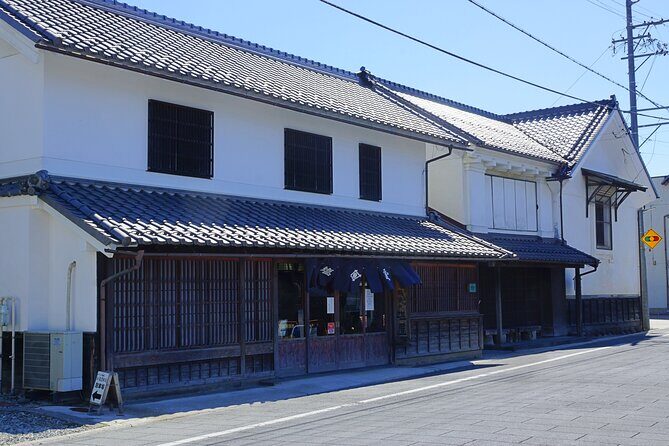
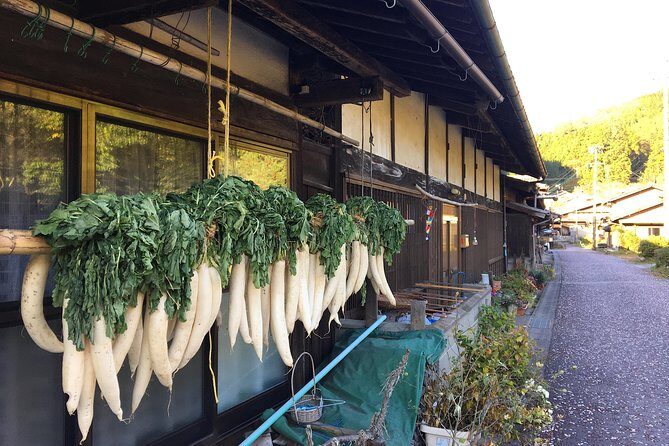
After Odaki–Medaki, you’ll shift into the historic district side of the day with Otsumago. This is part of the Tsumago-juku preservation area, with houses built in traditional styles such as Hon-Udatsu and Dashibari Zukuri. The names may sound technical, but the effect is easy to see when you walk close up: architectural shapes and street details that reflect how lodging and commerce worked on the road.
Then you reach Nakasendo Tsumago-juku, which is the other big anchor town. This stop is longer—about 1 hour 10 minutes—because there’s more to take in. It’s also where the old inn system comes into focus: Tsumago-juku used to have a structure with a Honjin inn, a Waki-Honjin inn, and multiple Hatago inns. In plain terms, that means officials and different categories of travelers used different types of accommodations.
If you like cultural details you can picture, this is where your guide’s explanations matter. One review highlighted how guides were especially good at bringing the trail’s history and regional culture to life. That’s what you want here: enough context that the preserved buildings stop being just pretty structures and start reading like a system.
You’ll also likely find time to walk the streets at a comfortable rhythm. Tsumago has that slow, old-highway vibe where you can look at timber, gate details, and the overall layout without feeling rushed.
Practical note: since food isn’t included, this is a good area to decide what snack or meal rhythm works for you—either buying something when you see an opportunity or timing your breaks so you’re not hungry when you hit the later museum/residence stops.


Nagisomachi Museum and Wakihonjin Okuya: inside Edo-period residences
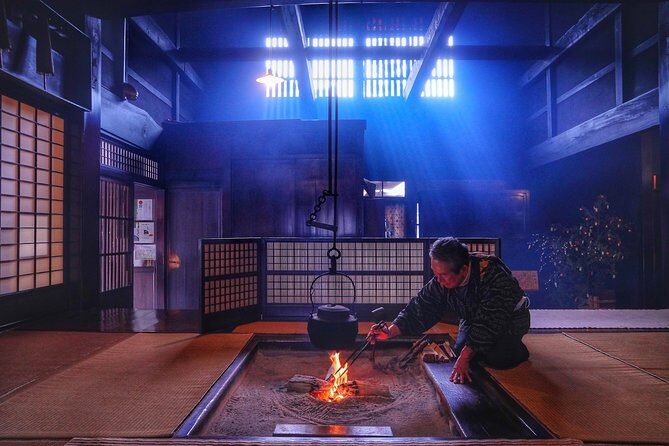
Toward the end of the day, the experience becomes more hands-on with Nagisomachi Museum and Wakihonjin Okuya—both tied to historic lodging and provisioning roles along the Nakasendo.
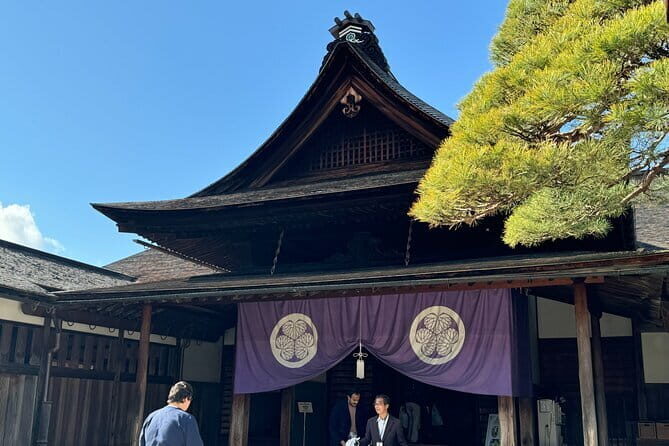
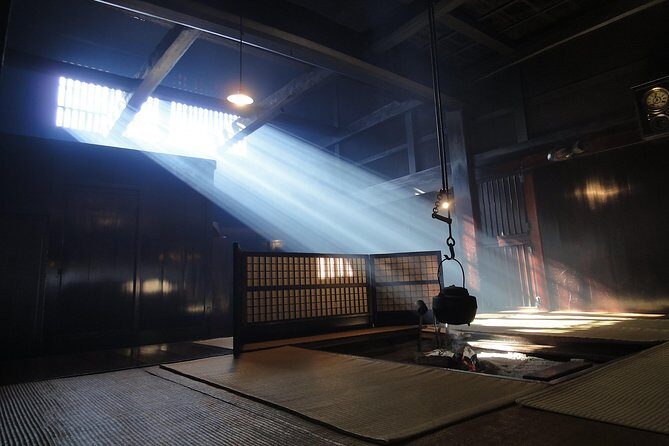
First up is Nagisomachi Museum, housed inside a Waki-honjin Okuya residence, also referred to as Hayashiya House, which is an Important Cultural Property. The museum is restored based on late Edo period floor plans. That restoration detail is what makes it valuable: you’re not just looking at an exhibit in a modern building. You’re walking through a space shaped by how people actually lived and hosted travelers.
Then comes Wakihonjin Okuya itself. This residence served as a waki-honjin and a provision store for generations, and it’s built from fragrant Japanese cypress. The tour information notes that cypress building material was only recently legalized when the residence was constructed (so the wood story is part of the significance).
These two stops are shorter (about 25 minutes each), but they add depth. After spending time on street views and viewpoints, you get a “close reading” of the past. If you tend to enjoy architecture, preserved rooms, or the feel of older domestic layouts, these museum/residence sections are a big part of why the tour earns its high rating.
One review even mentioned delicious food and special treats shared along the way by a guide—so while meals aren’t included, the guidance around where to eat (or what to try) can make the later part of the day feel more complete.
How much walking is this, really, and who should go
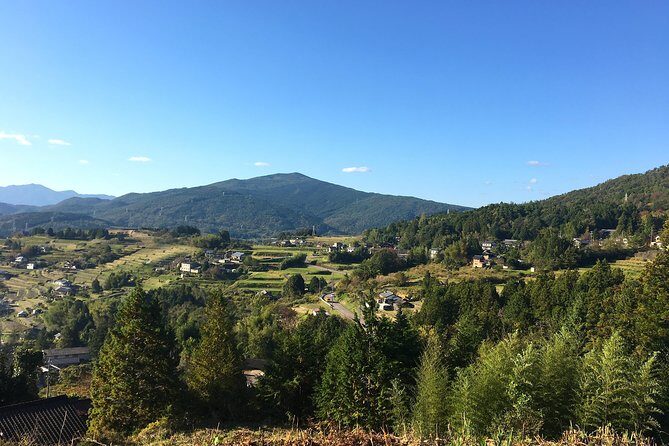
The walk is about 5.5 miles (9 kilometers) and the total time is around 7 hours. That’s a meaningful day, not a stroll. It’s best for people who can handle steady walking and don’t mind some elevation changes—especially given the Magome Observatory area at 801m.
The tour description also says travelers should have a strong physical fitness level. So if you’re recovering from an injury, or if 9 km is normally a stretch for you, you may want to reconsider or ask whether the route can be adjusted to your pace. The good news is that this is a private walk that can be customized. That flexibility is exactly what you want if you’re right on the edge of your comfort range.
This tour is a great fit if:
- you want a first-time Nakasendo day without the hassle of planning every segment
- you like history but also want exercise (not just museum time)
- you travel with people who have different interests and you want a guide to connect the dots
It may be less ideal if:
- you’re hoping for a short, low-effort sightseeing block
- you want meals included in the price (they’re not)
What to bring so the day feels easy
Even with everything organized, you’ll still make the hike comfortable with a few basics:
- Comfortable walking shoes (this is a full day on foot)
- Water and small snacks, since food and drink aren’t included
- A light layer for morning and shade changes
- A small daypack for your camera and anything you buy along the way
If you’re a person who gets cold easily in mountain air, bring a layer. If you get warm fast, wear breathable clothing—you’ll thank yourself when the trail starts moving.
Should you book this Kiso Valley walk?
I think you should book if you want a well-paced day where the trail, the towns, and the cultural stops are all handled. The best part is the combination of organized logistics (bus + entrances + guide) with the payoff of actually walking the Nakasendo route between Magome and Tsumago.
I’d skip it or choose a different style if you need a lighter day on your feet, or if you’re traveling with someone who struggles with sustained walking. This is built for people who enjoy being in motion.
If you do book, plan your date early (it’s often reserved about two months out), and come ready for a day that mixes old highway history with real steps on the ground.
FAQ
How long is the walk and what distance will we cover?
The walk is about 5.5 miles (9 kilometers), with the overall tour lasting approximately 7 hours.
Is this tour for active travelers?
Yes. The tour description says travelers should have a strong physical fitness level, since it’s a full day walk.
What is included in the tour price?
Your price includes an English guide, a bus ticket, and entrance fees.
Where do we meet and where does the tour end?
You meet at Nakatsugawa Station at 9:00am. The tour ends at Nagiso Station around 15:45, and your guide will assist you with buying the train ticket back.
Do I need to pay for museum or cultural site admissions?
No. Entrance fees are included in the tour.
What if weather is bad?
The experience requires good weather. If it’s canceled due to poor weather, you’ll be offered a different date or a full refund.