Magome and Tsumago are small, slow, and real. This private full-day walking trip focuses on the charm of two classic post towns without the stress of getting turned around. I love the personal pacing a private guide gives you, and I also like how the route balances walking time with plenty of room to stop, look, and ask questions. You’ll spend time in Magome-juku for slope views and preserved streets, then shift to Tsumago-juku with its older feel and traditional structures.
One thing to plan for: you need to bring cash for extra public transport during the day, and this is not a full-on hiking course the way the longer Nakasendo trail day hikes work. Also, hiking isn’t available from December through the end of February due to icy conditions.
In This Review
- Key highlights worth planning for
- Magome to Tsumago feels like the Nakasendo in fast-forward
- The private guide factor: making the walking meaningful (and not stressful)
- Magome-juku: slope views, traditional streets, and mini-stories in museums
- Tsumago-juku: preserved inns, unpaved streets, and the quiet mood of old Japan
- Timing and “6 hours of walking” without getting fooled by the clock
- Price and value: what $154.37 really buys you
- How to plan your day: cash, busses, and choosing the right season
- Who should book this private Magome and Tsumago walk?
- Should you book this Magome & Tsumago private trip?
- FAQ
- How long is the Magome & Tsumago private trip?
- How much walking should I expect?
- Is this tour a full Nakasendo trail hiking course?
- What are the main stops?
- Are admission tickets required for the towns?
- Is the guide English-speaking and licensed?
- Do I need cash for the tour?
- What’s included in the price?
- Is the tour available year-round?
- Can I cancel for a full refund?
Key highlights worth planning for
- Private, government-licensed guide who keeps the day smooth and understandable
- About 6 hours of walking, with breaks for exploring both towns
- Magome-juku’s slope streets and views, plus small museums and craft shops
- Tsumago-juku’s preserved ambience, including traditional inns and a 16th-century temple
- Cash needed for public transport, which costs extra
Magome to Tsumago feels like the Nakasendo in fast-forward
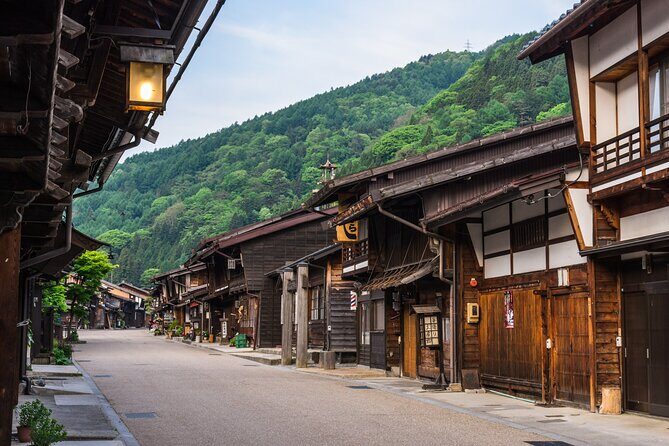
If you’re short on time but still want the heart of the Nakasendo, this day trip does a smart job of compressing the experience. Magome-juku and Tsumago-juku are both post towns that served travelers in earlier centuries. What matters for your day is that they don’t feel like a theme park. They feel like living places with old streets, old buildings, and people going about their routines between the preserved storefronts.
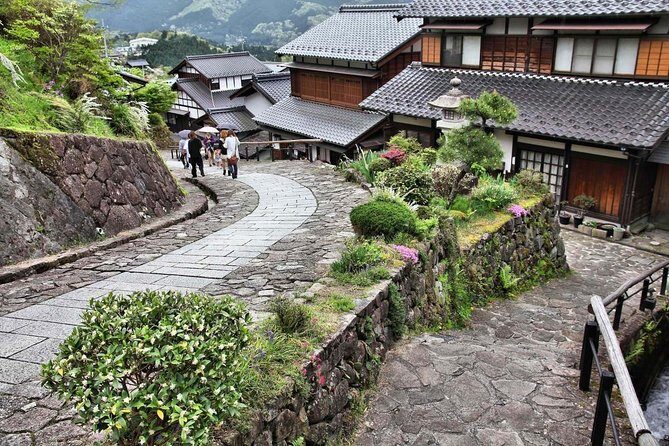
Magome is the more “uphill” town. You’ll wander along broad stone walkways lined with trees, and because it sits on a slope, the scenery keeps opening up. When you’re tired, you can pause and re-charge with a drink or a bite while looking out over the valley. When you’re fresh, you can press on through traditional houses and craft shops at street level, then head toward the little museums that explain how the town worked and who lived there.
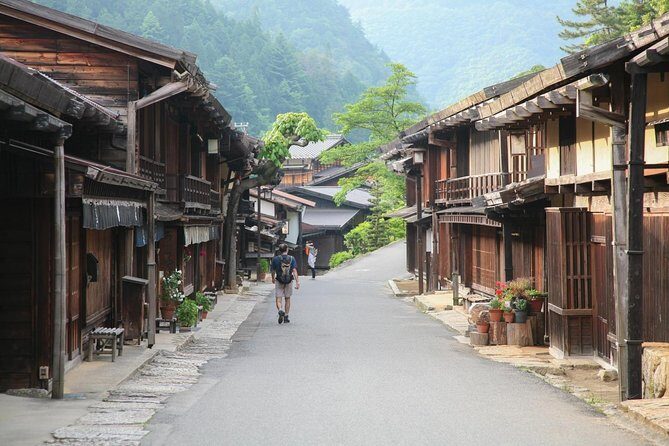
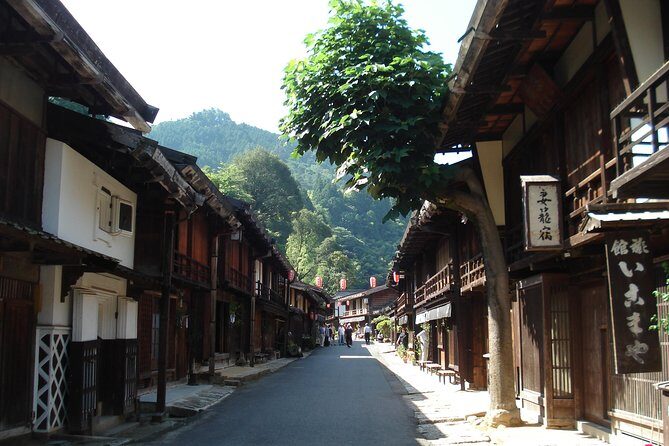
Tsumago is almost flat, which changes the rhythm. Instead of constant uphill-and-downhill effort, you get a slower stroll through unpaved streets and carefully hidden infrastructure. The town also keeps key Nakasendo-era buildings, including the Honjin (main inn for high-ranking visitors) and the Wakihonjin (secondary inn). And yes, Tsumago can feel especially quiet at night with lantern light, which is exactly the kind of atmosphere that makes people want to linger—just not too long if your schedule matters.
Other Magome-Tsumago Nakasendo walks near Gifu Prefecture
The private guide factor: making the walking meaningful (and not stressful)
This is a private tour, so the guide isn’t juggling other groups. That matters on the Nakasendo because small turns, old signage, and local details can be hard to interpret if you’re doing it on your own. With a licensed local English-speaking guide, you can ask questions in real time and get straight answers instead of guessing.
A few things I’d treat as real practical value:
- You’ll get help reading the old town layout as you walk, so you understand why certain buildings or street features matter.
- You can take breaks exactly when you need them, not when the clock says so.
- The day can be customized to your interests, whether you care more about daily life, historic travel, or architecture.
The guide named Yoshi comes up repeatedly in the experience feedback, and that lines up with what you want from this kind of day: someone who connects the town’s past to what you can actually see today. In one case, Yoshi even did a playful icebreaker—folding origami cranes before getting started. Another guide-style moment that shows up is sharing the experience through video, which sounds small, but it’s the kind of attention that can make you feel more guided (not just delivered) during the walk.
Magome-juku: slope views, traditional streets, and mini-stories in museums
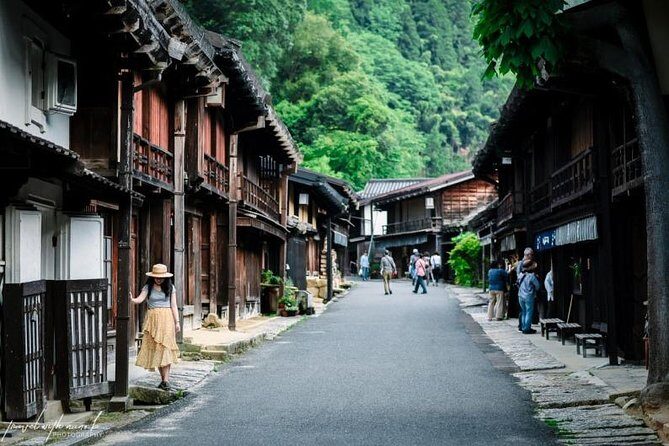
Magome-juku is where your day starts to feel scenic fast. The walk here is broad and stone-based, and you’ll move through a town that preserved and restored its streets in a distinctive way compared with Tsumago. The uphill slope is a big part of the experience. You’ll find spots where the valley opens up behind the houses and trees, and those pauses are worth scheduling in your head as part of your pace.
What I like about Magome is that it offers multiple “textures” of the same place:
- At street level, you get traditional houses and craft shops, so it’s easy to browse without committing to a big detour.
- Along the way, you’ll pass several small museums that focus on local history and the artists and residents who shaped daily life in the area.
- Near the top, you can stop for food and drinks with a view, so the break feels more like sightseeing than waiting around.
The only drawback is that Magome’s slope means your legs will work a bit more than you may expect if you’re thinking of it as a flat stroll. This doesn’t ruin the day, but you’ll want comfortable shoes and a steady pace.
If you’re the type who enjoys mingling—rather than only photographing the historic parts—there’s also an option to eat closer to the lower parts of the town where locals are more present. That’s a simple way to break the “tourist-only” feeling and see the town as something still used, not just displayed.
Tsumago-juku: preserved inns, unpaved streets, and the quiet mood of old Japan
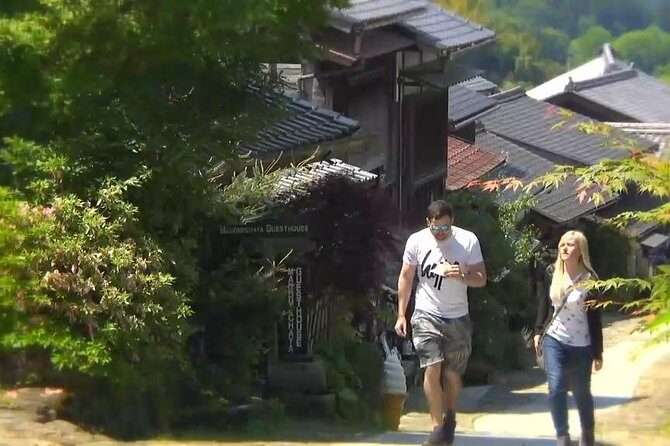
If Magome is the uphill opening act, Tsumago is the slower, steadier feeling that makes the day stick with you. The town is almost flat, so you can focus more on the details around you instead of fighting gravity the whole time.
Tsumago is famous for being one of the earliest historical preservation projects in Japan. The key on the ground is subtle: you’ll see unpaved streets, and you’ll notice that modern clutter is managed so the old ambience can carry through. That includes things like concealed cables, which is exactly the kind of behind-the-scenes choice that makes historic spaces look natural instead of patched.
Here are the specific sights that give Tsumago its identity:
- The Honjin, the main inn that welcomed merchants traveling the Nakasendo.
- The Wakihonjin, a secondary inn linked to the same tradition of hosting important travelers.
- A historic notice board area used to publish orders from the shogun.
- A Buddhist temple built in the 16th century, which adds a deeper layer beyond travel logistics.
One of the most practical tips here is timing your attention. Tsumago is often described as more charming at night, when lanterns light up and the area feels quieter. This day trip still works without a full night schedule, but it helps to keep the idea in mind: if you ever visit again, consider staying later to catch that mood.
Timing and “6 hours of walking” without getting fooled by the clock
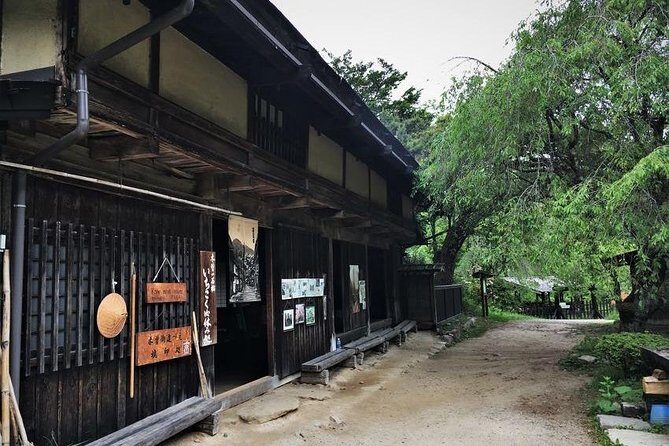
The tour runs about 6 hours in total. The expectation is that you’ll walk around 6 hours, but that doesn’t mean it’s nonstop marching from start to finish. Instead, it’s a walking-focused day with breaks built in for exploring the post towns—Magome-juku and Tsumago-juku each get their own time block—plus time for getting around via local bus segments.
This is where it helps to match your expectations to the tour type:
- This trip is a walking tour between the preserved town areas.
- It uses local buses as part of the route flow.
- It is not positioned as the exact full hiking course of the entire Magome-to-Tsumago Nakasendo trail.
And there’s a seasonal reality: hiking isn’t available from December through the end of February because of icy conditions. If you’re traveling in those months, you’ll want to double-check what kind of “walking” the day will include so you don’t show up expecting the trail style of hiking.
My advice: treat this as a solid day walk. Plan for hills (especially in Magome), bring water, and wear footwear that won’t complain after hours on stone and uneven ground.



Price and value: what $154.37 really buys you
At $154.37 per person, this isn’t a bargain-basement tour. But it also isn’t priced like a luxury day out. What you’re paying for is the combination that often costs extra when you plan it yourself:
- A licensed local English-speaking guide (the real “why” behind the sights).
- A private format, so you’re not rushing to keep up with a group.
- The ability to customize the day to what you care about.
Also, the tour includes a mobile ticket, which is one less thing to manage on the day. And there can be group discounts, which helps if you’re traveling with family or friends and can split the cost.
What’s not included is important for your budget planning:
- Transportation fees and other public transport costs (cash is needed).
- Lunch and any personal expenses.
- Entrance fees and sight fees outside what’s covered by the guide for listed stops.
Both town admissions are listed as free for the time you spend there, which is a nice relief. But you still need to budget for food and local transit. If you compare the total cost, this can still be good value because the guide helps you avoid the time sink of guessing your route and interpreting what you’re seeing.
How to plan your day: cash, busses, and choosing the right season

The biggest planning “gotcha” is cash. Public transport costs extra during the day, and you should bring enough yen for those rides. Japan can be easy for card payments in many places, but you don’t want your day to stall because you ran into a cash-only moment during the transit.
The second planning note is transportation style. This tour uses local busses and involves walking between the preserved areas. That means your day will feel like a guided stroll with transitions, not like a continuous trek on one trail.
Finally, season matters. From December through the end of February, hiking is not available due to icy conditions. Even if the towns are still worth visiting, you’ll want to avoid expecting the full trail hiking experience in winter.
If you want the longer hiking version, you’ll need a different option specifically described as the Magome & Tsumago Nakasendo Trail day hike with a government-licensed guide.
Who should book this private Magome and Tsumago walk?
This is a great match if you:
- Like walking and want a meaningful day that doesn’t require planning every detail.
- Want history and context, not just photos of old buildings.
- Prefer private attention so you can go at your own pace and ask questions.
- Have limited time and don’t want the full 5-day Nakasendo Trail commitment.
It’s less ideal if you’re mainly chasing a hard-core hiking experience on the actual trail route. This tour is walking-focused and uses local busses. If you want the trail itself as the centerpiece, pick the proper day hike option for Magome to Tsumago.
It also suits a wide range of travelers because most people can participate, and service animals are allowed. Since it’s a walking tour, though, comfort on stone and slopes matters.
Should you book this Magome & Tsumago private trip?
Book it if you want an easier, guided taste of the Nakasendo with time to really look at Magome-juku and Tsumago-juku. The private guide factor is the difference-maker: it turns the day from a simple walk into a story you can follow while you’re standing in the streets. If you’re the type who likes to understand what you’re seeing—why Honjin exists, what the notice board represented, why Tsumago’s preservation choices matter—this format pays off.
Skip it (or choose a different option) if you want the full trail hiking experience, especially in winter. And go in knowing you’ll handle extra transit costs in cash, and lunch is on you.
If your goal is a smooth, meaningful day between two preserved post towns, this is a strong choice.
FAQ
How long is the Magome & Tsumago private trip?
The tour is about 6 hours.
How much walking should I expect?
Expect to walk for about 6 hours.
Is this tour a full Nakasendo trail hiking course?
No. This is not a hiking course. The day uses local busses, and it’s described as a walking tour. If you want the Nakasendo Trail hike, you’ll need to book the dedicated Magome & Tsumago Nakasendo Trail Day Hike option with a government-licensed guide.
What are the main stops?
You’ll visit Nakasendo Magome-juku and Nakasendo Tsumago-juku.
Are admission tickets required for the towns?
Admission tickets for both stops are listed as free.
Is the guide English-speaking and licensed?
Yes. The tour includes a licensed local English-speaking guide.
Do I need cash for the tour?
Yes. You should bring cash to pay for public transport, which costs extra.
What’s included in the price?
It includes the licensed local English-speaking guide and a meet-up on foot at a designated meeting point. It does not include transport fees, entrance fees, lunch, or personal expenses.
Is the tour available year-round?
Hiking is not available from December until the end of February due to icy conditions.
Can I cancel for a full refund?
You can cancel for free up to 24 hours in advance for a full refund. If you cancel less than 24 hours before the start time, the amount paid is not refunded.