Two and a half hours can change your view of rural Japan. This Hida Furukawa cycling tour keeps the group to eight people max, so your guide can answer questions and slow down when something is worth a closer look. I especially like the locals-only stops built into the route, where you’re not just passing scenery but actually meeting people and learning how daily life works in the Hida region. Guides such as Nanami and Marino are the kind who connect what you see—rice farming, old folk houses, local plants and wildlife—to stories you can carry with you.
One possible consideration: there’s no bike basket, so you’ll want a small daypack to carry what you need (and plan for the fact that food beyond snacks and drinks beyond coffee/tea is not included).
In This Review
- Key Highlights You’ll Care About
- Starting at the Furukawa Office: 10:15 AM, Bikes, Helmets
- Pedal the 12km Satoyama Loop: Town, Farms, and Mountains
- Locals-Only Stops: Markets, Shrines, and Spring Water Moments
- Tea and Snacks: The Fuel for a Gentle Morning Ride
- What’s Included, What’s Not, and the No-Basket Reality
- Value Check: Why This $161.18 Morning Can Be Worth It
- Rain, Languages, and Comfort on a 12km Route
- Who Should Book This Hida Morning Ride
- Should You Book This Short Morning Cycling Tour in Hida?
- FAQ
- How long is the cycling tour?
- How many people are in the group?
- Where does the tour meet?
- What’s included in the price?
- Are meals included?
- What are the age and height requirements?
- What’s the cancellation policy?
Key Highlights You’ll Care About
- Small-group limit (max 8) means more conversation and less waiting around.
- Mostly flat, gentle pacing makes it realistic even if you don’t bike much.
- Route includes local market time and chances to chat with residents.
- Tea/snack break is part of the rhythm, not a rushed add-on.
- Rain-ready support may include full waterproofs if the weather turns.
Starting at the Furukawa Office: 10:15 AM, Bikes, Helmets
The tour meets at the Furukawa office area in Hida (11-32 Furukawachō Ninomachi, Hida, Gifu 509-4235). Departure is set for 10:15 AM, and you’ll get rolling with a friendly local guide who shares history and culture as you ride. Expect a smooth start: you’ll be fitted with a bicycle and a helmet, and you’ll have insurance covered as part of the package.
A small but meaningful detail is the guide-led pacing. In this area, the whole point is not speed. It’s stopping often enough to actually register what you’re seeing—like the way old houses sit alongside fields, or what’s happening in farm life before the day gets loud.
If you’re worried about language, you’re not stuck. The guides referenced in past tours include English-speaking staff, plus French-speaking guides like Ryoto, so you’re more likely to get clear explanations than you would on your own.
Other cycling tours in Gifu Prefecture
Pedal the 12km Satoyama Loop: Town, Farms, and Mountains
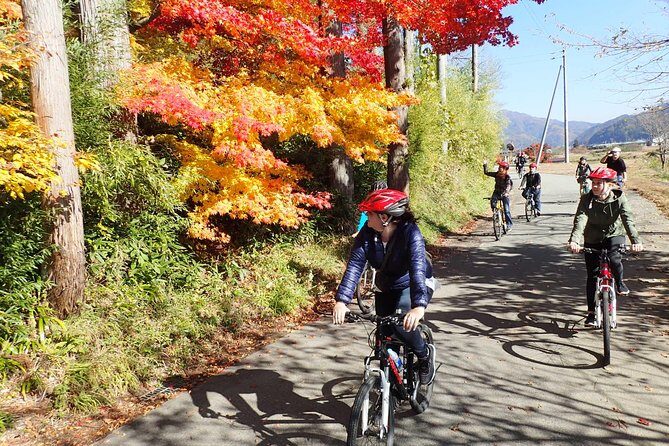
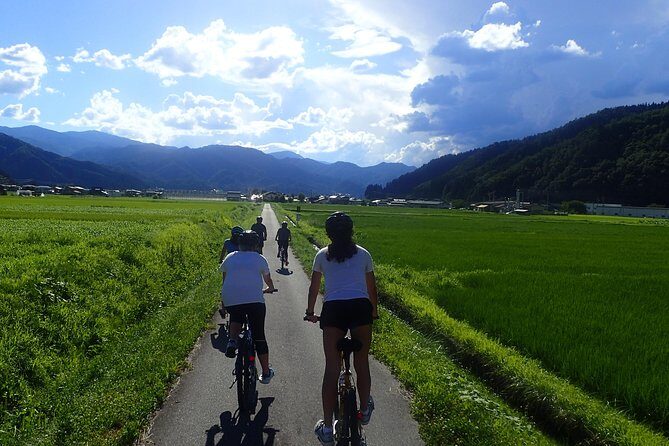
This is a 2 hours 30 minutes outing on a mostly flat course, built around a roughly 12km route. That mix matters: it’s long enough to feel like you left the tourist bubble, but not so long that you’ll be counting every pedal stroke. Reviews consistently describe the ride as gentle, and even non-bike fans found it manageable.
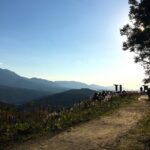
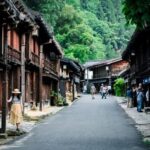
As you leave town, the scenery shifts into classic Satoyama rhythm: farming villages, rice fields, and mountains pressing in from the edges. You’ll ride through places that feel lived-in rather than staged. One of the best parts is the slow reveal—peaceful streets first, then the wider view of fields and old folk houses, with everyday farm details you’d miss if you only walked or drove past.
You’ll also see how the Hida region organizes space. Rice paddies and vegetable growing show up as practical systems, not just pretty photos. It’s the kind of route where your guide can point out what to notice, like seasonal plants or wildlife you might overlook from a bus window.
Locals-Only Stops: Markets, Shrines, and Spring Water Moments
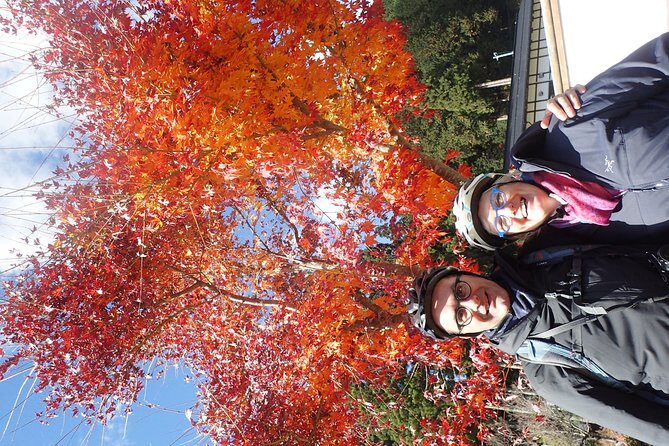
The ride is scenic, yes. But the tour’s real value is the time spent on stops that most visitors skip. Along the way, you make several planned breaks where you can buy local food, see everyday life up close, and speak with residents.
One common highlight is a local market stop where you can spot regional produce—think vegetables in season lined up clearly, and the casual way people buy what they need. This is where your trip shifts from spectator mode to participant mode. Even if you don’t speak Japanese, you’ll get the meaning through your guide’s explanations and the simple act of asking questions.
Some routes also include spiritual and nature touches. Past tours mention visits to shrines and even moments like drinking spring water, plus a small waterfall stop on certain days/routes. If you’re trying to understand why Hida life feels tied to land and cycles, these are the kinds of pauses that do that work without turning the day into a lecture.
Practical note: your route will likely be calm, but it still involves getting on and off the bike at stops. Wear shoes you can walk in comfortably, and keep your hands free for holding your helmet or small items while the group groups up again.
Tea and Snacks: The Fuel for a Gentle Morning Ride
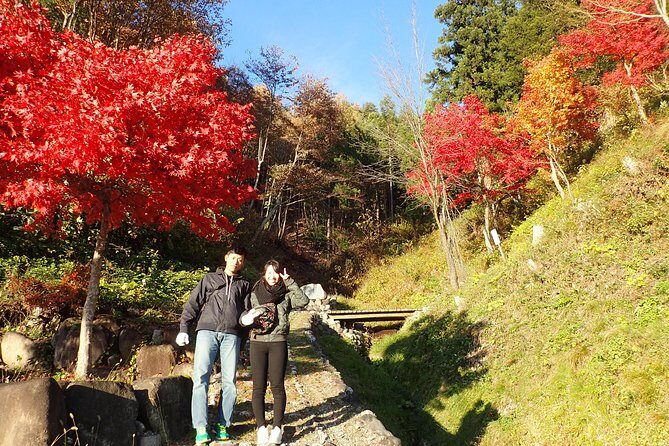
Food here is intentionally simple. Snacks and coffee and/or tea are included, but meals aren’t. That’s a good setup for a morning tour because you get enough fuel to keep you comfortable through the ride, yet you’re not getting stuck in a long sit-down meal that steals time from the outdoors.
In several accounts, the middle of the tour includes a tea break that feels natural—like a rest stop you’d find in real local life, not a tourist-only cafe detour. It’s also a chance to regroup, hydrate, and ask your guide follow-up questions while everyone’s settled.
Since drinks beyond coffee/tea aren’t included, I’d treat this like a morning you plan for. Bring a small bag with your essentials, and if you know you’re someone who gets thirsty fast, consider adding a personal water bottle plan. The tour will cover coffee/tea and snacks, but you’ll control the rest.
What’s Included, What’s Not, and the No-Basket Reality
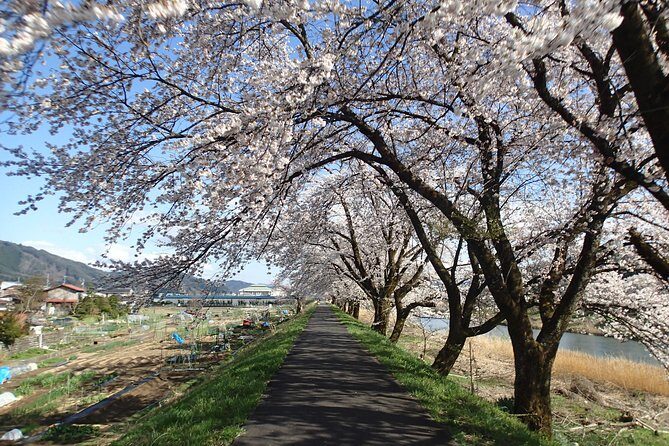
Here’s the clean breakdown. Included are the local guide, bicycle, helmet, insurance, local taxes, and the snack + coffee/tea stop. Those inclusions matter because they remove a chunk of decision-making: you don’t need to arrange rental bikes, helmets, or insurance on your own.
What’s not included is also important. There’s no basket attached to the bike, and the listing notes that food and drinks beyond what’s provided aren’t included. So you’ll want a compact bag for essentials. If you plan to take photos, keep in mind you’ll likely stop more often than you think, and you don’t want to juggle gear each time.
If the weather changes, watch for rain support. Past tours describe full waterproofs being provided when needed, and guides staying cheerful in pouring rain is a theme. Still, you’ll feel more comfortable if you show up prepared with a light layer or rain plan of your own.
Value Check: Why This $161.18 Morning Can Be Worth It
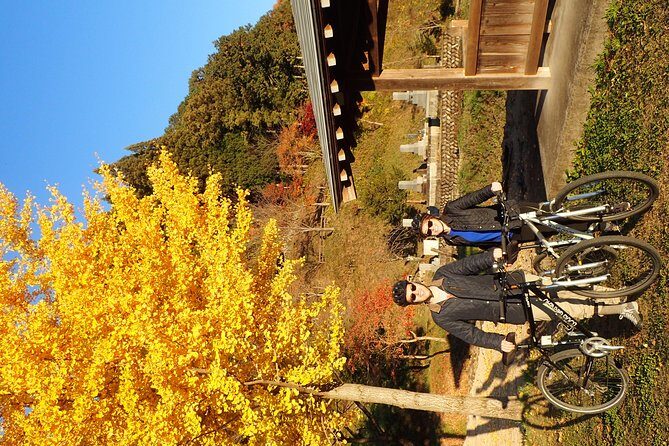
At $161.18 per person for roughly 2.5 hours, this isn’t the cheapest activity. But it’s not just “bike rental with a map.” You’re paying for guide time, instruction-like support (bikes and helmets provided), and the ability to access locals-only stops without figuring it out yourself.
The small-group limit (max 8) is where the price starts to make sense. A bigger group tour often turns into a bus ride with bikes. Here, your guide can slow down, explain what you’re seeing in real terms, and make sure you’re not left behind during stops.
There’s also practical value in how far in advance people book. The tour is commonly reserved around 65 days ahead, which usually means demand is real. If you’re aiming for a specific date, that’s your cue to lock it in early rather than hoping.
If you’re traveling with friends or family, look for the group discount option listed for this experience. That can reduce the per-person hit without turning your day into a crowded ordeal.
Rain, Languages, and Comfort on a 12km Route
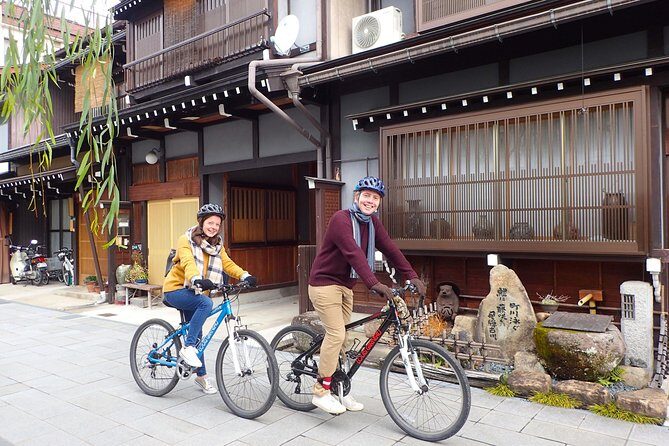
This route is described as easy-going and appropriate for most travelers, and the minimum age is 6 years with a height requirement of about 125 cm. A past family trip even included a six-year-old joining on a private tour, which tells you the pace is designed to be manageable.
What about weather? One reviewer experience stood out: the guide handled pouring rain and the company provided full waterproofs. That’s reassuring because Japan weather can shift fast, and a bike day is easier when you don’t have to improvise gear.
Language is another comfort factor. Reviews mention guides who speak English very well, along with guides francophone like Ryoto. In real terms, you’ll spend less time guessing what something is and more time understanding why it matters.
Who Should Book This Hida Morning Ride
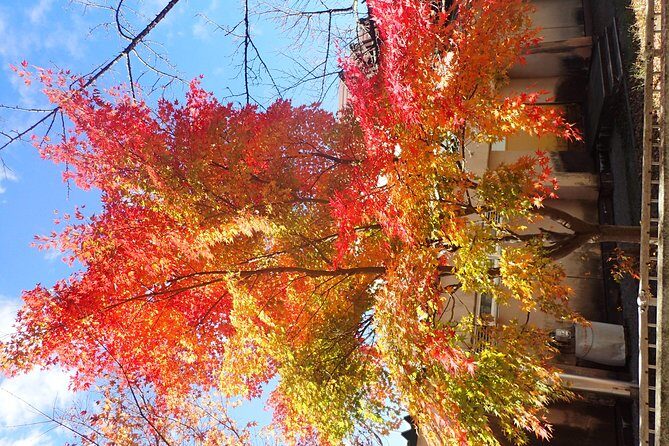
This is a strong fit if you want rural Japan that feels practical, not staged. You’ll like it if you care about how people grow rice and vegetables, how neighborhoods stay connected to land, and how history shows up in everyday details like old houses and local shrine culture.
I’d also point you toward this tour if you’re a bit intimidated by self-guided rural travel. Even with buses and trains nearby for getting to the area, figuring out where to go and how to connect with locals takes time. A local guide compresses that into a short morning.
If you’re the type who needs a lot of intense cycling or long-distance challenge, this might feel too gentle. This one is about exercise + relaxation, not endurance training.
Should You Book This Short Morning Cycling Tour in Hida?
If you want an active morning that still leaves room for conversation and local stops, I’d say yes. The combination of a small group, a mostly flat 12km ride, and included snacks plus coffee/tea makes it easy to say: this is good value for the access you get.
Book it particularly if you’ll be in Gifu Prefecture and want Hida Furukawa in a way that’s more human than scenic-drive. Guides like Nanami, Marino, Ryoto, Miyuki, and Akiko show up consistently in feedback, and the recurring theme is clear: you come away understanding the place, not just seeing it.
FAQ
How long is the cycling tour?
The tour runs for about 2 hours 30 minutes.
How many people are in the group?
The group size is capped at a maximum of 8 people per booking.
Where does the tour meet?
You meet at 11-32 Furukawachō Ninomachi, Hida, Gifu 509-4235, Japan (at the Furukawa office area).
What’s included in the price?
Included are a local guide, bicycle use, helmet use, insurance, local taxes, snacks, and coffee and/or tea.
Are meals included?
No. Food and drinks are not included (snacks and coffee/tea are included).
What are the age and height requirements?
Minimum age is 6 years, with a minimum height of about 125 cm.
What’s the cancellation policy?
You can cancel for a full refund up to 24 hours in advance of the experience’s start time.