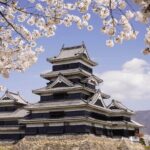
Hot springs, monkeys, and temple bells in two days. This private Nagano experience strings together Jigokudani Snow Monkey Park and Zenko-ji, then adds the cozy rhythm of a traditional ryokan stay with onsen access. It’s also designed to feel low-stress: a guide handles the hard parts on Day 1, and you get a freer Day 2 to shape your pace.
I especially like that you’re not just sightseeing. You’re stepping into a Nagano day with built-in timing and entrance coverage, including the key sites (Jigokudani and Zenko-ji) and an overnight in a ryokan. I also like the human touch—some previous groups were guided by people like Wei Wei, Fan, Ilhom, and Hiroaki Horiuchi-san, and the consistent thread is practical, friendly explanations and help with local food.
One consideration: the snow monkeys are wild animals. If you visit in warmer months, they may not bathe as often, so you should treat bathing as a bonus, not a guarantee.
In This Review
- Quick takeaways
- Jigokudani Snow Monkey Park: wild hot-spring antics, even in warm months
- Zenko-ji Temple and Obuse: how Nagano’s center of gravity feels old
- Day 1 logistics: why a private guide makes Nagano feel easier
- Ryokan night and onsen access: the real reason this tour is worth it
- Day 2 freedom: planning your second day around Hakuba Happoone or other options
- Price and value: what you’re paying for at $489.55 per person
- Who this Nagano private tour is best for
- Important practical notes before you go
- Should you book this Nagano Private Two Day Tour?
- FAQ
- How long is the Nagano Private Two Day Tour?
- What’s the meeting point and start time?
- Is there a tour guide on both days?
- What does the tour include?
- What is not included in the price?
- Is the onsen private?
- Can I see snow monkeys in warmer months?
- Are there any age requirements?
- What is the cancellation policy?
Quick takeaways
- Jigokudani Snow Monkey Park: wild Japanese macaques in a natural hot-spring setting, with season-dependent bathing
- Zenko-ji Temple: a major Buddhist site built in the 7th century, with Nagano’s story tied to the temple
- Ryokan + onsen access: an overnight in traditional Japanese lodging, with hot-spring time included (private option costs extra)
- Guide only on Day 1: you get a local host when it matters most, then free exploration on Day 2
- Practical pace: moderate walking, weather-friendly routing, and non-smoking ryokan rooms (smoking areas outside)
Jigokudani Snow Monkey Park: wild hot-spring antics, even in warm months
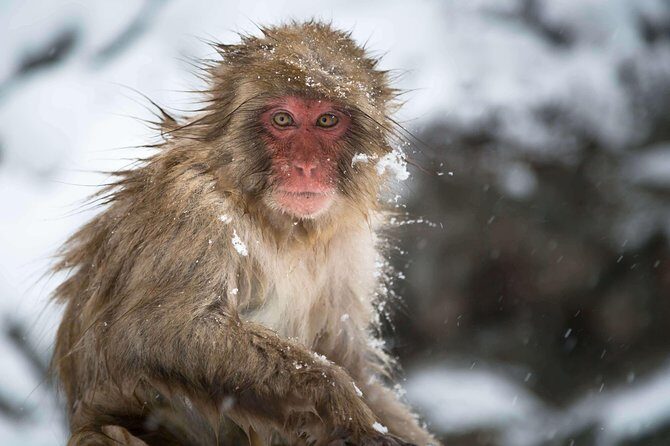
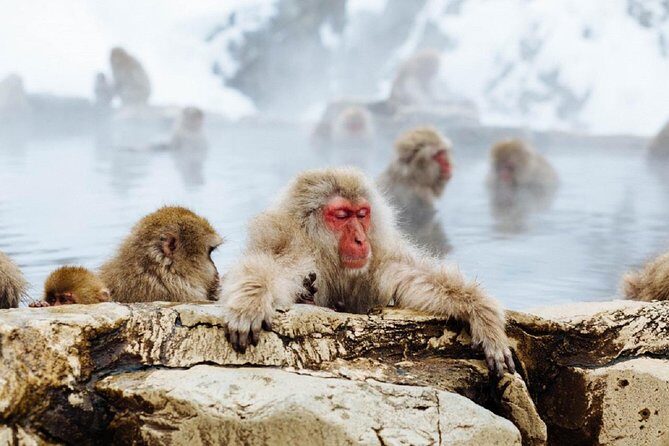
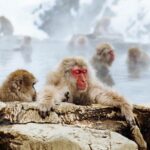
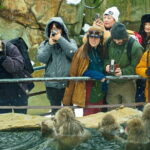
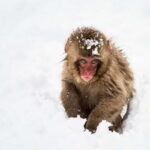
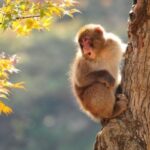
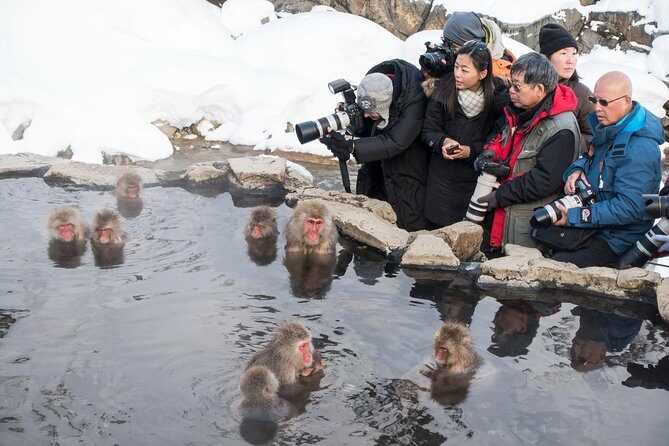
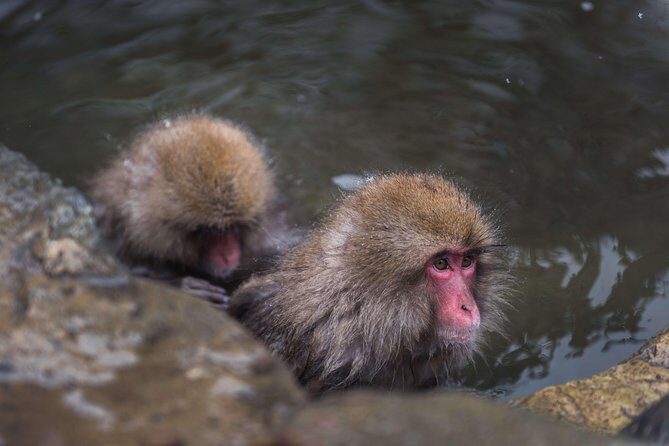
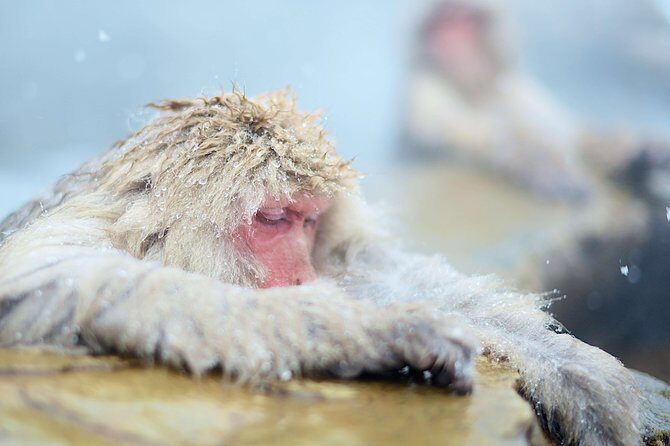
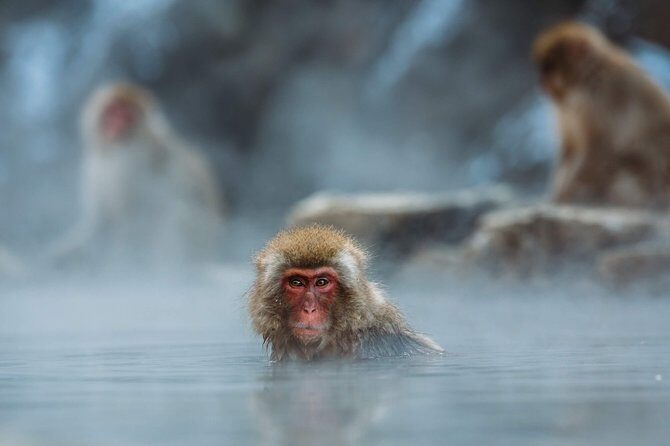
Jigokudani Snow Monkey Park is the kind of place that makes Nagano feel specific. You’re not just looking at animals—you’re watching Japanese macaques hang around a natural hot-spring area, where the whole vibe is part nature show, part slow-motion spa day.
This stop is built into your Day 1 with a set time window (about 40 minutes) and admission included. The practical win is that you won’t waste time figuring out tickets and logistics before you even get there.
The main thing to know is timing and season. In colder months, the snow monkeys tend to bathe more often to stay warm. In warmer seasons, snow melts earlier and the monkeys may not go into the baths as frequently. You might still see them swim when staff gives lunch, and on sunny days they can be more active and move around the park—but their behavior is still unpredictable, because they’re wild.
What you can do to make this work: dress for changing conditions and bring comfortable walking shoes. Also, go with a mindset that you’re visiting an animal hot-spring area first, and hoping for bath-time action as the best-case scenario.
Other Nagano tours and day trips

Zenko-ji Temple and Obuse: how Nagano’s center of gravity feels old
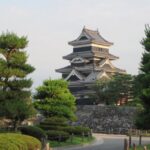
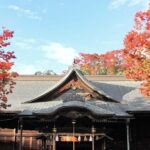
After Jigokudani, the tour shifts from animal energy to cultural grounding. Zenko-ji Temple is located in Nagano city and traces back to the 7th century. The modern city of Nagano grew from a town that formed around this temple, so it helps you connect the dots between a living city and a site with long roots.
You’ll spend around 40 minutes here, and entry is included. Expect a classic temple visit with a layout that’s easy to follow, especially with a guide to point out what matters and how to navigate calmly.
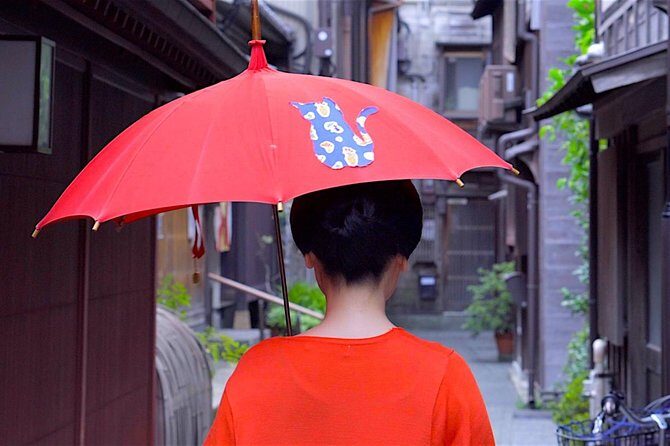
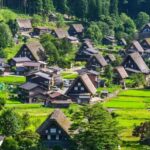
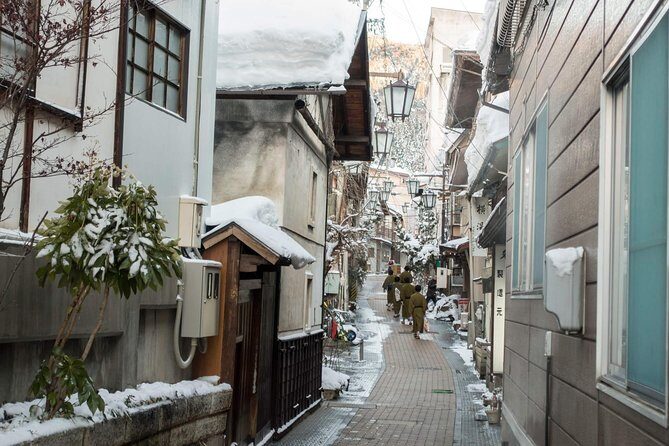
Then you’ll head to Obuse, a small historic town in Nagano. This is the part of the day that feels like exhale time. Rather than rushing from landmark to landmark, Obuse gives you a slower streetscape feel—perfect for wandering, people-watching, and snack-hunting even if lunch isn’t included in the tour package.
If you like your travel days to have a mix—big attraction plus a human-scale town stop—this pairing is smart. Monkeys in hot springs, temple history, then a walkable older town. That’s a real sequence, and it avoids the common problem of a day that’s all one-note sightseeing.
Day 1 logistics: why a private guide makes Nagano feel easier
This tour is private, meaning it’s only your group. It’s not a crowded bus situation where you’re constantly negotiating timing with strangers.
The guide is most active on Day 1. You start at Nagano Station (Kurita), at 8:45 am, and the guide leads you through the key sights and supports you with practical decisions along the way. Transportation within Nagano City is covered on Day 1, with options ranging from public transport to chartered vehicle depending on what you book.
That matters more than it sounds. In Japan, the difference between “we figured it out” and “we’re getting where we need to go” is time and stress. With this setup, you can focus on the sights—like when to step into a viewing area or how to keep your energy steady before the ryokan check-in.
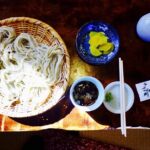
In the best-rated experiences, guides made room for conversation and local taste. Some groups got to enjoy a local soba stop selected by their guide, and there were also moments of tasting local drinks such as sake in the overall day flow. Your guide’s style may differ, but the goal stays the same: help you see more without turning the day into a checklist drill.
Ryokan night and onsen access: the real reason this tour is worth it
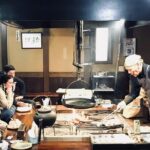
This is where the trip stops feeling like a standard sightseeing package and starts feeling like a Japanese experience. You get an overnight in a ryokan, with a baseline rating of 3-star, plus the option to upgrade to a 4- to 5-star hotel at checkout.
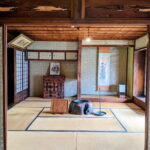
Ryokan life can be simple and cozy if you know what to expect. Rooms are non-smoking by default, with designated smoking areas outside. The onsen experience is included, but it may be inside the hotel or in the ryokan area, and it might not be connected directly to your room. The good part: you still get access to hot-spring time, even if your specific room doesn’t open straight into the bath.
If you want a more private setup, there’s an add-on: a private onsen experience at the ryokan, typically around 1,500 to 2,500 JPY for about 1 hour. That’s useful for couples who want quiet time or small families who prefer less sharing, but it’s not required to enjoy the ryokan stay.
Also, remember that meals are not included. Breakfast and dinner are usually part of many ryokan stays, but your package specifically says lunch, snacks, and drinks are not included, so plan on budgeting for food beyond what’s provided.
For families, the ryokan rules can matter. Children ages 1 to 5 sleep in the same bed or futon with parents, with a separate futon available for an additional cost if needed. Those details can save you confusion later.
In short: this tour gives you the cultural “night” you’d otherwise have to plan separately, and it does it without turning the day into a logistical puzzle.
Day 2 freedom: planning your second day around Hakuba Happoone or other options
Day 2 is where you stop being in a timeline and start being in control. Your tour includes a free day without a tour guide. That means you can choose what you care about most—relax, shop a bit, or expand into a neighboring area.
The itinerary notes Hakuba Happoone Winter Resort on Mount Karamatsu as a possible Day 2 stop. It’s known as a ski resort and also tied to the 1998 Winter Olympics, including events like alpine skiing downhill and super-G style races. If you’re visiting in winter or you’re the type who enjoys “place-based” sports history, it’s a compelling option.
But since Day 2 is free-form, you’ll want to think about your travel style:
- If you want maximum structure, pick the planned Day 2 add-on option you like best at booking time.
- If you want spontaneity, use the morning to get your bearings and then choose the day-trip direction that fits weather and crowds.
One more note: comfortable walking still helps. Even if Day 2 is free, you’re in an active part of Japan, and shoes will earn their keep.
Other private tours in Nagano

Price and value: what you’re paying for at $489.55 per person
At $489.55 per person, this is not the budget route. The value comes from bundling a few expensive-in-time parts: a private guide on Day 1, entrance fees for the major sites, ryokan lodging, and onsen access.
Here’s the practical way to judge it: price isn’t just “how much did I pay” here. It’s “how much I avoided paying in time and confusion.” If you’ve ever tried to DIY snow monkey logistics plus a ryokan plus temple timing, you know how quickly the day can become stressful.
Also, there are upgrades and customization knobs:
- You can upgrade to include private transport and/or a 4- to 5-star hotel.
- You can consider private onsen if you want a quieter bathing experience.
So the best value is often for travelers who want the structure of a guided itinerary for Day 1, but don’t want to spend every minute tightly scheduled. You get the anchors (monkeys, Zenko-ji, Obuse, ryokan) and then you steer on Day 2.
Who this Nagano private tour is best for
This tour fits best if you want an efficient, guided start plus a genuine Japanese night.
I’d especially steer you toward it if:
- You’re short on time in Nagano and want the key sights handled.
- You prefer a local guide for navigation and context on the first day.
- You value the ryokan experience enough to let someone else organize it.
It also works for families, as long as everyone is comfortable with moderate walking and you plan for the ryokan sleeping and meal details for young kids. The tour notes that age ranges are allowed for all ages, but each person needs a booking, and at least one person must be 18 or older in the private group.
If you’re the type who loves planning every bus transfer and figuring out temple routes without help, you might feel this is more structure than you need. But if you want a smoother trip with fewer moving parts, this is one of the more sensible ways to see Nagano without turning your vacation into admin work.
Important practical notes before you go
A few details can help your trip go smoother:
- You’ll need to provide birth date at booking, and you need a valid passport on the day of travel.
- The tour operates in all weather conditions, so pack for wet or cold days and dress appropriately.
- You’ll receive tickets in a mobile format.
- Confirmation timing depends on when you book. If you’re close to departure (within 7 days), confirmation arrives within 48 hours subject to availability.
If you’re also traveling from Tokyo, there’s an add-on option to handle bullet train tickets from Tokyo. In that case, tickets are sent to your Tokyo hotel, and you provide hotel name and stay dates in Tokyo.
Finally, treat snow monkeys as a nature experience, not a guaranteed performance. Your odds are better in colder seasons, but even then, you’re still watching wild animals.
Should you book this Nagano Private Two Day Tour?
Book it if you want a stress-reduced Nagano plan that covers the big hits and gives you the ryokan-on-schedule experience. The combination of Jigokudani Snow Monkey Park, Zenko-ji, an Obuse town break, and an overnight with onsen access is the main draw, especially if you’d rather spend energy on enjoying Japan than chasing logistics.
Skip or rethink it if you’re traveling in warm months and your only goal is monkey bath-time every moment. You can still see monkeys, but bathing frequency can drop. And if you want a fully DIY Day 2 with no add-ons, you might find this tour is more structured than you want.
If you’re the middle ground—want a guide when it matters, then freedom to wander—this is a strong match.
FAQ
How long is the Nagano Private Two Day Tour?
It runs for about 2 days.
What’s the meeting point and start time?
You start at Nagano Station (Kurita, Nagano, 380-0921, Japan) at 8:45 am.
Is there a tour guide on both days?
A guide is included for Day 1 only. Day 2 is a free day without a tour guide.
What does the tour include?
It includes a private tour with a local guide on Day 1, transportation within Nagano City on Day 1 (public transport or chartered vehicle options), a ryokan overnight, entrance fees for Jigokudani Snow Monkey Park and Zenko-ji Temple, and onsen (hot spring) access at the hotel/ryokan area.
What is not included in the price?
Lunch, snacks, and drinks are not included, along with optional/add-on activities on Day 2 and a private onsen experience.
Is the onsen private?
The included onsen experience is at the hotel/ryokan area, and it may not be connected to your room. A private onsen experience is available for an additional cost (typically around 1,500 to 2,500 JPY for 1 hour).
Can I see snow monkeys in warmer months?
You may still see snow monkeys, but they may bathe less often as winter snow melts. Their behavior is unpredictable, so bath-time isn’t guaranteed.
Are there any age requirements?
Guests of all ages can attend, but each person must have a booking. Adult pricing applies to ages 12–99, child pricing to ages 6–11, and young child pricing to ages 1–5. At least one person must be 18 or older.
What is the cancellation policy?
The provided policy states the experience is non-refundable and cannot be changed for any reason.