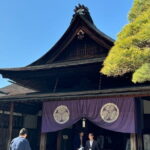
Takayama is small, but it packs a punch. This 4-hour private tour gives you a licensed local guide in English who helps you steer through the town’s Edo-era streets, festival-world sights, and morning markets, without wasting time. I especially love the way the plan lets you choose 2–3 stops instead of being dragged through a checklist. I also like how the guide turns buildings and objects into stories you can actually picture. One possible drawback: because it’s a walking tour, you’ll want comfortable shoes and a weather-ready mindset.
I’ve seen a lot of praise tied to specific guides, including Yuko, Lily, Yuki, Yuriko, Annie, Yoshi, Mitsu, Yoko, and Tatsuya Ito. The common thread is pacing and attention to what you care about, from festival floats to food stops like Hida beef and the kind of small finds you only notice when someone local points them out. If you’re hoping for a fixed route with entrance tickets fully covered, keep expectations flexible because several museum and hall admissions are not included.
In This Review
- Key takeaways before you go
- Why Takayama’s festival culture plays so well on a half-day
- How the 4-hour private tour actually works (2–3 stops)
- Old Town Sanmachi Suji to Higashiyama temple streets
- From Hida Folk Village to Jinya: rural traditions and Tokugawa power
- Yatai float museums and the Miyagawa market morning
- Temples, shrines, and the Showa-era museums for a different mood
- Price and logistics: is $122.23 per person good value?
- Who should book this private Takayama half-day?
- Should you book this tour or skip it?
- FAQ
- FAQ
- How long is the Takayama half-day private tour?
- Is this tour private or shared?
- Can I customize which places we visit?
- Is there pickup, or do we meet somewhere on our own?
- Is it a walking tour?
- Are entrance fees included?
- Can I get a full refund if I cancel?
Key takeaways before you go

- Private and customizable: you pick 2–3 sites from the available options for your own route and tempo
- Licensed English guide: you get explanations tied to Takayama’s systems—merchant life, temples, and the Tokugawa era
- Festival focus without the crowds: float museums and shrine-area stops help you understand Takayama’s biggest seasonal event
- Morning market time is built in: Miyagawa Market runs daily from around 7:00 (8:00 in winter) to noon
- Many stops are free: several sights have free admission, while a handful of museums/halls are paid separately
- Walking tour, meet on foot: pickup is offered on foot within a designated area, so plan around walking between points
Why Takayama’s festival culture plays so well on a half-day
Takayama’s famous for its festival floats, the yatai. The trick is that you don’t just need to see the floats—you need context. On this kind of tour, that context lands fast because you’ll move between the old town, shrine/festival areas, and museums that explain what you’re looking at.
This is also a good way to get your bearings. In a place where streets can look similar at first glance, a licensed guide helps you spot what matters: which area tells the merchant-story, which building reflects government control, and where festival culture sits in the town’s layout.
Other Takayama walking tours and old-town experiences
How the 4-hour private tour actually works (2–3 stops)
The big value here is choice. Even though there’s a long list of possible stops, your tour is built around selecting 2–3 sites from the set of highlights. That matters because Takayama rewards attention. If you try to do everything, you’ll just rush. If you pick well, you’ll leave with a “now I get it” feeling.
Timing is built on short visits at each stop (often around 10–30 minutes, depending on the place). That’s ideal for a half-day because you can combine:
- one walkable old-town moment (like Sanmachi Suji),
- one culture/history stop (like Jinya or Hida no Sato),
- and one festival/food anchor (like the Miyagawa Morning Market or a float-related hall).
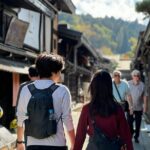
You’ll also meet your guide on foot within a designated area of Takayama. Since it’s not a private van tour, you’ll want to show up ready to walk and ready to pause. A guide’s best work happens when you can stop, look, and ask questions.
Old Town Sanmachi Suji to Higashiyama temple streets
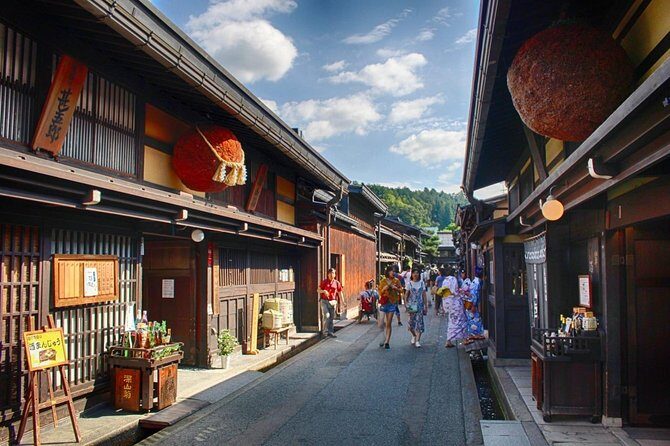
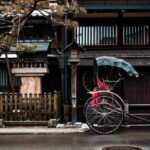
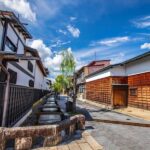
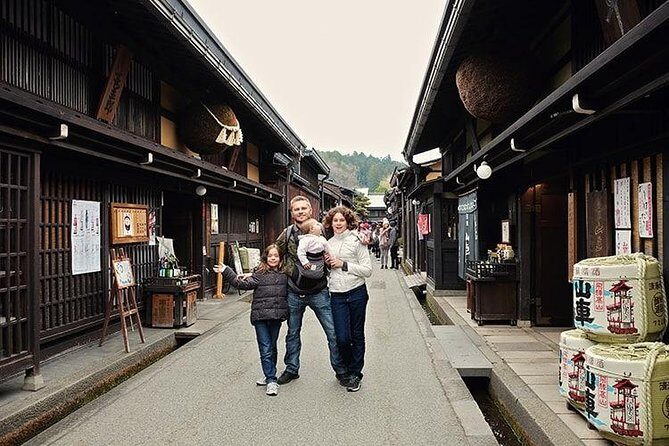
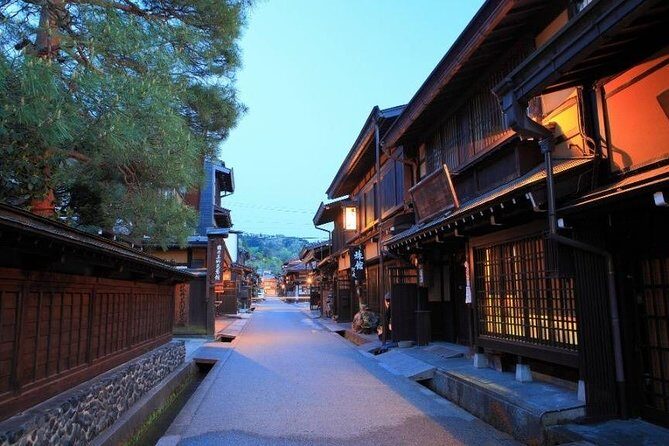
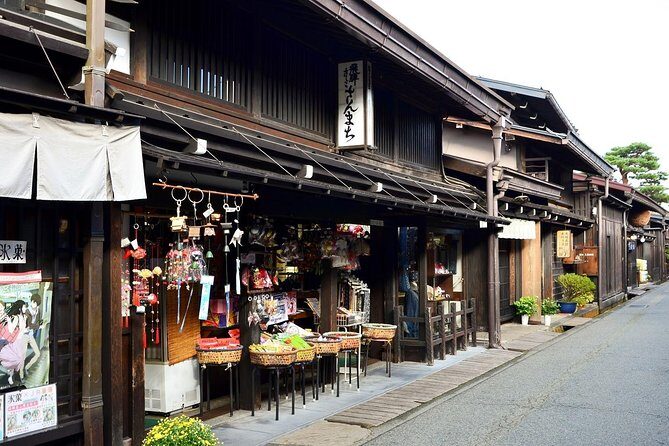
Start with the streets, because that’s where Takayama feels real. Sanmachi Suji is the go-to Edo-period merchant lane: old houses and shops, with local specialties in storefronts that look the way they did centuries ago. Even if your time here is short (it’s often around 15 minutes), it gives you a visual baseline for everything else.
Then you can switch moods with Higashiyama Walking Course (Higashiyama Yūhodō). This is a pleasant walk through the temple town area (Teramachi), plus Shiroyama Park and wooded viewpoints. If you like quiet corners and greenery, this is one of the best places to slow down without feeling like you’re wasting time.
Practical tip: if you go from Sanmachi Suji to a walking-course stop, wear shoes that can handle uneven stones and stair steps. This is a “see, stop, walk, look again” kind of tour.
From Hida Folk Village to Jinya: rural traditions and Tokugawa power
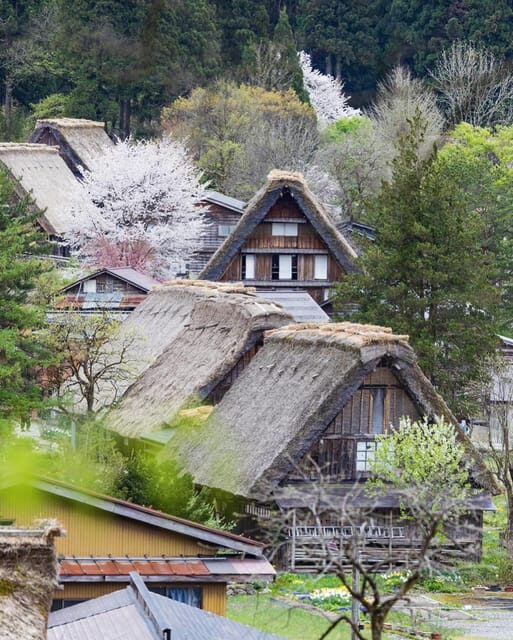
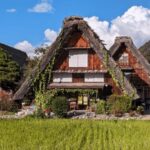
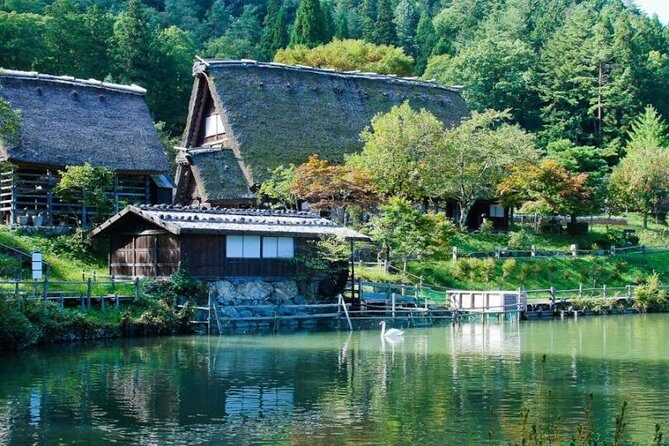
If old streets are Takayama’s face, then Hida Folk Village (Hida no Sato) is one of its deeper stories. It’s an open-air museum with over 30 traditional houses from the Hida region. You get the sense of how people lived in mountainous Gifu—how buildings relate to daily life, and how regional identity shows up in architecture.
A great pairing is adding Takayama Jinya. This served as the local government office when the Tokugawa Shogunate brought the Hida area under direct control in 1692, largely because the region’s timber resources were valuable. The effect is powerful: you go from merchant-era street life into the system that organized power and resources.
Two things to watch:
- The folk village stop is listed with free admission, but Jinya is not included in admission for the tour.
- These stops are short, so ask your guide for the one or two details you should pay attention to first. If you do, you’ll get more out of the limited time.
Yatai float museums and the Miyagawa market morning
Takayama’s festival culture can feel abstract until you connect the pieces. That’s where the float-related museums and halls earn their keep.
One option is Matsuri no Mori (Festival Forest Museum) under the Hida Takayama Art and Festa Forest. It features full-sized replica festival floats (yatai). Even if you’re visiting outside festival season, this is how you get the “shape and scale” of what locals rally around.
Another option is Takayama Festival Floats Exhibition Hall (Yatai Kaikan). It’s timed to festival seasons—spring (April 14 and 15) and autumn (October 9 and 10). The hall helps you understand why the Takayama Festival is ranked among Japan’s three most beautiful festivals.
For food and local rhythm, build in Hida-Takayama Miyagawa Morning Market. It runs daily from about 7:00 (8:00 in winter) until noon. It’s along the Miyagawa River in the old town, and there’s also a second daily market nearby called Jinya-mae Market. Even if you don’t plan to buy much, walking the stalls makes the town feel lived-in, not just photographed.
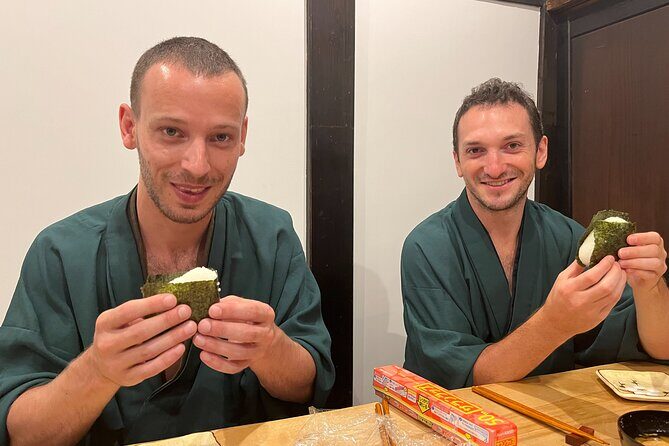
This is also where private guiding shines. If you’re into snacks, you’ll want a guide who knows what tastes good and what’s worth your time. From guide-led experiences, Hida beef is a common highlight—if you choose a route that includes time for lunch or a recommended bite nearby, you’re likely to end up with something memorable.
Budget note: several float/museum-type admissions are not included, so it’s smart to carry some cash or a payment method you’re comfortable using.
Other guided tours in Takayama



Temples, shrines, and the Showa-era museums for a different mood

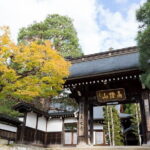
If you want Takayama beyond merchants and festivals, add a temple or shrine stop. Hida Kokubun-ji Temple is a standout: it has a three-storied pagoda built in 1820, and it’s about a five-minute walk from JR Takayama Station. That makes it a flexible choice even if your travel days are tight.
For a festival-linked religious stop, consider Sakurayama Hachimangu Shrine. It’s the venue for the autumn Takayama Festival, and the area ties naturally into nearby festival-float viewing spaces (including the Yatai Kaikan).
Then there’s the fun left-field option: the Showa-era and retro museums. If you like time capsules, these give a different texture than the Edo-world streets.
- Takayama Showa-kan Museum reconstructs retro streets from the 1950s, including places like Midget Alley (a barbershop) and a photo area-style setup.
- Hida Takayama Retro Museum uses a set of Showa movies and gives you hands-on “see it, snap it, play it” type attractions with items like posters, toys, magazines, and even showa-era pachinko themes.
These are listed with admissions not included. Still, they can be a great choice if you’re visiting with mixed interests—people who want history and people who want playful nostalgia.
Price and logistics: is $122.23 per person good value?
At $122.23 per person for a private 4-hour walking experience, the value depends on how you’ll use the flexibility.
Here’s when it makes sense:
- You’re traveling as a small group, so you’ll split the cost across your party.
- You care about festival context, old-town detail, and food or market time.
- You’d rather spend money on a good guide than on transportation or random single tickets.
When it might not be the best deal:
- If you only want a couple of quick exterior photo stops and you don’t care about explanations, you might prefer self-guided walking.
- If you hate paying extra admissions, remember several stops are marked as admission not included (like Jinya, the float halls/museums, and multiple folk/heritage/retro museums).
One more logistics note: it’s a walking tour with meet-up on foot within a designated area. If you’re planning to do lots of other paid attractions the same day, choose your 2–3 sites carefully so you’re not “stacking costs” just to check boxes.
Who should book this private Takayama half-day?
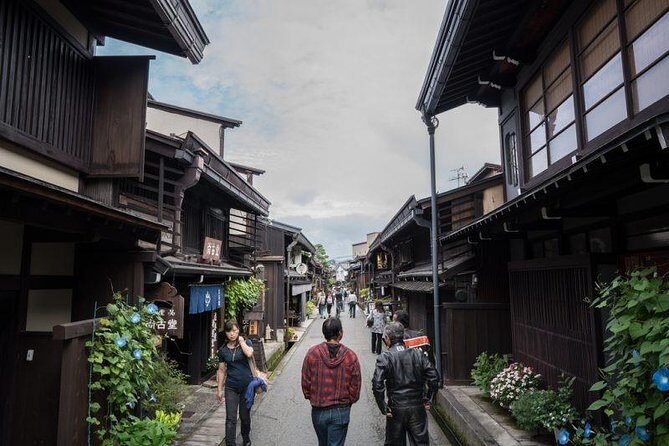
This tour fits best if you want:
- a private experience for your party (not a mixed group shuffle),
- real explanations of why places matter (merchant lanes, government office history, festival float culture),
- and control over the route.
It’s especially good as a first visit to Takayama. You’ll get the town’s map-in-your-head: where the old town is, where festival culture shows up, and where the local rhythm starts with the morning market.
If you’re traveling with kids, the retro museums can be a strong counterbalance to temples and history stops. And if you love food, building in market time can help you eat like a local rather than like someone following a list.
Should you book this tour or skip it?
I’d book it if your ideal day includes a guide who helps you see Takayama with intention. The private setup and the ability to choose 2–3 stops is the real win, because Takayama rewards slow looking.
Skip it if you want a fully ticketed, all-inclusive “hit every major site” itinerary, or if walking for a half-day feels like a deal-breaker for you.
If you do book, decide your theme before you go: old-town streets, festival floats, morning-market food, temple/shrine calm, or retro Showa nostalgia. Then tell your guide what matters most—and wear shoes you’ll be happy walking in for a few hours.
FAQ
FAQ
How long is the Takayama half-day private tour?
It runs for about 4 hours.
Is this tour private or shared?
It’s private. Only your group participates.
Can I customize which places we visit?
Yes. You can customize the tour to choose 2–3 sites from the listed options.
Is there pickup, or do we meet somewhere on our own?
Pickup is offered on foot within a designated area of Takayama, and you’ll meet the guide within that area.
Is it a walking tour?
Yes. This is a walking tour, so you should plan for walking between stops.
Are entrance fees included?
Some stops have free admission, but several museums/halls/shrines/heritage-type places are listed as admission not included. Entrance fees and lunch are not included.
Can I get a full refund if I cancel?
Yes—free cancellation is available up to 24 hours in advance for a full refund.