This day trip hits the sweet spot of old Japan crafts and big mountain sights. You spend a full day in Toyama Prefecture, with Inami wood carving stopping you up close to real artisans, and a washi paper-making workshop that gives you a souvenir you actually helped make. The schedule is busy for 9 hours, and if you get picky about comfort (tight van space, water not always provided), plan ahead.
What makes this work so well is the mix of guided time and hands-on time. People also sing the praises of guides like Mike, Daniel, and Garrett for keeping the story clear and the group moving smoothly. You get just enough structure to understand what you’re seeing, without feeling herded every five minutes.
A quick heads-up: Shirakawa-go can feel commercial and busy, even when the surrounding villages feel more relaxed. If you’re hoping for quiet and empty streets, you’ll want to manage expectations—and you’ll be happiest if you focus on the homes, the interiors, and the details of gassho-zukuri.
In This Review
- Key highlights at a glance
- A Full Day Out of Kanazawa: Crafts, Temples, and UNESCO Thatched Roofs
- Inami Wood Carving Village and Zuisenji Temple: Art You Can Walk Through
- Gokayama Ainokura Village: Quick Views That Reward Good Timing
- Gokayama Washi Paper-Making: Make a Postcard Set You Can Actually Use
- Shirakawa-go UNESCO Village Walk: Details Inside the Thatched Homes
- How the Pace Works Over 9 Hours (and What to Plan For)
- Price and Value: Why This One-Day Route Can Make Sense
- Which Travelers Will Love This Tour Most
- Should You Book This Kanazawa Rural Day Trip?
- FAQ
- FAQ
- Where does the tour start and end?
- How long is the tour?
- What does the price include?
- Is lunch included?
- Do I need to buy tickets at each stop?
- Will I get time to take photos?
- What happens during the New Year period (12/28–1/5)?
- Is the tour group large?
- Can I cancel for a full refund?
- When does the tour start after June 1?
Key highlights at a glance
- Inami wood craft street: a walking tour through a town full of carvers and finished pieces
- Zuisenji Temple: included entry plus a gentle temple-area walk
- Gokayama photo time in Ainokura Village: quick views that are easy to work into your photos
- Washi paper workshop: choose inserts, press your own design, then wait for the paper to dry (about 10–15 minutes)
- UNESCO Shirakawa-go village walk: history and homes, plus time at an observation point
A Full Day Out of Kanazawa: Crafts, Temples, and UNESCO Thatched Roofs
This isn’t a stop-and-stare sightseeing loop. It’s a one-day route that mixes rural Japan traditions with two UNESCO villages, and then adds something practical you can take home: paper you made yourself.
The tour runs about 9 hours from Kanazawa Station, and the group is capped at 17. That smaller size matters. In villages like Shirakawa-go and Gokayama, you don’t just want photos—you also want context, and it’s easier to ask questions when you aren’t fighting your way through a huge bus crowd.
You’ll also feel the “structured day” approach. Transportation is included between stops, and each featured place has a planned portion with an English-speaking guide. Lunch isn’t included, so you’ll either eat on your own during breaks or grab something simple along the route.
Other Shirakawa-go and gassho-zukuri village tours in Kanazawa


Inami Wood Carving Village and Zuisenji Temple: Art You Can Walk Through
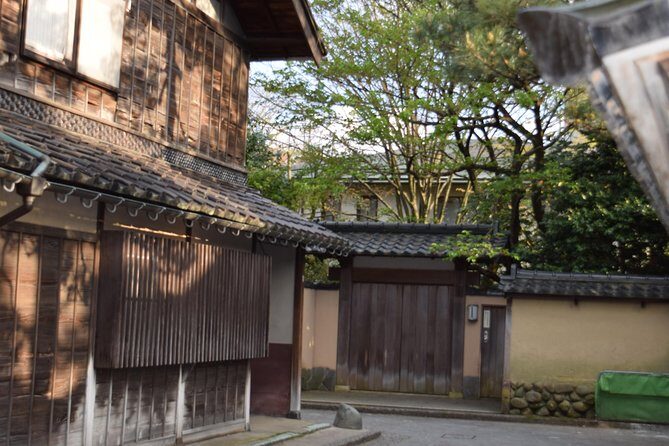
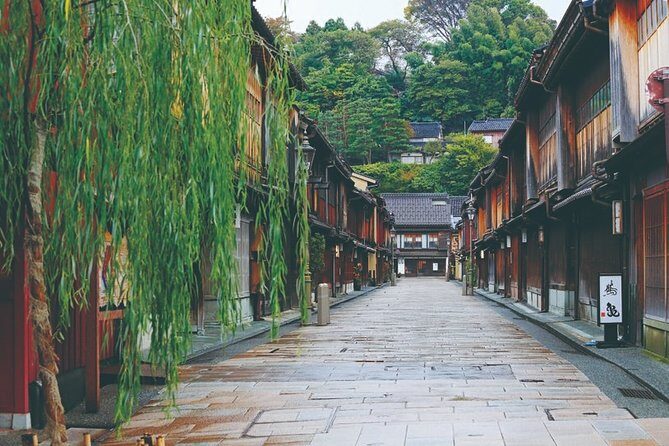
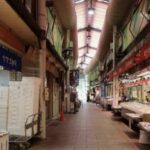
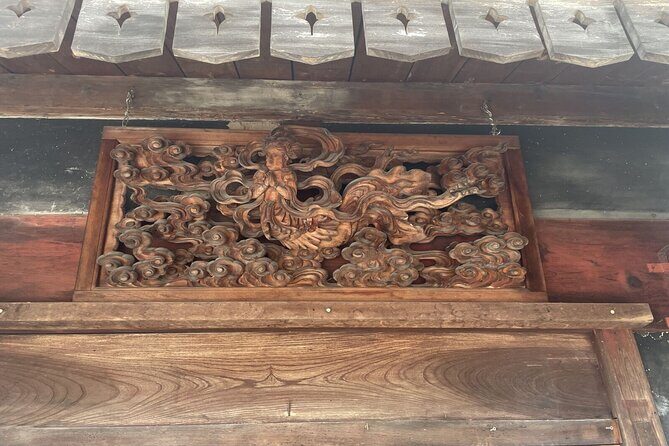
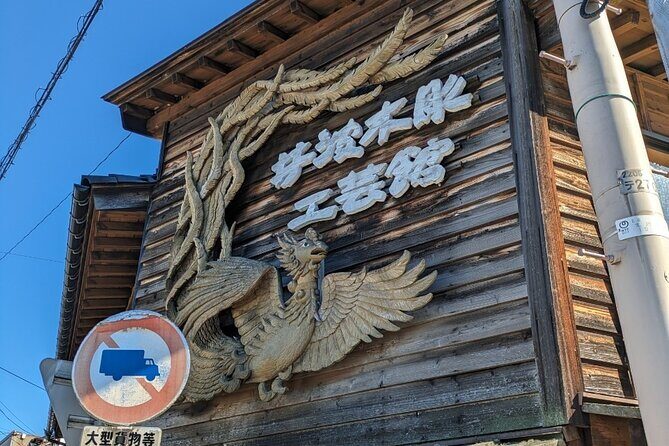
Inami is the kind of town where the craft is the main street. Instead of a single shop or showroom, you get a walk through a neighborhood full of wood carvers and their creations, so you can actually see variety—different styles, different finishes, and different ideas of what makes a compelling wood piece.
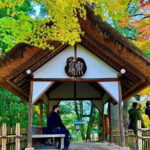
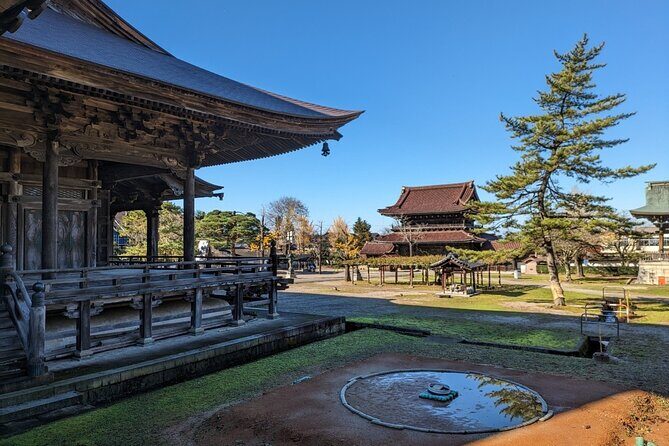
You’ll also visit Zuisenji Temple with admission included. The temple stop adds a calm rhythm to the day. It’s not just shopping time. You get that sense of how religious spaces and local craftsmanship sit side by side in rural areas.
What I like about this stop is the pace. You’re not forced to rush. You can slow down, look closely, and ask questions about what you’re seeing—especially if you like crafts that feel personal rather than mass-produced.
Possible drawback: Inami is a wood-craft town, so if you’re not into buying or learning about handmade items, the time can feel shopping-heavy. It helps to go in with a plan: pick one or two pieces you’d genuinely enjoy using or displaying.
Gokayama Ainokura Village: Quick Views That Reward Good Timing
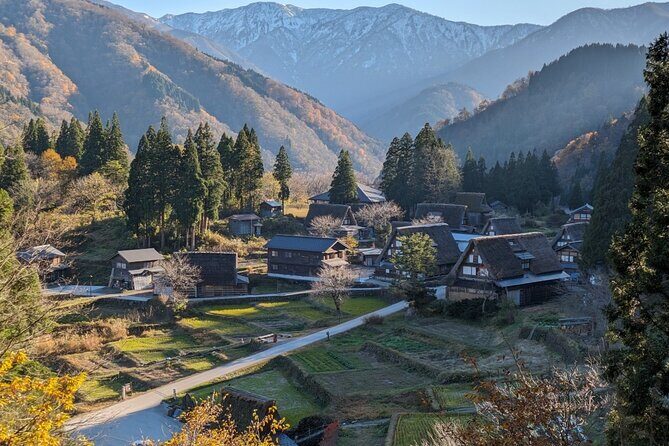
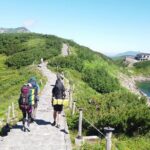
Gokayama is where the day starts to feel mountain-rural in a more immediate way. You head to Ainokura Village first, with a short window to walk around and take photos.
This stop is brief by design. The aim is to show you the village layout and key viewpoints without turning your day into a marathon. Ainokura is compact enough that you can still get a sense of place—even if you only have an hour.
One helpful tip: bring your camera ready, because Gokayama’s charm comes from angles. Even small changes in position can transform the view of thatched structures and hillside placement.
Consideration: This is a “time-efficient” village stop. If you love wandering with no schedule pressure, you may wish you had longer here. The trade-off is that you get the full UNESCO experience elsewhere the same day.
Gokayama Washi Paper-Making: Make a Postcard Set You Can Actually Use
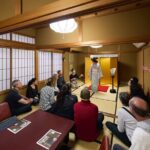
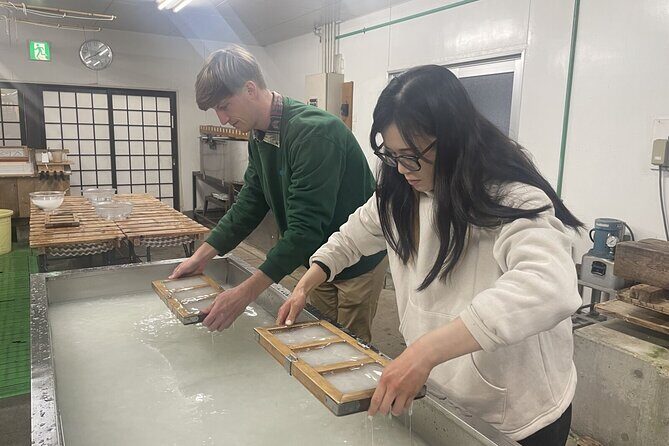
If you want a souvenir that feels like an experience rather than a purchase, the washi workshop is the star here. At the Gokayama Japanese Paper-Making Experience, you’ll get to choose paper inserts before you start making your piece.
After that, you’ll do the hands-on part, then wait while your paper dries. The process includes a drying period of about 10 to 15 minutes, which means you can watch your finished product take shape rather than just buying something off a shelf.
What you end up with is a small souvenir set: a piece designed around the postcards. It’s practical too. You can mail them, keep them, or use them as a small paper craft reminder of the day.
Why this is good value: you’re paying for more than entry fees. You’re paying for materials + instruction + the chance to produce something you can hold. For many people, this single workshop is what makes the entire day feel worth it.
Season note: During New Year period (12/28–1/5), many stores in Inami and Gokayama close, and paper making isn’t available. Shirakawa-go is mostly open, but if your travel dates land in that window, your washi stop may not happen.
Shirakawa-go UNESCO Village Walk: Details Inside the Thatched Homes
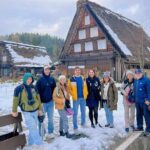
Shirakawa-go is the headline act, and it shows. You’ll arrive at an observation point first, then move into the village for a guided walk focused on the history and the homes themselves.
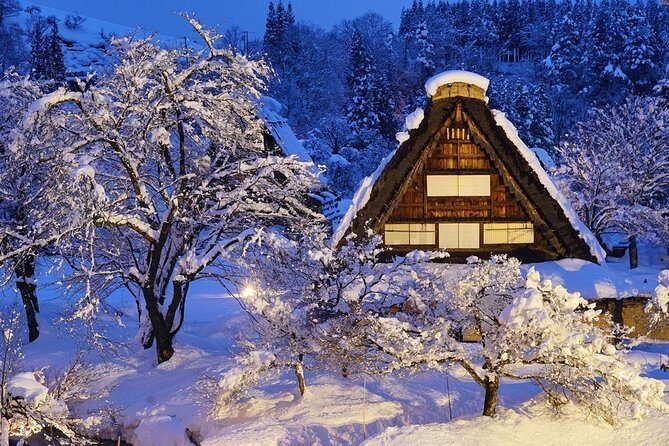
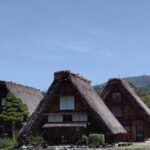
The key term you’ll hear here is gassho-zukuri: the thatched-roof style that has helped protect these houses for generations. The village walk is where that concept turns from a label into something you can see. You’ll also enter one house, which is the difference between reading about a place and actually understanding the layout.
This stop is included as guided time at the UNESCO site, and it also includes admission. In plain terms: you’re not just roaming for photos. You’re learning why the houses look the way they do, and how people lived inside them.
Crowd reality check: Shirakawa-go can be busy. You may see tour groups and big buses at various times. Even so, it’s still worth going because the architecture and the interior experience are the whole point. If you want a quieter mood, you can lean on the fact that the day starts with more relaxed craft and temple stops.
Where you’ll feel it most: the contrast. Inami and Gokayama often feel more intimate. Shirakawa-go can feel more public. That contrast helps you understand what UNESCO-level attention changes in daily village life.
Other Gokayama UNESCO village tours

How the Pace Works Over 9 Hours (and What to Plan For)
This is a full-day tour, so you should treat it like one long “day on the move,” not a leisurely stroll. At about 9 hours total, you’re juggling multiple villages plus two hands-on-style stops (wood carving town exploration and washi making).
Here’s the rhythm you can expect:
- Start early enough to reach the mountain villages comfortably
- Spend time with guides in each main location so you don’t waste the trip
- Keep in mind that walking time exists at each village, even if it’s not extreme
The tour also includes transportation to and from Shirakawa-go and the other destinations, which is a major convenience. These places are scenic, but getting there independently can eat a chunk of your day in transit and planning.
What to bring
- Comfortable walking shoes
- Warm layers or a rain layer (some people report cold or rainy weather)
- A snack plan for lunch, since lunch isn’t included
Comfort consideration: One review-style concern that shows up is tight van space and limited extras like water. You don’t have to panic, but I’d bring your own bottle so you don’t have to hunt during breaks.
Price and Value: Why This One-Day Route Can Make Sense
The price is about $202.17 per person, and it includes more than “a driver and a timetable.”
What’s included:
- Transportation between all the featured stops
- An English-speaking guide
- Entry fee at Zuisenji Temple
- Guided portions in Inami and at Shirakawa-go UNESCO site
- The washi paper-making experience fee
Lunch is the main item not included, so budgeting for one meal on your own is part of the deal.
Value check, real-world style: You’re paying for (1) multiple admissions, (2) a full guided narrative across different villages, and (3) a workshop where you make your own paper. If you tried to piece this together on your own, you’d likely spend a lot of time coordinating transportation and finding workshop timing.
Is it a lot of money for one day? Sure, but it’s also one of those routes where the structure saves effort. When you’re short on days in Japan (or you’re basing yourself around Kanazawa), this kind of bundled day can be the difference between seeing two UNESCO villages and only seeing one.
Which Travelers Will Love This Tour Most
This is a strong fit if you:
- Like hands-on crafts as much as sightseeing
- Want two UNESCO villages in one day without doing complex logistics
- Appreciate guided context, especially when walking through historic homes
Family-friendly? It can be, since the stops are varied and the pace is designed to give you time for pictures and short walks. One family-focused review highlighted how the wood carving and paper-making parts can keep teens engaged, while Shirakawa-go gives adults the architecture payoff.
Who might not love it:
If you want deep, unhurried time in only one place, you may feel the day is too structured. And if you’re sensitive to guide style differences, remember that guides can affect the mood of the day. The overwhelming majority of guides get praise for being friendly and practical, but at least one review reports a major mismatch in tone.
Should You Book This Kanazawa Rural Day Trip?
If your goal is to get out of the city, see gassho-zukuri houses up close, and make a washi souvenir that you can bring home, I’d book this. The combination of Inami wood craft exploration, washi paper-making, and a guided Shirakawa-go village walk is exactly the kind of one-day payoff that’s hard to replicate if you only have limited time.
Just go in with two expectations set:
- Shirakawa-go can be crowded and commercial compared to the other stops.
- It’s a full day, so comfort matters—pack warm layers and plan for lunch on your own.
If you’re traveling during 12/28–1/5 around New Year, double-check that the washi paper-making won’t be available, since closures in Inami and Gokayama can change the day.
FAQ
FAQ
Where does the tour start and end?
It starts at Kanazawa Station and ends back at the same meeting point.
How long is the tour?
The duration is about 9 hours.
What does the price include?
Transportation to and from Shirakawa-go and other destinations, an English-speaking guide, entry fee at Zuisenji Temple, guided tour time at Inami and Shirakawa-go, and the Japanese paper-making experience fee are included.
Is lunch included?
No, lunch is not included.
Do I need to buy tickets at each stop?
Not in every case. Entry fees are included for Zuisenji Temple and the Shirakawa-go stop, while the Gokayama stop is listed as free. The washi paper-making fee is included.
Will I get time to take photos?
Yes. There is short walk time in Ainokura Village in Gokayama that’s designed for pictures, and Shirakawa-go includes an observation point plus village walking time.
What happens during the New Year period (12/28–1/5)?
Many stores in Inami and Gokayama are closed. Shirakawa-go is mostly open, but the paper making is not available during that time.
Is the tour group large?
The tour has a maximum of 17 travelers.
Can I cancel for a full refund?
Yes. Free cancellation is available up to 24 hours before the experience’s start time for a full refund.
When does the tour start after June 1?
From June 1, the start time is 08:30 A.M.
If you tell me your travel dates and whether you’re more into crafts or architecture, I can help you judge if this pacing matches your style.