Kanazawa is best with a plan.
This 4-hour private walking tour lets you pick 2–3 stops from classic sites like Kenrokuen Garden, Kanazawa Castle, and the chaya districts, then explains what you’re actually looking at as you walk. I love the flexibility (your route can follow your interests instead of a fixed bus schedule), and I love the on-the-ground guidance from guides like Yumi and Yoshi, who can steer your day in a way that makes Kanazawa feel easy. The main catch: entrance fees and transportation aren’t included, so your final cost can creep up if you choose several ticketed sights.
Expect a smooth, no-stress intro day.
Because it’s a private group, you’re not stuck waiting on other people, and you can pause for photos, questions, or a quick detour to understand an alley, wall, or garden feature. Just keep in mind it’s mostly walking, and the start works by meeting your guide within a designated area (pickup is on foot, not by car).
In This Review
- Key points at a glance
- Why a 4-hour private walk is such a smart Kanazawa move
- Choosing your 2–3 sites: how to build the day you want
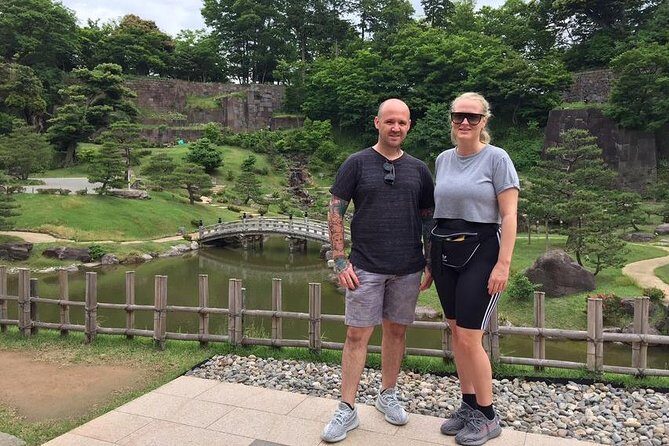
- Kenrokuen Garden: the Edo garden you’ll finally understand
- D.T. Suzuki Museum and Myoryuji Ninja Temple: when stories meet facts
- Chaya districts (Higashi and Nishi): geisha culture without the confusion
- Seisonkaku Villa and the 21st Century Museum: samurai taste meets modern art
- Nagamachi Samurai District, Kanazawa Castle, and Oyama Shrine: the power map of the city
- Omicho Market: where your walking day becomes real life
- Your guide makes the day: names to look for and what they do differently
- Price and value: $122.23 for 4 hours, plus what you should expect to pay extra
- Who this tour suits best (and who might want something else)
- Should you book this Kanazawa 4-hour private walking tour?
- FAQ
- How long is the Kanazawa private tour?
- Is this a private tour or a group tour?
- Can I choose which Kanazawa sites to visit?
- Do I get pickup?
- Is the tour mainly walking?
- Are entrance tickets included?
- Are transportation and lunch included?
- What’s included with the guide?
- Is there a mobile ticket?
- Can I cancel for a full refund?
- Are service animals allowed?
Key points at a glance
- A flexible 2–3 stop route: choose the sights that match your day, not a rigid itinerary.
- Private pace, fewer crowds: you’re not weaving through tour groups at every corner.
- Government-licensed English guides: you’ll get clear context as you move through each district.
- Guides can adjust: if a museum is closed or you want more time somewhere, you’re not stuck.
- Walking format with optional transit: some routes may involve buses at your own cost.
- Tickets are mostly on you: guide time is covered for the listed stops, but admission often isn’t.
Why a 4-hour private walk is such a smart Kanazawa move
Kanazawa can feel like two cities at once: elegant gardens and samurai neighborhoods on one side, and modern culture and food streets on the other. A walking tour is the fastest way to connect the dots. In just a few hours, you’ll start seeing how districts link together and why people built Kanazawa the way they did.
The private format matters more than you’d think. In a group tour, you’re usually asking, Can we slow down? Here, you’re more likely to ask what you actually want: How did this place work? What’s the story behind this layout? That’s where the best guiding shows up.
Also, Kanazawa is a city where small details matter. A wall angle, a doorway position, or a garden pathway isn’t random. A guide helps you read those details without turning the trip into a textbook.
Other Kanazawa tours and samurai-district walks

Choosing your 2–3 sites: how to build the day you want
The whole point of this tour is the pick-your-own route. From the options provided, you typically choose 2–3 stops out of a list that includes Kenrokuen Garden, D.T. Suzuki Museum, Myoryuji (Ninja Temple), Higashi Chaya District, 21st Century Museum of Contemporary Art, Seisonkaku Villa, Nagamachi Samurai District, Omicho Market, Kanazawa Castle, Kanazawa City Nishi Chaya Museum, and Oyama Shrine.
Here’s how to choose without overthinking it:
- If you’re a first-timer, pair Kenrokuen Garden with a samurai stop like Nagamachi or the castle area.
- If you like culture and ideas, go D.T. Suzuki Museum plus Myoryuji. One is philosophy. The other is a popular nickname with a twist.
- If you want the “Kanazawa after-dark vibe” (even in daylight), add Higashi Chaya District or Nishi Chaya.
- If you want modern art energy, use the 21st Century Museum as your “left turn” from Edo-era buildings.
One practical tip from real-world experience on this kind of tour: prioritize your top interests first, then let the guide shape the order. Multiple reviewers highlighted that their guide adapted the plan after hearing their top picks.
Kenrokuen Garden: the Edo garden you’ll finally understand
If Kenrokuen is on your list, schedule it early in the tour window if possible. The garden is famous for a reason, and the layout rewards slow looking. Since admission isn’t included, you’ll want to plan for tickets separately, but it’s still one of the best places to start because everything else around Kanazawa starts making more sense afterward.
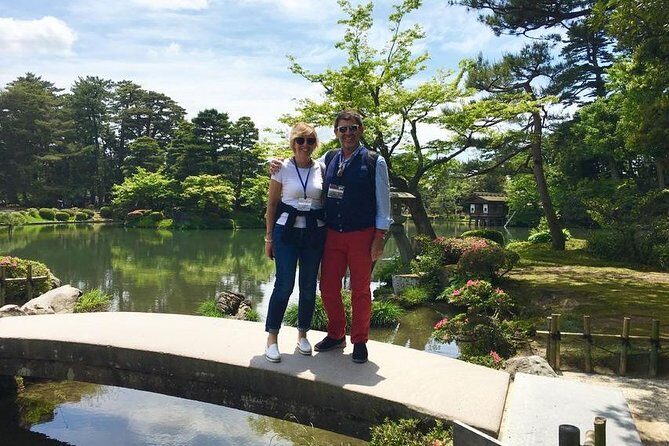
What your guide should help with is interpretation. You’ll usually notice water features, bridges, and designed sightlines—but without context, it can stay pretty but unexplained. With guidance, you start understanding what you’re seeing and how the garden’s composition communicates taste and power from the Edo period.
Even in seasons where gardens look different (winter light, spring blossoms, summer greens), a guide helps you read the change instead of just admiring the photos.
D.T. Suzuki Museum and Myoryuji Ninja Temple: when stories meet facts
This is an unusually good combo if you like the “why” behind a place.
The D.T. Suzuki Museum is dedicated to Suzuki Daisetz Teitaro, a Buddhist philosopher. It’s described as a small museum, so you’re not going to get lost in an endless building. Instead, you get focused context around one of Japan’s major thinkers—an easy way to add depth without turning your day into a lecture.
Then you hit Myoryuji, commonly called the Ninja Temple. Here’s the important detail: it’s “ninja” in the nickname, but it isn’t actually about ninjas. Your guide’s job is to explain what the temple really is, and why the legend sticks. That’s how this stop becomes more than a quirky photo stop.
One reason this pair works in a 4-hour day is pacing. A museum gives you a chance to regroup. Then the temple adds atmosphere and walking space around the area.
Chaya districts (Higashi and Nishi): geisha culture without the confusion
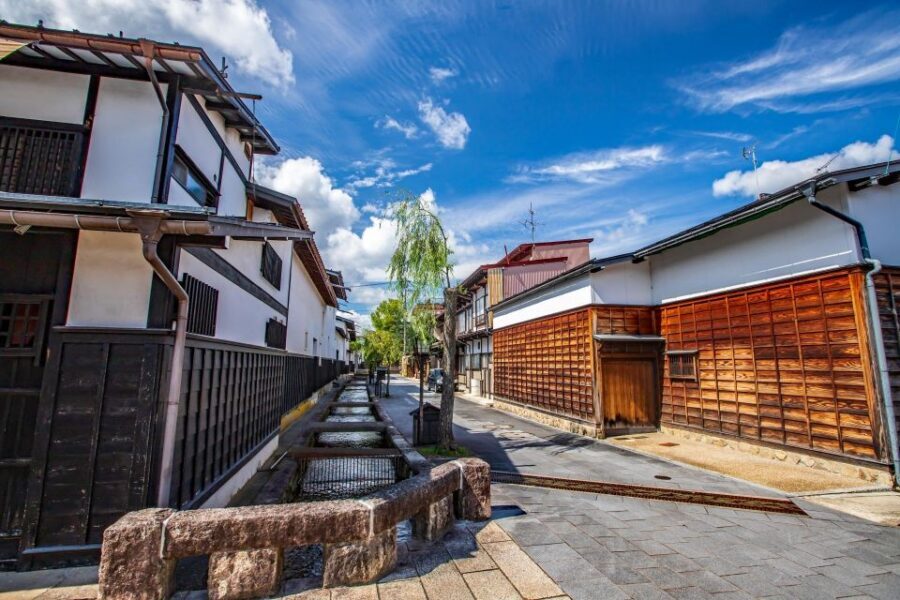
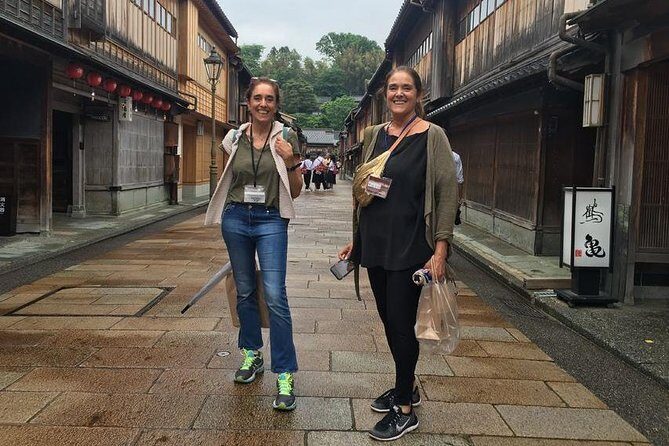
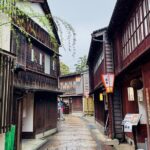
Kanazawa’s chaya districts are famous, but they’re also easy to misunderstand if you show up expecting a single kind of experience. A chaya is an entertainment teahouse, and your tour will explain the Edo-period context—how these districts functioned and what role music and performance played in elite social life.
The tour includes two chaya options: Higashi Chaya District and the Kanazawa City Nishi Chaya Museum. Both are about chaya culture, but they feel different in practice because each area has its own preserved streetscape and atmosphere.
One useful thing your guide can do here: separate “what tourists see” from “what the space historically meant.” That keeps the day respectful and makes your photos more meaningful.
If you’re hoping to add anything extra like a chaya-room experience, plan for extra spending. One reviewer specifically recommended keeping some cash on hand for added fees such as geisha room visits, because those aren’t covered by the tour price.
Other guided tours in Kanazawa


Seisonkaku Villa and the 21st Century Museum: samurai taste meets modern art
If you want a day that doesn’t feel stuck in one era, this section is for you.
Seisonkaku Villa (Seisonkaku) was built by a Maeda lord for his mother near the end of the Edo period. This is a remaining samurai villa, which means you’re not just walking by impressive structures—you’re stepping into a designed environment shaped by family status and living style.
Then the 21st Century Museum of Contemporary Art gives you a clean contrast. It opened in 2004 and sits close to Kenrokuen. Even if you’re not a heavy modern-art person, the value here is perspective: Kanazawa didn’t freeze in time. It built a modern cultural identity right next to historic beauty.
One caution: modern museums can be closed on certain dates. One reviewer noted that during pandemic-era restrictions, museums were closed, but their guide still delivered a great day by adapting. So if you’re traveling with tight time, trust your guide to adjust rather than treating every stop like a guaranteed checkbox.
Nagamachi Samurai District, Kanazawa Castle, and Oyama Shrine: the power map of the city
This is the “Maeda clan” side of Kanazawa.
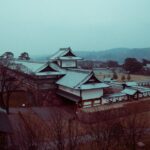
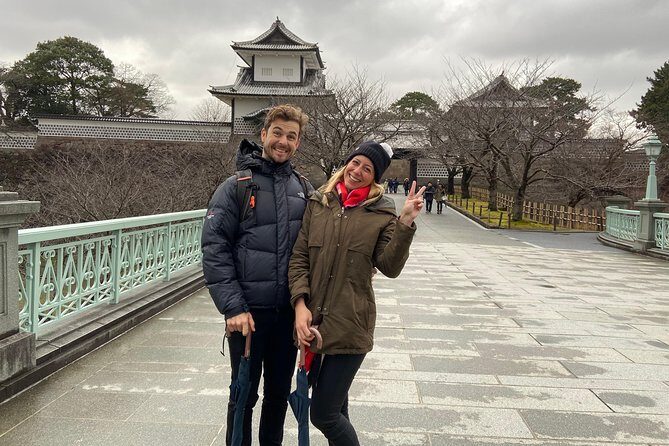
Nagamachi Samurai District preserves a historic atmosphere with samurai residences near the former Kanazawa Castle. It’s a great choice if you want to understand how the city was organized around authority. You’ll likely notice preserved street character and residential-scale buildings that help you picture everyday life rather than just heroic portraits.
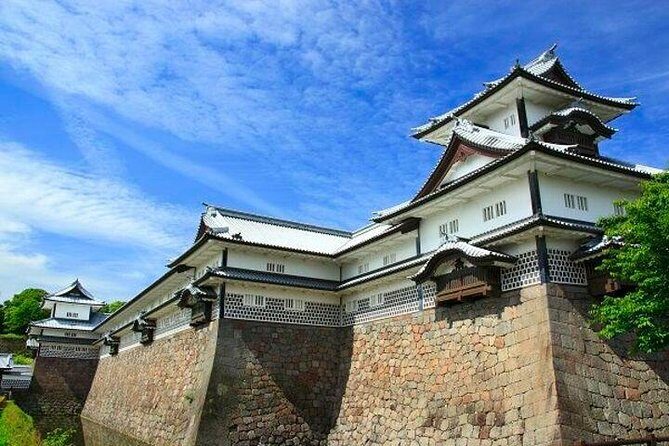
Kanazawa Castle is another anchor. It was the seat of the powerful Maeda Clan for centuries. A guide can help you connect the castle’s role to the districts around it—why certain areas stayed close, how power radiated outward, and what the castle meant in the broader Edo-period structure.
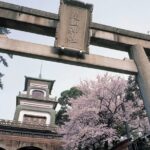
Finally, Oyama Shrine is dedicated to Maeda Toshiie, the first lord of the Maeda Clan, and the shrine was constructed in 1599. This stop adds a spiritual dimension to the Maeda story, showing how political power and religious practice were often intertwined.
If you’re the type who likes a clear through-line, combine Nagamachi with either castle or Oyama Shrine. That combo usually gives you both physical structure (district layout) and cultural meaning (shrine dedication).
Omicho Market: where your walking day becomes real life
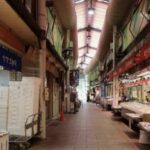
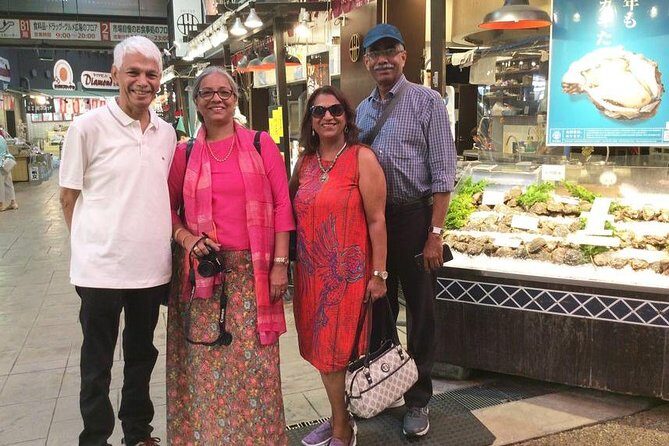
After you’ve been looking at heritage sites for a while, Omicho Market is a sanity saver. It’s described as a large fresh food market that has existed since the Edo period, and today it’s a network of covered streets with about 200 shops.
Admission is listed as free, which helps. You can treat it like your flexible “food and breaks” stop—grab something quick, cool down, and reset your brain for the next district. It’s also a good place to buy small souvenirs that actually feel local.
One practical point: because lunch isn’t included, you’ll likely eat on your own here. If you want a full lunch break, you may need to budget time carefully inside the 4-hour limit.
Your guide makes the day: names to look for and what they do differently
The guide is the real product here. The reviews are consistent about one theme: guides who explain clearly and adjust to you make the tour feel worth every minute.
A few names came up again and again in the feedback:
- Yumi: repeatedly praised for customization—one reviewer said they entered with a top-3 list and Yumi adapted the whole 4-hour plan to prioritize it.
- Yoshi: praised for making sure they spent enough time at each selected spot and for clear explanations that linked Japan and Kanazawa.
- Yumiko: appreciated for mixing history and current perspectives of Japanese life.
- Sachi: highlighted for showing small corners people might miss.
- Hiroko (including a review naming Hiroko Nakia): praised for patience and for going beyond expectations, even when it meant spending extra time on additional interests.
- Akira: praised for organization and answering lots of questions, including when museum closures changed the day.
- Yuki: praised for knowledge of history and architecture and for helpful logistics, like arranging transfers to the train station.
- Fumie: praised for connecting culture, history, and modern life.
Even if you don’t get one of these exact names, use their pattern as your filter. When you message or confirm, ask for route flexibility. The tour is built for that.
Also, pay attention to how your guide handles transit between districts. One review mentioned taking the bus between areas. That makes sense in Kanazawa if your chosen stops are farther apart, but remember: transportation fees aren’t included.
Price and value: $122.23 for 4 hours, plus what you should expect to pay extra
Let’s talk money in plain terms. At $122.23 per person for about 4 hours, you’re paying for a private, English-speaking, government-licensed guide and a route tailored to your selected sites. That’s not cheap compared to joining a group tour, but it often feels fair because you get control over time and you avoid crowd friction.
The value dips if you pick only free stops and skip the interpretation. But if you choose a mix of ticketed heritage sites, museums, and districts where context matters, the guide time becomes the main benefit.
Here’s what’s clearly not included:
- entrance fees
- transportation fees
- lunch
- other personal expenses
Also note the detail about guide entry fees: guide entry is covered only for the sights listed under what you expect to visit. In other words, don’t assume every admission is handled inside the price.
One reviewer even suggested planning cash for extras like a bus pass, park admission, and possible geisha room visits. That’s good advice. Build a buffer, and you won’t have to make last-minute choices under stress.
Who this tour suits best (and who might want something else)
This is a strong match for you if:
- You want an intro to Kanazawa that doesn’t feel like a checklist.
- You prefer walking plus explanation over passively following a group.
- You’re traveling with specific interests: gardens, samurai districts, chaya culture, or modern art.
It may be less ideal if:
- You hate walking. It’s a walking tour, and the pickup is on foot within a designated area.
- You’re expecting all admissions and transit to be included. They aren’t.
Should you book this Kanazawa 4-hour private walking tour?
Yes—if you want a guided day that feels personal, not crowded. The flexible 2–3 stop structure is the key. It lets you protect your time for the places that matter most to you, and it turns famous sites like Kenrokuen and Kanazawa Castle into something you understand instead of just something you pass through.
Book it especially if you’re the kind of traveler who asks questions and likes details: why a district developed, how Edo-era design shaped everyday life, and what modern Kanazawa chose to keep or change. If you plan for extra costs like admissions and possible transit, you’ll likely feel like the $122.23 is buying you real guidance, not just a label.
If you do book, consider a simple strategy: tell your guide your top three priorities at the start, and be ready to say which places you want to linger at.
FAQ
How long is the Kanazawa private tour?
It’s approximately 4 hours.
Is this a private tour or a group tour?
It’s a private tour. Only your group participates.
Can I choose which Kanazawa sites to visit?
Yes. You can customize the tour and choose 2–3 sites from the provided list of options.
Do I get pickup?
Pickup is offered, but it’s on foot. You meet your guide within a designated area in Kanazawa.
Is the tour mainly walking?
Yes. This is a walking tour.
Are entrance tickets included?
No. Entrance fees and admission tickets are not included.
Are transportation and lunch included?
No. Transportation fees and lunch are not included.
What’s included with the guide?
You get a licensed local English-speaking guide.
Is there a mobile ticket?
Yes, a mobile ticket is included.
Can I cancel for a full refund?
Yes. Free cancellation is available up to 24 hours in advance for a full refund.
Are service animals allowed?
Yes, service animals are allowed.