Zenkoji in half a day? Smart move. This tour strings together Zenko-ji spirituality with serious food stops: oyaki dumplings, a sake tasting, and an at-the-counter matcha session. It’s a tight 4-hour plan that gives you context, not just photos.
Two things I really like: you get a simple included lunch of oyaki, and you’re guided through Zenko-ji in a way that explains Buddhism without turning it into a lecture. The small group size also keeps questions possible and the pace human.
One possible drawback: if walking bothers you, this won’t feel effortless. You’ll do some on-foot movement, including a short walk between the food stop and the temple.
In This Review
- Key highlights
- Zenkoji, Oyaki, Sake, and Matcha in a 4-hour plan
- Price and value for $121.50 per person
- Meeting point, start time, and how the tour actually runs
- Stop 1 at Ogawanoshodaimonten: fermented buckwheat oyaki
- The sake tasting that fits between culture and lunch
- Stop 2: Zenko-ji guided tour and the goma prayer fire ceremony
- Patio Daimon: make your own matcha and enjoy the tea performance
- The walking, pacing, and how to plan your afternoon
- Who this tour is best for
- What to bring and how to get the most out of it
- Final call: should you book this Zenkoji tea tour?
- FAQ
- FAQ
- How long is the Zenkoji tour with tea experience?
- Where does the tour start and where does it end?
- What time does the tour begin?
- How much does it cost?
- What is included in the tour?
- Do I get to make matcha myself?
- Is Zenko-ji admission included?
- Is transportation from outside Nagano City included?
- What group size should I expect?
- Is there free cancellation?
Key highlights
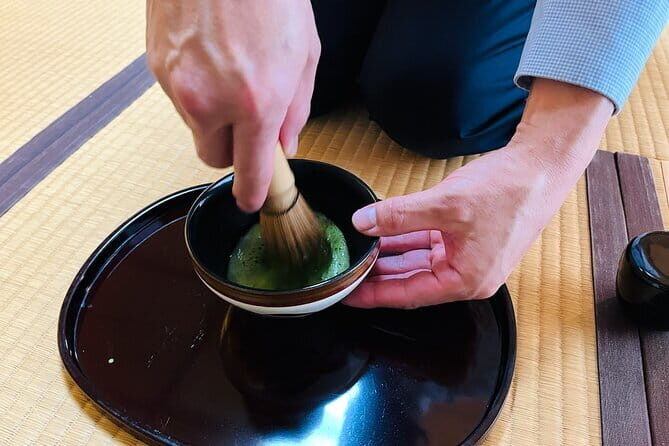
- Hands-on matcha making at Patio Daimon, with a guide and time to do it yourself
- Goma prayer fire ceremony included during your Zenko-ji visit
- Oyaki lunch featuring fermented buckwheat dough with vegetable, fruit, or anko fillings
- Sake tasting as part of the same morning-to-afternoon flow (no awkward detours)
- Small group capped at 8 for a calmer tour experience
- A balanced timeline that doesn’t rush the temple or the tea class
Zenkoji, Oyaki, Sake, and Matcha in a 4-hour plan
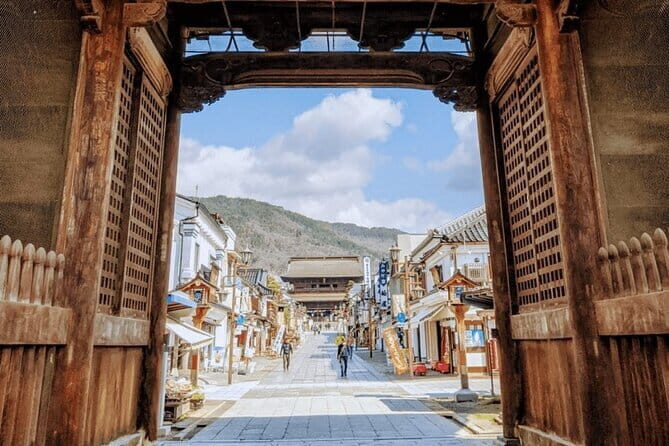
If your Nagano itinerary feels too “checklist-y,” this is a nice counterweight. You get one main spiritual anchor—Zenko-ji Temple—then you experience how locals actually eat and drink around that kind of day: oyaki for lunch, sake as a tasting break, and matcha with sweets for a gentle finish.
What makes this format work is the rhythm. You start with food (oyaki and sake), then you shift to the temple with a guided explanation, and you end with hands-on tea. Each stop supports the next one, instead of feeling like three unrelated activities stapled together.
I also like that the tour keeps the learning part practical. You’re not just looking at buildings; your guide gives you story and context, including how Buddhism plays a role in Japan. That’s the difference between scenery and understanding.
Other Zenkoji and Nagano temple tours


Price and value for $121.50 per person
At $121.50 per person for about 4 hours, the value is mostly about what’s included, not what you still have to buy. You’re getting:
- An English-speaking guide
- A guided Zenko-ji visit plus the goma prayer fire ceremony
- Lunch: two oyaki (simple, included)
- Sake tasting
- A tea experience (matcha plus traditional sweets)
- A matcha-making session with the right time allocation
In other words, you’re paying for a guided “food + culture loop.” If you tried to recreate this yourself, you’d spend time figuring out entrances, timing, and where the best tasting experiences fit. Here, the schedule is built so you walk from one themed moment to the next.
Is it cheap? No. But for a half-day that wraps in multiple paid experiences and meals, it’s a fair deal—especially because the group is capped at 8, so your guide time isn’t swallowed by a huge crowd.
Meeting point, start time, and how the tour actually runs
This tour starts at 12:15 pm and meets at Nagano Station (Kurita). The end point is at Patio Daimon Kuraniwa. Since it’s a half-day plan, that start time matters: you’re set up for an afternoon that’s productive without eating your whole daylight.
You also get a mobile ticket, which is useful if you prefer not to juggle paper tickets while you’re moving around town. And because it’s near public transportation, you’re not locked into a car-or-nothing situation.
One more practical note: admissions are handled as part of the experience where listed. Zenko-ji itself is marked as free admission in this plan, while the first stop (Ogawanoshodaimonten) includes an admission ticket.
If you’re coming in from Nagano City via Shinkansen, transport fees aren’t included. You’ll want to plan your own route into Nagano Station ahead of time.
Stop 1 at Ogawanoshodaimonten: fermented buckwheat oyaki
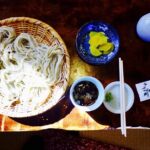
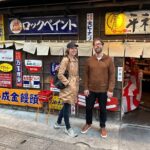
Your first major experience is food—and not a token bite. At Ogawanoshodaimonten, you focus on oyaki, dumplings made from fermented buckwheat dough and rice powder. The fun part is the variety of fillings: vegetables, fruit, or anko bean paste.
This matters because oyaki isn’t one-size-fits-all. It’s also not just dumpling-shaped comfort food; the fermented dough angle is a small detail that helps you understand why oyaki has its own taste and texture. Even if you’re not a food nerd, you’ll enjoy the difference once you’re eating.
Timing is about an hour here, so you’re not rushed through. You also get a simple lunch that includes two oyaki, which keeps the day efficient. If you’re traveling with someone who gets hangry fast, you’ll appreciate that food lands early in the tour.
The only “watch out” is personal taste. Oyaki fillings range from sweet-leaning (anko) to more savory options. If you hate beans or don’t want sweet, you’ll want to pay attention to what you’re served or ask your guide what options are available.
The sake tasting that fits between culture and lunch

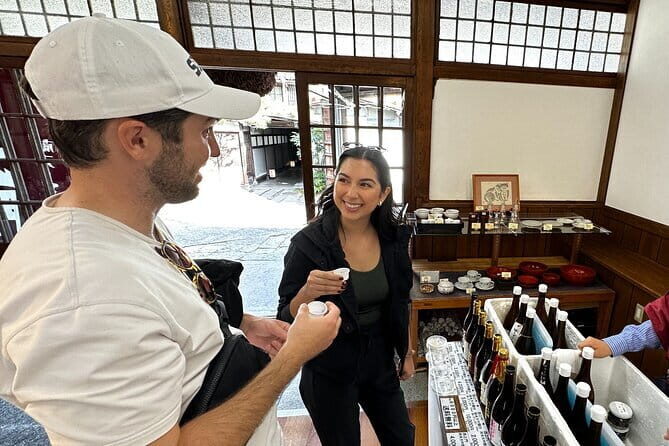
After oyaki, you get sake tasting. This is one of those well-designed sequencing choices: you’re fueled by lunch, your mouth is awake to flavors, and you’re not trying to taste sake on an empty stomach.
Sake tastings in Japan are often about learning what makes one pour different from another—though in this tour you’re mainly getting the experience of trying sake as part of the day, with a guide shaping the flow. Either way, the practical value is that you’re doing it in a local setting tied to the same stop.
If you don’t drink alcohol, this may not be ideal for you. The tour data says sake tasting is included, so you’d likely want to consider whether you’re comfortable participating in that portion (even as a non-drinker).


Stop 2: Zenko-ji guided tour and the goma prayer fire ceremony
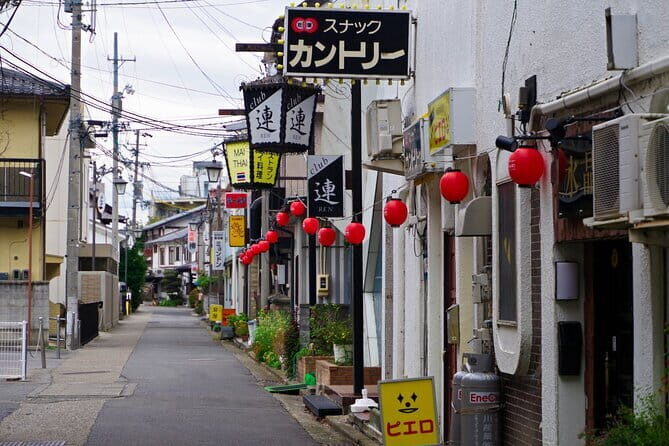
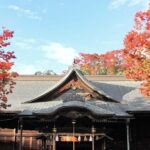
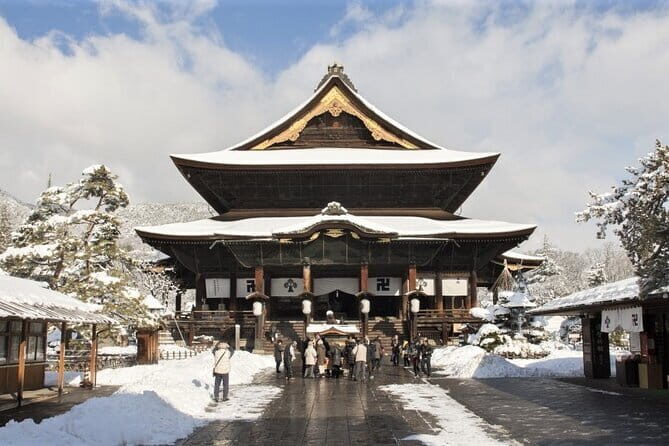
Then comes the main event: Zenko-ji Temple, where the stop runs about 1 hour 50 minutes. Zenko-ji is only a short walk away from the brewery stop, so the transition feels natural rather than logistically stressful.
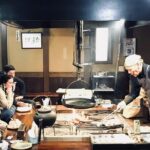
With your guide, you get a guided walk through the temple with stories and explanations—plus an emphasis on the role of Buddhism in Japan. This is where the tour earns its keep. You’re not just reading signs and guessing. You’re getting the why behind what you’re seeing.
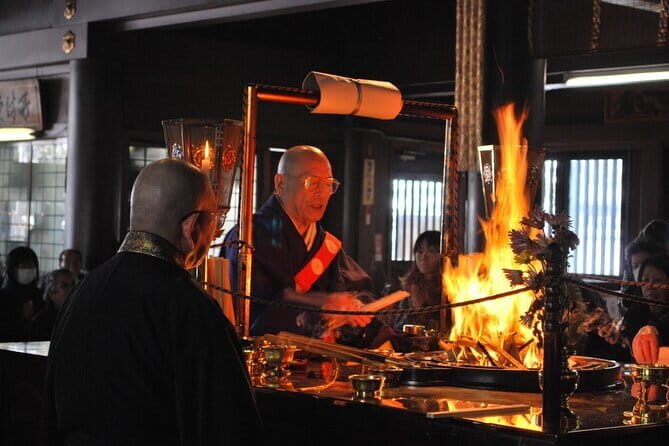
One of the included highlights is the goma prayer fire ceremony. In plain terms, this is a ceremonial moment with a distinct atmosphere, and having it guided changes the whole experience. You’re more likely to understand what you’re watching and why it’s meaningful, instead of treating it like background spectacle.
A practical tip: temples can involve uneven surfaces and lots of looking up and walking around. If your shoes are more for fashion than function, you’ll feel it. Also, keep your pace steady; don’t sprint ahead. The guide’s explanations are part of the experience value.
Patio Daimon: make your own matcha and enjoy the tea performance
The final stop is Patio Daimon, about 45 minutes. This is a short, focused tea session where you make your own matcha, while learning about the art and performance elements of a traditional Japanese tea experience.
I like this kind of ending because it gives your day a close that feels hands-on and calming. After the temple and the tasting, matcha gives you something quieter to do—measuring, whisking, and tasting in a controlled setting.
You’ll also get traditional sweets with the tea. That pairing helps you understand matcha beyond just a green drink. The sweet balances bitterness and makes it easier to enjoy even if matcha isn’t your usual go-to at home.
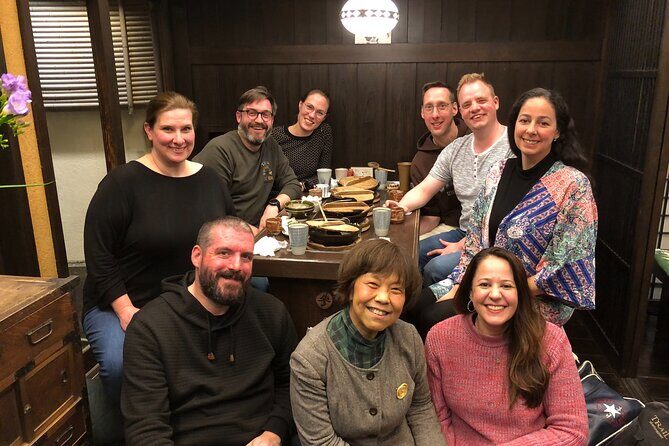
This stop is also where you’ll feel the group size advantage. With a maximum of 8 travelers, you’re not fighting for space or waiting forever to participate. In a short session, that matters.
The walking, pacing, and how to plan your afternoon
This is built as an efficient half-day. The total time is about 4 hours, with:
- 1 hour at Ogawanoshodaimonten
- 1 hour 50 minutes at Zenko-ji
- 45 minutes at Patio Daimon
That adds up to a pace that usually works well for first-timers. You’re not stuck at one place for most of the day, and you’re not bounced out of each stop before you understand what you’re looking at.
Still, remember the earlier caution: if you don’t like to walk, plan carefully. The temple is described as a short walk from the brewery, and temple visits naturally involve movement. You’ll likely want shoes you can walk in comfortably for the full block.
For timing, since it starts at 12:15 pm, it’s a smart pick for days when you don’t want a full morning tour. You can fit it between other afternoon plans, or use it as the centerpiece activity that shapes the rest of your day.
Who this tour is best for
This experience is ideal if you want a first taste of Nagano that mixes three different kinds of culture: food, drink, and spirituality. It’s especially good for people who like structure and don’t want to spend their time planning every step.
You’ll likely enjoy it if you:
- Want an easy introduction to Nagano and Zenko-ji
- Like tasting food and trying drinks with context
- Prefer guided pacing over self-guided guesswork
- Appreciate a small-group tour (max 8)
This may not be your best match if you:
- Strongly dislike walking
- Don’t want any alcohol-related tasting at all
- Need a very laid-back, no-activity schedule (this is active, just not exhausting)
What to bring and how to get the most out of it
Because the tour includes multiple food and drink components, keep your mindset simple: eat what’s included and let the guide help you order the experience with your curiosity.
A few practical things I’d bring:
- Comfortable walking shoes for temple time
- A small day bag for personal items
- A willingness to slow down and ask questions
You’ll get more from the ceremony and tea session if you don’t treat them like photo stops only. Even brief participation helps. You’re learning, tasting, and doing, not just observing.
Also, because you’re using a mobile ticket, make sure your phone is charged enough for day-of check-in.
Final call: should you book this Zenkoji tea tour?
I’d book this when you want a well-paced, guided afternoon in Nagano that covers the essentials without feeling rushed. The mix of oyaki lunch, sake tasting, and a hands-on matcha experience makes it a good value play for $121.50, especially since the temple portion also includes the goma prayer fire ceremony.
Choose it if you’re curious about how Buddhism shows up in daily Japanese life, and if you like food experiences that actually get you eating, not sampling tiny crumbs.
Skip it—or at least think twice—if you really don’t want to walk or you’re uncomfortable with alcohol tastings. Otherwise, it’s an efficient way to turn one afternoon into a memorable cultural circuit.
FAQ
FAQ
How long is the Zenkoji tour with tea experience?
It runs about 4 hours.
Where does the tour start and where does it end?
It starts at Nagano Station (Kurita) and ends at Patio Daimon Kuraniwa.
What time does the tour begin?
The start time is 12:15 pm.
How much does it cost?
The price is $121.50 per person.
What is included in the tour?
You get an English-speaking guide, a guided tour of Zenko-ji with the goma prayer fire ceremony, a simple lunch of two oyaki, sake tasting, and a tea experience with matcha and traditional sweets.
Do I get to make matcha myself?
Yes. At Patio Daimon, you make your own matcha.
Is Zenko-ji admission included?
Yes. The Zenko-ji temple visit notes admission as free in this experience, and it’s part of the guided tour.
Is transportation from outside Nagano City included?
No. Transport fees, including Shinkansen to and from Nagano City, are not included.
What group size should I expect?
The tour has a maximum of 8 travelers.
Is there free cancellation?
Yes. Free cancellation is available up to 24 hours before the experience start time for a full refund.