Winter in Togakushi hits different. This Nagano snowshoe hike mixes 400-year-old cedar trees with a walk on a frozen lake, all in deep-snow country. You’re stepping into a winter world tied to mountain worship traditions, guided at a pace that keeps it relaxed even when you’re working your legs.
I especially love the practical focus here: MSR snowshoes and poles are included, so you’re not scrambling for rentals. I also like the small-group setup (max 8), which makes it easier to move calmly and ask questions about what you’re seeing—like animal tracks in the woods.
One thing to plan for: this is winter snowshoeing in an active mountain area. You’ll need a decent sense of comfort with cold and walking, and safety checks can mean route adjustments if conditions demand it.
In This Review
- Key points at a glance
- Why Togakushi feels like a winter shrine in the snow
- What the tour includes: MSR snowshoes, poles, and a small-group pace
- Kurohime Station meeting point and pickup that saves time
- Stop 1: Togakushi Shrine Okusha and the cedar-tree snow approach
- Stop 2: Lake Kagami—the frozen-lake moment
- Stop 3: Myoko-Togakushi Renzan National Park and the giant-tree payoff
- Pace, fitness, and gear tips that keep you comfortable
- Coffee, snow “tables,” and why the small moments matter
- Price and value for a 5-hour small-group snowshoe day
- Who should book this snowshoe hike (and who should skip it)
- Weather, route changes, and the avalanche risk reality
- Should you book the Nagano Snowshoe Hiking Tour?
- FAQ
- How long is the Nagano Snowshoe Hiking Tour?
- Where do I meet the tour?
- Does the price include snowshoes and poles?
- What extra costs should I expect?
- Is pickup available?
- What’s the group size?
- Is the tour okay for beginners or only for advanced hikers?
- What happens if the weather is bad?
Key points at a glance
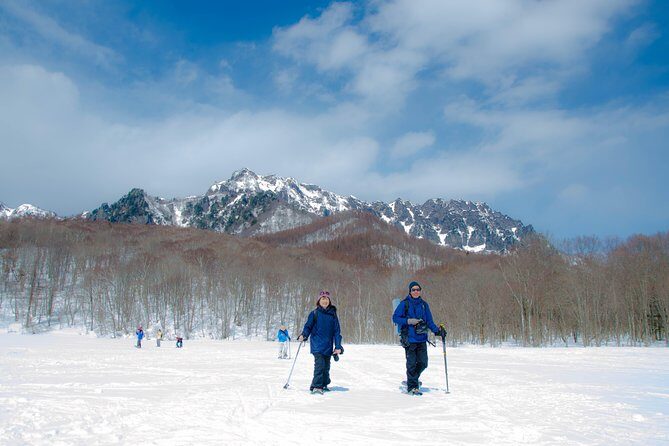
- Small-group experience (up to 8 people) for an easier, quieter pace
- Frozen Lake Kagami: a rare winter walking moment you can’t replicate back home
- 400-year-old cedar-tree approach to Togakushi Shrine Okusha
- MSR snowshoes and poles included, plus an insurance fee in the price
- Coffee and warm breaks along the route, including a fun snow “table” moment
- Route safety flexibility: if avalanche risk is too high, you may not reach every stop
Why Togakushi feels like a winter shrine in the snow
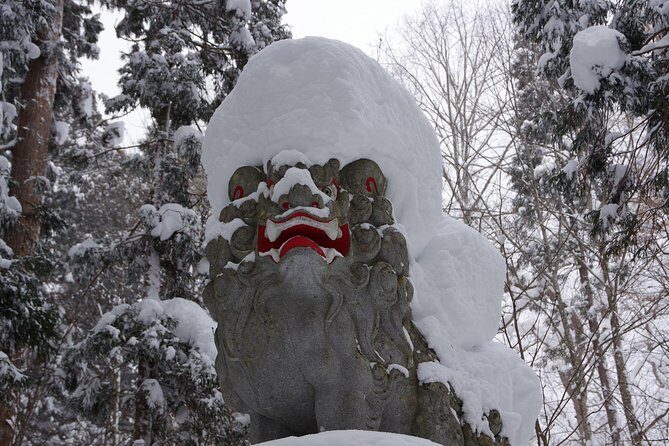
Togakushi has a special kind of silence in winter. You’re surrounded by snowbound forest that feels older than time—starting with the cedar-lined approach that’s famous for its age and density.
This tour leans into the things people actually come for: the contrast of a thick cedar corridor covered in snow, and then the open, flat stillness of a frozen lake. It’s not just “snowshoeing in the mountains.” It’s snowshoeing in a place that already has a sense of ceremony, where mountain ascetics have practiced mountain worship for centuries.
And yes, it’s also the kind of day that makes you slow down. The combination of careful footing, gentle climbing, and quiet scenery naturally turns into a full-body version of shinrin-yoku—forest bathing with traction.
Other Nagano tours and day trips


What the tour includes: MSR snowshoes, poles, and a small-group pace
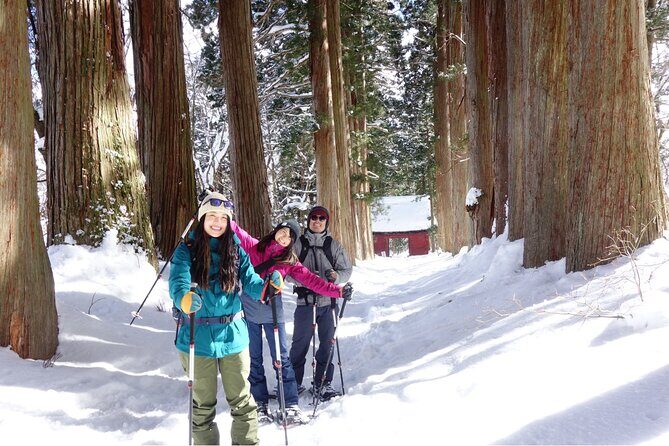
The big value move here is gear. You get the latest MSR snowshoes and pole rentals included, plus an insurance fee. That means you can travel light and avoid the most common hassle: showing up in the wrong gear for deep snow.
The tour is built for real-world winter conditions. You’re walking in Japan’s deep snowfall region around Myoko-Togakushi Renzan National Park, where the forest and snow can be dramatic. The guide helps you place your steps, so you’re not just “hoping for the best” in crusty snow.
Group size matters. With a maximum of 8 travelers, you get more personal attention than you would in larger bus-style tours. It also means breaks feel smoother—less waiting, less crowding, more quiet time to look at footprints, trees, and the snowy ground texture.
Kurohime Station meeting point and pickup that saves time
You meet at Kurohime Station in Nagano (Kashiwabara, Shinano, Kamiminochi District). It’s close to public transportation, which helps if you’re building your own Nagano day plan around rail schedules.
Pickup is offered, which can be a relief on a winter day. If your lodging is a hassle to reach by transit in snowy conditions, pickup can mean you arrive without wasting energy just to start.
Also note the mobile ticket format. Winter travel is easier when check-in is quick, and you’re not doing paperwork in the cold.
Stop 1: Togakushi Shrine Okusha and the cedar-tree snow approach
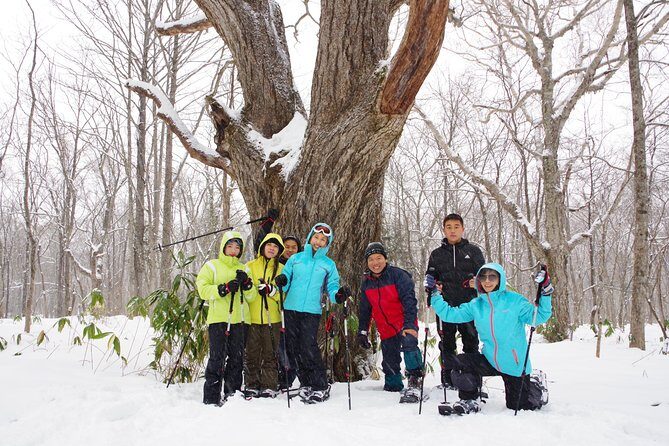
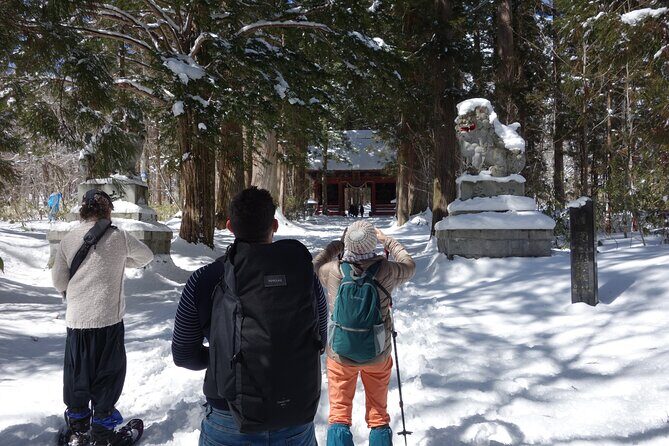
The first major moment is Togakushi Shrine Okusha. The magic here is the approach itself: you walk along rows of 400-year-old cedar trees blanketed in snow. This is the kind of scene where you feel like you’ve stepped inside a winter photograph—except you can hear your footsteps and feel the cold air settle on your face.
This area is also culturally meaningful. Togakushi is known for mountain worship traditions, and the shrine approach adds a strong sense of place to an outdoor activity. It’s not just scenery; it’s a living winter landscape tied to long-term practice in the mountains.
A practical heads-up: one guide-led day may not reach every point. There’s at least one safety situation where the Okusha shrine visit can be skipped due to avalanche risk. The tour is still worth it even with adjustments, but you should keep expectations flexible for winter conditions.
Stop 2: Lake Kagami—the frozen-lake moment
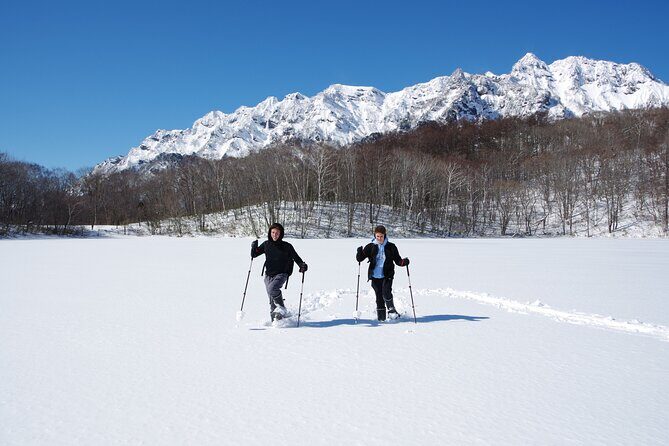
Lake Kagami is where the day turns from “forest adventure” into “winter wonderland.” The highlight is walking on a frozen lake, which is a different sensory experience than forest snowshoeing.
In the woods, you’re surrounded and moving through texture—branches, trunks, snow layers. On a frozen lake, you get a bigger feeling of space: a flatter surface, more open views, and a calmer horizon. It’s also the kind of place where you can notice how snow forms over time and how the ground behaves underfoot.
The guide’s job matters here. Even when it looks straightforward, frozen surfaces require careful route choices. That’s part of why a professional guide pace is a real benefit, not just a nice-to-have.
Stop 3: Myoko-Togakushi Renzan National Park and the giant-tree payoff
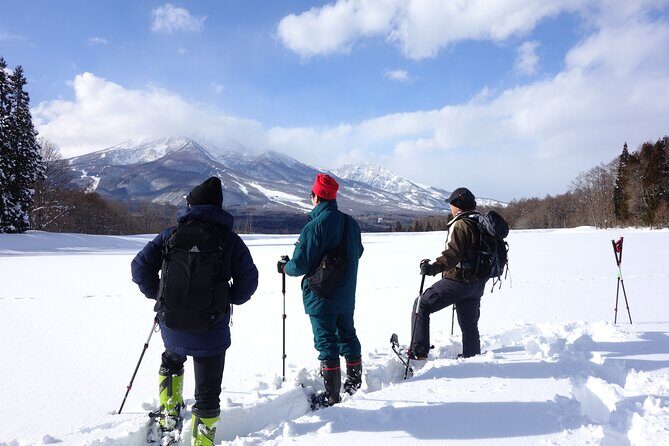
After the shrine-and-lake highlights, you move deeper into the area around Myoko-Togakushi Renzan National Park. This is where the tour leans into winter nature observations.
One thing I’d watch for is animal footprints. The tour focuses on noticing small signs in the snow—quiet evidence of wildlife activity that you’d miss on a typical hike. It turns the route into a kind of low-key mystery game: where did those tracks go, and what direction does it suggest?
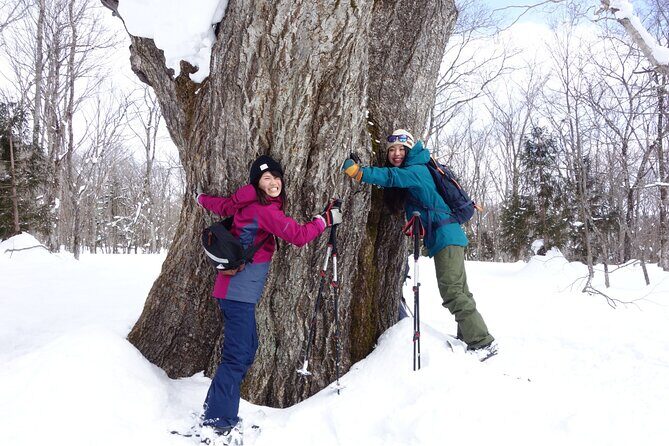
You’ll also hear about a giant tree reachable only in snowy season. That’s the kind of winter-only payoff that makes snowshoeing feel like a different activity, not just a seasonal version of summer trekking.
Pace, fitness, and gear tips that keep you comfortable
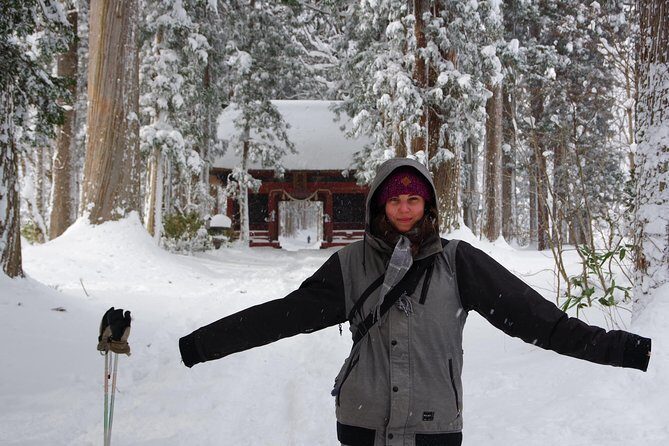
The tour is listed for travelers with moderate physical fitness. That usually means you’re walking for a few hours with some snow effort, not sprinting or climbing technical terrain.
Your comfort will depend on two things: your footing and your legs. Snowshoes help you spread your weight, but you’ll still feel the work—especially when snow is deep and uneven. A 5-hour outing can feel long if you’re underprepared, but the guide pace and regular pauses help.
Winter boots are the one gear area you may need to add. Boot rental costs an extra 1000 JPY if you need them, and sizes are limited. If you already have winter boots that fit well and keep your feet dry, that’s a clean way to keep costs down.
A quick sanity check before you book: if your main issue is cold-weather fear or long-walk stamina, plan for that now. This is a winter day outside. Bring the right layers and assume you’ll be outside long enough for hands and cheeks to notice it.
Coffee, snow “tables,” and why the small moments matter
The tour isn’t just about moving from one view to another. Guides build in warm breaks, and those breaks are more than a snack stop.
You’re offered coffee and warm drinks, and the guide may make a small table with snow during the outing. That kind of detail sounds playful, but it helps you slow down, warm up, and enjoy the surroundings without racing the schedule.
In the day’s feedback, Kouhei Nishida comes up repeatedly as a friendly presence—someone who keeps things informative while still feeling relaxed. One theme is that the experience stays fun even with some walking involved, which is exactly what you want in cold weather.
Price and value for a 5-hour small-group snowshoe day
At $97.98 per person for about 5 hours, this tour is priced like an all-in winter activity: gear rental is included (snowshoes and poles), plus an insurance fee. That’s important because winter tours often nickel-and-dime you at the last minute with equipment costs.
You should factor in two add-ons that can change your total:
- Boot rental (1000 JPY) if you need winter boots and your size is available
- Lunch is not included
Even with those points, it’s still a solid value if you’re arriving in Nagano without snowshoe gear. The small-group format (up to 8) and the included winter gear give you a lot of “real time outside” for your money, not just a short walk and a photo stop.
Who should book this snowshoe hike (and who should skip it)
This tour fits best if you want:
- A winter experience in Nagano that’s active but not extreme
- A guided day focused on forest + shrine + frozen lake
- An experience with included MSR snowshoes and poles, so you don’t have to source gear
It’s also a good option if you like learning a bit while you hike. The guide interaction style seems to keep the day both informative and easygoing, not lecture-heavy.
I’d think twice if:
- You’re unwilling to walk for several hours in snow
- You’re sensitive to cold and don’t want to layer up
- You expect every stop no matter what, since safety conditions (like avalanche risk) can change the route
Weather, route changes, and the avalanche risk reality
Winter tours are weather tours. This one specifically requires good weather, and if conditions aren’t right, you’ll be offered another date or a full refund.
Also keep in mind the mountains can change fast. There’s documented evidence that the tour route can adjust when avalanche risk is a concern—meaning you might not reach a certain shrine area on that day. This is one of those moments where “safety first” is not a slogan. It’s the whole game.
If you’re planning several days in Nagano, you’ll have an easier time rescheduling if you need it.
Should you book the Nagano Snowshoe Hiking Tour?
I think you should book this tour if you want a true winter “only here” day: the snow-covered cedar approach, Lake Kagami on foot, and the feeling of being guided through heavy-snow country rather than just thrown onto a trail.
It’s especially appealing if you don’t want to manage equipment logistics. Getting MSR snowshoes and poles included, plus a guide who makes breaks feel warm and human, turns it into a day you can focus on enjoying.
Skip it (or pick a different style of winter activity) if you’re chasing a guaranteed checklist of shrine stops regardless of conditions, or if you’re not comfortable walking in winter terrain. Winter has its own rules, and this tour runs under those rules.
If you’re flexible, moderately fit, and excited by the idea of walking on a frozen lake, this is a very good bet for Nagano in winter.
FAQ
How long is the Nagano Snowshoe Hiking Tour?
It runs for about 5 hours.
Where do I meet the tour?
The meeting point is Kurohime Station in Nagano, Japan. The tour ends back at the same meeting point.
Does the price include snowshoes and poles?
Yes. Snowshoe and pole rental are included, and there’s also an insurance fee included.
What extra costs should I expect?
If you need to rent winter boots, it’s 1000 JPY (boot availability and sizes are limited). Lunch is not included.
Is pickup available?
Yes, pickup is offered.
What’s the group size?
The tour has a maximum of 8 travelers.
Is the tour okay for beginners or only for advanced hikers?
It’s listed for travelers with a moderate physical fitness level.
What happens if the weather is bad?
This experience requires good weather. If it’s canceled due to poor weather, you’ll be offered a different date or a full refund. Free cancellation is allowed up to 24 hours in advance for a full refund.