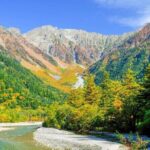
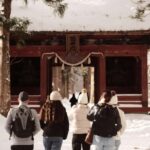
Rain or shine, Togakushi slows you down. This small-group walk with a guide takes you through sacred forests and Shinto stops, with a highlight lunch of Togakushi soba that many people look forward to. The main thing to consider is winter: several key viewpoints and shrines are snowed in, so plan around the season and wear proper shoes.
I like that the day is paced for real walking time, not “see it from the bus” tourism. You’ll get transport from Nagano, shrine visits along the forest paths, and time at Kagamiike Pond for that classic mirror-in-the-water effect. If you want a smooth, low-stress cultural outing with food that tastes like the place, this is a solid pick.
In This Review
- Key highlights worth aiming for
- Entering Togakushi’s sacred forest trails
- Price and value: what $156.55 buys you
- Timing, walking pace, and what to plan for
- Beck’s Coffee and the Nagano start you don’t want to rush
- Kagamiike Pond: mirror reflections and seasonal limits
- Tenmeiinari Shrine: red gate energy on the way to Okusha
- Okusha Shrine and the Zuishinmon gate: the cedar corridor
- The meaning behind the Okusha shrine stop
- Kuzuryusha Shrine: nine-headed dragon, rain prayers, and matchmaking
- Chusha Shrine, Hokosha, and the soba you came for
- Houkosha Shrine and learning tied to agriculture
- Optional museums and the Zenkoji Temple add-on
- Small-group guide time: why it matters on a shrine walk
- When to go: season choices and winter reality checks
- Who this tour is best for
- Should you book the Togakushi sacred forest and soba tour?
- FAQ
- How long is the Togakushi walking tour?
- Where do I meet the guide?
- Is lunch included?
- Is the Ninpo (Ninja) Museum included?
- Can I access Kagamiike Pond in winter?
- Are there any winter limits for the shrine stops?
- What fitness level do I need?
- How many people are in the group?
Key highlights worth aiming for
- Kagamiike Pond (mirror reflections) when weather and season allow, plus photo time in the green season
- Okusha Shrine approach through 400-year cedar trees, including the Zuishinmon gate
- Shinto stories with meaning, like the god of strength linked to Amaterasu
- Lunch included at Togakushi soba, a top local dish for a reason
- Small group size (max 12), so you can ask questions and keep a comfortable pace
- Flexible add-ons like Zenkoji Temple and optional museums, based on interest and timing
Entering Togakushi’s sacred forest trails
Togakushi is not about one famous building. It’s about the walk between shrines—past cedar trees, mossy paths, stone and wood details, and Shinto statues you notice more when you’re moving slowly. With a guide, you also get the “why” behind what you’re seeing: the shrines connect to myths and agricultural life, not just sightseeing.
The vibe is quiet and grounded. You’re in a national-park setting around Mt. Togakushi (about 1,100m elevation), so the air feels different from Nagano Station. Even on a rainy morning, the area’s sense of calm carries through.
Other Togakushi shrine and forest tours in Nagano


Price and value: what $156.55 buys you
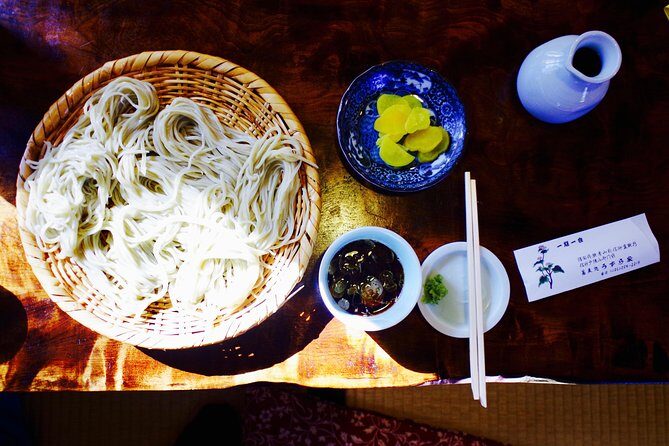
At $156.55 per person for roughly 4 to 6 hours, you’re paying for a bundle: guide, transport to and from the Togakushi area, and an included Togakushi soba lunch. For a day built around multiple stops, it’s usually more efficient (and less stressful) than trying to string everything together with transit and local schedules.
Two value points matter most for this tour:
- You’re not just getting “a meal and a shrine.” You get context for the shrine route, plus the route pacing that makes a forest walk enjoyable.
- Lunch is included, and it’s the same soba tradition people travel for. Extra drinks and other snacks are on you, but the main meal is covered.
Also, the tour is small-group (max 12) and you’ll receive a mobile ticket, which cuts down on last-minute fuss.
Timing, walking pace, and what to plan for
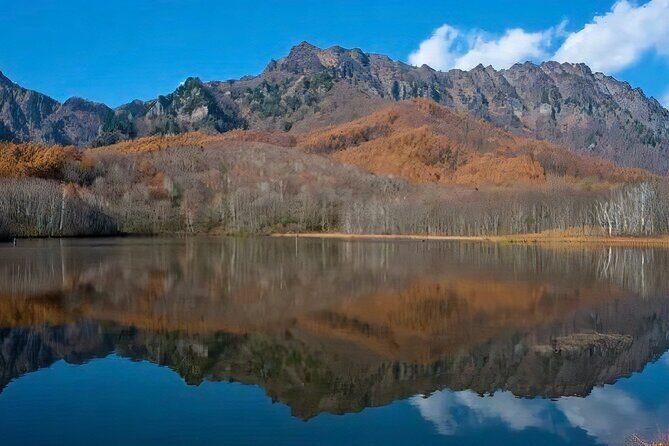
This is a walking tour with moderate physical fitness as the expectation. The day’s total time is listed at 4 to 6 hours, but your actual length depends on pace and conditions. If rain hits, Togakushi can feel cold even in summer, so bring layers.
A few practical points to take seriously:
- Wear suitable shoes for uneven forest paths.
- There’s no strollers option, so if you’re traveling with kids, plan accordingly.
- If you arrive late, the tour can’t be extended, so aim to be early at the meeting point.
- They also suggest leaving buffer time afterward, since pace can vary.
For most people, the effort is manageable. The key is to be comfortable walking on foot for stretches through the forest.
Beck’s Coffee and the Nagano start you don’t want to rush
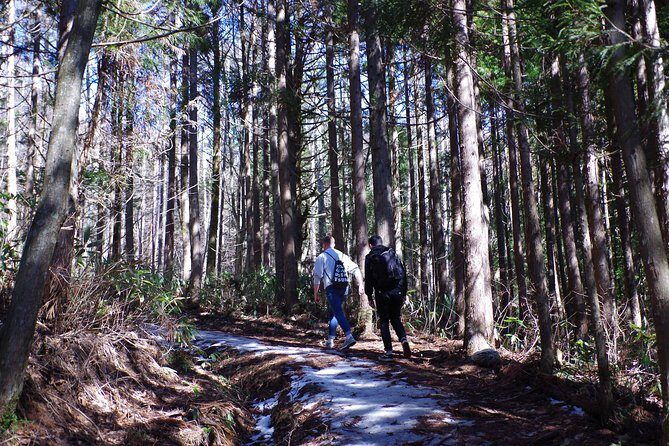
The day begins at Beck’s Coffee Shop in front of the shop at Nagano Station (right outside the Shinkansen ticket gates). There’s a quick stop there, then you’ll board the vehicle with your guide heading toward Togakushi.
It’s a good start layout: you’re in a transit hub, and the tour handles getting you out of the city. The ride time is about 40 minutes, then you start the walking portion once you reach the Togakushi area.
Kagamiike Pond: mirror reflections and seasonal limits
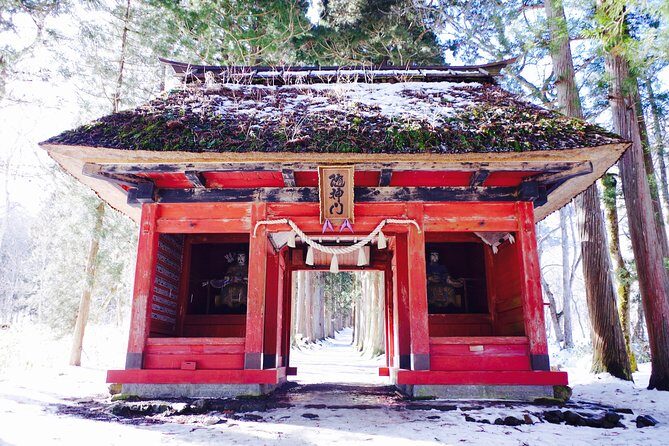
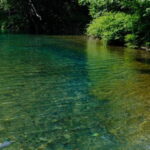
One of the best-known visuals here is Kagamiike Pond, where you can see Mt. Togakushi reflected on the water like a mirror (that’s the idea behind “Kagami”). You’ll have about 20 minutes at the pond area.
In warmer seasons, this is the kind of stop where you slow down. The green surroundings, forest cover, and mountain reflections feel almost still.
Important seasonal note: Kagamiike Pond is not accessible in winter due to snow. If you’re traveling in the cold months, plan on swapping your expectations toward the cedar-lined shrine paths that may still be enjoyable, even if certain viewpoints are closed.
Other walking tours we've reviewed in Nagano
Tenmeiinari Shrine: red gate energy on the way to Okusha
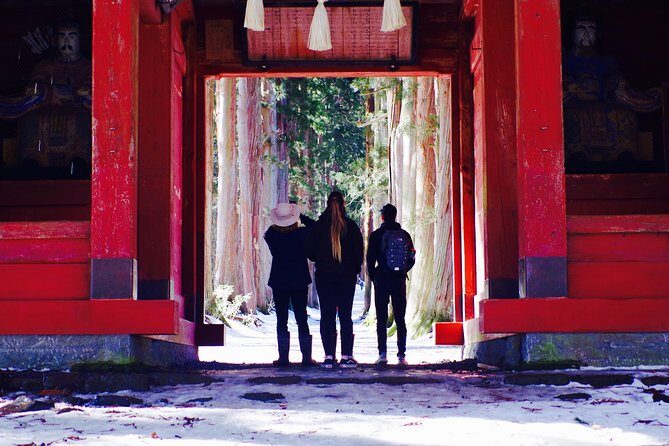
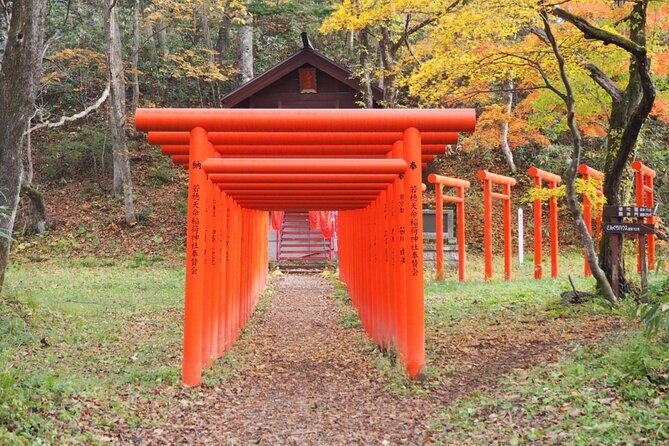
After Kagamiike, the route leads you toward the Tenmeiinari Shrine area. The standout here is a line of red Shinto gates, a visual rhythm that looks great in photos and feels special even when the rest of the forest stays quiet.
You’ll get about 20 minutes for this segment. The tour also flags another winter concern: this spot is not accessible during winter months due to snow. In other seasons, it’s one of the more colorful moments in the overall cedar-and-stone setting.
Okusha Shrine and the Zuishinmon gate: the cedar corridor
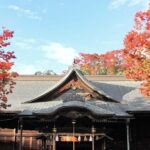
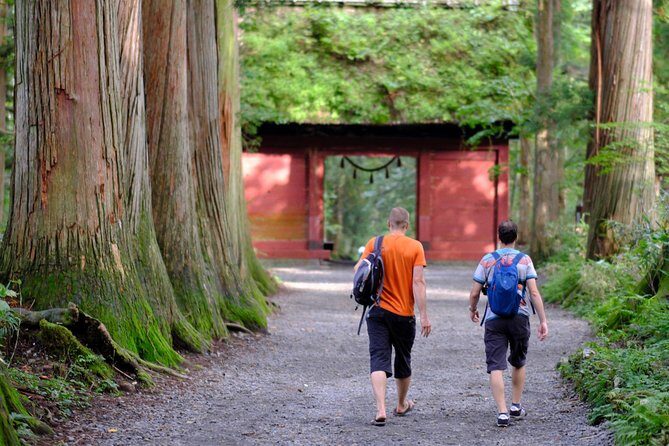
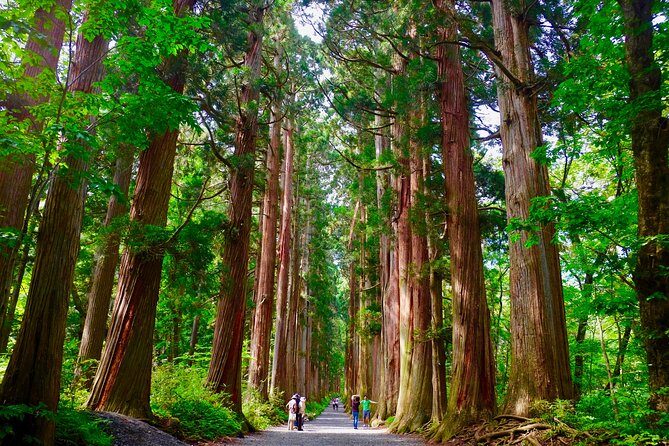
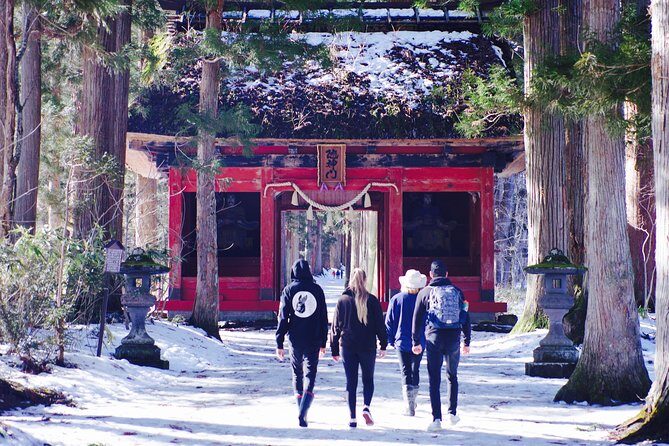
The Okusha area is where Togakushi really earns its reputation. You walk in toward the Oku-sha region, a journey described as about 2km through the forest. Your path is anchored by massive cedar trees and the Zuishinmon gate, a big red presence at the entrance of this mountain shrine approach.
The experience is memorable because it’s not just “pretty trees.” These cedars create a kind of natural hallway, and they help you feel the transition from ordinary walking to sacred-space walking. The main hall sits on the mountainside of Mt. Togakushi, so your final approach matters.
Two key notes:
- You’ll have multiple stops in this Okusha zone, including time around the approach area and then time at the innermost shrine.
- In winter, the Okusha shrine itself isn’t accessible due to snow, but you can still enjoy the cedar-lined path and the winter scenery along the way.
The meaning behind the Okusha shrine stop
At Okusha Shrine (the innermost of the five Togakushi shrines), the shrine enshrines the god of strength, connected to a story about moving a rock so Amaterasu could come out of hiding. That single detail changes how you read the forest route. You’re not just looking at architecture and trees—you’re walking a path tied to a specific myth.
The guide’s role matters here. With a local guide, those stories land better than they do from a brochure.
Kuzuryusha Shrine: nine-headed dragon, rain prayers, and matchmaking
Next comes Kuzuryusha Shrine, dedicated to a nine-headed dragon that governs water. This isn’t just folklore for fun. Farmers make prayers for rain here, connecting the shrine tradition to real agricultural life.
It’s also worshipped as a god of matchmaking, so you get a mix of themes that feels very human: weather, survival, and relationships. It’s a reminder that Shinto spaces often serve everyday needs, not only dramatic spiritual moments.
Again, winter affects access: Kuzuryusha Shrine is not accessible during winter due to snow, but the tour notes that you can still enjoy the cedar-lined path and serene winter scenery along the way.
Chusha Shrine, Hokosha, and the soba you came for
After the cedar-heavy shrine route, you get your food payoff at Chusha Shrine. Chusha is the middle shrine and is dedicated to Tajikarao-no-Mikoto, described as the god who brought light back to the world. The approach is cedar-lined, and the traditional shrine setting reinforces that sense of stepping into a quieter, older Japan.
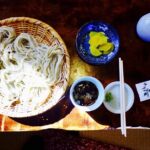
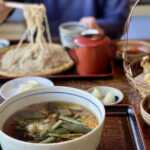
Then you’ll eat lunch: Togakushi soba at a local restaurant, and it’s specifically framed as one of Japan’s famous soba dishes. The lunch is included, and you’ll have about 1 hour here with the meal.
This is the part that got praised the most in the feedback I’d pay attention to. One guide, Masa, is repeatedly highlighted for steering people to an authentic soba experience. On a rainy morning, it’s the kind of comfort food that makes the whole day feel worth it.
A small practical note: extra drinks and food are available to purchase, so if you have strong tea or coffee cravings, plan to buy it during your stops. Also, the tour asks you not to eat or drink coffee inside the vehicle to keep things clean.
Houkosha Shrine and learning tied to agriculture
Later, you’ll visit Houkosha (the lower shrine), linked to Ame-no-Uwaharu—a deity associated with learning and agriculture. This stop is shorter at around 15 minutes, and it fits the pattern of Togakushi: strong ties to daily life, not just scenic walking.
Winter note: Houkosha may not be accessible during winter due to snow. Even so, the cedar paths and quiet atmosphere are still part of the point of coming.
Optional museums and the Zenkoji Temple add-on
If you want more than shrines and forests, there’s an option for museums in the Togakushi area: Togakushi Folk Museum and an optional visit to the Togakure Ninpo Museum (Ninja Museum). The ninja museum admission is not included, and it’s also noted as closed during winter.
If you’re a museum person, this can add variety without breaking the flow of the day. If you’re not, you can treat it as a bonus rather than a requirement.
There’s also a Zenkoji Temple option with convenient pickup and return back to Nagano Station. The tour data doesn’t spell out timing details for Zenkoji beyond that pickup convenience, so if you choose it, plan on using your time carefully and keeping an eye on the day’s total pacing.
Small-group guide time: why it matters on a shrine walk
The tour caps at 12 travelers, and that’s more than a number. On routes like Togakushi, where you walk among trees and multiple shrines, a small group helps you:
- hear explanations clearly without a crowd bottleneck
- ask questions when something catches your attention
- keep the day from turning into a “run, pose, move on” checklist
In the feedback, the guide quality shows up as a main reason people feel satisfied. The soba recommendation is one standout, but the guide’s knowledge of the local area is the other. When you understand what you’re looking at—like why a shrine matters or how a story links to the place—the walk feels less random.
When to go: season choices and winter reality checks
This is a tour where season can change access. The itinerary flags snow closures for multiple stops:
- Kagamiike Pond: not accessible in winter
- Tenmeiinari Shrine red gate area: not accessible in winter
- Okusha Shrine itself: not accessible in winter, though the cedar-lined path may still be a beautiful walk
- Kuzuryusha Shrine: not accessible in winter
- Houkosha Shrine: may not be accessible in winter
- Ninja Museum: closed in winter
So if you’re traveling in winter, the experience becomes more about the cedar corridors and winter scenery than about reaching every shrine interior point. That can still be special, but it’s smart to set expectations.
Who this tour is best for
I think this works best for you if:
- you enjoy walking in forests and learning the meaning behind places
- you’re food-motivated and want Togakushi soba done right
- you like having a guide who can connect stories to what you see in front of you
- you want a manageable day trip from Nagano without complex planning
You might want a different plan if you’re expecting full access to all key stops in winter, or if walking for several segments through uneven ground is hard for you.
Should you book the Togakushi sacred forest and soba tour?
If your idea of a great day is simple: a guide, forest paths, meaningful shrine stops, and a meal you’ll talk about later, then yes, book it. The included lunch, the small-group attention, and the way the route ties stories to place are the big wins.
Just be strategic about season. If you’re going in winter, plan for some closures and focus on the cedar-lined walking experience that still happens. And if you’re unsure where to start in Togakushi, this tour handles the route and timing so you can spend your energy looking up at the cedars and savoring the soba instead of figuring out logistics.
FAQ
How long is the Togakushi walking tour?
The tour duration is listed as about 4 to 6 hours, depending on walking pace.
Where do I meet the guide?
You meet at Beck’s Coffee Shop at Nagano Station (just outside the Shinkansen ticket gates).
Is lunch included?
Yes. You’ll have a lunch of Togakushi soba at a local restaurant, and it’s included in the tour.
Is the Ninpo (Ninja) Museum included?
It’s optional. The Ninpo Museum entrance fee is not included, and it’s noted as closed during winter.
Can I access Kagamiike Pond in winter?
No. Kagamiike Pond is not accessible during winter months due to snow.
Are there any winter limits for the shrine stops?
Yes. The tour notes that several areas are not accessible in winter due to snow, including Tenmeiinari, parts of the Okusha area (shrine not accessible, though the cedar-lined path may still be enjoyed), and Kuzuryusha. Houkosha may also be affected.
What fitness level do I need?
The tour recommends moderate physical fitness and includes a forest walking route.
How many people are in the group?
The group size maximum is 12 travelers.
![[One-day bus tour departing from Kanazawa Station] Shirakawa-go and Gokayama - Two World Heritage Villages Enjoyable Bus Tour - Michi-no-Eki Shirakawago: a quick orientation stop with real souvenir fuel](https://www.japan-alps.com/wp-content/uploads/2026/05/one-day-bus-tour-departing-from-kanazawa-station-shirakawa-go-and-gokayama-two-world-heritage-villages-enjoyable-bus-tour.jpg)