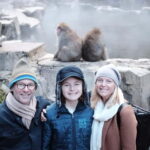
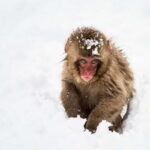
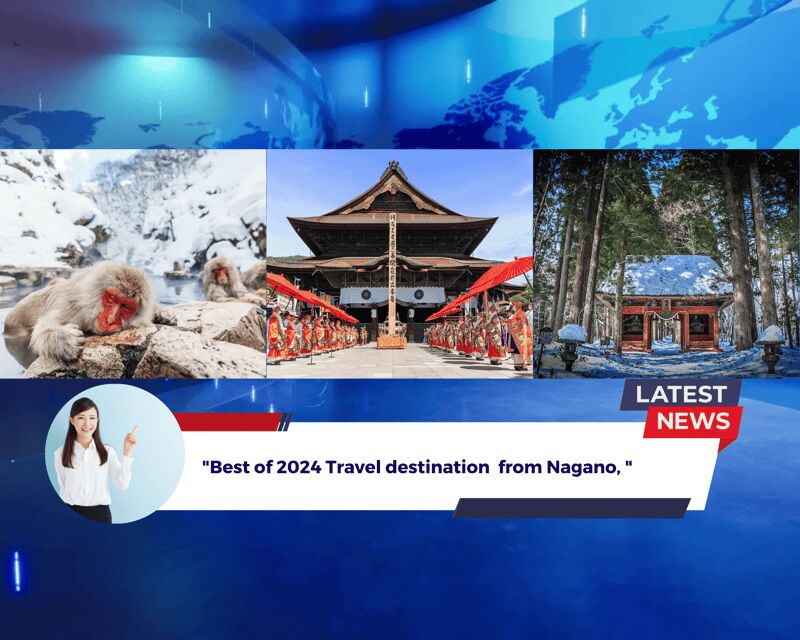
You’re going to work for those snow monkeys a bit. And that effort is part of the payoff, because Jigokudani puts you up close to wild Japanese macaques in a mountain hot-spring setting. What makes this day different is the way it’s built around real logistics: a local route with a private car so you’re not wrestling transfers just to see one iconic spot.
I especially like two things. First, your afternoon is flexible: you choose an add-on like Togakushi, Shibu Onsen, Obuse, or Zenko-ji, depending on the season and what you’re in the mood for. Second, you’re not stuck with a rigid checklist—your guide can steer your choices and even turn travel time into extra sightseeing. The one drawback to plan for: you’ll need to handle a 30–40 minute scenic walk to reach the viewing area at Jigokudani, and winter can mean ice underfoot.
In This Review
- Key things to know before you go
- A private Snow Monkey day that actually fits your schedule
- Jigokudani Monkey Park: what the 30–40 minute walk is really like
- Your Nagano break: keep lunch simple and let your guide choose
- Togakushi Shrine: cedar forest calm at Okusha and Zuishinmon
- Shibu Onsen: onsen town vibes for a storytelling kind of afternoon
- Obuse town: art, sake, miso, and chestnut sweetness
- Zenko-ji: the old temple plus the fun side streets
- Seasonal detours that change the whole mood
- April: Garyu Park cherry blossom scenes
- May to October: Shiga Kogen UNESCO forest and an emerald-lake escape
- The family photo moment: more useful than you think
- Private guide energy: the difference between facts and stories
- What you’ll actually pay and where the value comes from
- Comfort, safety, and who this day trip fits best
- Should you book Snow Monkeys & Best of Nagano?
- FAQ
- What’s the main attraction on this tour?
- How hard is the walk at Jigokudani?
- What’s included in the tour price?
- What isn’t included?
- Can I customize what I do after the monkey park?
- When do the snow monkeys typically visit the park?
- Is pickup available from Nagano Station and hotels?
Key things to know before you go
- Private driver + local route: fewer transit hassles, more time outside.
- Choose your afternoon: Togakushi shrines, Shibu Onsen, Obuse town, Zenko-ji, or seasonal nature.
- Snow monkeys timing: late Nov–July is best for macaques in the park; April can bring newborn season energy (June is birthing season).
- That walk matters: 30–40 minutes each way, often slippery in colder months.
- Family photo gift: your guide uses their camera to get everyone in the frame.
- Bring your own pace: your group is private, so you can linger at viewpoints.
A private Snow Monkey day that actually fits your schedule
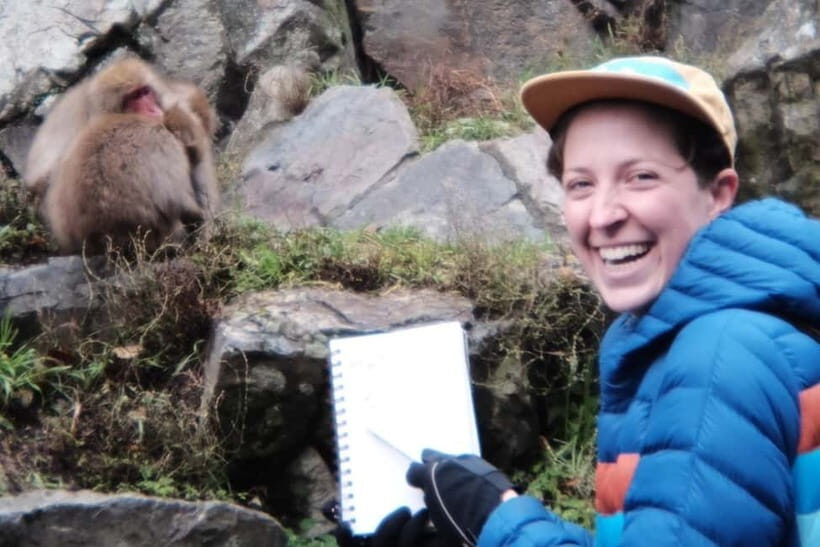
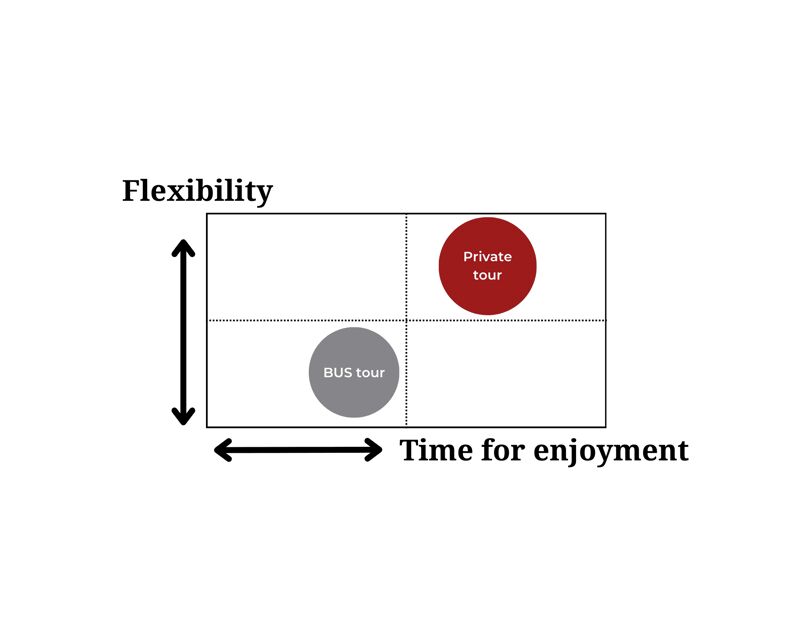
Nagano can feel like a puzzle if you only use trains and buses. This experience solves that by using a comfortable private vehicle with a driver and a route designed for your time window. You’re picked up from one of several locations (including Nagano Station and multiple areas around Nagano), and then you’re sent out in one shot toward Jigokudani and your chosen follow-up stops.
That matters for two reasons. One, Jigokudani isn’t just “go and arrive.” There’s walking, timing, and weather. Two, once you’re done with the monkeys, the best part of Nagano is spread out. Private transport gives you the freedom to hit the next place without burning half the day just getting there.
I also like the flexibility built into the whole flow. The tour is structured enough to keep you from missing key moments, but your guide can adjust the afternoon based on what you want—shrines and cedar forest vibes, onsen-town relaxation, art-and-food wandering, or temple-hopping in central Nagano.
Other snow monkey tours we've reviewed in Nagano

Jigokudani Monkey Park: what the 30–40 minute walk is really like
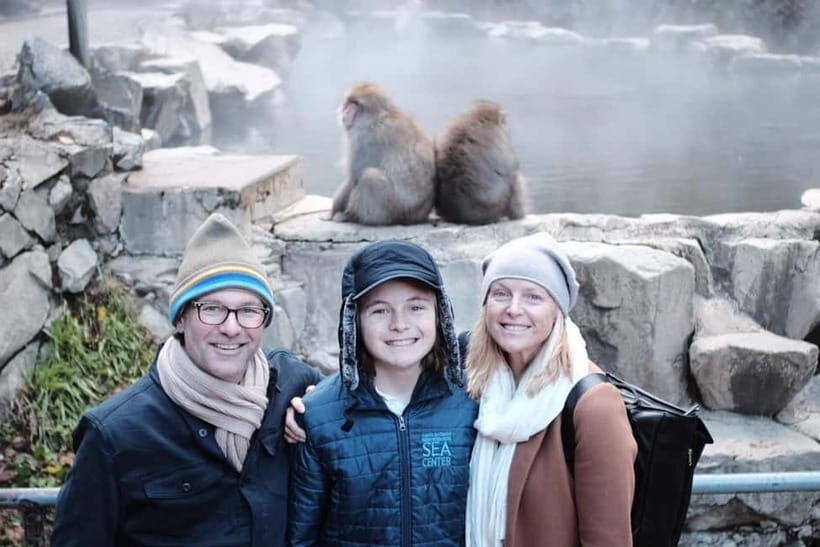
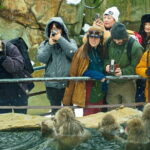
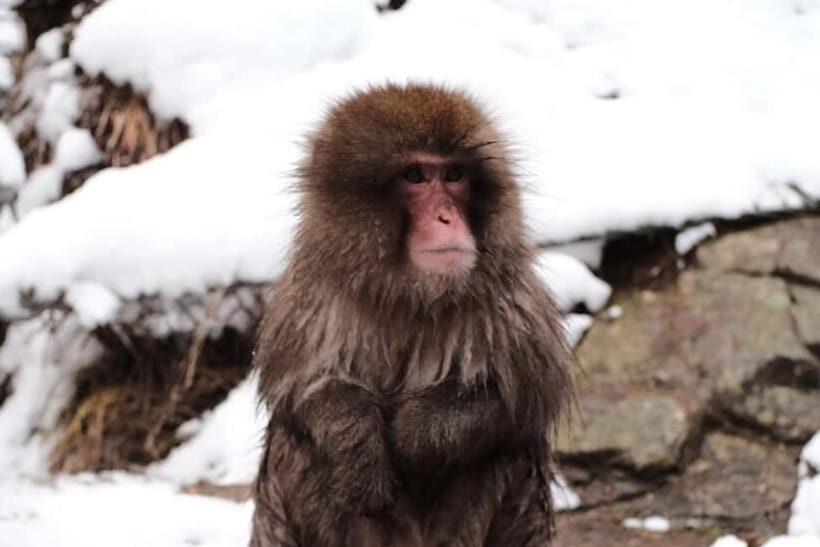
The big star of the show is Jigokudani Snow Monkey Park. You’ll spend about three hours in the area—long enough to watch macaques settle into routines, wander, and (when the park’s active) visit the hot spring zones.
Before you even reach the viewing area, you’ll do a 30–40 minute scenic walk. In winter, expect snow and ice. A review I read noted the ground can be icy, and a guide offered support and even let guests borrow crampons. Another practical tip from the same experience: you can also find gear options at the start of the walk area if conditions are rough.
Here’s how I’d plan for it:
- Wear comfortable shoes with traction. Sneakers with a good grip are better than fashion boots with smooth soles.
- Bring water. You’re walking in mountain air, and it’s easy to underestimate how warm you’ll feel once you’re moving.
- If it’s cold, dress in layers. You’ll get a workout on the uphill stretches, then cool off again while you stand around watching.
What to look for: Japanese macaques come and go, but the park is famous because you can often see groups hanging out near the hot spring areas. The wild timing depends on season. Late November through July is the usual window when the monkeys visit the park. If you’re traveling in November, you may catch the start of winter behavior—monkeys descending to prepare for colder weather. If you’re there in April to July, that’s when you can sometimes see a more dramatic “family life” scene in the open.
If you’re a photographer or just love watching nature, this is where patience pays. You’ll get more out of standing still for a while than racing from one spot to another.
Your Nagano break: keep lunch simple and let your guide choose
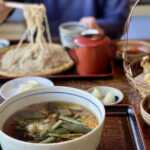
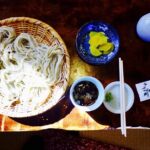
After the monkeys, you get a lunch stop in Nagano. Lunch is not included in the tour price, which is actually a good thing for real travelers: it keeps choice flexible. Your guide can recommend a local restaurant based on what you like and what’s available that day.
You’ll also notice the tour keeps lunch time fairly contained (about an hour). That’s helpful because Jigokudani can run long depending on weather and walking pace. If you’re worried about being rushed, don’t be. This format is built around keeping the day relaxed even when you add an afternoon plan.
One small tip from firsthand experience: there’s a local apple pie moment people love near the park area, and it can work well if you’re hungry before you head back down.
Togakushi Shrine: cedar forest calm at Okusha and Zuishinmon
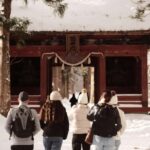
If you pick Togakushi Shrine (Okusha / main shrine area) as your afternoon, you’re swapping hot spring monkeys for a very different kind of power: quiet, sacred woodland. You’ll go with a guided visit (about three hours) that focuses on key shrine areas like Zuishinmon.
The standout detail here is the setting. Togakushi is known for its cedar avenues that feel like a “forest bath.” The guide brings it to life by explaining what you’re walking through and why it matters to local spirituality. It’s the kind of stop where you notice sound changes under tree cover and you slow down without trying.
A big bonus for food lovers: you can finish with Togakushi soba made with pure mountain spring water. You’re not doing this as a tourist performance. It’s a practical reward after a shrine walk—something warm and grounded.
Potential drawback: if you want pure city bustle after Jigokudani, this can feel calm and slower. But if you want that contrast—wild monkeys, then sacred stillness—it’s a great combo.
Shibu Onsen: onsen town vibes for a storytelling kind of afternoon
If your style is slower streets and hot-foot baths, choose Shibu Onsen. Your guide brings you through the guided portion (about two and a half hours), and you’ll get that nostalgic onsen-town mood people associate with Japanese animation style.
What makes Shibu feel worth the time here:
- You’ll hop between foot baths, so you’re not just looking—you’re participating.
- There’s room for local drinks and small stops, including a craft beer brewery option.
- Your guide will recommend a local lunch based on availability and your preferences.
This afternoon is perfect when you want a break from walking intensity. It’s also a good pick for couples and families who want “simple enjoyment” after the monkey park effort.
Other Zenkoji and Nagano temple tours

Obuse town: art, sake, miso, and chestnut sweetness
Choose Obuse when you want your afternoon to taste like Nagano. You’ll spend about two and a half hours wandering with guidance through town highlights, including traditional miso and sake breweries and art connections such as Hokusai’s work.
The food angle here is strong. A common “you’ll thank yourself” moment is the chance to indulge in chestnut sweets. It’s a local flavor that feels distinct from the usual ramen/sushi rotation.
What I like about Obuse in this itinerary: it’s not just shopping. You’re seeing how local production and art traditions coexist, and the guide can point out what to notice so you don’t just drift.
Possible drawback: if you’re traveling with strict timing and want nonstop action, Obuse may feel like slow strolling. That’s not a flaw—it’s just a match issue.
Zenko-ji: the old temple plus the fun side streets
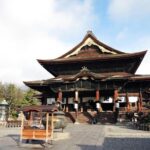
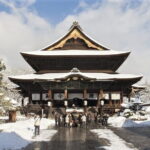
If you want a central Nagano feeling, go with Zenko-ji. It’s a 1,400-year-old National Treasure, and the guided visit (about two and a half hours) focuses on the main temple area and then helps you find the lively parts around it.
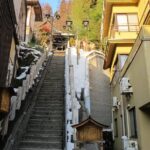
The best part isn’t only the big landmark. You’ll also explore hidden alleys and renovated warehouse-style cafe streets where you can find modern matcha shops and small artisan boutiques. This is the stop that turns a temple visit into an actual wandering afternoon.
One consideration: Zenko-ji is popular. Even with a guided visit, you’ll want to keep moving and not expect every corner to be empty and quiet.
Seasonal detours that change the whole mood
This experience is flexible not only by choice, but also by season. Two big seasonal options are built in, and which one you get depends on timing.
April: Garyu Park cherry blossom scenes
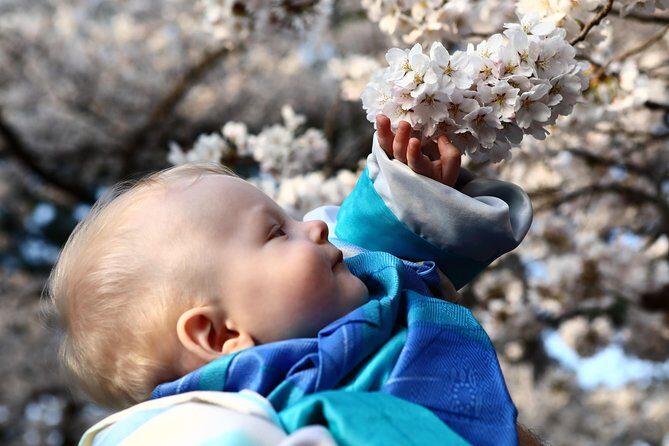
If you travel in April, there’s an exclusive sakura viewing option. Early April can mean 1,000 cherry trees reflecting over the lake at Garyu Park. Mid-April and later can bring a 4 km tunnel of yaezakura blossoms plus yellow canola flowers along the river.
Even if you aren’t a serious flower-chaser, this can be the most photogenic part of the day. It also gives you a warmer, gentler finish after cold weather walking—if conditions are right.
May to October: Shiga Kogen UNESCO forest and an emerald-lake escape
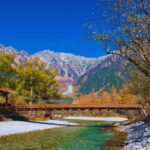
If you go May–October, you may get Shiga Kogen UNESCO Forest, one of the top local picks for escaping summer heat or enjoying autumn color. This area is part of a UNESCO biosphere reserve, and the stop includes reaching a hidden acid emerald lake—with the possibility of spotting seasonal wildlife in its natural habitat.
This option is ideal when you want nature that feels deeper than a single scenic viewpoint. You’ll have more time out in the landscape (the literal kind), and you’ll feel the change from town streets.
The family photo moment: more useful than you think
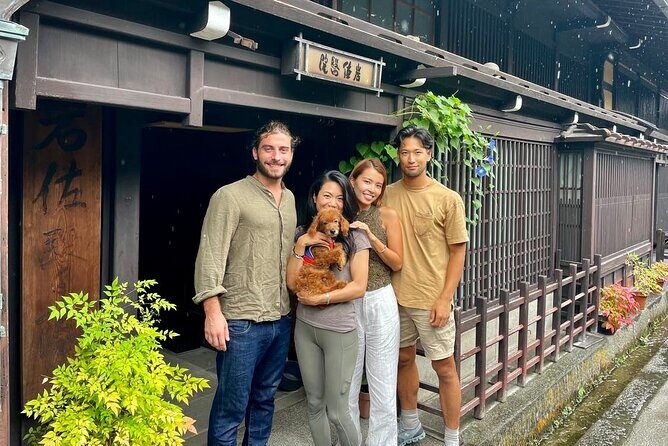
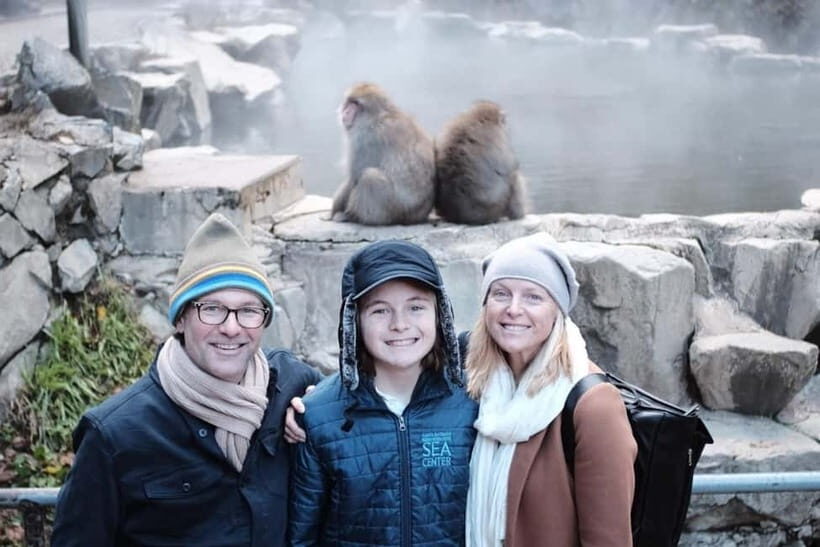
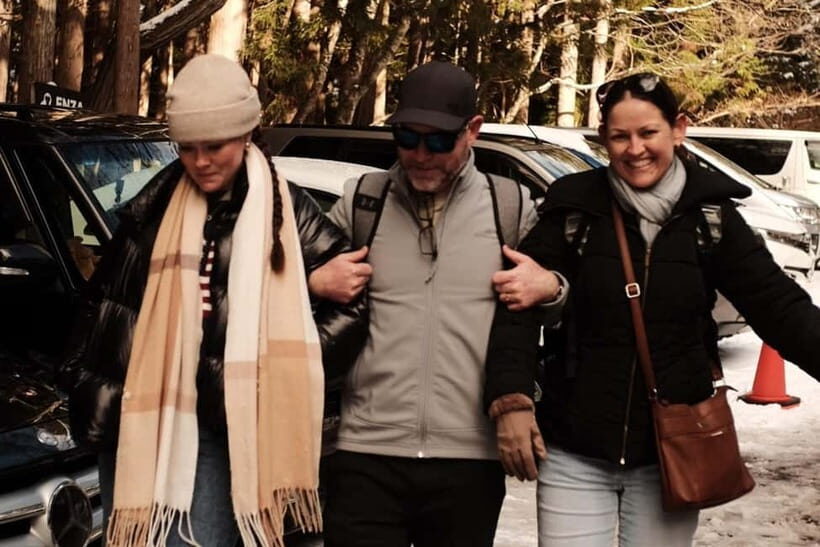
One detail I really appreciate is that the tour includes a photo gift. You’ll take a break from filming everyone on your phone, and your guide uses a camera to capture your whole group in frame.
It sounds small until you’ve traveled with family—then it turns into a big deal. You get fewer awkward “one person holds the phone” moments and more real smiles that actually look like your day.
And here’s the practical part: because you’re on a private tour, the guide can work around your walking pace and location choices. You’re not fighting a crowd for the same spot at the same time.
Private guide energy: the difference between facts and stories
A strong part of this experience is the guide style. Across different bookings, guides are praised for being friendly, confident, and helpful with real-world issues like icy paths.
For example, I saw praise for guides named Dai, Graham, Graeme, and Chris—each described as sharing local insights on Nagano and Japan, and in at least one case supporting safety during slippery conditions. That combination matters. Snow Monkey days can go wrong if you feel unprepared. A guide who stays calm and communicative helps you focus on the monkeys, not on slipping.
So when you book, I’d treat the “English-speaking guide” as a major part of the value, not a minor add-on. This itinerary works because the guide helps you see what matters at each stop.
What you’ll actually pay and where the value comes from
The listed price is $126 per person for about 5 hours (or longer, up to 570 minutes depending on the schedule). That price covers a lot of the costly day-trip stuff that adds up fast if you arrange it yourself: private transport, parking, tolls, fuel, vehicle insurance, and an English-speaking guide.
Admissions and lunch are not included, which is important for budgeting:
- Jigokudani Snow Monkey Park admission is paid on-site.
- Adult admission is 800 yen, child is 400 yen, and children under 6 are free.
- Lunch is up to you, based on what your guide recommends.
So is it worth it? For most people, yes—if you factor in the cost of a private car plus the time saved navigating from place to place. The real value is not just convenience. It’s the ability to keep the day paced properly: three hours at the monkeys, then a coherent afternoon plan without wasting time.
If you’re traveling with kids, the value often feels even better, because everyone gets the logistics help and the day stays organized. If you’re an independent type and you’re confident with Japanese transport, you could do it cheaper. But you’d be trading away flexibility and that “we’re handling it” comfort.
Comfort, safety, and who this day trip fits best
This tour is set up for a private group, which generally means you’ll move at your pace without a big group schedule. That helps on the tricky parts—especially the walk to Jigokudani.
Just be realistic about physical effort. You need comfortable shoes, and the walk is required. The tour is not suitable for wheelchair users, based on the walking requirements and access needs.
Best matches:
- Families who want everyone included (and not missing from the camera frame).
- First-timers in Nagano who want a strong “best-of” day without planning stress.
- People who have a train connection and need a reliable plan back on schedule.
- Travelers who like a mix of nature plus food plus culture, instead of only one theme.
If you’re traveling in winter, be extra ready for ice. One guest noted they were able to borrow crampons and still enjoyed the walk. That’s a sign the guide system can help, but you should still bring proper footwear and expect some uneven footing.
Should you book Snow Monkeys & Best of Nagano?
I’d book this if your top priority is seeing snow monkeys without turning your day into a transit project. The private car, the flexible afternoon choices, and the guide support for practical issues make it a smart fit for limited time.
I’d think twice if you hate walking outdoors in cold weather, because the required 30–40 minute walk to Jigokudani viewing areas is the hard part of the whole experience. And if you’re expecting wheelchair-friendly access, this isn’t the right option.
If you match the walking reality and you want a day that balances wild nature with real Nagano culture—shrines, onsen towns, art-and-food stops, and seasonal scenery—this is a strong pick.
FAQ
What’s the main attraction on this tour?
The highlight is Jigokudani Snow Monkey Park, where you spend about 3 hours sightseeing. Your guide also helps you with timing, viewpoints, and the route to get to the viewing area.
How hard is the walk at Jigokudani?
A 30–40 minute scenic walk is required to reach the viewing area. In winter, the ground can be icy, so wear comfortable shoes and be prepared for slippery conditions.
What’s included in the tour price?
The price includes a private English-speaking guide, a comfortable private vehicle with driver, hotel or station pickup and drop-off, parking and highway tolls, fuel and vehicle insurance, and tax/service charges.
What isn’t included?
You pay admissions on-site (including 800 yen for adults and 400 yen for children, with free entry for children under 6) and lunch is not included. Your guide can recommend where to eat.
Can I customize what I do after the monkey park?
Yes. After Jigokudani, you can choose your afternoon option such as Togakushi Shrine, Shibu Onsen, Obuse, or Zenko-ji, plus seasonal options depending on the month.
When do the snow monkeys typically visit the park?
The monkeys usually visit from late November to July. You may see differences in behavior across seasons, and the guide can explain what to expect based on your travel dates.
Is pickup available from Nagano Station and hotels?
Yes. There are multiple pickup options, including station pickup at Nagano Station’s Zenkoji Exit (meet at the taxi stand by the police box). Hotel pickup is available too, based on the lodging details you share in advance.