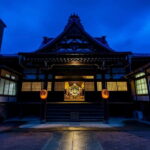
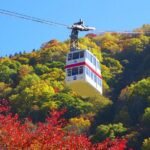
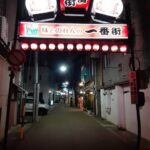
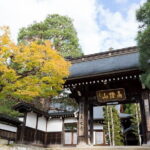
Gujo Hachiman feels like a time machine. I really like the hilltop castle views and the hands-on replica food making. The only real downside: you’ll do some walking, and lunch isn’t included, so you’ll need to plan for food on your own in town.
This is the kind of day where an excellent guide makes the details land. With English-speaking guide Hemi, you connect the dots between samurai rivalries, how the town’s layout works with water, and seasonal folk dances you can only catch for part of the year. The museum stops help too, because you’re not just looking at artifacts—you’re learning why these traditions developed where they did.
You start from Takayama Station at 9:00 am and you’re back there by the end of the day. It’s about 8.5 hours total, and that includes travel time, so it’s long enough to feel complete without turning into a slog.
In This Review
- Key things I’d circle on your planning sheet
- Why this Takayama to Gujo Hachiman trip feels special
- From Takayama Station to mountain Gujo: what to expect
- Gujo Hachiman Castle: hilltop views plus a story you can picture
- Folklore Art Museum: understanding why traditions grew here
- Castle town time: lunch break and real street atmosphere
- Hands-on replica food crafting: the most memorable part of the day
- Getting the most from the ride and seasonal timing
- Price and value: what you’re paying for at $207.19
- Group size, pace, and what to bring
- Who this tour suits best
- Should you book it?
- FAQ
- How long is the Takayama to Gujo Hachiman tour?
- What time does the tour start?
- Where do I meet the group?
- When does the tour end?
- What’s included in the price?
- Is lunch included?
- Do I need to bring tickets?
- How big is the group?
- What languages are available for the guide?
- Is there free cancellation?
- Are service animals allowed?
Key things I’d circle on your planning sheet
- Castle on the hill with panoramic views and an included ticket
- Folklore Art Museum that explains how nature and history shaped local tradition
- Hands-on replica food crafting (including the fun gunkan and sushi angle)
- Slow-stroll town time with traditional shops and a lunch break on your schedule
- A small group size (up to 40) that keeps the day more manageable
- Scenic seasonal timing on the ride in, especially in autumn
Why this Takayama to Gujo Hachiman trip feels special
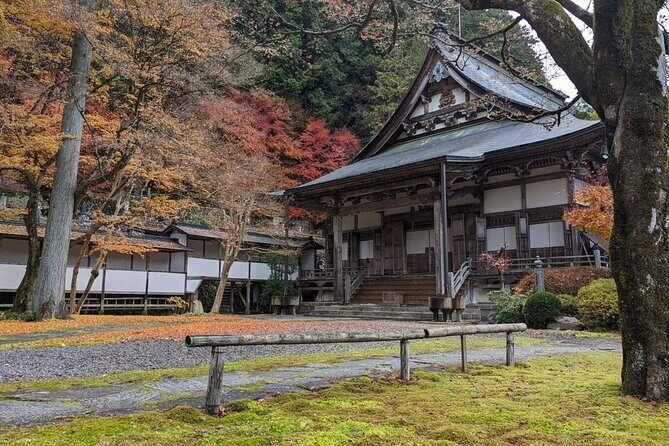
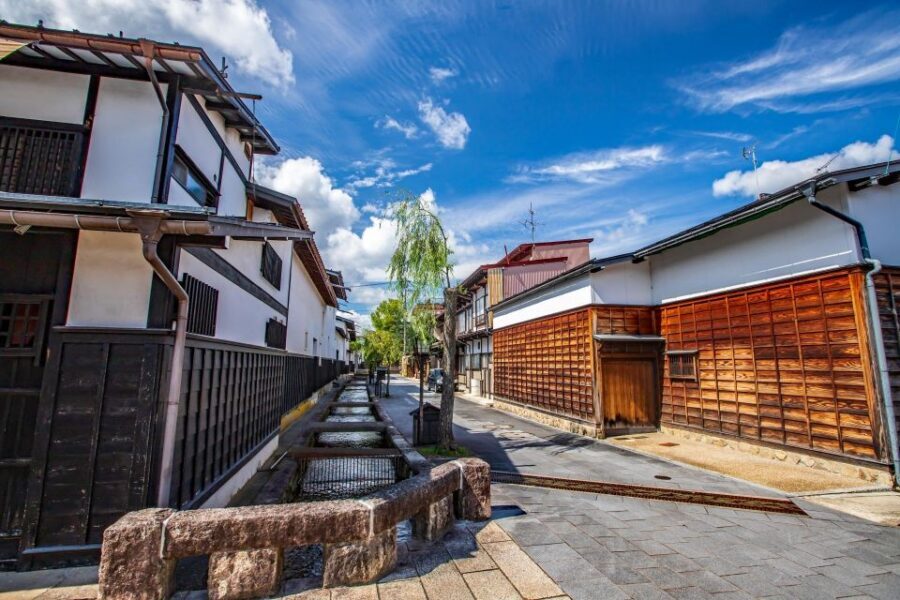
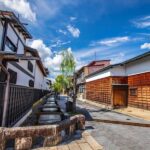
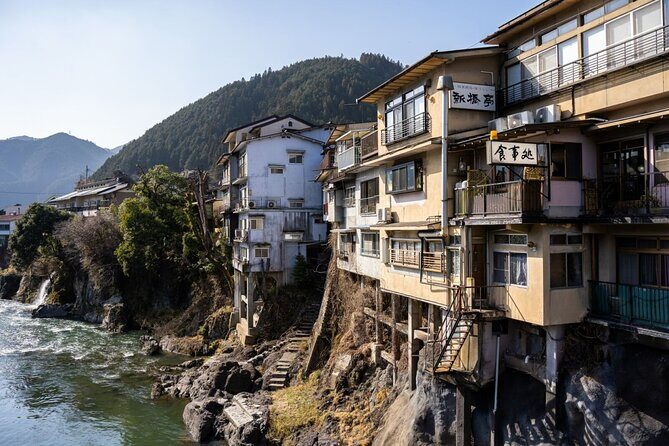
Gujo Hachiman doesn’t try to be a theme park. It’s a mountain town where everyday life still feels tied to old patterns—walking paths, canals, hill views, and craft traditions that locals actually keep going. That matters, because you don’t just collect photos. You get context for what you’re seeing.
The day has a nice balance. You get a serious look at the hilltop past at the castle. Then you shift into stories of regional culture at the museum. Finally, you do something physical and memorable in the town—replica food making. If you’re the type who gets bored when a tour turns into nonstop sightseeing, the hands-on stop is your reset button.
One more reason this works: the pace is organized but not rushed. You have set ticketed stops, and then you also get a chunk of time to explore the castle town streets at your own rhythm with your guide in the background.
Other Takayama walking tours and old-town experiences
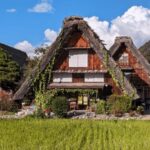
From Takayama Station to mountain Gujo: what to expect
Your meeting point is clear and easy: Takayama Station (昭和町1丁目222). The tour runs from 9:00 am, and total duration is about 8 hours 30 minutes, including travel time. It ends back at the same meeting point, so you’re not stuck figuring out transportation at the end of a long day.
Because it’s a full-day format, timing helps. You don’t have to plan bus or train connections, and you don’t have to waste your limited daylight trying to map out a place that’s easier to understand with local guidance. You also get a guided walkthrough once you arrive, which helps you orient fast—especially if you’ve never been to the area.
Small practical tip: start with comfortable shoes. The castle area is up on a hill, and even if you’re not trying to speed-run the sights, you’ll want footwear that handles steps and uneven ground. Also, since lunch isn’t included, it helps to have a rough idea of what you’ll do for food before you arrive in town.
Gujo Hachiman Castle: hilltop views plus a story you can picture
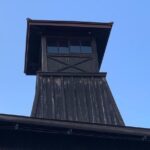
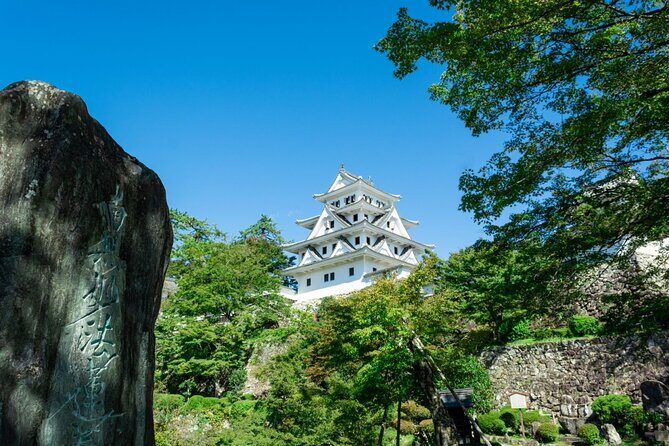
The first major stop is Gujo Hachiman Castle, up on the hill. The ticket is included, and the payoff is twofold: you get the views, and you get a real sense of why this spot mattered.
From the top, you can see the town’s shape in a way that flat streets don’t give you. You also get to connect the dots with the earlier stories your guide shares during the day—especially the conflict between samurai clans and how power shifted in this region. Standing at the castle makes those stories feel less like names in a textbook and more like a geographic reality.
This is one of those stops where timing matters. If the light is decent, the panoramic angles are genuinely satisfying. If it’s misty or cloudy, you’ll still get value because the town layout and your guide’s explanations carry the experience.
Potential drawback to keep in mind: this is not a sit-everywhere tour. You’re going up and moving around. If you have mobility limits, it’s still worth considering, but you should expect some walking as part of the castle visit.
Folklore Art Museum: understanding why traditions grew here
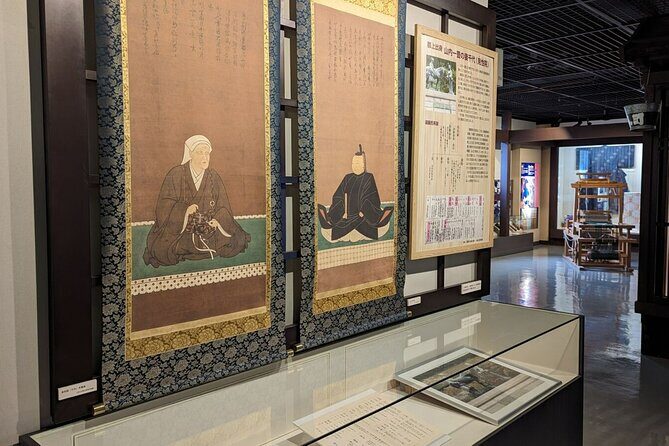
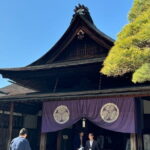
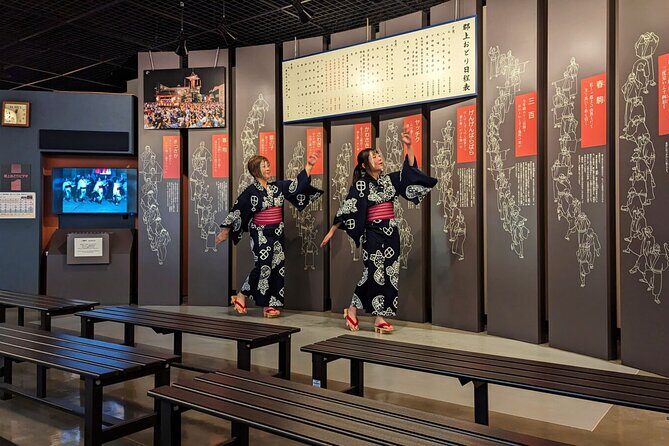
Next comes the Gujo Hachiman Folklore Art Museum, with the admission ticket included. The museum is the kind of stop that makes the rest of the day click, because it explains how the natural surroundings and nearby historical sites helped shape local traditions.
You’ll walk through exhibits that connect daily life to regional identity. The key idea is simple: people didn’t just invent culture for fun. They adapted to their environment, and that adaptation became tradition over time.
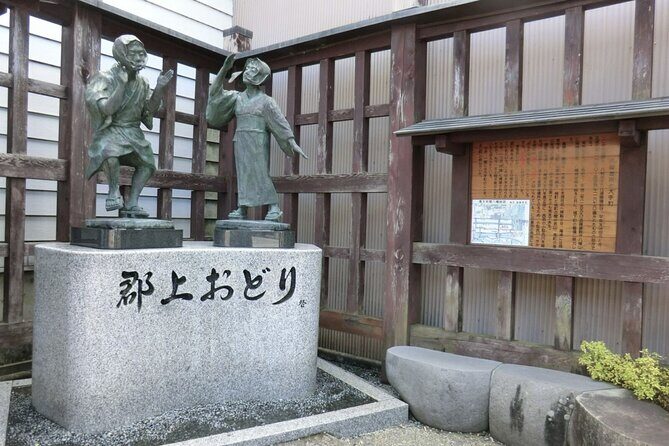
This is also where you learn the background you can use while you stroll later. When the guide talks about the town’s design working around water, you’ll start noticing what you see outside the museum. And when seasonal folk dance is mentioned, it helps you understand why certain customs only show up at certain times of the year.
If you prefer tours that explain the meaning behind what you’re seeing, this museum stop is a strong point. If you usually skip museums because you only want photos, give this one a chance anyway—because the cultural context makes the craft stop more interesting.
Castle town time: lunch break and real street atmosphere
After the museum, you get a long stretch—about 3 hours 30 minutes—for the castle town area. This is where the schedule shifts from guided ticket stops to slower exploring.
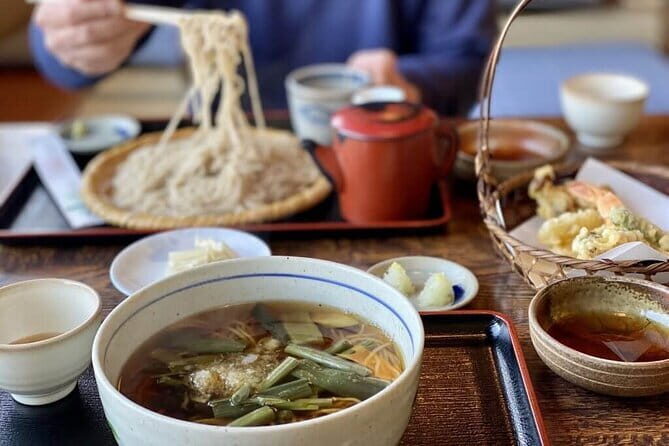
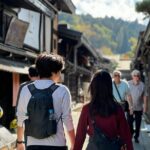
Admission here is free, so you can spend your time on what you care about: traditional shops, quiet streets, and the local feel that you don’t always get in bigger tourist hubs. And yes, you should plan for lunch during this window since it’s not included.
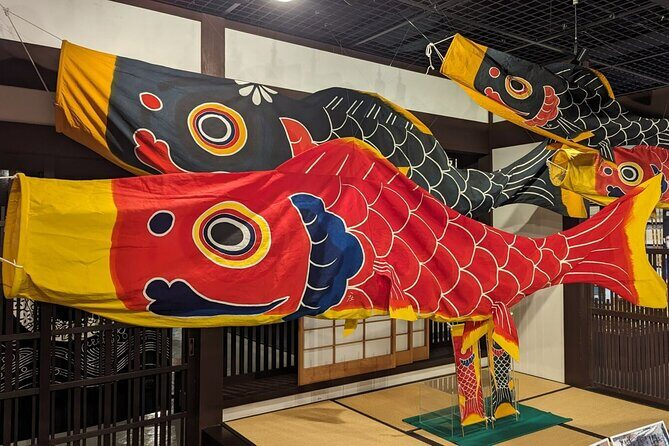
Here’s a fun detail from the day’s theme: Gujo Hachiman is famous for fish motifs. You’ll likely spot koi fish and big carp imagery throughout the area, and it’s hard to miss once you start looking. It turns the town walk into more of a scavenger-style experience, because you’re noticing repeated details rather than just moving from stop to stop.
This is also where you may hear more about the town’s water-focused layout. Even without technical knowledge, you can feel it in how streets and pathways relate to canals and channels. It’s one of those design choices that explains why certain traditions could thrive here.
Other historical tours in Takayama


Hands-on replica food crafting: the most memorable part of the day
If you want one experience on this trip that’s worth showing up for, make it the replica food crafting. It’s included, and the format is hands-on, not just watch-and-leave.
You’ll make replica versions of foods, including the gunkan and sushi elements that people love learning about in this town. The point isn’t to become a pastry chef for the day. It’s to understand the idea behind Japanese food models: they’re not only decorations. They help communicate dishes clearly, and they reflect a respect for food presentation.
I like this stop because it flips the usual tourist pattern. Instead of collecting information passively, you produce something. Plus, you can often take your work with you, which makes the memory stick longer than a few castle photos.
How to get more out of it: slow down. Ask questions about what you’re shaping and why. If your guide mentions the origins of the famous plastic food you see elsewhere in Japan, listen closely—those little stories are what transform a craft session into a cultural lesson.
Practical note: it’s easier if you’re comfortable with small, delicate steps. If you’re traveling with kids, this is usually a strong fit because they can participate and then hold onto a physical souvenir.
Getting the most from the ride and seasonal timing
One of the nicest surprises with this kind of day trip is the travel in-between. On the way to Gujo Hachiman, the scenery can be a highlight—especially during autumn when the colors can be stunning. Even if you aren’t planning your whole trip around foliage, this route can add emotional value to the day.
Bring what you need for comfort. If you’re sensitive to motion, settle in a spot that feels stable. If you like photography, have your camera ready early so you don’t miss the good stretches while you’re still getting comfortable.
Also, remember the day runs long enough that fatigue can sneak up on you. The sightseeing rhythm helps—castle, museum, town exploration, craft—but you’ll still want breaks. The town time is your chance to recharge, eat, and just wander.
Price and value: what you’re paying for at $207.19
At $207.19 per person, this is not the cheapest way to do a day trip. But you’re also not paying for only sightseeing.
What your ticket covers includes:
- Transportation from Takayama to Gujo Hachiman and back
- Entrance to the castle and folklore art museum
- A guided day with English-speaking support
- The hands-on replica food experience
- Guided walks during your time in Gujo Hachiman
That bundling is the real value. If you tried to assemble it yourself—transport, two admissions, and a guided explanation—you’d likely spend a lot of energy matching timing and finding the craft experience in a way that fits your schedule.
Where the price doesn’t cover you is also clear: lunch and your own personal expenses. You’re free to choose what you want to eat in town, but that means your final cost depends on your appetite.
So who benefits most from the price? People who value structure, smooth logistics, and an activity that produces something you can take home.
Group size, pace, and what to bring
The tour caps at 40 travelers, which is a healthy size for a day trip. You’ll still feel like a group, but it usually avoids the chaos of huge tour buses.
The pace feels designed for attention. You have ticketed stops for the castle and museum (each about an hour), then you get a larger town window plus the crafting experience. That keeps you from burning out too early.
What to bring:
- Comfortable walking shoes
- A light layer (mountain weather can change)
- A way to handle a long day of photos
- Cash or card for lunch and snacks (since lunch isn’t included)
- Any photo-friendly bag or small daypack
If you’re traveling with kids, this is one of those days that can work well because the craft component keeps hands and attention busy.
Who this tour suits best
This tour is a strong match if you like:
- Towns with real character and less crowd pressure than major cities
- Combining cultural learning with hands-on making
- A day trip that includes both historical sights and everyday craft culture
- A guided explanation that helps you understand what you’re looking at
It may be less ideal if you want a fully self-paced day with no structured stops. You do have fixed ticket visits and a guided flow.
It’s also best for people who can handle a decent amount of walking, especially up to the castle area.
Should you book it?
I’d book this if you want a day that mixes views, meaning, and a creative souvenir. The castle gives you context. The museum gives you the background to make the town’s details understandable. And the replica food crafting is the memorable piece that turns a normal sightseeing day into something you’ll actually use as a story later.
Skip it only if you’re mainly chasing low-walking, no-planning comfort, and you’d rather eat wherever you feel like without any structure. Otherwise, this is a solid use of a full day around Takayama.
FAQ
How long is the Takayama to Gujo Hachiman tour?
It’s about 8 hours 30 minutes total, and the travel time is included in that duration.
What time does the tour start?
The start time is 9:00 am.
Where do I meet the group?
You meet at Takayama Station (Japan, 506-0053 岐阜県高山市昭和町1丁目222).
When does the tour end?
The activity ends back at the meeting point.
What’s included in the price?
Transportation round trip, entrance tickets to Gujo Hachiman Museum and Gujo Hachiman Castle, hands-on replica food crafting, guided walks, and an English-speaking guide.
Is lunch included?
No. Lunch isn’t included.
Do I need to bring tickets?
You’ll receive a mobile ticket.
How big is the group?
The maximum group size is 40 travelers.
What languages are available for the guide?
The tour includes an English-speaking guide.
Is there free cancellation?
Yes. You can cancel up to 24 hours in advance for a full refund.
Are service animals allowed?
Yes, service animals are allowed.