Two towns, one day, and real samurai atmosphere. I like the way you get a full-on view from Matsumoto Castle and a guided explanation that turns woodwork, guns, and old details into something you actually understand. I also love the switch to Narai-juku, where you slow down and walk the classic post-town street, after warming up on the famously frog-themed shops.
Only caution: this is a lot of outdoor time and there are steep, narrow stairs at the castle, so plan for walking and take it step by step.
In This Review
- Key things I’d mark on your mental map
- Why this Matsumoto and Narai-juku combo works in one day
- Frog Street (Nawate-doori): the silly warm-up that sets the tone
- Matsumoto Castle: National Treasure status and views from the top floor
- The 6 stories: what you’ll notice as you climb
- Samurai-era artifacts: the part that makes the castle feel real
- Slow-down time in the castle grounds
- Narai-juku in Kiso Valley: the post town you can actually walk
- Guided walk + your hour of freedom: what to do with it
- Price and logistics for a roughly $180 one-day trip
- What to pack: weather swings and castle stamina
- Who this day trip fits best (and who should skip it)
- Should you book the Matsumoto Castle and Narai-juku day trip?
- FAQ
- How long is the Nagano/Matsumoto Matsumoto Castle and Narai-juku day trip?
- Where do I meet the guide and where do we get dropped off?
- What is included in the price?
- Is lunch included?
- What language is the guide speaking?
- How much walking and climbing should I expect?
- What should I bring for the tour?
- Is this tour suitable for wheelchair users or people with mobility impairments?
- What is the cancellation policy?
Key things I’d mark on your mental map
- Frog Street (Nawate-doori): 50+ shops and snack stops centered on frog-themed sweets and souvenirs
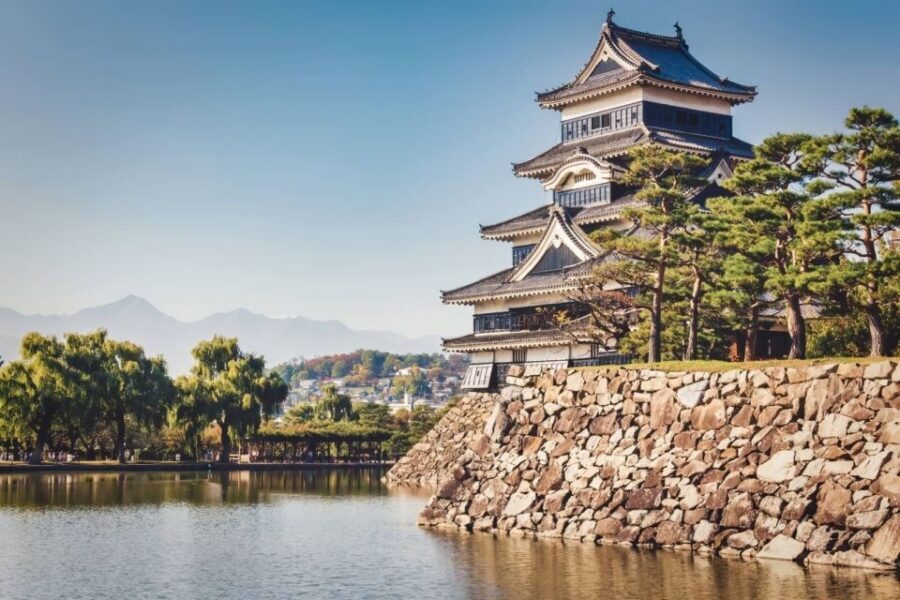
- National Treasure Matsumoto Castle: you’ll see the oldest surviving 5-tier, 6-story keep-type tower
- The climb to the top: long views across Matsumoto City plus close-up details you can’t get from the ground
- Warrior-era artifacts: displays that help you picture what samurai life looked like when the castle was new
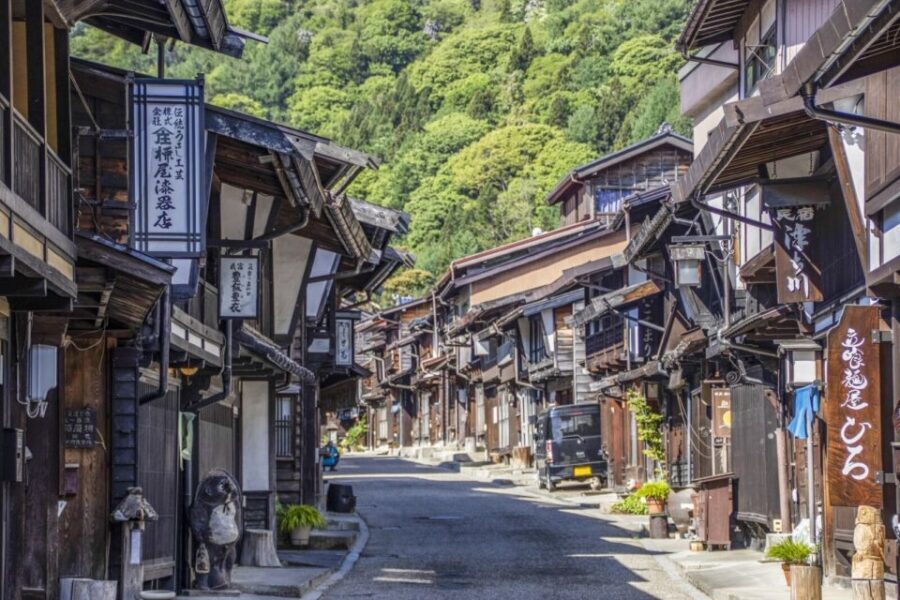
- Narai-juku in the Kiso Valley: a well-preserved Nakasendo post town with mountain scenery and a guided walk
Why this Matsumoto and Narai-juku combo works in one day
If you only have 24 hours in Nagano or nearby, this is a strong use of time. You start with Matsumoto’s samurai-shaped identity, then you shift to Narai-juku’s slower, older travel rhythm on the Nakasendo route between Tokyo and Kyoto.
I like that the day isn’t just sightseeing. You get a guide who connects the dots, so the castle feels like a living system rather than a photo spot.
Other Matsumoto Castle tours and samurai experiences
Frog Street (Nawate-doori): the silly warm-up that sets the tone
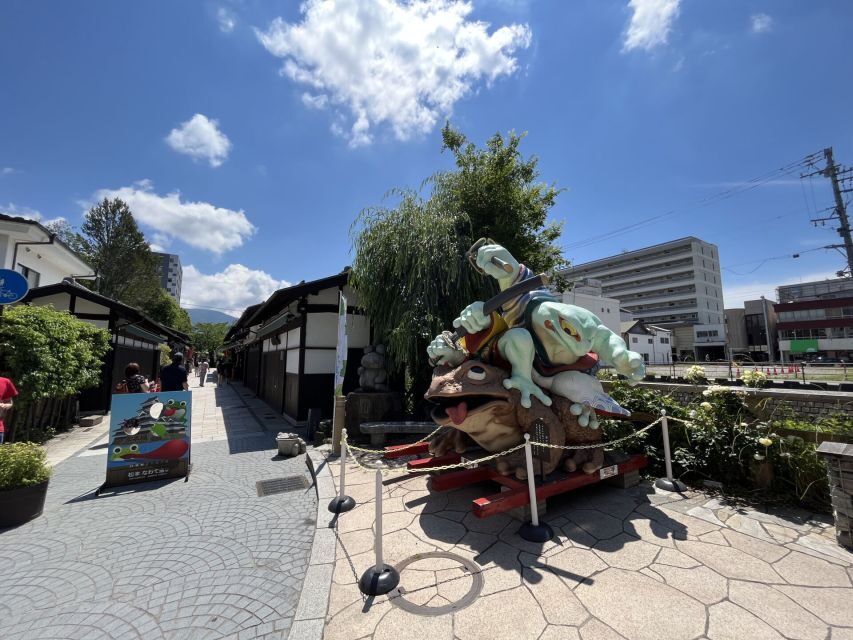
You begin in Matsumoto’s historic center and make an immediate stop at Nawate-doori, often called Frog Street. It’s a fun first phase because it lowers the “museum mode” and gets you walking through the town like a local would—stopping when something catches your eye.
This street is home to more than 50 shops, restaurants, and cafés built around the frog theme. You’ll likely see o-senbei rice crackers, taiyaki fish-shaped pastries, dagashi (old-style Japanese sweets), and frog-related snacks and souvenirs, plus frog sculptures along the way.
It’s quirky on purpose. And for many people, that’s exactly why it’s memorable—you’re in a real commercial street, not a fenced-off display.
Matsumoto Castle: National Treasure status and views from the top floor
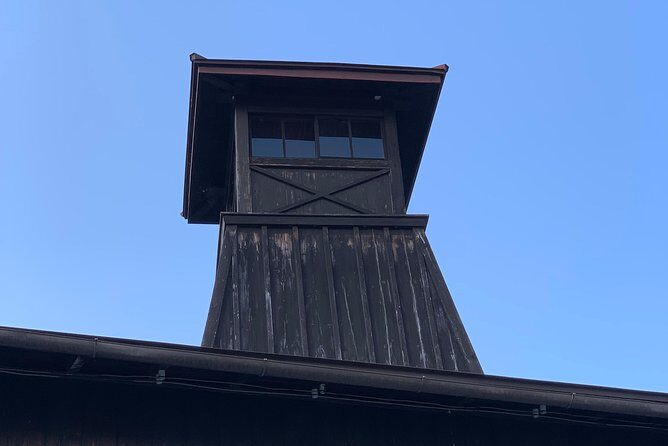
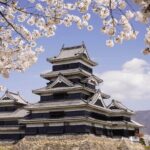
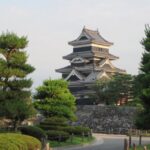
Next comes Matsumoto Castle, famous for being tied to the late Warring States Period, with much of the original structure still standing. It’s designated as a National Treasure, and the reputation is deserved: this is a castle tower you can seriously inspect.
The castle is also known for having the oldest surviving 5-tier, 6-story structure of its kind in Japan. The architecture reads differently up close, especially when you can compare what you see from inside versus what you picture from outside.
Once you’re in, the guided visit matters. The guide points out what to notice—woodwork, layout features, and details that explain why this tower looks the way it does.
The 6 stories: what you’ll notice as you climb
Yes, you climb all the way to the top of the castle’s 6 stories. And yes, the stairs can feel steep and narrow, so wear shoes you trust. This is where the tour rewards you most, because the higher you go, the more the castle’s craftsmanship shows.
From the upper levels, you’ll get broad views over Matsumoto City. Even if you’re not a “tower person,” the climb is worth it because you see how the space is built for movement, defense, and control, not just aesthetics.
I like that the guide helps you keep your focus. Instead of wandering and guessing, you get a sense of what each part of the tower is designed to do.
Samurai-era artifacts: the part that makes the castle feel real
After you’ve moved through the main areas, you’ll see a collection of historical guns, artifacts, and other warrior-related items. This is one of the best balance points on the day: the castle gives you the architecture, and the artifacts give you the people’s tools and everyday reality.
If you’re the type who thinks, so what, why should I care?—this is the section that usually clicks. You start linking the objects you’re seeing to the setting you’re standing in.
Guides like Shawn and Joyce are specifically noted for storytelling that puts context around what you’re looking at, so the displays feel like part of a bigger picture rather than random items in glass.
Other Nagano tours and day trips



Slow-down time in the castle grounds
After the guided segment, you get some breathing room to look around more at your own pace. This is practical: you can linger at viewpoints, re-walk areas you liked, or just slow down if your legs are tired.
There are also shops around the castle. You can use this window for small snacks, souvenirs, or quick browsing without feeling like you’re rushing.
One useful tip: if it’s cold or rainy, take advantage of this free time to duck into shops and cafés. You’ll be outdoors for a good chunk of the day, and a warm reset helps.
Narai-juku in Kiso Valley: the post town you can actually walk
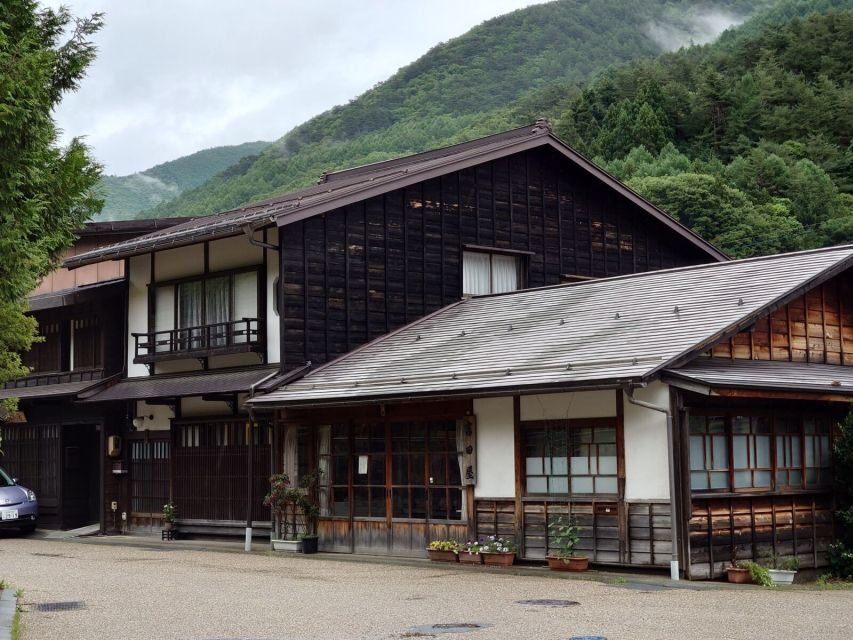
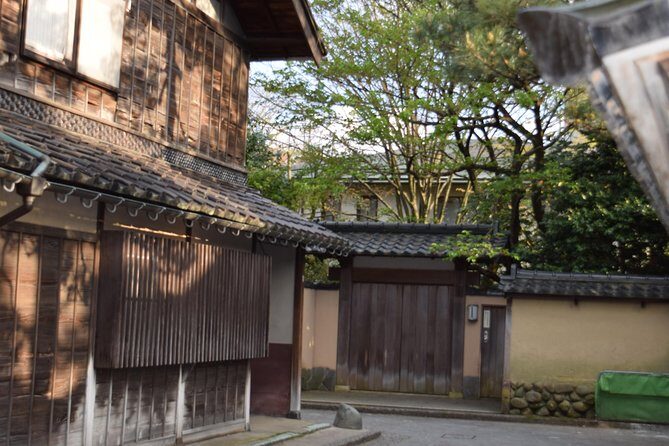
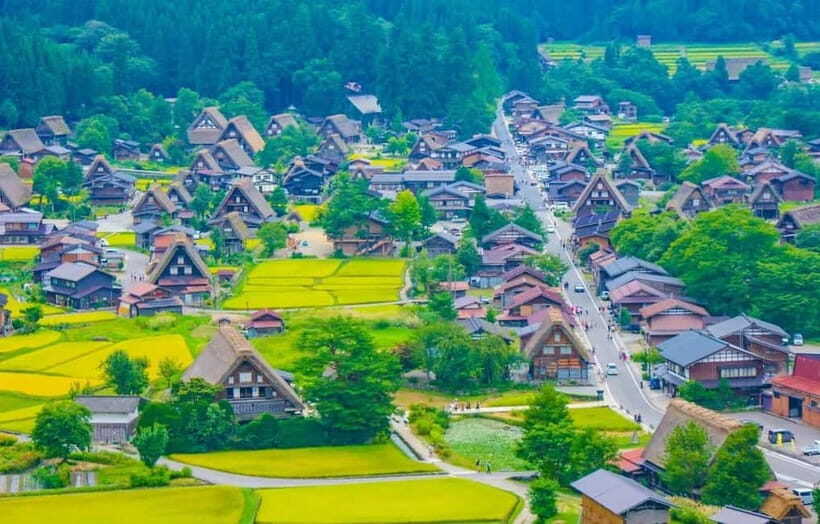
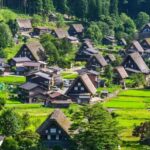
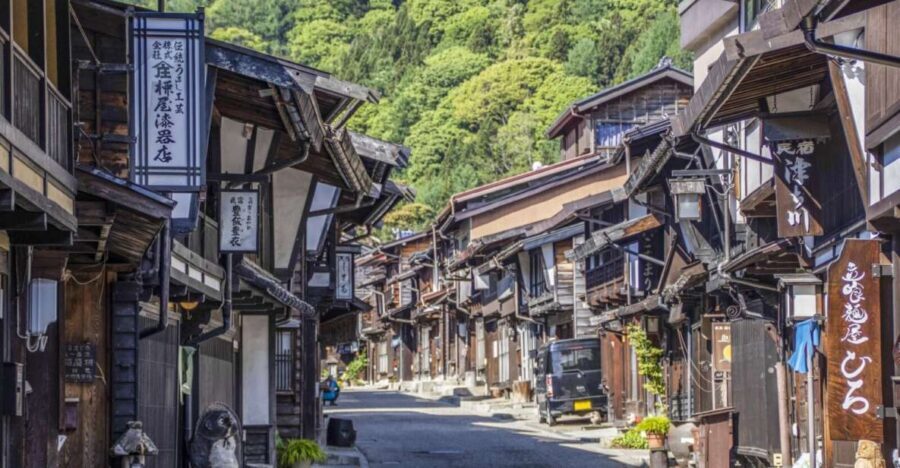
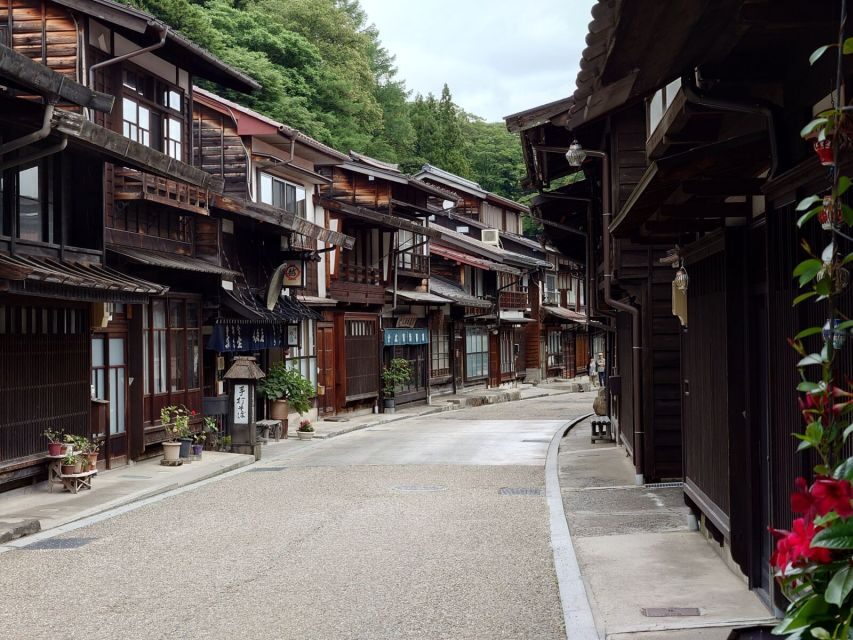
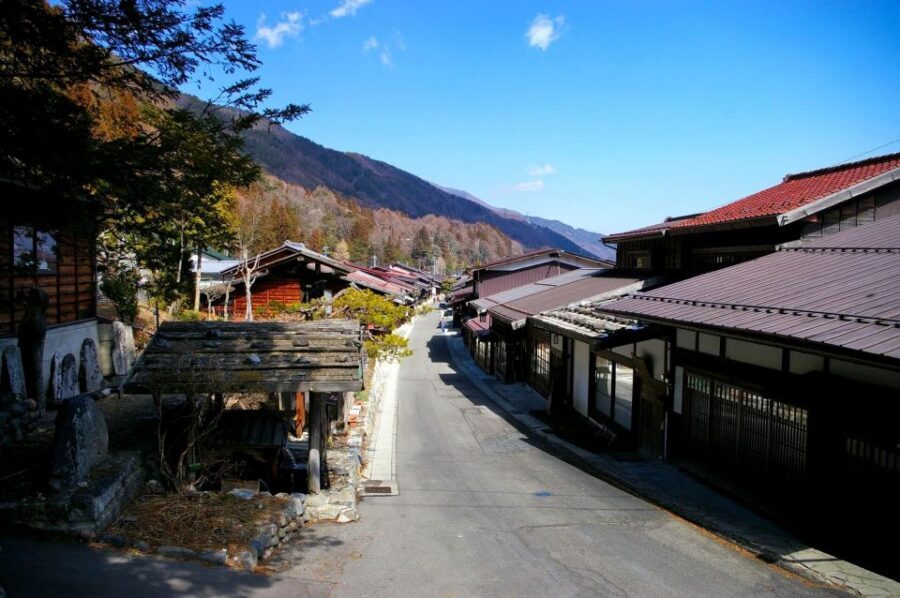
Then it’s off to Narai-juku, a well-preserved post town in the Kiso Valley. This is where the vibe changes from castle energy to travel-on-foot, with mountain scenery and the sense of a place built to serve travelers moving along the Nakasendo.
You’ll arrive near the train station area and start the guided portion as you head down the main street. The guide explains how the town’s construction worked and shares stories from its golden age when people relied on these stops to rest and resupply.
Narai-juku’s charm is partly architectural and partly emotional. You’re looking at traditional buildings in a real street pattern, not a theme park version of the past. And when the weather is good, the surrounding hills add that natural sense of distance and travel.
Guided walk + your hour of freedom: what to do with it
After the guided walk, you get an hour of free time. This is enough to do two things well: browse the main street shops and grab lunch or a café break.
In practical terms, don’t assume every shop will be open. One booking noted that many stores were closed on a day when businesses leaned more toward weekend trade, while the ones open offered items like local wood and lacquered handicrafts.
If you’re traveling with food needs, bring it up. One guide, Nadin, was specifically mentioned for helping a vegetarian during a booking. You won’t lose anything by speaking up early and asking for options.
If you’re the kind of person who likes small cultural extras, keep an open mind. Joyce was noted for even teaching origami during one outing, so a guide may add a small moment beyond the main script.
Price and logistics for a roughly $180 one-day trip
At $180 per person, you’re paying for more than entry tickets. The value comes from three big pieces: an English-speaking guide, transportation between Nagano and Matsumoto, and guided visits that include the castle ticket and Narai-juku walk.
You also get a real time structure. The day includes a long coach ride from Nagano toward Matsumoto (about 100 minutes), an in-between transfer segment (about 1 hour) to reach Narai-juku, and the ride back later (about 2.25 hours). That matters because it reduces your mental load. You don’t have to piece together trains, buses, and timetables while your legs are getting tired.
Lunch is not included, so plan to budget for that. I’d treat meals as the flexible part of your day: either a set lunch you choose near Narai-juku or snacks during the castle/gounds window.
Is it “cheap”? Not really. But if you factor in guide-led access (castle entry + Narai guidance) plus the hassle-free transport, it’s pretty fair for a one-day plan that would take more work on your own.
What to pack: weather swings and castle stamina
This tour spends most of the day outdoors, and weather can change fast. Bring sunglasses and a sun hat for brighter days, and pack an umbrella plus rain gear in case the sky decides to act dramatic.
In winter, snow on the ground is common. That means you should wear waterproof, winter shoes and warm layers so you’re steady on stairways and don’t get chilled while standing around.
Also plan for a reasonable amount of walking. The castle climb is the biggest physical ask, and Narai-juku involves an on-your-feet guided walk plus your free hour.
Who this day trip fits best (and who should skip it)
This is a good match if you want a guided day that hits the two major highlights of the region without spending your whole trip on transport planning. It’s also ideal if you like castles but want the context—woodwork, warrior artifacts, and the “why” behind the design.
If you have mobility impairments or use a wheelchair, this tour isn’t suitable. The day includes walking and involves steep, narrow stairs inside the castle tower.
If you’re comfortable with stairs and can handle a full day outside, you’ll probably find it energizing rather than exhausting.
Should you book the Matsumoto Castle and Narai-juku day trip?
I’d book it if you want maximum culture in one day: Matsumoto Castle for the climb and views, Frog Street for a playful start, and Narai-juku for a calm, guided walk in a real post town setting. The guide-driven storytelling is the difference-maker, especially if you like understanding what you’re seeing.
I’d think twice if your priority is minimizing walking or if stairs are a problem. This day is built around moving—up, down, and along streets—so pack smart and pace yourself.
If you’re excited by the idea of combining samurai-era architecture with a classic Nakasendo-era town, this is one of the better one-day plans in the area.
FAQ
How long is the Nagano/Matsumoto Matsumoto Castle and Narai-juku day trip?
The tour duration is 1 day.
Where do I meet the guide and where do we get dropped off?
The meeting point may vary depending on the option booked. Pickup options include Kokusai 21, Matsumoto Station, and Nagano Station, and drop-off options include Matsumoto Station, Kokusai 21, and Nagano Station.
What is included in the price?
The price includes a guide, transportation between destinations from Nagano and Matsumoto, entry ticket to Matsumoto Castle and the guided tour, and a guided walk at Narai-juku.
Is lunch included?
No. Lunch is not included.
What language is the guide speaking?
The live tour guide speaks English.
How much walking and climbing should I expect?
You should expect a reasonable amount of walking at both Matsumoto Castle and Narai-juku. Matsumoto Castle also includes ascending up to the top of its 6 stories.
What should I bring for the tour?
Bring sunglasses, a sun hat, an umbrella, rain gear, and weather-appropriate clothing. In winter, the tour notes snow may be on the ground, so waterproof, winter shoes and warm clothing are recommended.
Is this tour suitable for wheelchair users or people with mobility impairments?
No, the tour is not suitable for people with mobility impairments or wheelchair users.
What is the cancellation policy?
You can cancel up to 24 hours in advance for a full refund.