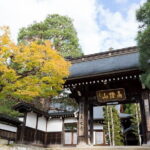
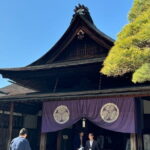
Takayama makes perfect sense once you know the rules.
This short Edo-period old town walking tour turns ordinary streets into a story about trade, craftsmanship, and daily life, with your guide explaining how the town grew and why its layout still matters. I especially like how the tour focuses on everyday sights—town planning, building details, and local customs—so you understand what you’re seeing instead of just collecting dates. One drawback to keep in mind: at $43 for 45 minutes, you’ll want a solid pace, because a very short walk would feel stingy.
The tour is also built for real travelers, not history lectures. You get clear context for Takayama’s development and how it compares to other historic towns, without the walk turning into a timeline marathon. If you’re lucky, you’ll get an engaging guide such as Yamma, who has a knack for making culture feel practical and easy to follow.
In This Review
- Key highlights to look for
- How Takayama Worked as an Edo Merchant Town
- What You’ll Learn While You Walk the Historic Streets
- The 45-Minute Flow: Timing, Questions, and Rain Plans
- Reading the Old Town Like a Local (Without Overthinking It)
- Context Before and After the Edo Period
- Guide Quality and English: What to Expect in Real Life
- Price and Value: Is $43 Worth It?
- Who This Tour Suits Best
- Should You Book This Takayama Walking Tour?
- FAQ
- How long is the Takayama Edo-Period Old Town Walking Tour?
- What does the tour cost?
- Where do I meet for the tour?
- What language is the tour in?
- Is the tour canceled if it rains?
- What’s included in the price?
- Are food and drinks included?
- Is it wheelchair accessible?
- Is there free cancellation?
Key highlights to look for
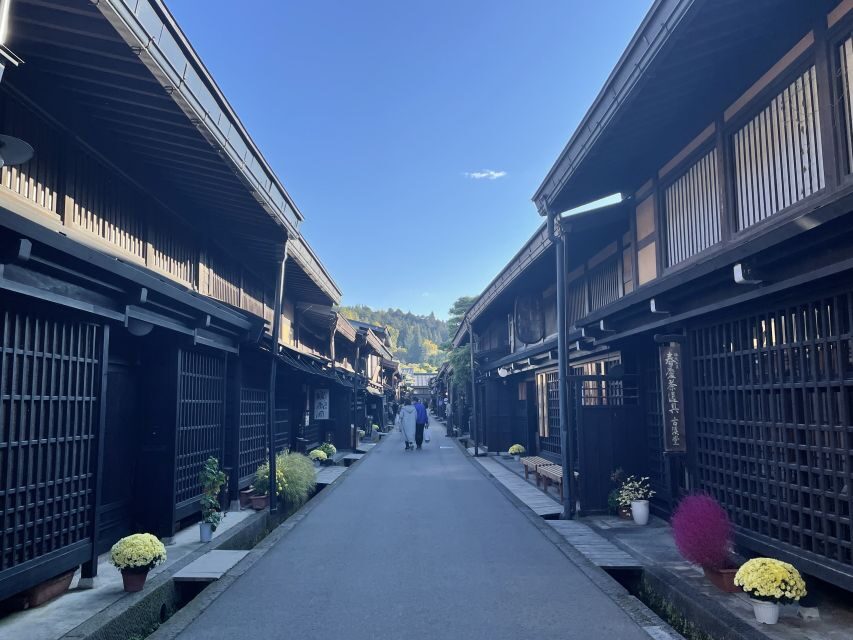
- Edo-period merchant-town context: learn how trade and craftsmanship shaped the streets
- Street-level meaning: explanations of layout, building clues, and local customs you’d miss alone
- Easy pacing: a short walk that fits neatly into a day in Takayama
- English-led guidance: live guide on the ground, with explanations designed to be accessible
- Rain-or-shine planning: you’ll still get the tour, even if the weather changes
How Takayama Worked as an Edo Merchant Town
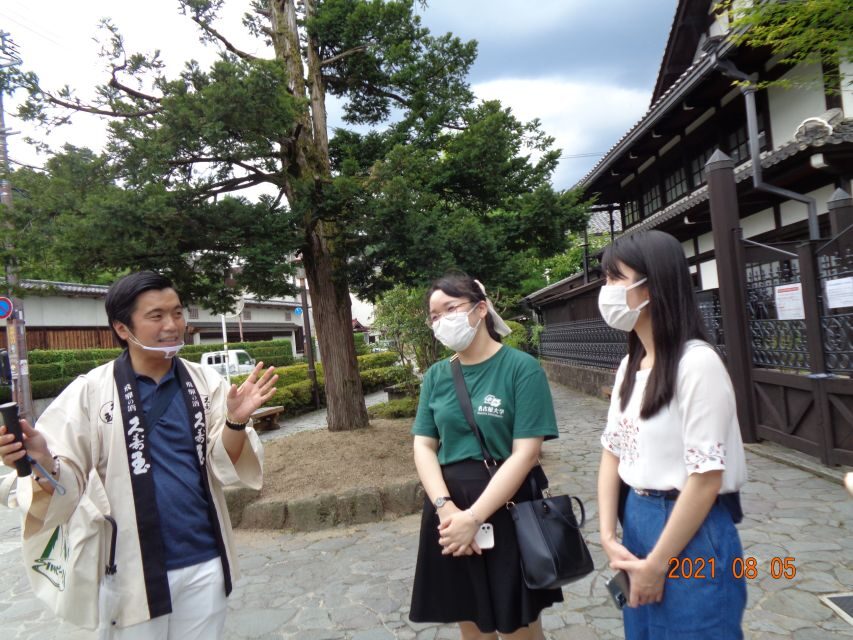
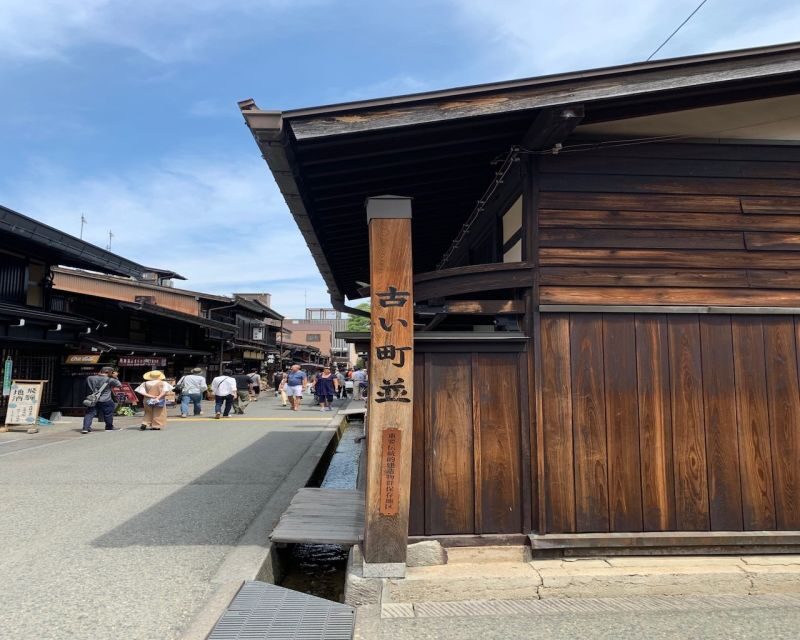
Takayama’s old town isn’t centered on castles and samurai rule. It’s more interesting than that. The tour frames Takayama as an Edo-period merchant town, where everyday business—buying, selling, and making goods—created the patterns you see in the streets and buildings today.
That angle matters because it changes how you look. If you treat Takayama like a museum of pretty lanes, you’ll skim past the point. But when you understand it as a place built around commerce and routine, even small features start to feel purposeful.
Other Takayama walking tours and old-town experiences

What You’ll Learn While You Walk the Historic Streets
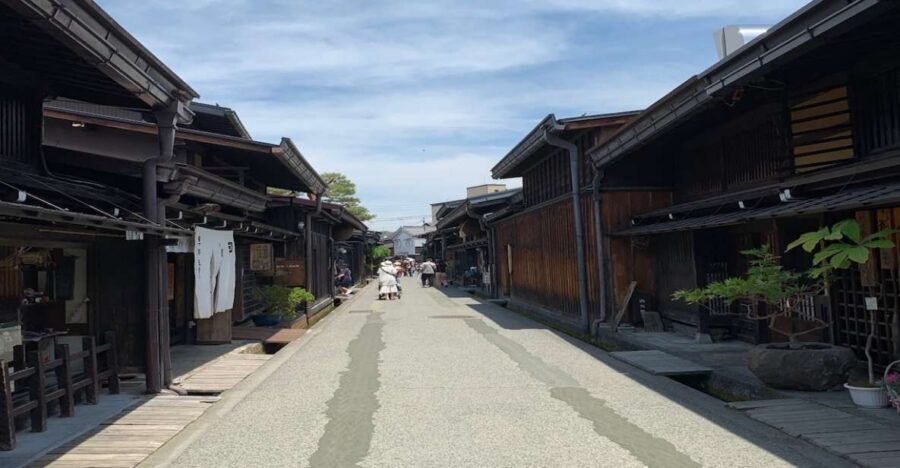
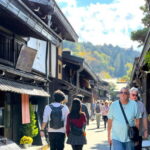
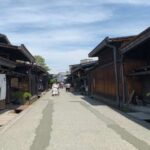
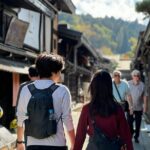
The core value of this tour is the way it turns vague impressions into real explanations. Your guide points out how people lived and worked, and how that shaped movement through town—what kinds of streets made sense, and why the old layout has been preserved. Instead of piling facts on you, it’s designed to give you a lasting mental map of Takayama’s character.
Expect the guide to focus on “ordinary” details with meaning. Think of town layouts (how spaces and routes relate to daily routines), buildings and shopfront-style clues (what you’re seeing suggests how commerce happened), and local customs (small behaviors that reflect how the town functioned). Even if you’re not a deep-history person, this is the kind of context that makes self-guided sightseeing afterward faster and more rewarding.
The 45-Minute Flow: Timing, Questions, and Rain Plans
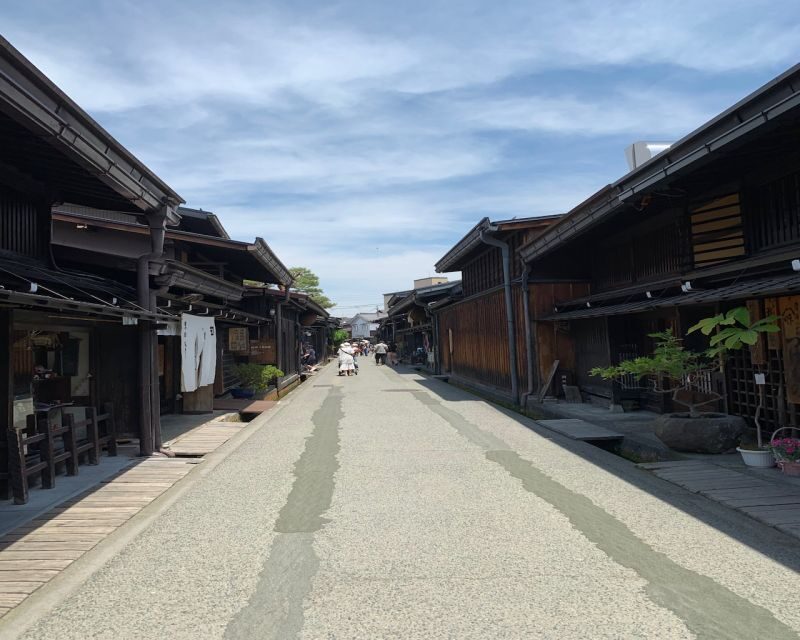
This walk is listed at about 45 minutes, and it may run a little longer depending on the group pace and guest questions. That’s a sweet spot if you want history but don’t want to surrender your whole afternoon. You should be able to fit it early in your Takayama day so the old streets start “clicking” as you explore on your own.
The meeting point is simple: come in front of the Tours & Activities sign board, and search for “happyplus” on Google Maps to orient yourself. The tour runs rain or shine, so bring whatever you need for comfort—especially if the weather turns between stops and you’ll be walking throughout.
A practical note: the tour is wheelchair accessible, which usually means the route and pace are kept reasonably manageable. Still, it’s a walking tour, so you’ll want to wear shoes you trust on uneven surfaces.
Reading the Old Town Like a Local (Without Overthinking It)
One of my favorite things about this type of guided walk is that it teaches you how to notice. When you’re on your own, old streets can look charming but anonymous. Here, your guide explains why those everyday details existed in the first place.
Here’s the kind of “new seeing” you can aim for during the walk:
- Look at how routes connect—street planning often reflects how people moved for work, errands, and trade
- Watch for building clues—how structures relate to the street can hint at how business was organized
- Pay attention to customs and routines—these details turn culture from an idea into something you can recognize
This is also where the short format helps. A 45-minute tour forces focus: you won’t get lost in extra facts, and you’ll leave with a few strong ideas you can reuse while wandering the rest of Takayama.
Context Before and After the Edo Period
Even though the walk centers on the Edo era, your guide adds a bit of extra framing for what came before and after. That brief context is valuable because it keeps you from flattening Takayama into a single “theme” town.
It also helps you understand how Takayama differs from other historic places in Japan. Some famous towns are built around a different power story—castles, feudal authority, or warrior culture. Takayama’s old-town identity is more about how merchants and craftspeople lived and worked, and that difference shows up in what you notice on the street.
Other walking tours we've reviewed in Takayama



Guide Quality and English: What to Expect in Real Life
The tour is live-guided in English, and that matters for a walking experience. On the street, you can’t pause to read a placard, so good explanation is the whole point.
One thing I like is that the experience has a track record of engaging, in-the-moment storytelling. For example, the guide name Yamma has come up as particularly engaging and knowledgeable about local culture. Another helpful detail from this kind of guide style: you may hear quick Japanese-and-English switching to clarify ideas when needed.
Still, be aware of one consideration: not every walking tour runs the same for every group. I’ve seen examples where a tour ran closer to 20 minutes rather than 45, and where English clarity didn’t meet expectations. You can’t control that entirely, but you can control your approach—arrive on time, ask a question early, and pay attention to whether you’re getting explanations or just walking.
Price and Value: Is $43 Worth It?
At $43 per person for about 45 minutes, the price isn’t just for walking. You’re paying for a guide to translate the old town into something understandable: town development, trade and daily life, and the meaning behind small details.
So when is it a good value? When you want a fast start—like a “orientation in human terms” tour. This is especially useful if you plan to spend more time wandering after the guide finishes. The tour’s greatest payoff is what it unlocks for self-guided sightseeing. You’ll know what to look for and why it matters, which saves time later.
When might it feel less worth it? If you end up with a pace that cuts the experience short, or if you’re expecting a slower walk with more stops and deeper explanations. If you’re budget-sensitive, keep your expectations aligned with the format: this is an introduction tour, not an all-day deep dive.
Who This Tour Suits Best
This is a good fit if you want history you can use. You’ll like it if you enjoy understanding how people lived—trade rhythms, town planning, and daily customs—and you want that context handed to you in plain language while you walk.
It’s also a solid choice for days when Takayama feels like “too much to plan.” A short guided loop gives you direction fast, and then you’re free to explore at your own speed right after.
If you’re the type who wants major landmarks and long photo stops, you may find this too focused on explanation rather than big sights. But if you like small street clues and smart storytelling, it’s exactly the right length.
Should You Book This Takayama Walking Tour?
Yes, I’d book it if you want an efficient introduction to Takayama’s Edo-era merchant-town identity and you’re excited by street-level details. The walking format is ideal for understanding why the old streets were preserved, and the guide’s job is to make “ordinary” things feel meaningful.
I’d think twice if you’re hoping for a long, stop-heavy tour or if you’re paying close attention to minutes and pacing. In that case, make sure your expectations match the stated duration, and be ready to ask questions so the guide has a chance to make the walk worthwhile.
In short: this is a practical, context-setting tour. If you do it early in your visit, you’ll enjoy the rest of Takayama more.
FAQ
How long is the Takayama Edo-Period Old Town Walking Tour?
The tour is listed at approximately 45 minutes, with the possibility of running slightly longer depending on group flow and guest questions.
What does the tour cost?
The price is $43 per person.
Where do I meet for the tour?
Meet in front of the Tours & Activities sign board. You can also search for happyplus in Google Maps to help find the meeting area.
What language is the tour in?
The live tour guide provides the experience in English. Other languages may be available upon request.
Is the tour canceled if it rains?
No. The tour takes place rain or shine.
What’s included in the price?
It includes a local guide and the walking tour.
Are food and drinks included?
No. Food and drinks are not included.
Is it wheelchair accessible?
Yes, the tour is wheelchair accessible.
Is there free cancellation?
Free cancellation is available up to 24 hours in advance for a full refund.