Two sights in one cold, memorable day. This tour strings together Jigokudani Monkey Park and Nagano’s famous Ebisu-ko fireworks, so you get nature, culture, and spectacle without wasting time figuring out transport on your own.
I especially like the close-up feel of Jigokudani: you walk into the park on a forest trail and watch snow monkeys in their hot-spring routine with almost no visual barriers. I also like the fireworks setup: reserved seating means you’re not playing the scramble game in a packed riverside crowd.
One consideration: the day can go a little sideways if the monkeys don’t come down into the viewing areas. On the fireworks side, some people find the show more talk-and-build-up than music-driven, so come expecting Japanese festival hosting as much as pyrotechnics.
In This Review
- Key things to know before you go
- Nagano Station meet-up and the ride that sets your pace
- Jigokudani Monkey Park: forest trails and close-up hot-spring viewing
- What to do with your time inside the park
- Hotaru-tei late lunch in a 160-year-old merchant mansion
- Ebisu-ko Fireworks by the Sai River: a festival built since 1899
- Timing the crowd crush: getting seated and returning to Nagano Station
- Price and value: is $218 worth it for 10 hours?
- Guide quality and on-the-ground help that actually matters
- Who should book this snow monkeys and Ebisu-ko fireworks tour
- Should you book the Ebisu-ko Fireworks & Snow Monkey Tour?
- FAQ
- Where is the tour meeting point and what time does it start?
- How much walking is involved at the snow monkey park?
- What is included in the tour price?
- What time are the Ebisu-ko fireworks?
- Is there an option for vegetarians at lunch?
- Can the snow monkeys be unavailable on some days?
Key things to know before you go

- Jigokudani is a real walk-in experience: about 1.6 km each way on a forest trail, roughly 30 minutes total each way.
- Your best photos happen at ground level: there are limited barriers, so bring a camera ready for fast, close action.
- Hotaru-tei lunch is a standout stop: a 160-year-old merchant family mansion restaurant, with a vegetarian option.
- Ebisu-ko is huge and timed: fireworks run 18:00 to 20:00 and start after a big afternoon-to-evening commute.
- Reserved seating helps a lot: you get uninterrupted viewing, even with 400,000+ people in the mix.
- This is a long day at 10 hours: you’ll be cold, and you’ll want warm layers from start to finish.
Nagano Station meet-up and the ride that sets your pace
.jpg)
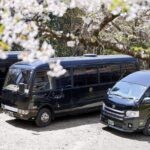
The day starts at Nagano Station. Your guide meets you inside the station at 11:00, waiting in front of the large Information Board across from the Shinkansen gates. It’s straightforward, and it helps you avoid the common Japan-tour panic of arriving in the wrong place at the wrong minute.
Once you’re grouped up, you head out by coach. The ride to the monkey park is about 80 minutes, which is long enough to settle in, grab water, and make sure your camera battery is actually charged. After the first attraction and lunch, you’ll ride back toward Nagano and then later return to the station near the end of the day.
The pacing is deliberate: the tour doesn’t try to cram everything into “quick hits.” Instead, it gives you time to walk into Jigokudani, eat in the area, then arrive at the fireworks with enough buffer to get seated.
Other snow monkey tours we've reviewed in Nagano

Jigokudani Monkey Park: forest trails and close-up hot-spring viewing
.jpg)
Jigokudani Monkey Park is the heart of this day, and you feel that from the first steps. After dropping you near the entrance, your guide leads you along the forest trail into the park. Expect about 1.6 km each way and roughly 30 minutes walking, so don’t plan on wearing just a light jacket.
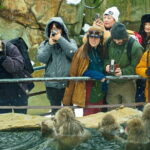
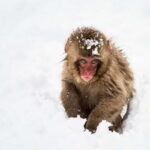
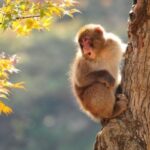
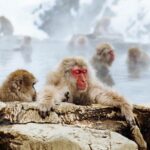
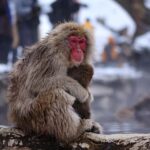
When you reach the viewing area, here’s the big attraction: the monkeys aren’t behind thick, visual barriers. You’re free to watch them bathe, play, feed, and groom each other, which is exactly why Jigokudani is so famous. If you’re the kind of person who takes photos even when you say you’re not going to, this is where you’ll end up.
That said, there’s a practical reality you should plan for. On some days, the monkeys might not come down to the park viewing areas. It’s not a guarantee that you’ll see snow monkeys performing in the most photogenic spots. When that happens, the day can feel like less of the fairytale and more like a waiting game.
Also, consider that the whole area can be slippery when it’s cold. Dress for traction and for lingering outside. If there’s a surprise snowfall possibility, you’ll want warm outer layers, gloves, and something to protect your camera from cold bursts (cold drains batteries fast).
What to do with your time inside the park
.jpg)
Inside the park, the tour style is guided but not controlling. Your guide helps you get oriented and leads the flow so you don’t end up wandering in circles. But you still get to linger and watch, which matters because monkey behavior isn’t on a schedule.
I like this approach because it turns the experience into something you can actually observe. Instead of racing through, you can wait for a monkey to wander into a good spot or for the group to start grooming.
The main drawback is also the thing that makes it authentic: you’re outdoors, and you’ll feel the cold. Some people wish they had slightly more time in the park rather than feeling rushed. So if you’re traveling specifically for photos, aim to move quickly at the start and then slow down once you’re in the viewing zone.
Hotaru-tei late lunch in a 160-year-old merchant mansion
.jpg)
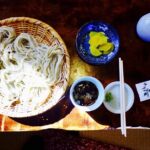
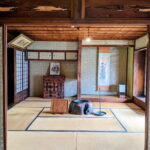
Between monkey time and fireworks time, you get a late lunch at Hotaru-tei. It’s located nearby and is housed in a 160-year-old merchant family mansion, so you’re not just eating to refuel. You’re stepping into a different pace: warm interior, historic surroundings, and a chance to reset before the evening crowd scene.
Lunch is about an hour, which is just enough time to eat without making you feel like you’re missing fireworks. A vegetarian option is available, which is a relief if you have dietary needs and don’t want to negotiate in the moment.
One practical tip: this meal is your main planned food stop. There may not be convenient nearby snacks during the fireworks period, so treat lunch like a real meal, not a light bite. If you tend to run cold and hungry, you’ll appreciate eating well before you settle in for the show.
And yes, it can still be chilly after lunch even if the restaurant is warm. If you’re sensitive to cold, I’d prioritize dressing in layers and keeping something warm in your bag for the walk back outside.
Ebisu-ko Fireworks by the Sai River: a festival built since 1899
.jpg)
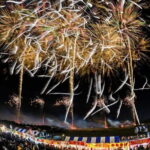
After lunch, you head back toward Nagano and then you’re seated for the Ebisu-ko Fireworks Festival, described as Japan’s largest autumn fireworks display. The show runs from 18:00 to 20:00 with 15,000+ individual pyrotechnics. If you’re hoping for a big finale, the timing matters because it culminates in a main event that closes the show.
What I like about this festival is its origin story. It started in 1899 when local merchants organized a bargain sale and daylong fireworks as gratitude to Ebisu, one of Japan’s seven lucky gods, while also praying for prosperous business and harvest. That local, neighbor-to-neighbor meaning is one reason the fireworks don’t feel like random spectacle.
Your tour includes reserved seating, which is a major value-add. With an audience reported to be 400,000+ people, you don’t want to be negotiating crowd placement while the show starts. Reserved seating also makes the experience more comfortable if you don’t want to spend the best part of the evening standing and shifting.
One thing to keep your expectations grounded: some people report that the show can include a lot of announcements from the host, with music not always driving every segment. You might still get standout fireworks moments, but it can feel more like a formal Japanese festival program than a nonstop concert soundtrack.
If you’re sensitive to loud sounds, consider bringing basic hearing protection. Fireworks are loud anywhere, and in a dense seating area the noise can feel immediate.
If you're still narrowing it down, here are other tours in Nagano we've reviewed

Timing the crowd crush: getting seated and returning to Nagano Station
.jpg)
This tour is designed around the reality that Nagano Station turns into a departure machine after the festival. The fireworks end at about 20:00, and then you’ll need time to navigate crowds back toward your bus and onward to Nagano Station.
The tour concludes around 21:00 to 21:15. That’s late enough that you should plan your onward travel carefully if you’re continuing to another city. If you’re relying on the Shinkansen, you’ll want a plan that avoids being stranded in the mass exit flow.
I also like that the tour helps you with the logistics instead of leaving you to figure out the crowd route on your own. After a show where everyone stands up at once, having a guide who can move the group at the right pace makes a real difference.
In practical terms, wear shoes you can stand in for a while. Even with reserved seating, you’ll still walk and shuffle in the return crush. Warm clothing also matters here. Evening is where cold can hit hardest, and if there’s any snowfall possibility, it’s not the time for fashion.
Price and value: is $218 worth it for 10 hours?
.jpg)
At about $218 per person for roughly 10 hours, this isn’t a budget activity, but it does include several items that add up. You’re getting round-trip and between-stop transport, the snow monkey entrance fee, lunch (vegetarian option available), and reserved seating for the fireworks with an English-speaking guide.
Here’s how I think about the value: if you get the full monkey experience and you enjoy large-scale fireworks, you’re paying for convenience plus crowd access plus guidance. You don’t have to coordinate public transport from Nagano Station, manage the timing between a park walk and a riverside show, or worry about seat placement.
If you don’t see many monkeys down in the viewing areas, the value shifts. The fireworks may still deliver, but you’ll feel that the first half of the day didn’t land the way you hoped. That’s the main risk you’re buying against.
So the “worth it” answer depends on what you care about most. If snow monkeys are your top priority, weigh the chance of monkeys not coming down on your travel date. If you’re equally here for the fireworks spectacle, then reserved seating plus transport still makes this a sensible package.
Guide quality and on-the-ground help that actually matters
.jpg)
An English-speaking guide is included, and that matters more than it sounds. When you’re dealing with cold, crowds, and timing, the ability to understand what to do next is worth real money.
Past feedback highlights guides like Joyce and Orlando for being helpful and quick-thinking, especially in the final push to reach viewpoints before the show. That’s exactly the kind of support you want when hundreds of thousands of people are moving toward the same sightlines.
Even if you’re comfortable in Japan, this tour’s structure reduces stress. You’ll have someone to help you manage the sequence: walk into the park, eat, then be seated without losing time to confusion. In a winter evening crowd, that’s not a small thing.
Who should book this snow monkeys and Ebisu-ko fireworks tour
.jpg)
This is a strong fit if you want:
- One guided day that combines wildlife viewing with a major autumn festival
- Reserved fireworks seating without spending your whole day hunting for the right spot
- A late lunch stop at Hotaru-tei, especially if you appreciate traditional settings
- An English-speaking guide to keep you on track in cold weather and big crowds
It may not be the best fit if:
- Snow monkeys are your make-or-break goal and you can’t emotionally handle the possibility of limited sightings on the day
- You have mobility constraints. The tour isn’t wheelchair accessible and includes walking.
- You expect nearby food vendors during the fireworks. The planned lunch is your anchor meal, and the show area may not be snack-friendly.
If you’re traveling with kids, the tour is long and cold, so plan for that. If you’re traveling as a couple or solo, it’s a clean way to get the highlights without turning your day into a logistics project.
Should you book the Ebisu-ko Fireworks & Snow Monkey Tour?
Book it if you want a guided, efficient way to see Jigokudani and then enjoy Ebisu-ko with reserved seating, a historic lunch at Hotaru-tei, and an English-speaking guide. For many people, that combo is exactly the right split of nature and wow-factor.
Think twice if your biggest priority is guaranteed snow monkey hot-spring drama. There are days when monkeys don’t come down to the park’s viewing spots, and that can change how satisfying the first half feels. Also, expect real walking and real cold, so dress accordingly.
If you’re the kind of traveler who values organization, time-saving, and comfortable seating for a major Japanese festival, this tour matches your style.
FAQ
Where is the tour meeting point and what time does it start?
The guide meets you inside Nagano Station at 11:00, in front of the large Information Board directly across from the Shinkansen ticket gates.
How much walking is involved at the snow monkey park?
There’s about 1.6 km of walking each way to the Jigokudani Monkey Park along a forest trail, taking roughly 30 minutes.
What is included in the tour price?
It includes transport from/to Nagano and between destinations, the snow monkey park entrance fee, lunch (vegetarian option available), reserved seating for the Ebisu-ko Fireworks Festival, and an English-speaking guide.
What time are the Ebisu-ko fireworks?
The Ebisu-ko Fireworks Festival runs from 18:00 to 20:00.
Is there an option for vegetarians at lunch?
Yes. Lunch at Hotaru-tei includes a vegetarian option.
Can the snow monkeys be unavailable on some days?
Yes. The tour notes that on a few days, the monkeys might not come down to the park’s viewing areas.