Noto feels wide open when you skip the transfers. This private day tour from Kanazawa strings together big Noto sights in one smooth air-conditioned route, so you can spend the day seeing places instead of figuring out buses.
I really like two things about the experience: the comfortable private car ride between scattered stops, and the chance to get hands-on with Noto’s working traditions, from the salt-making area to the beach-road driving vibe. In fact, people have praised drivers like Nori and Mai for making the day feel easy and well-paced.
One thing to watch: the itinerary is weather-dependent. If it’s rainy, some stops can be less rewarding, especially the salt farm, which works best with sunny conditions.
In This Review
- Key points
- A private Noto day that saves you time and stress
- Price and what you truly get for $337.25
- Stop 1: Wajima Morning Market at 8:00-ish energy
- Shiroyone Senmaida rice terraces: steep layers that feel almost graphic
- Okunoto Salt Farm Village and the agehama technique
- Myojo-ji Temple: Nichiren in Hokuriku, with a towering Buddha
- Chirihama Nagisa Driveway: an 8 km beach sand road
- Comfort and pacing: how the private vehicle changes everything
- Lunch, timing, and what to do with your free time
- Should you book this private full-day Noto driving tour?
- FAQ
- How long is the Noto full day driving tour?
- What time does the tour start?
- Is pickup offered?
- Is this a private tour?
- What stops are included during the day?
- Are admission tickets included for the stops?
- Is lunch included?
- What type of vehicle is used?
- What happens if the weather is bad?
- How far in advance do people tend to book it?
Key points
- Private, air-conditioned transport to connect far-flung Noto highlights in a single day
- Wajima Morning Market with fresh local fish, vegetables, and craft stalls
- Shiroyone Senmaida rice terraces in steep layers on the slope area around Koushuzan Mountain
- Okunoto Salt Farm Village using the traditional agehama salt technique
- Chirihama Nagisa Driveway: an 8 km long sand road across the beach area
A private Noto day that saves you time and stress
Noto is famous, but it’s also spread out. That’s the main reason this format works: you’re not hopping between transit lines and then waiting around. You get one schedule, one driver-guide, and a comfortable ride that keeps the day moving. With a start time of 8:00 am and about 9 hours total, it’s built for a full, efficient day without feeling like a sprint.
The other thing I appreciate is how varied the stops are. You’re not only seeing views. You’re also seeing how people eat, make products, and practice faith in this part of Japan. That mix is what makes the day feel like you understand Noto a little better than a checklist tour.
And since it’s private, it’s easier to adjust on the fly—especially helpful if someone needs a quick bathroom break, or if you want extra time at one stop without dragging everyone else along.
Other private tours in Kanazawa



Price and what you truly get for $337.25
At $337.25 per person, this isn’t a budget tour. But in Noto, private transportation for a 9-hour day can be worth it because the distances add up fast. You’re essentially paying to buy back your time and reduce friction: fewer confusing connections, less schedule anxiety, and more time standing in front of the sights.
You also get a “no surprise” feeling on the basics. The tour includes an air-conditioned vehicle and all fees and taxes. Lunch isn’t included, but the tour will stop so you can eat and drink at your leisure.
One practical note: the tour runs as a private experience, only for your group. That matters for value. If you’re traveling as a pair or small group, you’re paying for comfort and control rather than splitting an experience with strangers.
If you like your travel days organized but not rushed, this price structure tends to fit that style.
Stop 1: Wajima Morning Market at 8:00-ish energy
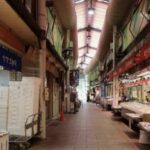
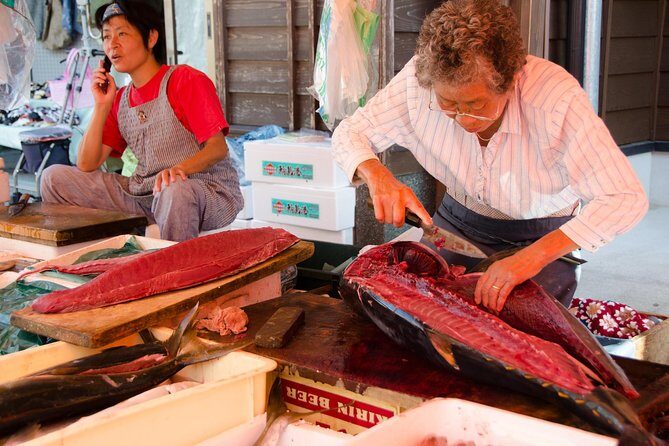
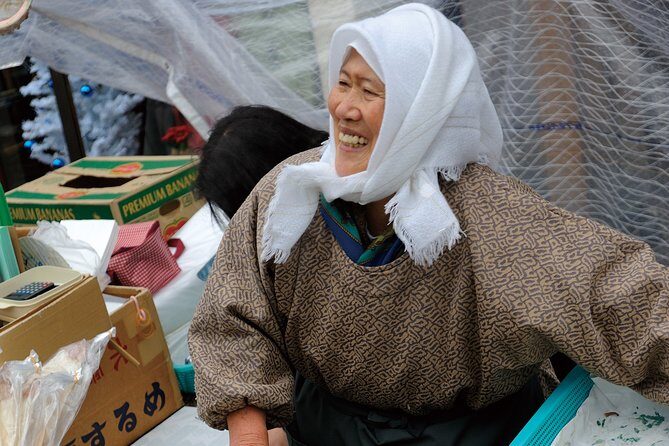
Wajima Morning Market is exactly the kind of start that sets the tone for a day in Noto. You’ll be in the thick of early-morning activity when voices fill the avenues and stalls are lined up in a way that feels like it’s happening right now, not just for tourists.
Expect a mix of fresh supply and local life: stalls with fish brought in from the port, vegetables from nearby farmland, and traditional arts and crafts. It’s a good stop if you like food culture but also want a visual snapshot of how communities work.
The stop is scheduled for 1 hour, and admission is included. That’s enough time to walk the lanes, pick up a snack, and still stay ready for the rest of the day. If it’s raining, the market often stays fun because you can shelter in place—more than you can say for outdoor photo stops later.
Shiroyone Senmaida rice terraces: steep layers that feel almost graphic
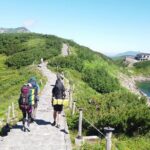
Shiroyone Senmaida is one of those places that hits you visually before you even read about it. The rice paddies sit on steep slopes, stacked in many layers, with an area listed at 1.2 hectares at the foot of Koushuzan Mountain. It’s not just pretty—it’s impressive because it’s clearly human labor and engineering turned into scenery.
The tour gives you 1 hour here, and the schedule says admission is free. That’s a nice touch: you can spend your time focusing on the terraces and the angles rather than thinking about tickets.
What I’d consider when planning your photos: you’ll likely see more texture when lighting is decent. If the weather turns gray and misty, the terraces can look flatter on camera, even though they still feel striking in person. This is one stop where moving a few steps—rather than staying planted—helps you catch different layers and depth.
Okunoto Salt Farm Village and the agehama technique
If you want a real working-process stop, Okunoto Salt Farm Village is it. This area is noted as the only facility in Japan using the traditional agehama technique for salt production. The idea is simple in words: salt fields made in a way that supports traditional production methods.
The tour allows 1 hour, with admission included. This timing works well because salt fields aren’t usually a “wandering all day” kind of place. You want a guided sense of what you’re looking at, then time to observe how the environment supports the craft.
Here’s the practical drawback: salt production is more convincing when conditions are right. One downside that can happen is heavy rain, which can affect what you can do or how much you enjoy the stop. The tour specifically flags that the experience requires good weather, and the salt farm is one of the first places where bad weather can change the day.
So if you’re booking this on a short trip, keep an eye on forecasts—and if your schedule allows, consider choosing dates with better chances of sun.
If you're still narrowing it down, here are other tours in Kanazawa we've reviewed
Myojo-ji Temple: Nichiren in Hokuriku, with a towering Buddha
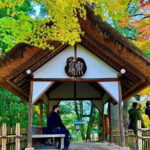
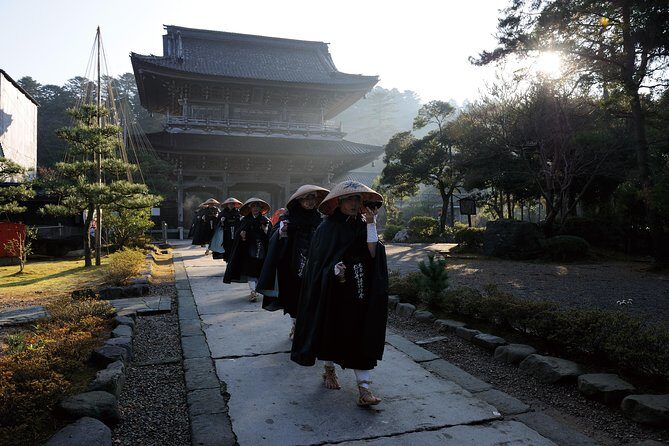
Myojo-ji Temple is a more quiet, reflective stop after market and fields. It’s described as the head temple of the Nichiren Sect in the Hokuriku region, which gives it more weight than a random temple visit.
The itinerary time is 1 hour, and admission is listed as free. That’s a good balance: you get enough time to take in the compound and read the details without feeling like you’re rushing through religious space.
One highlight in the tour notes is Joroku-do, a hall containing a wooden statue of Shakamuni Buddha that’s listed as 5 meters tall. The same note says the statue was restored in the past, though the exact timeframe is cut off in the provided details—so I won’t pretend it’s specific. Still, knowing the statue is that large helps you understand why people bother to plan this stop.
If you want to be respectful and comfortable, wear something you can move in, and take your time. Temples tend to reward slower walking more than fast picture-taking.
Chirihama Nagisa Driveway: an 8 km beach sand road
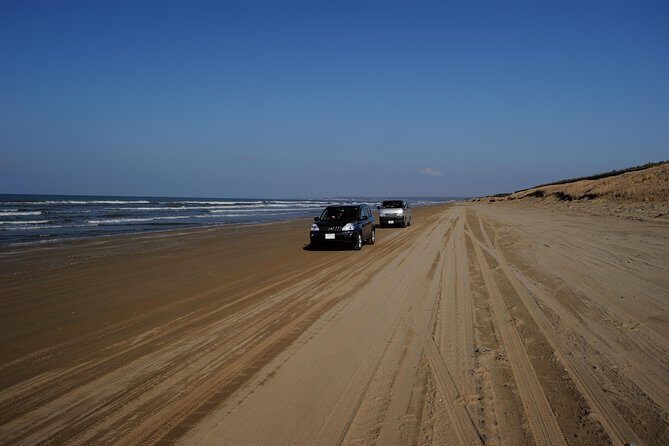
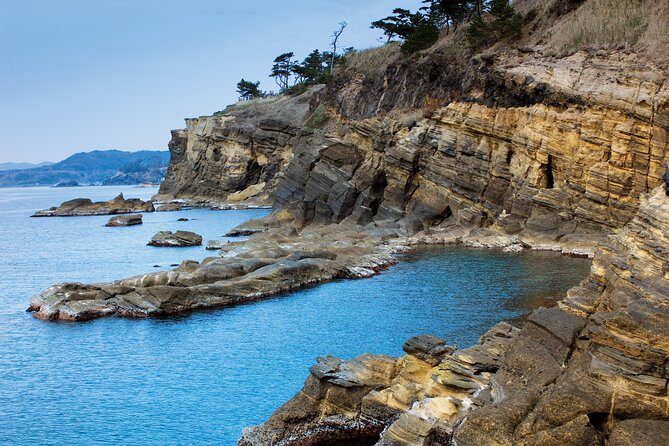
Chirihama Nagisa Driveway is the sort of stop that makes a private tour feel worth it. This famous beach driveway runs from Imahama Beach to the Chirihama beach area in Hakui-gun, and it’s listed as 8 km long. The road width is noted as 50 m, and it’s made of tightly compacted fine sand, firm enough to drive on.
The tour gives you about 1 hour here, and admission is listed as free. Even if you don’t take tons of photos, it’s still a memorable way to understand how locals use space. A sand-road coastline isn’t something you see everywhere.
Weather matters here too, but in a different way than the salt farm. Heavy rain can reduce photo clarity, and strong wind can make the sand feel harsher underfoot. If the day is at least partly clear, this stop tends to be one of your best “only-in-Noto” moments.
If you’re prone to motion sickness, remember you’ll be in a vehicle for much of the day. That beach-road segment is scenic, so it’s also worth having water and taking it easy if the ride feels bumpy.
Comfort and pacing: how the private vehicle changes everything
Because the tour is private, the ride itself becomes part of the experience. You’re not spending the day with crowded transfers and surprise wait times. Instead, you’re in an air-conditioned private vehicle, moving between places that are clearly meant for a car-based itinerary.
This matters in Noto. Stops are different in character—market energy, terrace views, salt-production areas, temple grounds, and coastal beach-road driving. A private driver-guide helps you transition without the stress of constantly re-orienting yourself.
People also praised the overall comfort and the guidance style. Names that came up include Nori and Mai, both associated with making the day feel smooth and memorable. That lines up with what you want from a private day tour: not just getting you from A to B, but also keeping you comfortable while the schedule stays on track.
Lunch, timing, and what to do with your free time
Lunch is not included. But the tour includes a practical approach: there will be a stop for food and drinks at your leisure. That flexibility can actually be a benefit, because you can choose what fits your dietary needs and appetite.
With 1-hour blocks at each main stop, you’ll want to treat lunch like a reset button. Eat before you get too tired and save energy for the beach road at the end. If you snack early at the market, you can often keep lunch lighter.
Also, remember the tour requires good weather. If conditions are poor, don’t assume every stop will feel the same. If you want the best experience, plan your day with a little patience. Noto isn’t a theme park with guaranteed perfect conditions.
Should you book this private full-day Noto driving tour?
Book it if you want a stress-free day that mixes food culture, real local production, temple atmosphere, and a truly unusual coastal experience. It’s especially a good fit for couples or small groups who value comfort and hate spending hours on transit.
Skip it or adjust expectations if your trip is tightly scheduled around weather, since the salt farm experience can be affected by rain. Also, if you already love DIY road trips and want full control over timing, a self-drive plan could work. But you’d be trading that comfort for extra planning and navigation.
For most visitors who want to see a lot of Noto without turning the day into logistics work, this is a strong buy: you’re paying to make the peninsula feel reachable in one go.
FAQ
How long is the Noto full day driving tour?
The tour is about 9 hours.
What time does the tour start?
The start time is 8:00 am.
Is pickup offered?
Yes, pickup is offered.
Is this a private tour?
Yes. It’s private, and only your group will participate.
What stops are included during the day?
The stops include Wajima Morning Market, Shiroyone Senmaida, Okunoto Salt Farm Village, Myojo-ji Temple, and Chirihama Nagisa Driveway.
Are admission tickets included for the stops?
All fees and taxes are included. The schedule lists admission ticket included for Wajima Morning Market and Okunoto Salt Farm Village, while Shiroyone Senmaida, Myojo-ji Temple, and Chirihama Nagisa Driveway are listed as free.
Is lunch included?
No. Lunch is not included, but the tour will stop for food and drinks at your leisure.
What type of vehicle is used?
An air-conditioned private vehicle is included.
What happens if the weather is bad?
This experience requires good weather. If it’s canceled due to poor weather, you’ll be offered a different date or a full refund.
How far in advance do people tend to book it?
The average booking time is 107 days in advance.