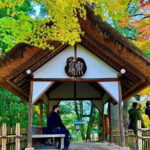
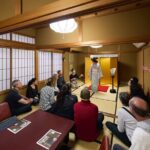
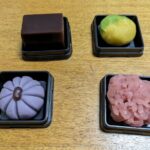
A good tour should feel like a friend guiding you. That’s the idea here: a private, unscripted walking experience in Kanazawa where your local host steers the day toward your interests. Instead of a fixed checklist, you’re adapting as you go—food questions, art stops, history talk, or just wandering safer-than-you-think streets.
I love how flexible this feels, especially with guides like Emi (patient, story-focused) and Rodrigo (great at tailoring the route on the fly). I also like the way you can build momentum quickly, because the walk often starts with a major landmark—the 21st Century Museum of Contemporary Art—and then flows into the neighborhoods that make Kanazawa feel like Kanazawa.
One drawback to plan around: because this is truly personalized and walking-based, you may need to pay extra if you choose paid attractions, and you won’t have transport included between stops.
In This Review
- Key things that make this tour worth it
- A local-led walk that doesn’t feel like a checklist
- Meeting at the 21st Century Museum: why that start matters
- What you can expect to see on a flexible Kanazawa walking route
- Kanazawa garden time (usually the calm highlight)
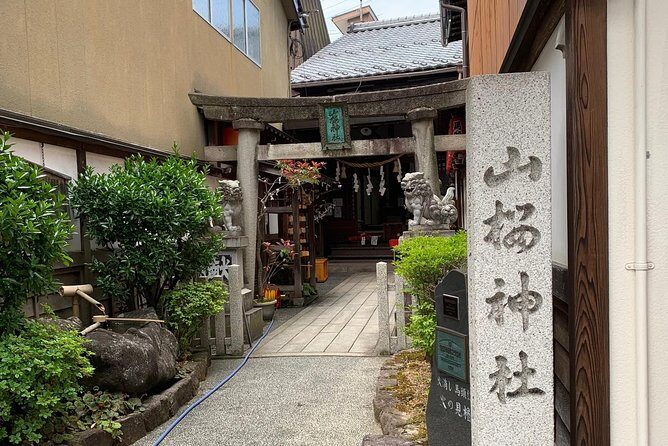
- Shrines and museums (for meaning, not just monuments)
- The geisha district and tea district (for atmosphere and etiquette)
- Coffee or break time (yes, it’s part of the plan)
- Why the guides feel different: personality and pacing
- Price and value: what you’re really paying for
- Practical matters that make the day smoother
- Who this tour suits best
- Should you book this Kanazawa private walking tour?
- FAQ
- How long is the Kanazawa private walking tour?
- What does the $55 per person price include?
- Is this tour private or shared with other groups?
- Where does the tour start, and where does it end?
- Are food, drinks, or attraction tickets included?
- Does the tour run in bad weather?
Key things that make this tour worth it
- Private and personal: only your group, with a local who adjusts to your pace.
- Start at the 21st Century Museum: a clean meeting point that also sets the tone for modern Kanazawa.
- Route flexibility: your day can swing toward gardens, shrines, museums, the geisha district, or the tea district.
- Story-first guidance: hosts like Yukari, Chris, and Ali are the type who connect places to everyday life.
- Easy add-ons for your interests: you can request stops like coffee breaks, as long as you’re up for walking.
- Weather stays in play: the tour runs in all conditions, so pack for rain or cold.
A local-led walk that doesn’t feel like a checklist
Kanazawa can be surprisingly easy to “do wrong.” You’ll hit beautiful sites, sure, but you’ll miss the why—the small details that explain how the city works and why certain corners matter.
This tour format fixes that by using a local host who brings practical context and personal stories. That’s especially helpful in Kanazawa, where neighborhoods often feel distinct, and what looks like a shortcut can turn into the best part of your day if someone points you the right way.
You’re also not stuck listening to a script. A host like Griselda or Chris can keep the conversation going and steer toward your questions, whether you care most about architecture, art, or simply what daily life looks like around the places you’re seeing.
Other Kanazawa tours and samurai-district walks
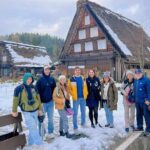
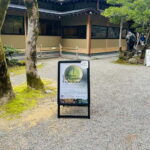

Meeting at the 21st Century Museum: why that start matters
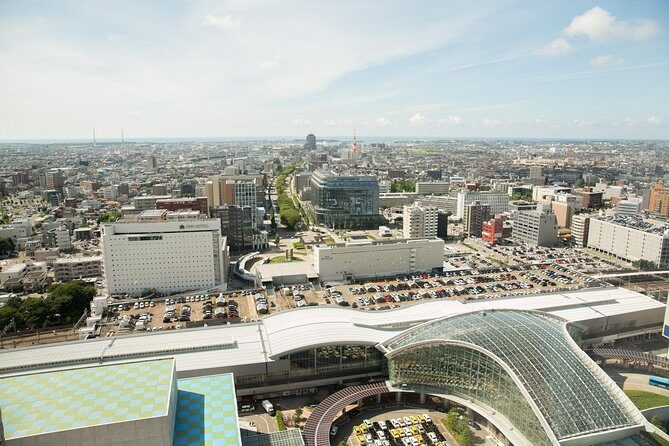
Your tour begins at the Kanazawa 21st Century Museum of Contemporary Art. That’s not a random choice. It’s a high-recognition landmark, close to public transportation, and it gives you a strong “first anchor” before the walk starts turning into smaller streets and quieter areas.
From there, your host can set the tone for the day. If you’re more into modern culture, you’ll likely get context for the museum area and how it connects to Kanazawa’s broader identity. If you’re more old-school traditional, you’ll typically shift toward older districts shortly after.
This matters for first-timers. When you’re meeting at one clear point, you lose less energy to figuring things out. You can get your bearings fast—then focus on the city.
What you can expect to see on a flexible Kanazawa walking route
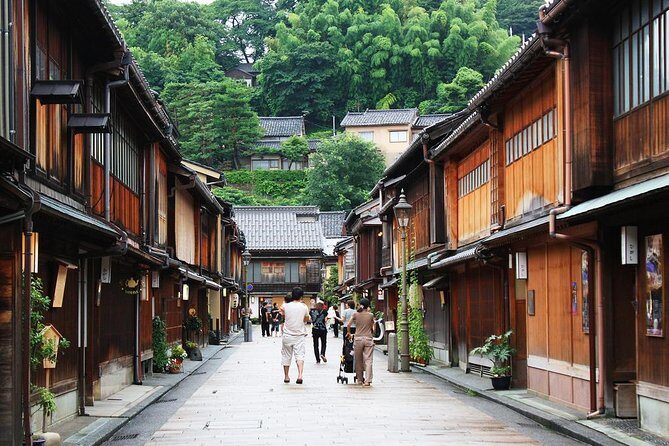
The itinerary is customized, so you shouldn’t expect the same exact route every time. But based on the way hosts tend to build the day, you can plan for a mix of major highlights and “in-between” experiences.
Here’s how the tour experience often shapes up, depending on your interests:
Kanazawa garden time (usually the calm highlight)
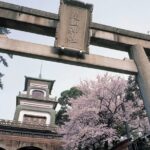
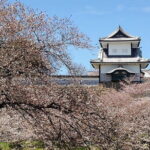
If you want beauty with context, gardens are a prime candidate. Some hosts build a tour around castle gardens, where you can slow down and notice details you might otherwise skip.
In practice, this kind of stop works because your host can explain how the design encourages movement—where you look, when you pause, and what changes as the season shifts. If you’re going in cooler weather, this is also where you’ll often appreciate warm pacing and photo stops that don’t feel rushed.
Possible drawback: gardens are easy to overdo if you’re only chasing photos. If that’s you, tell your host you want shorter stops and more street-level wandering.
Shrines and museums (for meaning, not just monuments)
Many walks include a stop at shrines and/or museums. The advantage of doing this with a local is that the site becomes a story, not just a location.
A host like Emi or Chris can link symbolism, traditions, and local interpretation in a way that stays clear even if you’re not a history superfan. You’ll likely come away with a better sense of what people value in Kanazawa, beyond what a plaque says.
If you choose a paid attraction, note that entrances aren’t included, and the host cost for the attraction would be on you too. That doesn’t make the tour bad—it just means you should budget like you’re choosing a couple of extras.
Other walking tours we've reviewed in Kanazawa

The geisha district and tea district (for atmosphere and etiquette)
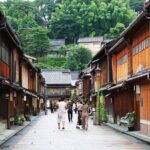
If you’re curious about Kanazawa’s refined cultural side, your local may steer you toward the geisha district and the tea district. These areas are as much about atmosphere as they are about sights.
You’ll probably appreciate the difference between walking through a tourist corridor and walking through a place where you understand the rhythm—what to notice, how to behave, and why certain streets feel the way they do. A good host can also give you practical pointers for what to do next after the walk, like where to return for dinner or a casual drink.
Possible drawback: if you’re mainly in a “fast hits only” mode, these districts can slow you down a bit. Tell your host your preferred speed early.
Coffee or break time (yes, it’s part of the plan)
A short break can turn a good tour into a great one. Several guides are flexible about adding a coffee stop, which is useful if you want to reset your energy and keep asking questions.
This is also where you can get the most useful recommendations: what to eat, where to go later, and how to avoid wasting time on places that won’t match your tastes.
Why the guides feel different: personality and pacing
A private walk lives and dies by the host. Here, the strength seems to be human—not technical.
Some hosts bring calm patience and clear English, like Emi, which makes it easier to ask follow-up questions without feeling rushed. Others lean into big-picture “how Kanazawa thinks,” like Chris, who connects history, art, architecture, and nature with enough clarity that the city starts to make sense in layers.
You might also get a host like Yukari, who can explain castle garden history in a way that makes the scenery feel purposeful. Or you could end up with Henric, who makes winter weather part of the adventure rather than a reason to shrink your day.
And yes, conversation flow matters. When you’re only with your group, the host can keep pace with your curiosity. That’s how a two-hour walk can feel full instead of frantic.
Price and value: what you’re really paying for
At $55 per person, this is priced like a private experience, not a mass-market “tour bus with better lighting.” The value comes from three things:
1) It’s private
You’re not competing with strangers for the host’s attention. That helps a lot if you want specific topics, like art references, neighborhood differences, or what to do next in the evening.
2) The route adapts
You’re paying for flexibility: the host can shift the day to match your interests, not the other way around. If you care about gardens today and museums tomorrow, you’ll get that choice in real time.
3) You save time figuring things out
Kanazawa is walkable in many areas, but “walkable” doesn’t mean “obvious.” A local guide reduces trial-and-error and helps you spend your hours where they’ll matter.
Possible consideration: food and drinks are not included. That’s normal for this type of tour, but it means your budget depends on whether you choose restaurant stops, snacks, or paid attractions.
Practical matters that make the day smoother
This is a walking tour. That sounds obvious, but it matters because it affects what you should wear and how you should plan your day around it.
Wear comfortable shoes. Kanazawa can have plenty of walking even when the route sounds short. If you’re traveling with a heavier bag, consider leaving it stored and keeping your hands free for photos and quick stops.
The tour also runs in all weather conditions. That’s a good thing—you’re not forced to lose your day—but it means you should show up prepared with rain protection or warm layers.
Your meeting is at the museum, and the end location can be different unless you request otherwise. So build a little buffer into your schedule after the tour.
Who this tour suits best
This is a strong fit if:
- You want Kanazawa culture with context, not just photos.
- You like asking questions and want a day that adjusts when you discover a new interest.
- You’re short on time and want your first visit to feel guided, but not controlled.
- You travel as a pair or small group and prefer walking with conversation over structured lectures.
If you’re the kind of traveler who wants every fact, every date, and a strict itinerary with no flexibility, you might feel this is too personal and story-based. The tour is described as more practical city perspective than detailed historical facts.
Should you book this Kanazawa private walking tour?
I’d book it if your goal is to feel like you understand Kanazawa on your feet. The private setup, flexible route, and local storytelling are exactly what turn a first visit into a “now I get it” day.
I’d think twice if you only want a museum checklist and you’re trying to squeeze in paid attractions without extra spending. This tour can include paid sites, but entrance costs are on you, and the host’s entry cost applies too.
If you’re open to walking, prepared for weather, and you enjoy a conversation-led day, this is good value for a city where the best parts are often the ones you can’t find by searching a map.
FAQ
How long is the Kanazawa private walking tour?
The tour runs for about 2 to 6 hours, depending on the duration you choose and your interests.
What does the $55 per person price include?
You get a private walking tour with a Lokafyer (local host) and a personalized itinerary tailored to what you want to do.
Is this tour private or shared with other groups?
This is private. Only your group participates.
Where does the tour start, and where does it end?
It starts at the Kanazawa 21st Century Museum of Contemporary Art. The tour ends in Kanazawa, but the exact end point can vary unless you request otherwise.
Are food, drinks, or attraction tickets included?
No. Food and drinks aren’t included, and any paid attraction entrance fees are also not included. If you add an attraction, you cover entrance costs for yourself and the Lokafyer.
Does the tour run in bad weather?
Yes. It operates in all weather conditions, so you should dress appropriately for rain or cold.