Short walks, big stories. This Takayama Old Town tour is a 45-minute way to make sense of what you’re seeing, with Takayama Jinya as the anchor stop. I especially like the slow pace and lots of chances to ask questions about daily Takayama life. One drawback: it’s not a long, deep visit, so you’ll view highlights more than you’ll fully explore them.
I also appreciate that the guide is actively helpful, with English support and real recommendations. On past tours, guides like Takumi and Miyuki have shared history details and practical ideas for food and sake. Consider it a strong intro, not a full-day plan, because you’ll be moving through several key spots quickly.
In This Review
- Key things to look forward to
- Why this short Takayama Old Town walk works
- Price and logistics: what you’re really paying for
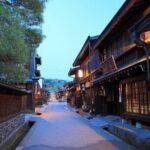
- Kamisannomachi: the old street start that sets the tone
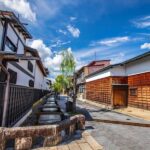
- Nakabashi Bridge: a fast photo stop with a reason
- Takayama Jinya: the old government office stop you’ll remember
- Yamazakura Shrine: craft ties and Japanese religion in one stop
- Getting the most from your guide (without slowing the group)
- Who should book this Takayama Old Town walking tour
- Should you book? My practical verdict
- FAQ
- How long is the Takayama Old Town Walking Tour with a local English guide?
- What’s included in the price?
- Which landmarks will I see during the walk?
- Is Takayama Jinya entrance included?
- What’s the group size limit?
- What happens if the weather is bad or I need to cancel?
- Final call: quick decision guide
Key things to look forward to
- A slow, question-friendly 45-minute pace that helps you understand what you’re looking at
- Takayama Jinya, the old government office type that’s described as unique in Japan
- Free-to-view stops like Kamisannomachi and Nakabashi Bridge
- Photo moment at Nakabashi Bridge with time set aside for pictures
- Yamazakura Shrine and a chance to learn how craft and Japanese religion show up in local life
- Small group size (max 20), which keeps the walk conversational
Why this short Takayama Old Town walk works
Takayama can feel like a place you can wander on your own. You can also end up doing that: lots of pretty streets, a few good photos, and not much clarity. This tour is designed to fix that. In about 45 minutes, you get a guided thread through the old parts of town and the nearby newer edges, so the layout starts to make sense.
Two things make it especially practical. First, your guide doesn’t just point and go. The walk is slow enough for questions, and the tour is built around learning history and culture as you move. Second, the stops aren’t random. You hit a street area (Kamisannomachi), a classic landmark bridge (Nakabashi Bridge), a major historical building (Takayama Jinya), and a shrine tied to local craft and religious practice (Yamazakura Shrine). That combination helps you connect everyday sightseeing with the deeper context behind it.
There’s also a smart value angle here. For the price, you’re paying for time with an English-speaking guide in a place where language can be a barrier. If you’re only in Takayama for a day or you want something easy before/after other plans, this is a good way to “get oriented” without burning half your afternoon.
Other Takayama walking tours and old-town experiences
Price and logistics: what you’re really paying for
At $48.22 per person, this isn’t a bargain-basement walking tour. But it’s not an extravagant splurge either. What you’re buying is guided interpretation—English support, a tight route, and the kind of context that makes free attractions click faster.
A few details matter for planning:
- Duration: about 45 minutes, so it’s easy to slot into a tight itinerary.
- Group size: up to 20 travelers, which helps keep questions from turning into a line.
- Meeting point: 22 Kamininomachi, Takayama, Gifu 506-0845.
- Ticket type: mobile ticket.
- Transportation access: it’s near public transportation, so you’re not committing to a complicated transfer.
- Ends back where you start: you finish near the same area, which is handy for continuing your own walking.
Also, bring realistic expectations. Several sites on this route are described as having free admission for what you’ll do during the tour. The tour includes the exterior/overview visit at key spots, with the note that you can go inside Takayama Jinya only if it’s possible, and that interior access is not included as part of the standard tour.
If you’re carrying luggage, plan smart. One past group hit the tour right after a tight train schedule, and the operator noted they generally can’t keep luggage at the desk, but may accept it for special situations like unusual arrival timing. If that’s your case, I’d ask ahead so you’re not stuck holding bags longer than you want.
Kamisannomachi: the old street start that sets the tone
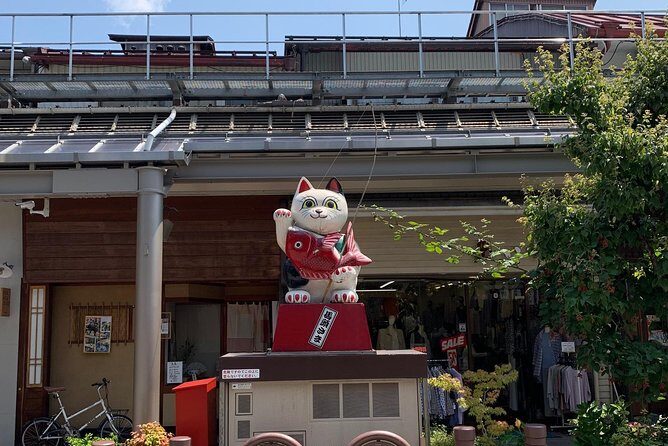
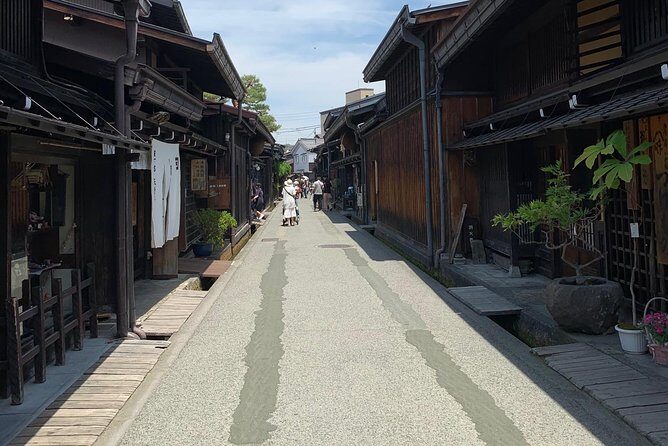
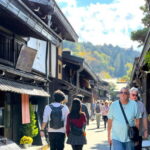
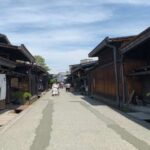
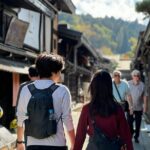
Stop 1 is Kamisannomachi, with about 10 minutes at the beginning of the walk. This is where the guide does something valuable: they use the old-town setting to explain Takayama’s history and culture, rather than treating it like just another “look at the buildings” moment.
Why this start is useful: when you begin with context, the rest of your stops feel connected. You start seeing patterns—what’s old, what’s symbolic, and what locals likely think about when they talk about their city. Even if you’re not a history buff, this is the kind of framing that makes photos more meaningful.
A practical way to make the most of this stop is to ask your first question early. Since you’ll have opportunities throughout the tour, use the beginning to get your bearings: ask what you’re looking at and how it fits into Takayama’s identity. Your guide can then tailor later answers to what you’ll actually pass.
Time-wise, 10 minutes is not long, but it’s enough for a quick introduction and some back-and-forth. If you’re hoping for a slow stroll with lots of side streets, you may still want to continue wandering on your own after the tour ends, because this segment is intentionally short and focused.
Nakabashi Bridge: a fast photo stop with a reason
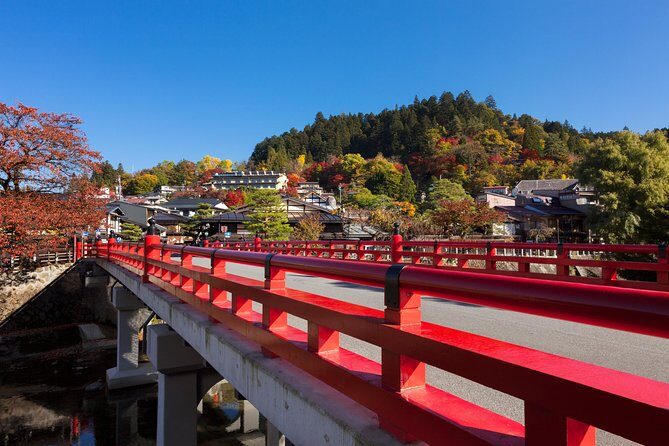
Stop 2 is Nakabashi Bridge, about 5 minutes. The tour gives you a quick break for photos—described as a good place to get a goooood photo—but the bigger point is what a bridge often represents in old-town layouts: a connector between areas and a landmark people use as a mental map.
Five minutes can sound rushed, but the value here is that the bridge isn’t just thrown into the route. Your guide includes it in the story of Takayama, so you’re not standing there thinking, I guess I should take a picture. You’ll be able to connect it back to the old-town flow you started learning at Kamisannomachi.
If you’re serious about photos, arrive with your camera/phone ready. Use the short time to shoot from one angle you like and then one alternate angle. Then move on. Trying to do a full photo session here will eat into the rest of the tour, and the later stops are where the interpretation gets more specific.
Takayama Jinya: the old government office stop you’ll remember
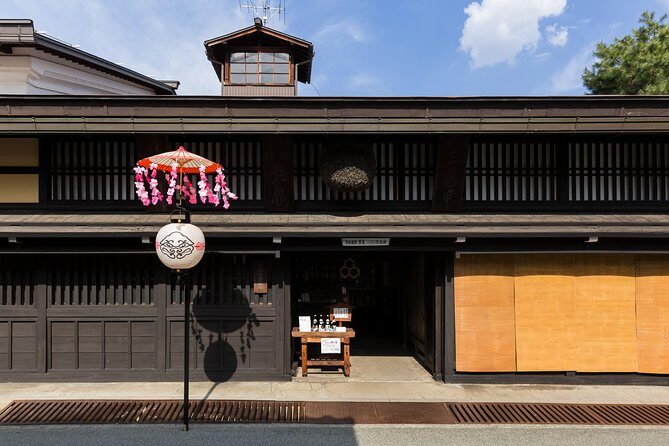
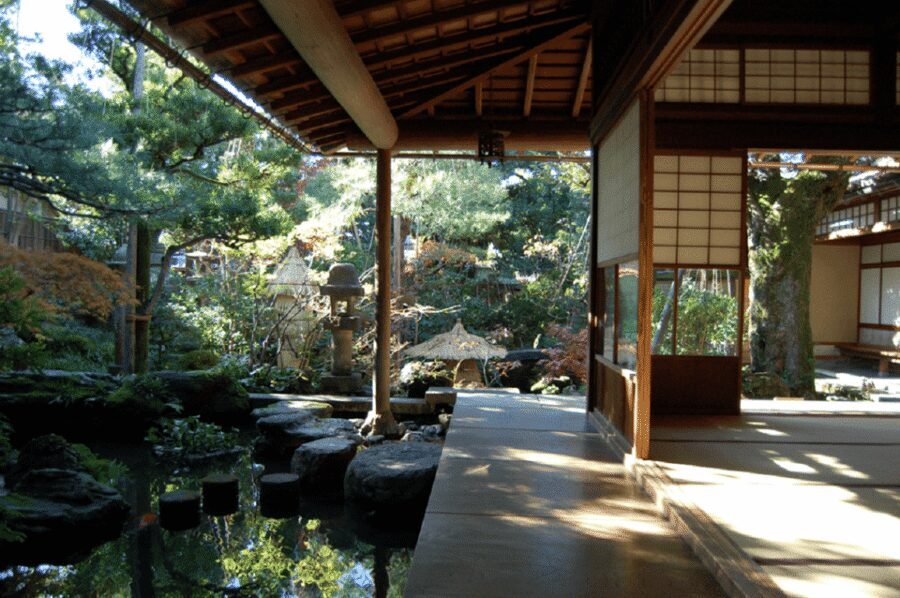
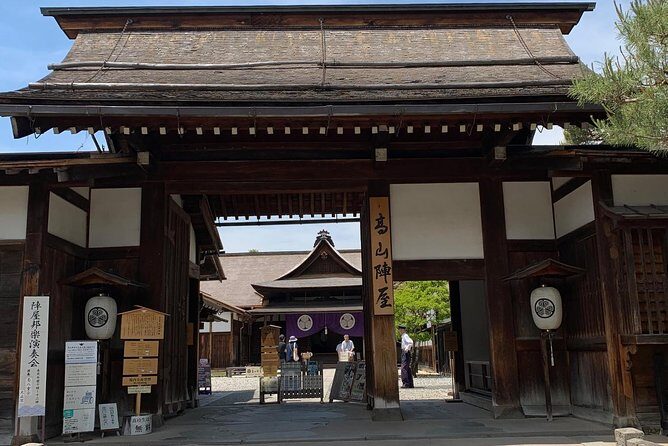
Stop 3 is Takayama Jinya, around 5 minutes. This is the tour’s heavyweight. You’ll see an old and special type of Japanese government office. The tour description makes a strong claim: it’s the only place in Japan with this kind of old government office.
That matters because it reframes Takayama from a scenic town into a place with real administrative history. When you’ve got a landmark like a former government office on your route, you start seeing how daily life, trade, and local governance connect. Even without a long interior visit, just understanding what the building represents can add weight to everything else you’re seeing.
Two useful notes:
- The tour gives you a focused look, not a full museum-style experience.
- Inside access is possible but not included in the standard tour.
So what should you do if you want more? Ask your guide a simple question at the stop: whether there’s any practical way to see more inside during your timeframe. If the tour can’t include it, you can still decide on your own next steps right after the walk ends.
This is also one of the best places to ask about the stories behind Takayama. One highlight from past guides is how they shared history details and even founder-related context. If your guide mentions people tied to the city’s beginnings, that’s your cue to ask follow-ups, because those answers usually connect directly to what you’re standing in front of.
Other walking tours we've reviewed in Takayama



Yamazakura Shrine: craft ties and Japanese religion in one stop
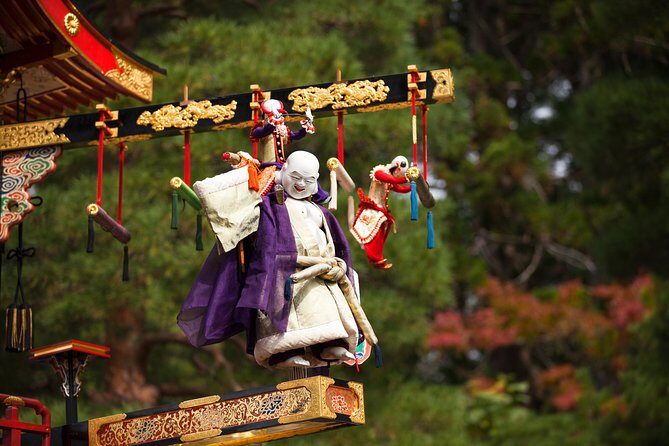
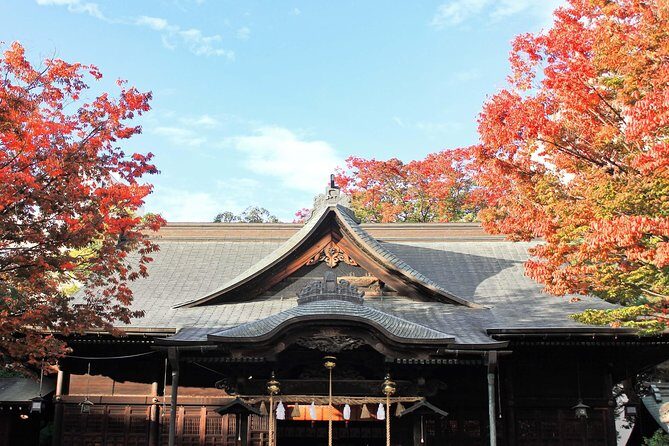
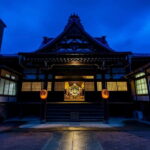
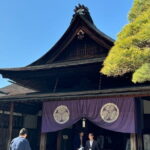
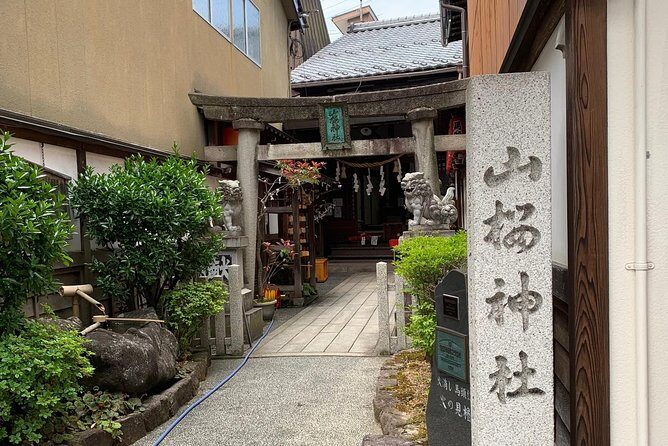
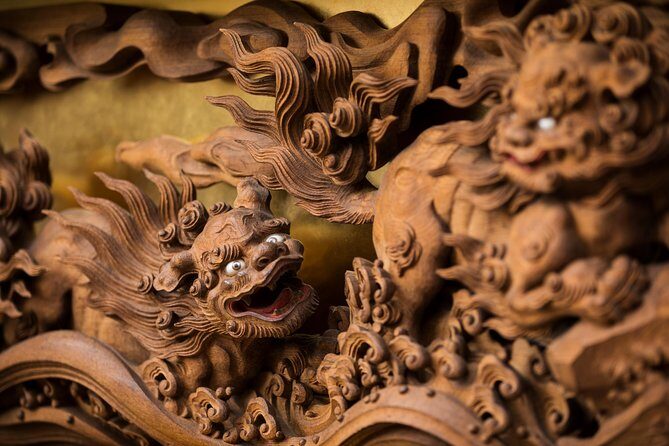
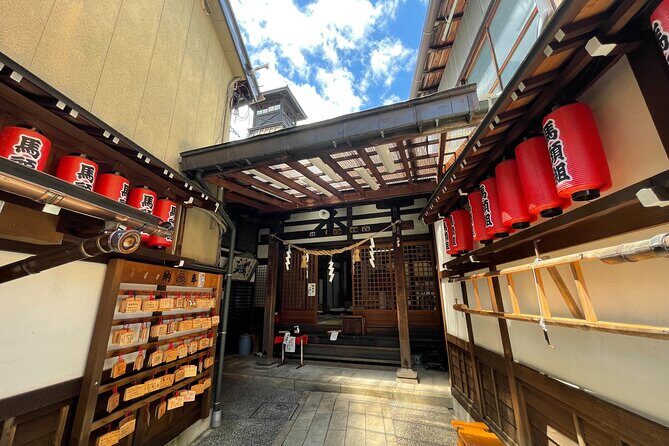
Stop 4 is Yamazakura Shrine, about 10 minutes. This stop gives the tour a different flavor from the history/government side. Here, you get a look at items connected to takumi—craftspeople associated with traditional technical skills in the Hida Takayama area—and you also get a chance to experience Japanese religious practice.
The tour description is careful about what you’ll do: you can see these craft-related things connected to local technical tradition, and you’ll have a chance to experience Japanese religions. That combination is a big deal in Takayama because the city’s “culture” isn’t only festivals and buildings. It’s also the skills people pass down and the way religion and community life stay linked.
As a visitor, you can do two things to get value fast:
- Ask what the shrine connection means for local identity (especially the craft angle).
- Observe quietly while your guide explains, rather than trying to multitask with phone scrolling. Ten minutes can disappear before you realize you missed the lesson.
A possible drawback: if you’re expecting a big visual show or a long ceremony, the tour gives you a short encounter. It’s enough for understanding and a calm taste, not a full religious event experience. If you want more, this is a strong stop to use as a springboard for your own return later.
Getting the most from your guide (without slowing the group)
This is a Q&A-friendly tour. The overview is clear about that: there are plenty of chances to ask questions about Takayama life. In practice, that means you’ll get more than facts. You’ll get explanations that help you read the city like a local.
Two guide styles stand out from real examples. One guide, Takumi, has shared interesting details about Old Town Takayama and the founder connections. Another, Miyuki, has offered extra value by pointing people toward sake breweries and restaurants around the area. That kind of recommendation is gold because it saves you time later.
Here’s how you can use that during the walk:
- Ask one question about history and one about food/where to go next.
- If you already know what you like (sake, local dishes, casual vs. sit-down), say it and ask what fits.
- If you want extra time after the tour, keep it polite. One guide response noted that extending the walk isn’t guaranteed, but if the guide has no plans, they may be able to go a bit longer.
Timing also matters. The route is about 45 minutes total. So ask, listen, and then move. If you want slow wandering, save it for after the tour ends back at the meeting point.
Who should book this Takayama Old Town walking tour
I think this tour is ideal if you:
- Want a quick Takayama intro without spending hours arranging logistics
- Prefer guided context over solo guesswork
- Like asking questions and getting real answers in English
- Only have a short window between train times, meals, or other sightseeing
It’s also a good fit for first-timers who want to understand Takayama Jinya and how it connects to local culture, not just take a picture outside.
You might want to skip or supplement it if you:
- Need a long, deep site visit. The stop at Takayama Jinya is brief, and interior access isn’t included.
- Plan to do a lot of shopping or drifting into side streets during the tour itself. The tour is structured, not freeform.
Group size helps. With a maximum of 20 travelers, it should feel like a guided walk rather than a mass shuffle. If you’re traveling with a service animal, it’s allowed, and that can make the experience easier to enjoy.
Should you book? My practical verdict
Book this tour if you want the fastest way to understand Takayama’s old-town layout and why a building like Takayama Jinya matters. The combo of slow pace, English guide, and four meaningful stops is strong value for a $48.22 ticket, especially when you’re short on time.
Skip it only if you’re already confident reading the sights on your own and you don’t need the context. In that case, you might just do a self-guided walk and spend your money elsewhere.
If the weather is good, this is an easy win. The tour depends on weather and also has a minimum number of travelers, so if your trip dates are flexible, you’re in good shape.
FAQ
How long is the Takayama Old Town Walking Tour with a local English guide?
It runs for about 45 minutes.
What’s included in the price?
A guide in English is included. Other items are not listed as included.
Which landmarks will I see during the walk?
You’ll visit Kamisannomachi, Nakabashi Bridge, Takayama Jinya, and Yamazakura Shrine.
Is Takayama Jinya entrance included?
Takayama Jinya is part of the tour to view. Going inside is possible, but it is not included in the tour.
What’s the group size limit?
The tour has a maximum of 20 travelers.
What happens if the weather is bad or I need to cancel?
The tour requires good weather. If it’s canceled due to poor weather, you’ll be offered a different date or a full refund. You can cancel up to 24 hours in advance for a full refund.
Final call: quick decision guide
If you’re in Takayama for a day and want context fast, this is a solid booking. It’s short, focused, and it helps you move through the old-town highlights with confidence. If you’re the type who likes to ask questions, you’ll probably leave knowing more than you expected from a 45-minute walk.