Shirakawago and Takayama feel like you stepped into old Japan, but this tour keeps it practical with a licensed English-speaking guide and included admissions. I like the focus on two places that don’t work well as a casual stop on your own: the UNESCO thatch-roof village of Shirakawago (Ogimachi) and Takayama’s preserved streets and festival culture.
What I especially like is how the tour gives you both the “what it looks like” part and the “why it matters” part. You’ll spend time inside at least one gassho-zukuri farmhouse, then see the detailed workmanship behind Takayama’s festival floats at the exhibition hall. One thing to consider up front: the day is long and lunch isn’t included, so you’ll want to plan for food on your own.
Finally, the small-group size (up to 15 people) helps the day feel more relaxed than a bigger coach circuit. The guide quality seems consistently strong too—names like Hiroko, Hiro, Shin, Joe, and driver Mr Shinbo come up in the guide/driver praise—so you’re not just riding and snapping photos.
In This Review
- Key things I’d mark on your itinerary
- From Kanazawa to two time periods in 10 hours
- Ogimachi’s gassho-zukuri houses: how 2.5 hours really feels
- The optional observation deck shuttle: worth it when weather cooperates
- Takayama’s floats at Yatai Kaikan: 30 minutes that pays off
- Kami-Sannomachi timing: the old merchant streets in two different schedules
- Kusakabe Folk Museum: a year-dependent stop you should plan around
- Takayama Station drop-off option: small flexibility, big convenience
- What’s included (and what isn’t) in plain English
- Timing realities: roads, order changes, and why your day still works
- Group size and comfort: the difference between “cozy” and “crammed”
- Who this tour is for (and who might prefer another format)
- Is it good value at $209.53 per person?
- Should you book this Shirakawago & Takayama day trip?
- FAQ
- How long is the 1-Day Shirakawago & Takayama tour?
- What time does the tour start in Kanazawa?
- Is lunch included?
- What is included in the tour price?
- Are tickets or entry fees to the main sights included?
- Is the tour offered in English?
- Do I pay extra for the observation deck shuttle in Shirakawago?
- How many people are on the tour?
- Is Kami-Sannomachi time the same in every year?
- Can the tour drop me at Takayama Station?
- What if a sightseeing facility is closed?
Key things I’d mark on your itinerary
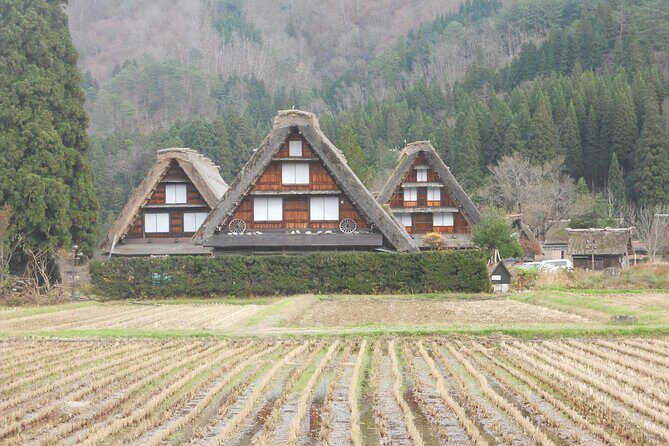
- UNESCO Ogimachi time with a real thatch-roof house visit (gives context, not just views)
- Takayama Festival Floats Exhibition Hall (Yatai Kaikan) to see the craftsmanship up close for 30 minutes
- Old merchant-town walking in Kami-Sannomachi, with timing that changes by year (shorter in 2025, longer in 2026)
- Kusakabe Folk Museum (only listed for 2025), then traditional streets and shop stops
- Max 15 travelers on an air-conditioned/heated bus, which matters on long winter or shoulder-season days
- Optional shuttle to the Shirakawago observation deck for an extra fee, depending on weather
From Kanazawa to two time periods in 10 hours
This is a straight-shot one-day culture trip that starts at 8:15 am from Kanazawa Station and returns to the same meeting point. The total time is about 10 hours, which is normal for this route—Kanazawa to Shirakawago takes long enough that you’ll feel it, especially if the roads are busy.
The payoff is that you don’t just visit a pretty village. You also get Takayama’s “everyday historic life” layer: merchant streets, traditional town sections, and festival heritage. The tour uses an air-conditioned/heated bus, and it’s capped at 15 travelers, so you’re not squeezed into a huge crowd before you even reach the sights.
In real terms, the schedule is built around three ideas:
1) maximize your time at the most meaningful stops,
2) keep admissions and guided interpretation handled, and
3) let you stroll on your own where it helps (especially Shirakawago).
Other Shirakawa-go and gassho-zukuri village tours in Kanazawa



Ogimachi’s gassho-zukuri houses: how 2.5 hours really feels
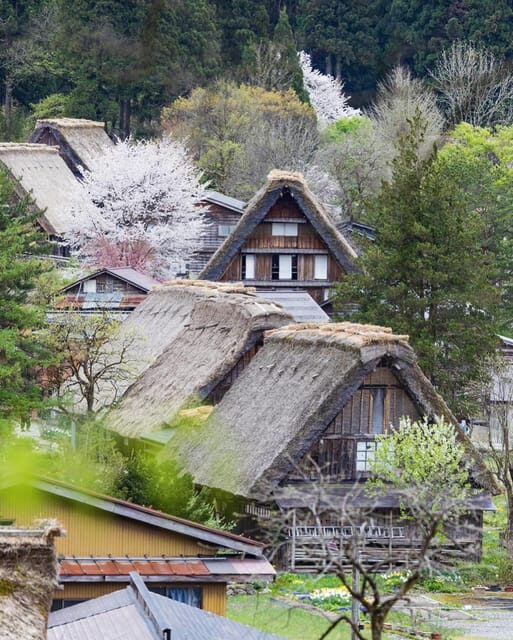
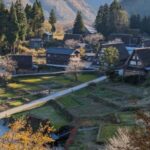
Your first major stop is Shirakawago, with 2 hours 30 minutes and an admission ticket included. Shirakawago’s claim to fame is the UNESCO village setting of gassho-zukuri farmhouses—the dramatic thatched roofs designed for heavy winter snow. And yes, from outside it looks like a postcard. The better part is the tour doesn’t stop at the exterior.
In Shirakawago, the group visits one thatch-roofed house in Ogimachi. Entry can take some time, and if there’s congestion, you may spend a bit longer waiting to go in or to take photos. The good news: once you’ve visited the house, you’re free to stroll around on your own.
What that means for you: you can slow down and look at details you’d miss from a quick walk—roof angles, street layout, and how the homes sit in the valley. If weather is clear, the village views are even better; if it’s snowy or foggy, the place still feels authentic, just more atmospheric than photogenic.
One practical tip: wear comfortable shoes. Even when the “walking time” doesn’t sound extreme, Shirakawago’s paths and village lanes add up once you include breaks, photos, and the time needed to enter the house.
The optional observation deck shuttle: worth it when weather cooperates
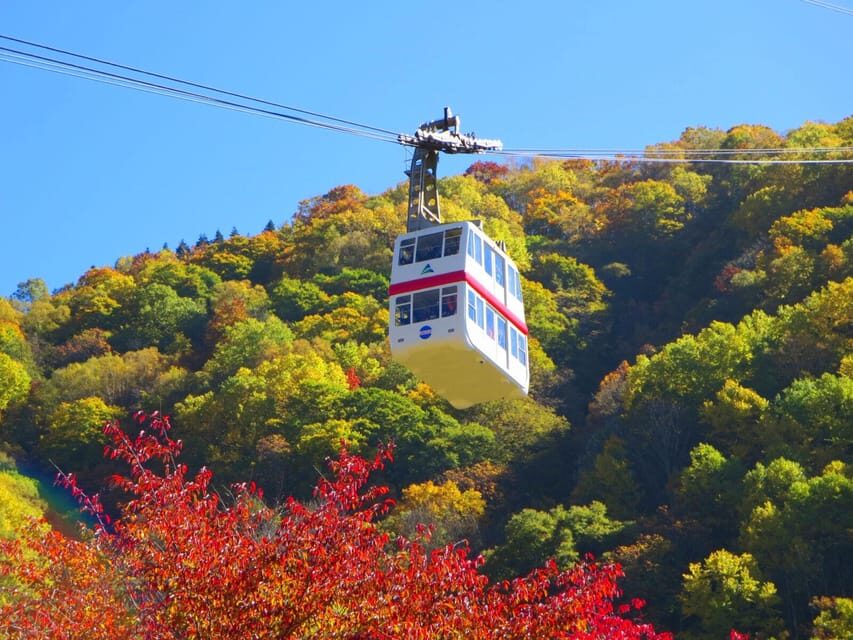
You’ll have a chance to use a shuttle bus to the Shirakawago observation deck, but it’s an additional charge and only for people who want it. Operation depends on weather conditions, so don’t plan your whole mood around it.
Here’s how I’d think about it:
- If visibility is good, an observation point can give you the “big picture” of how the roofs cluster across the village setting.
- If visibility is poor or the shuttle is suspended, you can still enjoy Shirakawago village time without feeling like you missed the main event.
If you’re the type who enjoys photos from multiple angles, it’s a reasonable add-on. If you’d rather keep things simple and stay with the walking and house visit, you can skip it and spend your energy exploring Ogimachi at ground level.
Takayama’s floats at Yatai Kaikan: 30 minutes that pays off
After Shirakawago, you shift to Takayama, specifically the Takayama Festival Floats Exhibition Hall (often associated with Yatai Kaikan). You get 30 minutes, and the admission ticket is included.
This is one of those stops that’s short but smart. Festival floats are impressive from far away, but in a museum-style setting you can really see the artistry: shapes, structure, and how much work goes into the details. It’s a great change of pace after rural Shirakawago.
Also, this stop is a value move for you. If you try to build this day on your own, it’s easy to lose time hunting for the right building at the right moment. On a packaged guided day, you get it slotted in and handled.
You’ll still want to move at a comfortable pace—30 minutes goes fast if you linger on every panel. If you’re with someone who’s less interested in crafts, this part is where your group can agree on “just look for five minutes and then regroup.”
Kami-Sannomachi timing: the old merchant streets in two different schedules
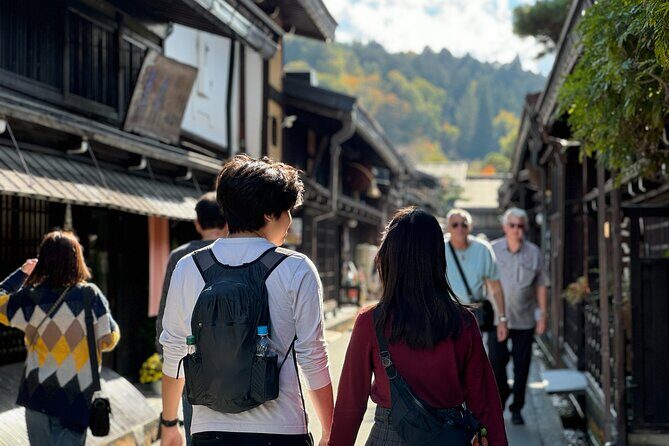
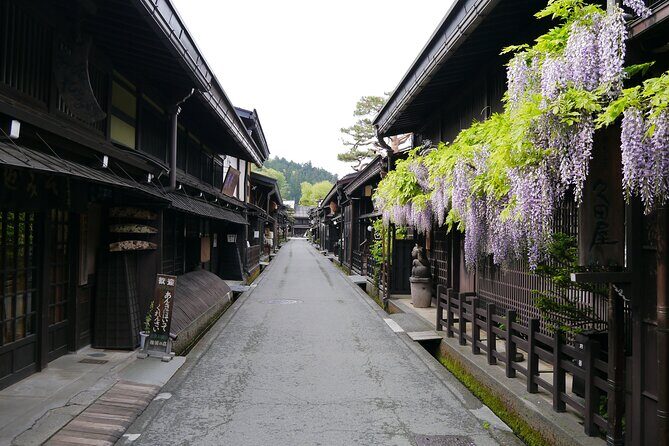
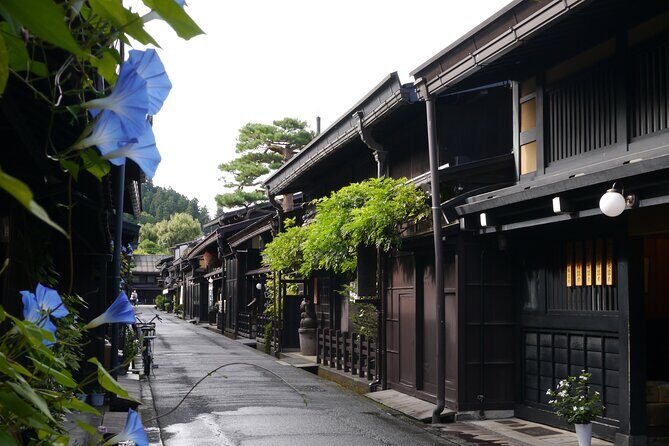
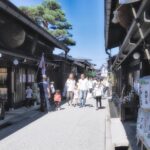
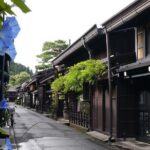
Next comes Kamisannomachi, the old castle town street area with roots as a merchant town from the Edo period (1603–1868). The tour includes free time to explore here, and the planned duration depends on the year:
- 2025: about 40 minutes
- 2026: about 70 minutes
That difference matters. In the longer 2026 version, you’ll have more breathing room to browse and snack locally if you want. In the 2025 version, plan to choose what you want most: the best side streets for photos, shop windows, and any small museum-like surprises along the way.
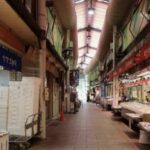
This stop is valuable because it gives you Takayama as more than a festival town. You see how the historic district still reads like a real place—walkable, human-scaled, and meant for drifting.
If you’re traveling with family or someone who gets tired, the shorter version can be easier to manage. If you’re a “slow streets, slow photos” person, the 2026 timing sounds like the friendlier fit.
Other Takayama walking tours and old-town experiences



Kusakabe Folk Museum: a year-dependent stop you should plan around
There’s also a museum stop: Kusakabe Folk Museum. It’s listed as included only for 2025, with a 30 minute visit.
The museum is described as a historical Japanese-style townhouse with folk art and traditional handicrafts. One more detail for your planning brain: the Kusakabe Heritage House will not be visited on tours in 2026.
So if folk crafts are a big priority for you, your decision is simple: try to book for 2025 rather than 2026 (assuming this schedule holds for your exact travel dates). If you’re traveling in 2026, you’ll still get Takayama street time, but the craft-focused townhouse stop may not be part of your day.
This is also a good reminder that “same tour name” can still mean a slightly different day depending on the year. Always check the version that matches your dates.
Takayama Station drop-off option: small flexibility, big convenience
The itinerary notes a possible stop at Takayama Station for drop-off. If you want it, you need to inform the tour guide in the morning on the day of travel.
If your plan involves staying in Takayama instead of returning to Kanazawa the same day, this can help you avoid extra transfers. If you prefer the comfort of staying on the return bus and ending where you started, you can just stay with the group and not request it.
What’s included (and what isn’t) in plain English
The tour includes:
- a National Government Licensed Guide interpreter fee
- other admission fees and transportation costs
- an air-conditioned/heated tour bus
The tour does not include:
- lunch
- the optional shuttle bus fee to the Shirakawago observation deck
- anything not listed as included
That lunch line is the one I’d treat as a real decision point. You’ll be out for about 10 hours, and you’re doing both rural village walking and town exploration. If you count on snacks or meals between stops, you’ll enjoy the day more than if you try to “power through” with no plan.
Timing realities: roads, order changes, and why your day still works
A day trip like this lives and dies on timing. The tour makes it clear that:
- the written arrival times are estimates
- the order of activities may differ depending on road conditions and congestion
- if facilities are closed, the tour will use alternative destinations
So don’t treat the schedule like a strict train timetable. Treat it like a strong plan that adapts. This matters because Shirakawago road traffic can shift the day. Even with good coordination, you’ll spend more time on the road on slower days.
One more timing note: the group may ride along with participants from other tours after departure, and the tour may stop in Kanazawa hotels to pick people up. That’s normal for a shared-bus day, but it can add small delays. The upside is you’re usually still well-managed by the guide and driver team.
Group size and comfort: the difference between “cozy” and “crammed”
With a maximum of 15 travelers, you’re in the sweet spot for a guided day. You can ask questions without feeling like you’re competing for attention, and you can find your rhythm during walking segments.
The bus being heated and air-conditioned is more than a comfort perk. This region can be chilly, especially on the first cold day of winter, and riders in the past have praised how the driver got everyone safely through snow-conditions. Even if your weather is mild, plan on being outdoors longer than you think during village strolling.
Who this tour is for (and who might prefer another format)
This tour is a strong fit if:
- you want a guided day with interpretation included
- you want to see both UNESCO Shirakawago and historic Takayama without planning transport
- you like a mix of house interiors, town streets, and festival crafts
It’s less ideal if:
- you hate long bus rides (the day is still long at about 10 hours)
- you need a guaranteed lunch stop with a set time
- you want maximum free time in just one place (this is a “two major hits” day)
If you’re trying to cover a lot in a limited number of days, this is a practical way to do it. If you have extra time and want to linger, you might prefer splitting it into separate day trips.
Is it good value at $209.53 per person?
Price is always personal, but here’s the value logic that matters here. You’re paying for:
- a guide interpreter (National Government Licensed)
- transportation from Kanazawa
- multiple admissions included
- an air-conditioned/heated bus
What you’re not paying for is lunch and the optional observation deck shuttle. When you factor those in, the tour price becomes easier to justify because the big, time-consuming pieces (getting you there and back, handling admissions) are already bundled.
At $209.53 per person for a full-day experience, it’s best seen as convenience plus structure. If you’d otherwise spend your effort figuring out transit and then paying separate admission fees, the guided format tends to feel like a fair trade.
Should you book this Shirakawago & Takayama day trip?
I’d book it if you want a fast, well-organized way to see two major cultural stops in one day—especially if you appreciate explanations while you walk. The structure is strong: Ogimachi house time, festival float craftsmanship, then historic street strolling. With up to 15 people and a guide who’s been repeatedly praised (Hiroko, Hiro, Shin, Joe, plus driver Mr Shinbo showing up in the praise), you’re likely to get a day that feels thoughtful, not chaotic.
I’d hesitate if you’re traveling during a time when you strongly dislike long days or you know you’ll struggle with no lunch included. In that case, you can still go—you just need to treat food as part of your plan, not an afterthought.
If you want my quick decision rule: if you’re excited to see both UNESCO Shirakawago and Takayama’s festival culture, and you’re okay planning your own meal, this tour fits your time and your interests.
FAQ
How long is the 1-Day Shirakawago & Takayama tour?
It runs about 10 hours (approx.).
What time does the tour start in Kanazawa?
The start time is 8:15 am from Kanazawa Station.
Is lunch included?
No. Lunch is not included.
What is included in the tour price?
You get a National Government Licensed Guide interpreter, admissions and transportation costs, and an air-conditioned/heated tour bus.
Are tickets or entry fees to the main sights included?
Yes. Admission tickets are included for the Shirakawago thatch-roof house visit, the Takayama Festival Floats Exhibition Hall, and the Kusakabe Folk Museum (for 2025).
Is the tour offered in English?
Yes. Guide language support is English.
Do I pay extra for the observation deck shuttle in Shirakawago?
Yes. There is a shuttle bus to the Shirakawago observation deck, and it costs extra. It may be suspended depending on weather.
How many people are on the tour?
The tour has a maximum of 15 travelers.
Is Kami-Sannomachi time the same in every year?
No. Kamisannomachi is listed as about 40 minutes for 2025 and about 70 minutes for 2026.
Can the tour drop me at Takayama Station?
A stop may be made for drop-off at Takayama Station. You need to inform the tour guide in the morning on the day if you want that option.
What if a sightseeing facility is closed?
If facilities are closed, the tour will go to alternative destinations.