Snow villages in one tight day.
This Nohi Bus tour ties together two UNESCO sites, Shirakawago and Gokayama, into a single 7-hour plan. You’ll see the famous gassho-zukuri farmhouses built to handle heavy snow, plus mountain views from the Tenshukaku Observatory area using a scheduled shuttle.
What I like most is how practical the route feels. You get the bus ride plus the needed shuttle to Tenshukaku, so you’re not hunting transport mid-day. I also like that Gassho-zukuri Minkaen is included, which turns the experience from just photos into a clearer look at village life and design choices.
The main drawback to consider is that lunch isn’t included, and it’s a shared group schedule. On a day like this, it helps to plan for snacks and steady pacing, because the best moments depend on timing.
In This Review
- Key things to know before you go
- From Takayama Nohi Bus Center to the Snow Villages: Setup That Matters
- Why These UNESCO Villages Are More Than Scenic Stops
- Shirakawago and the Tenshukaku Observatory Shuttle: The Best Views Come With Rules
- Gokayama and Gassho-zukuri Minkaen: Cultural Context That Helps You Look Better
- The 7-Hour Schedule: How to Stay Comfortable and Not Miss What Counts
- Price and Value at $85: What You’re Really Paying For
- Practical Tips That Keep the Day Smooth
- Should You Book This Shirakawago and Gokayama Bus Tour?
- FAQ
- How long is the Takayama to Shirakawago and Gokayama bus tour?
- What is included in the price?
- Is lunch included?
- Where do I meet the tour, and when should I arrive?
- Can I leave the tour early at Shirakawago?
- What is the cancellation policy?
Key things to know before you go

- UNESCO pair, same day: You cover Shirakawago and Gokayama in one outing from Takayama.
- Tenshukaku Observatory shuttle included: Your ticket covers the shuttle fare, and buses run about every 20 minutes.
- Minkaen admission is part of the deal: Entry to Gassho-zukuri Minkaen is included for context beyond the village streets.
- Photo-friendly guidance: The Japanese-speaking assistant gives clear direction, including where to spend your time for photos.
- Thursday museum timing handled: If the museum is closed on Thursday, you may still receive an original souvenir.
- Shared tour means fixed pacing: You’ll move as a group, and you can even choose to leave at Shirakawago with no refund.
From Takayama Nohi Bus Center to the Snow Villages: Setup That Matters
.jpg)
This tour starts at the Takayama Nohi Bus Center. Plan to arrive at the ticket counter at least 15 minutes early, and switch your printed voucher into your bus ticket and a participant badge. The center is left after you exit JR Takayama Station East Exit, which is easy to follow if you keep an eye out for signs.
Because it’s a shared bus tour (not private), your day runs on the group rhythm. That’s not a bad thing—it’s part of why the tour can pack Shirakawago + Gokayama into 7 hours. But you should treat the schedule like a plan you follow, not a suggestion you can stretch.
Also note the language setup: you’ll have a Japanese-speaking assistant. If you’re traveling on your own, this helps a lot for meeting points and timing. Just remember that the assistant does not guide you to the observatory—you’ll use the shuttle bus with your tour ticket.
One extra small bonus: you receive a 5% discount coupon for purchases at the Takayama Nohi Bus Center. It’s not huge, but it’s the kind of detail that can offset spending on snacks or small gifts before you head out.
Other Shirakawa-go and gassho-zukuri village tours in Takayama
Why These UNESCO Villages Are More Than Scenic Stops
.jpg)
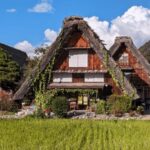
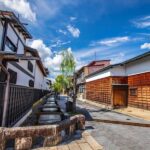
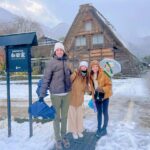
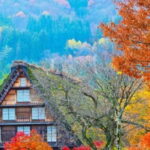
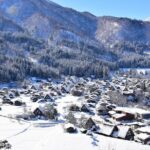
Both Shirakawago and Gokayama are known for gassho-zukuri farmhouses. The big idea is practical: steep, thatched roofs help buildings survive very heavy snow. It’s not just cute architecture. It’s a survival strategy turned into a local identity.
When you visit, you’re not only looking at rooftops. You’re seeing how a community arranged daily life around those structures. That’s why the included Gassho-zukuri Minkaen visit matters so much. A village street scene is nice, but a museum-style stop gives you a framework for what you’re seeing—how people lived, why houses were built the way they were, and what made the design work.
You’ll also be dealing with a real-world travel constraint: weather and timing. The tour notes that snow or traffic can delay arrival. That’s common in this part of Honshu, and it’s one reason the bus format is helpful. You’re less likely to get stranded or stuck figuring out connections.
Shirakawago and the Tenshukaku Observatory Shuttle: The Best Views Come With Rules
.jpg)
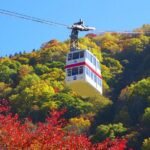
In Shirakawago, one of the highlights is the view from the Tenshukaku Observatory area. The tour includes the shuttle bus fare to get you there, which is a relief because observatory access is the kind of thing that can otherwise become confusing.
Here’s the key detail: the assistant doesn’t escort you to the observatory. Instead, your tour ticket is what gets you on the shuttle. Since shuttle buses run every 20 minutes, the plan gives you flexibility, but you still need to watch the timing so you don’t miss your connection back with the group.
If you’re the type who wants more than a quick glance, this is where you’ll want to use your time wisely. The viewing angle is the whole point, so pick a spot, take a few photos, and then move on when it’s time. This kind of observatory stop is short by nature, so rushing and forgetting the basics leads to regret later.
Another practical twist: you have the option to leave the tour at Shirakawago. That can be useful if you decide you want more time there than in Gokayama, or if you’re feeling the travel fatigue. The catch is simple: no refund is provided if you leave early.
So I suggest using that option only if you’re confident about your priorities. If you’re unsure, stay with the full plan—Gokayama adds a different feel and more chances to compare farmhouse styles and village layouts.
Gokayama and Gassho-zukuri Minkaen: Cultural Context That Helps You Look Better
.jpg)
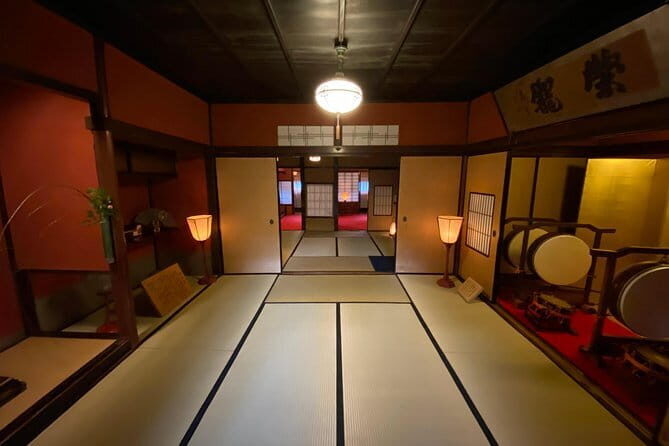
The Gokayama portion is where the experience turns from “pretty village” into “I understand what I’m seeing.” Your included stop is Gassho-zukuri Minkaen, an admission ticket that’s part of the tour package. Without this, you’d mostly be moving through streets and taking pictures. With it, you get a clearer mental map of village history, home functions, and the logic behind the architecture.
One detail I really appreciate is the Thursday contingency. The tour states that if the museum is closed on Thursday, you may still receive an original souvenir. It’s a small workaround, but it prevents the day from feeling like a disappointment due to a closed door.
If you’re trying to reduce decision fatigue, this included admission helps. You don’t have to guess whether the museum is worth it or whether it’s open. Your schedule already assumes you’ll spend enough time to make that cultural stop meaningful.
Also keep expectations realistic. This is still a bus tour, so you won’t be wandering all day at your own pace. You’ll get structured time, and that structure is what makes it possible to cover two UNESCO areas in one day. The trade-off is shorter museum time versus full independent exploration.
In other words: if you love cultural interpretation alongside photos, this tour hits a good balance. If you prefer to spend long hours inside every building, you might feel the time limits—bring patience and a plan for what you want most.
The 7-Hour Schedule: How to Stay Comfortable and Not Miss What Counts
.jpg)
A 7-hour day sounds straightforward, but snow-village timing adds stress if you show up unprepared. That’s why the small practical rules matter.
First, wear comfortable shoes. The village areas involve walking on uneven surfaces and standing around for views. If you go in with stiff shoes, you’ll feel it by mid-day and rush your experience.
Second, bring water and be ready for a day where lunch isn’t included. You can absolutely manage without a full meal, but you’ll want snacks or a plan to buy something on-site if you feel hungry. The tour’s included items are transportation and admissions, not food—so build around that.
Third, photography is a big part of these villages, and timing affects your shot quality. You’ll be moving between areas and using shuttle schedules, so the best strategy is to travel light and keep your camera accessible.
About pacing: it’s a shared tour, so you’re not going to have the whole place to yourself. But the structure helps. You get the observatory connection and museum entry covered. That removes the most stressful parts of independent travel in this region.
Finally, remember that arrival can be delayed due to snow or traffic conditions. If you’re traveling in winter or early spring, it’s smart to keep your next day flexible and avoid booking anything right after you return to Takayama.
Other Gokayama UNESCO village tours
Price and Value at $85: What You’re Really Paying For
.jpg)
At $85 per person, you’re paying for more than sightseeing. You’re paying for the whole logistics package that normally costs time and effort when you travel independently.
Here’s what’s included:
- Nohi Bus fare
- Admission fees for the cultural stop
- Japanese-speaking assistant
- Shuttle bus fare to Tenshukaku Observatory
When you price those elements separately, the value usually looks better. The bus component removes the main transportation headache. The assistant helps with the flow of the day. And the included shuttle is a big deal because it’s the kind of access that can be annoying without a planned ticket.
The entry to Gassho-zukuri Minkaen also strengthens the value. Visiting UNESCO villages is easier when you understand what to look for. Museum admission is one of those costs you might otherwise skip. Here, it’s folded into the price so you don’t have to decide on the fly.
Then you get one small bonus: a 5% discount coupon at the Takayama Nohi Bus Center. It won’t change your budget much, but it’s a real perk if you need supplies before or after the trip.
So, is it worth it? For most first-timers, yes—because it removes the guesswork and stitches the sites together into a smooth day. If you already know the area well and want total freedom, you might prefer independent transit. But if you want a guided, timed plan with admissions handled, $85 feels fair for a 7-hour UNESCO day.
Practical Tips That Keep the Day Smooth
.jpg)
A few rules can make or break comfort on this type of day trip.
What to bring
- Comfortable shoes
- Camera
- Water
What to avoid
- Smoking is not allowed during the tour.
Timing reality
- Shuttle buses run about every 20 minutes, but you still need to follow the day’s timing. If you wander too far, you can miss the shuttle rhythm and lose your place.
Group mechanics
- This is not a private tour. Expect a set plan and shared movement between areas.
Who should skip or adjust
- The tour notes it is not suitable for wheelchair users and is also not suitable for pregnant women. If you have mobility concerns, it’s worth considering another option.
- For infants 0–5 years, there is no seat provided, so you need to book a child rate to reserve a seat.
One last note about assistants and observatories: since the assistant doesn’t guide you up to the Tenshukaku Observatory, read the day-of instructions carefully and rely on your ticket for shuttle access. It’s a small detail, but it keeps you from getting stuck trying to find the right connection.
Should You Book This Shirakawago and Gokayama Bus Tour?
.jpg)
I’d book this tour if you want a well-run Takayama day trip that covers both UNESCO sites without needing to manage transport on your own. The included Tenshukaku shuttle and Gassho-zukuri Minkaen admission are the two strongest reasons. They turn the day into more than a drive-by photo session.
You should think twice if your top priority is long, slow time inside buildings or if you don’t do well with shared group pacing. Also plan around the fact that lunch isn’t included, and give yourself enough energy to enjoy the day instead of hustling for food.
If you’re visiting Japan for the first time and want the classic gassho-zukuri experience, this is a solid, efficient choice.
FAQ
.jpg)
How long is the Takayama to Shirakawago and Gokayama bus tour?
The tour duration is 7 hours.
What is included in the price?
Your ticket includes Nohi Bus fare, admission fees, a Japanese-speaking assistant, and the shuttle bus fare to Tenshukaku Observatory.
Is lunch included?
No. Lunch is not included.
Where do I meet the tour, and when should I arrive?
Meet at the Takayama Nohi Bus Center at the ticket counter (left after exiting JR Takayama Station East Exit). Arrive at least 15 minutes before your bus departure.
Can I leave the tour early at Shirakawago?
Yes, there’s an option to leave the tour at Shirakawago, but no refund is provided.
What is the cancellation policy?
You can cancel up to 2 days in advance for a full refund.