Spring in Nagano moves fast.
This one-day tour strings together two of Japan’s best seasonal sights—snow monkeys at Jigokudani and cherry blossoms in northern Nagano—handled by an English-speaking guide with transport from Nagano Station. I like that you get focused time at the monkey park (about 2 hours) and then a separate hanami block where the guide aims for the best bloom conditions that day. One thing to keep in mind: in spring, monkeys may not always be “swimming,” and if the sakura are behind schedule, your afternoon can shift to Zenko-ji and a sake stop.
The real value is how the day is managed. You’re not wrestling schedules, buses, or signage while trying to catch peak sakura. The day runs about 9 hours, starts at 9:35 am from Nagano Station, and ends back at the same meeting point around 5:30–6:30 pm depending on the blossom timing and day-of conditions. The only drawback is that you’ll do some walking and standing, and the monkey park has strict rules with little margin for wandering.
In This Review
- Key highlights I think you’ll care about
- Why this Nagano spring day works: snow monkeys plus sakura timing
- The 9-hour flow: start at Nagano Station, then three blocks that make sense
- Jigokudani Snow Monkey Park: how to get the best views (and follow the rules)
- Lunch in Nagano: Enza Cafe or Japanese Dining GOEN, with vegetarian options
- Hanami planning in northern Nagano: what the guide actually does for you
- The guide effect: why names like Joyce, Kunihiko Endo, Jens, Ryu, and Peter matter
- Timing, walking, and comfort: what moderate fitness really means
- Price and value check for $150.89 per person
- Who should book this Nagano Sakura and Snow Monkey tour
- Should you book it?
- FAQ
- Where do you meet and where does the tour end?
- How long is the tour?
- Is the monkey park ticket and lunch included?
- What if the cherry blossoms are not in bloom on the day?
- Are there rules for seeing the snow monkeys up close?
- Can I get a refund if I cancel?
Key highlights I think you’ll care about
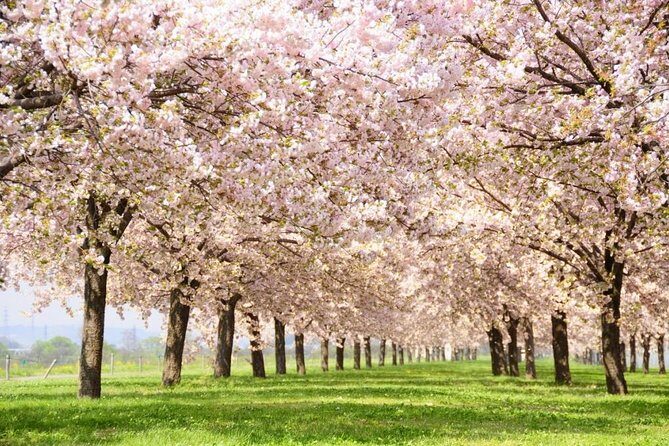
- Jigokudani Snow Monkey Park: See Japan’s famous macaques up close, including the hot-spring tradition (timing affects how much you see them “in the bath”).
- A true spring schedule: April through late May, designed for northern Nagano’s later bloom window.
- Guide-led hanami planning: You’re not stuck at one view—your afternoon sakura spot is selected based on how the trees look that day.
- Lunch at set local spots: Enza Cafe or Japanese Dining GOEN, with vegetarian options and at least one good chance of avoiding meal hunting.
- Backup plan for sakura timing: If blossoms aren’t cooperating, you’ll swap to Zenko-ji Temple and a sake brewery store (you’re told about this shift about three days ahead).
- Small group feel: Maximum 20 travelers, which helps the day move without feeling chaotic.
Why this Nagano spring day works: snow monkeys plus sakura timing
Nagano’s spring is a little like a delayed TV season. In many places, cherry blossoms peak and then move on. In northern Nagano’s mountainous areas, the blossoms often arrive later, which is exactly why this tour runs from April through the end of May. You’re built for that later window—when other travelers have already chased the last petals elsewhere.
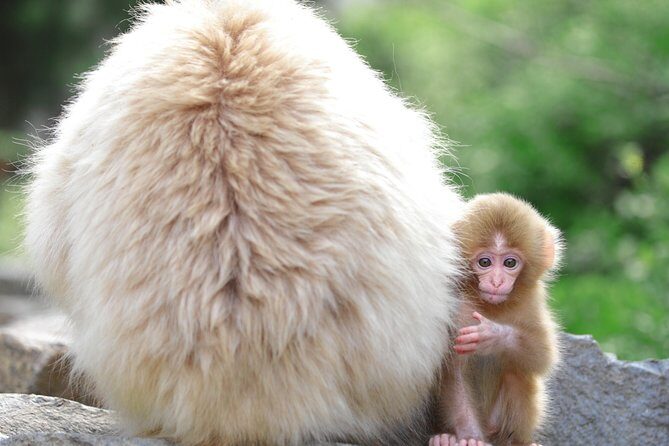
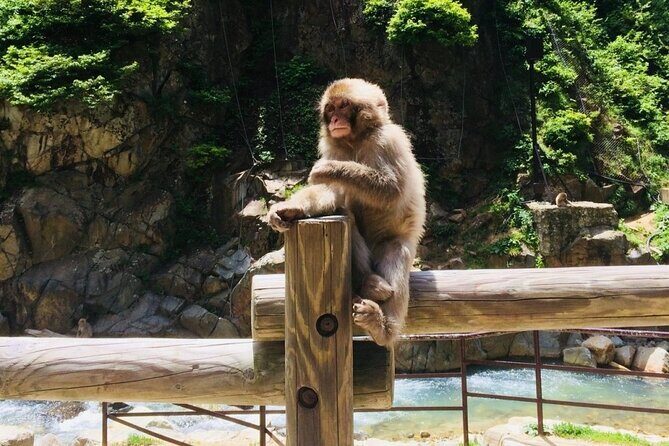
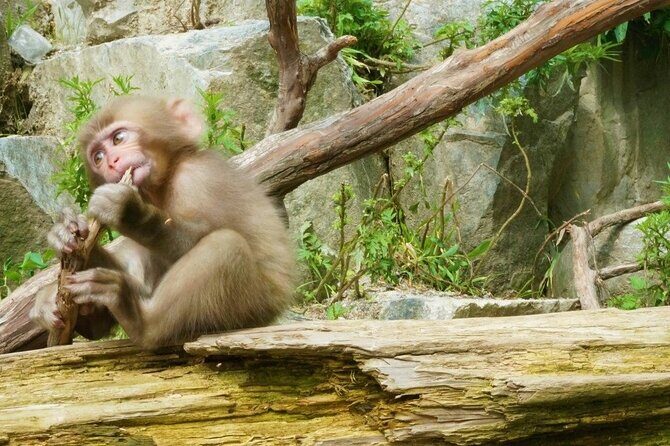
Then there’s Jigokudani. The “snow monkeys in a hot spring” story is famous for a reason, but spring is a different mood than winter. In spring, you may still see macaques in and around the water, yet they might be playing or eating rather than doing the full bath routine you see in photos. That’s not a disappointment—it’s just the reality of seasons. If your expectations are flexible, you’ll get the best version of the day your date allows.
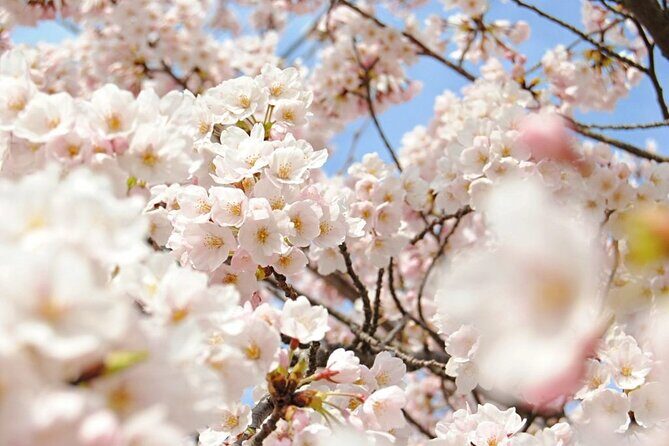
What makes the combo especially smart is that the tour doesn’t treat sakura as an afterthought. After lunch, you get a dedicated hanami block chosen for bloom condition, not just a convenient stop. That matters because cherry blossom days can be all about timing, and this tour is designed to react to what’s actually happening on the ground.
Other snow monkey tours we've reviewed in Nagano

The 9-hour flow: start at Nagano Station, then three blocks that make sense
This tour is built as a simple rhythm: monkeys, lunch, blossoms. You meet at Nagano Station at 9:35 am. From there, the day is organized around two “sets of expectations” you can plan for.
1) Jigokudani Monkey Park (about 2 hours)
You get a full chunk of time to get there, orient yourself, watch the monkeys, and settle into viewing. Most people don’t need to rush here, because the monkeys move constantly. Two hours is enough to catch a few different moments without feeling trapped in a tight schedule.
2) Lunch (about 1 hour)
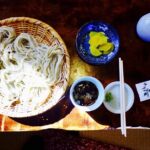
After the park, your guide takes you to one of two local restaurant options: Enza Cafe (walking distance from the park) or Japanese Dining GOEN (nearby). Lunch is timed so you’re not starving, but you also don’t lose the afternoon to a slow meal.
3) Hanami viewing (about 1 hour 30 minutes)
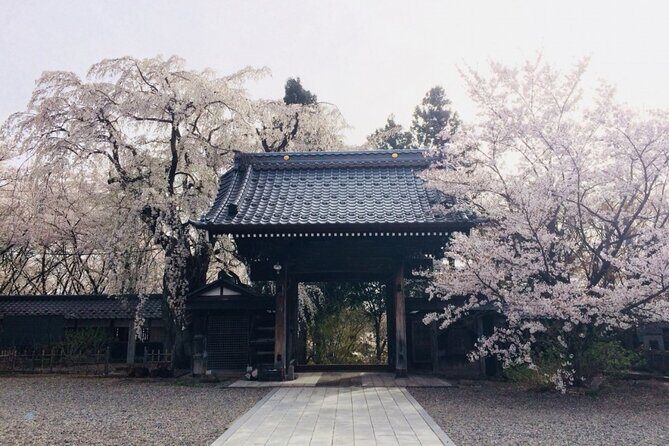
The guide checks blossom conditions across Nagano and chooses the best option for the day. Some spots are famous, others are less known, but the point is the same: you want cherry trees that look good right now, not ones that looked good last week.
Because your afternoon sakura location is condition-based, the end time isn’t fixed. Expect the day to finish back at Nagano Station around 5:30–6:30 pm.
Jigokudani Snow Monkey Park: how to get the best views (and follow the rules)
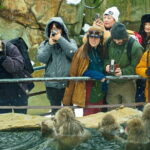
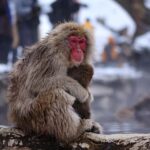
Jigokudani Snow Monkey Park is the reason people choose this day. Established in 1964, it’s home to a troop of macaques that’s known for hot-spring behavior. There are no barriers separating you from the monkeys, which is exactly why the park’s rules are serious.
Here’s what you should expect when you arrive:
- You’ll be instructed on park rules before you go in.
- You must not touch, hold, feed, or bathe with the monkeys.
- Keep a minimum distance of 1–2 meters between you and the macaques.
- Expect the monkeys to be close enough that you’ll hear and smell the day’s activity—so stay alert and don’t treat it like a theme-park photo line.
For your photos, the close viewing is a double-edged sword. It’s fantastic when a monkey comes to your side of the viewing area. It’s also why you should protect your space and avoid stepping forward when the guide calls the group back. If a macaque moves toward a crowd, your job is to keep calm, keep distance, and wait for the moment to pass. The best shots often happen when you stop trying to chase the animal and let it come to you.
One practical tip: spring conditions can change quickly. Wear shoes that won’t slip. You’ll likely do more walking and standing than you expect, and you want stable footing around the park areas. If the park is running in a colder, wetter mood, that matters.
Also note the seasonal “bath vs. play” reality. In winter, monkeys often use the hot spring bath. In spring, they may simply play, sit near the water, or eat. Either way, you’re still watching wild-ish behavior in a controlled viewing park, and it’s fascinating—just not always the exact photo pose you imagined.
Lunch in Nagano: Enza Cafe or Japanese Dining GOEN, with vegetarian options
The lunch stop is one of those parts that can make or break a day tour, and this one handles it with two pre-selected restaurants. You’ll go either to:
- Enza Cafe (within walking distance of the park), or
- Japanese Dining GOEN (nearby)
Lunch is included, and vegetarian options are available. The tour also frames lunch as practical fuel for the afternoon—so you’re not stuck eating too late or too early.
What I like about this setup is that you aren’t asked to make a food decision on the fly. In Nagano, on a seasonal day, restaurants can be busy. Having a known lunch slot means you can focus on the sights instead of hunting menus.
If you’re traveling with dietary needs beyond vegetarian, your best move is to confirm those needs through the operator when you book. The tour data only guarantees vegetarian options, so anything stricter may require coordination.
Hanami planning in northern Nagano: what the guide actually does for you

Cherry blossom viewing isn’t just about finding a tree. It’s about finding the right tree on the right day, with the right light, crowds, and timing. This tour builds that thinking into the afternoon.
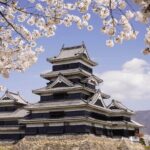
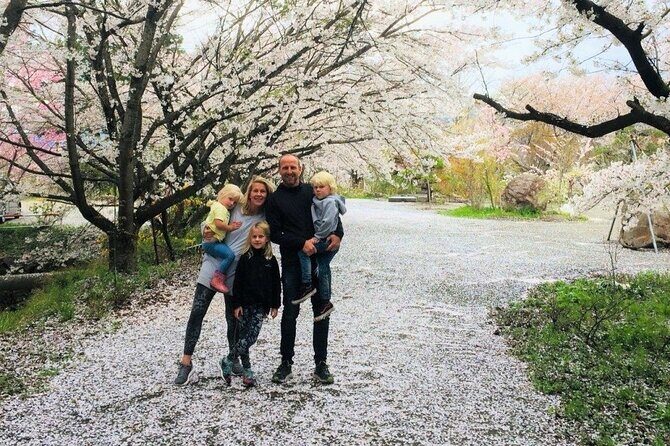
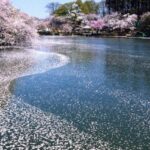
After lunch, you’ll head to a selected hanami spot. The guide monitors blossom conditions across the Nagano region and picks a location based on how the trees look that day. That means your afternoon is more flexible than a fixed schedule tour.
One important detail: if trees aren’t in bloom during your tour window, you won’t just “settle.” Your afternoon switches to Zenko-ji Temple and a sake brewery store. You’re notified about this change three days in advance, which gives you time to adjust expectations and plan your photos accordingly.
In other words, your day isn’t ruined by a slow spring. You’ll shift from blossoms to a cultural stop with Japan’s long temple tradition plus a sake-focused stop.
For photography, aim to treat this block like a slow stroll. You’ll have about 1 hour 30 minutes for hanami, which is enough time to walk, find your angle, and enjoy the blossoms without feeling trapped in a rapid bus circuit. If you’re sensitive to crowds, go to the edges of the group view first. Let the center settle, and then move when you get a cleaner line for photos.
Other Nagano tours and day trips
The guide effect: why names like Joyce, Kunihiko Endo, Jens, Ryu, and Peter matter
The tour is only as good as its pacing and interpretation, and the day’s reviews consistently point to guides who keep things organized and explain what you’re seeing.
You might get a guide such as Joyce or Kunihiko Endo, who are praised for strong explanations and smooth handling of the group. Other names you could be paired with include Jens, Ryu, or Peter, with people noting good energy, clear organization, and ample time to explore rather than rushing you from stop to stop.
That’s a real practical benefit. When you understand what you’re looking at—why macaques behave a certain way, what you’re seeing at the park, and how seasonal bloom timing shifts—your time turns from watching to learning. And it’s easier to enjoy the small moments: a monkey’s quick routine, the light on petals, or how the scene changes as the group spreads out.
Even so, keep your own expectations realistic. The one time this day could feel less than perfect is when you don’t get much background on the sights. If interpretation is high on your personal priorities, pick your date with confidence, but know that your experience can vary with the guide.
Timing, walking, and comfort: what moderate fitness really means
This is not a “sit all day” tour. It’s a guided day with outdoor viewing and some walking between areas.
You should have moderate physical fitness and plan for:
- Time standing and moving around the monkey park area
- Footing needs (good shoes help a lot)
- A lunch transition period
- A hanami walk where you’ll likely stroll and look from different angles
The tour includes transportation from Nagano Station to all listed destinations and activities, which removes the biggest stress: getting there on your own. But you’ll still be responsible for your comfort on the ground—especially at Jigokudani, where you’re close to active animals and must maintain distance.
If you’re traveling with knee issues or low endurance, consider that “moderate” can still mean hours of standing in and out of viewing areas. For most people, that’s manageable. For others, it may be worth planning shorter sightseeing days instead.
Price and value check for $150.89 per person
At $150.89 per person, this tour isn’t a budget gamble. It’s a mid-range day that bundles several things you’d otherwise piece together: transport from Nagano Station, an English-speaking guide, park entry, lunch, and a guided hanami afternoon that adapts to conditions.
Here’s where the value usually shows up:
- You’re paying for the logistics. A day that includes Jigokudani plus a blossom spot is hard to do smoothly without local knowledge and timing.
- Your big-ticket experiences are included. Monkey park entry and lunch are part of the package.
- Group size stays reasonable. With a maximum of 20 travelers, it tends to feel more controlled than giant bus days.
- There’s a plan for sakura failure. That Zenko-ji + sake swap is a real safeguard, not a consolation prize.
The cost might feel high if you’re the type who loves independent planning and already knows how to arrange transport and tickets. But for many visitors, the “I don’t want to coordinate this day myself” value is exactly what you’re buying.
Also remember: if the snow monkeys aren’t in the hot spring bath as much as you hoped, you’ll still get macaque viewing and the surrounding experience. That matters when judging value. You’re not just paying for one specific animal pose—you’re paying for a full stop at a world-famous site plus an entire afternoon of blossoms or a culture backup.
Who should book this Nagano Sakura and Snow Monkey tour
I’d book this if you:
- Want two major seasonal highlights in one day without planning chaos
- Like guided flexibility, especially when blossom timing can shift
- Care about getting to Jigokudani smoothly from Nagano Station
- Appreciate small-group pacing (up to 20 people)
I’d think twice if you:
- Need guaranteed “bathing” macaques photos. Spring behavior can be different from winter.
- Hate walking/standing for extended outdoor stretches.
- Want a deeply customized itinerary with no chance of schedule shifts. The sakura swap exists, and weather or local events can also affect the day.
If you’re on a tight Nagano base and you want a single “wow” day that covers both nature and spring tradition, this fits well.
Should you book it?
Yes, if you’re going in April through late May and you want a guided, well-paced day built around the two headline seasonal experiences of northern Nagano. I like that you get real time at Jigokudani and then a hanami afternoon chosen for what’s blooming, with a sensible Zenko-ji + sake backup if the blossoms aren’t ready.
Book it with one mindset: accept that spring monkeys may be “playing” more than “bathtime posing,” and treat the sakura afternoon like a live condition-based experience. Do that, and you’ll come away with a day that feels both memorable and practical.
FAQ
Where do you meet and where does the tour end?
You start at Nagano Station (Kurita, Nagano) and the tour ends back at the meeting point.
How long is the tour?
The duration is about 9 hours. The end time can vary, typically between 5:30 pm and 6:30 pm depending on blossom conditions.
Is the monkey park ticket and lunch included?
Yes. Jigokudani Monkey Park entry is included, and lunch is included as well (at either Enza Cafe or Japanese Dining GOEN). Vegetarian options are available.
What if the cherry blossoms are not in bloom on the day?
If the sakura aren’t in bloom, the afternoon changes to Zenko-ji Temple and a sake brewery store. You should be notified about this change three days in advance.
Are there rules for seeing the snow monkeys up close?
Yes. You must follow park rules at all times: no touching, holding, feeding, or bathing the monkeys, and keep at least 1 to 2 meters distance. The guide explains the rules before entering.
Can I get a refund if I cancel?
Yes. You can cancel for a full refund up to 24 hours before the experience start time. If you cancel less than 24 hours before, the amount paid isn’t refunded.