Takayama hits different when someone local steers you. This private, English-speaking walking tour is built around the town’s most important sights—plus the kind of small stops that usually only show up when you travel with a guide like Tomo or Yuko. You get clear historical context while you move through real neighborhoods, not just photo stops.
I especially like how the itinerary is customizable to your interests, which makes the day feel efficient instead of rushed. I also like the mix of places: Edo-era streets, the former government outpost, a morning market, and the open-air farmhouses at Hida Folk Village. One consideration: the tour is 4 to 6 hours, so you’ll want to keep an easy pace plan—if you add multiple off-route spots, timing can get tight.
In This Review
- Key highlights worth planning for
- Stepping into Edo Takayama with a private English guide
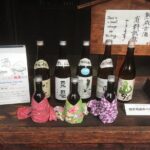
- Sanmachi Suji merchant streets: old houses, sake, and shop windows
- Takayama Jinya: the former outpost behind the city’s feudal order
- Miyagawa Morning Market: eat, shop, and read the rhythm of the town
- Hida Folk Village: gassho-zukuri farmhouses and mountain-scale scenery
- How the custom format actually works in a 4 to 6 hour day
- Hida beef lunch: planned by the guide, paid by you
- Public transportation rhythm, with private vehicle as an option
- Price and value: $137 per person for a local-led day
- Best for: history-minded walkers and first-timers who want smart momentum
- Should you book this Takayama private custom tour?
- FAQ
- How long is the Takayama private custom tour?
- Is the tour private or shared?
- What language is the guide?
- What’s included in the tour price?
- Is lunch included?
- Are entrance fees included?
- Do you use public transportation?
- Where does pickup happen?
- FAQ
- How far ahead can I cancel?
- Is the tour wheelchair accessible?
- Does the guide customize the route?
Key highlights worth planning for
- Sanmachi Suji: preserved merchant-house streets and craft/sake atmosphere on foot
- Takayama Jinya: a hands-on window into feudal-era administration
- Miyagawa Morning Market: snack sampling and practical souvenir shopping
- Hida Folk Village: classic gassho-zukuri farmhouses with mountain views
- Guide-led tailoring: routes adjusted to what you actually want to see
Stepping into Edo Takayama with a private English guide
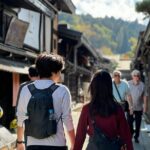
Takayama is famous for streets that feel like they’re still set in an older Japan. The big win with this tour is that you don’t just walk from highlight to highlight. You walk with a local who can explain what you’re looking at, why it matters, and how different parts of the town connect—especially around the Hida region’s historical life.
Your guide works with you as a private group, so the pacing and emphasis can shift. That matters because Takayama’s top spots can be handled in a “checklist” way—or you can understand them. In reviews, guides such as Tomo and Yuko stood out for being friendly and unusually practical, with clear historical context and even advice that helps you move smarter through town.
The tour is designed for roughly 4 to 6 hours. That’s enough time to hit the major sights without turning the day into a marathon. It’s also short enough that you’ll feel you still have energy afterward to explore on your own.
Other Takayama walking tours and old-town experiences
Sanmachi Suji merchant streets: old houses, sake, and shop windows
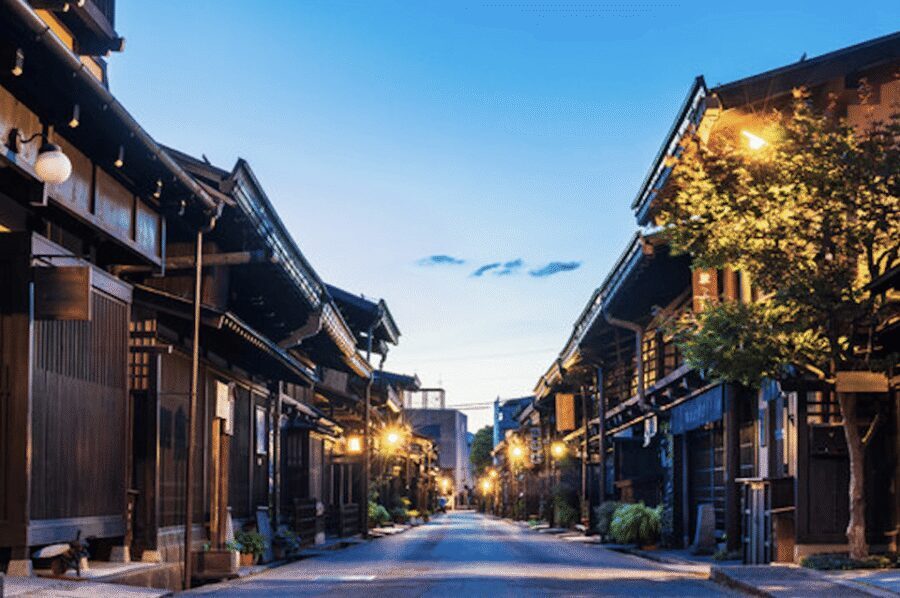
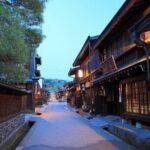
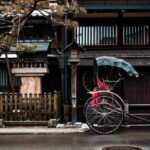
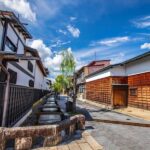
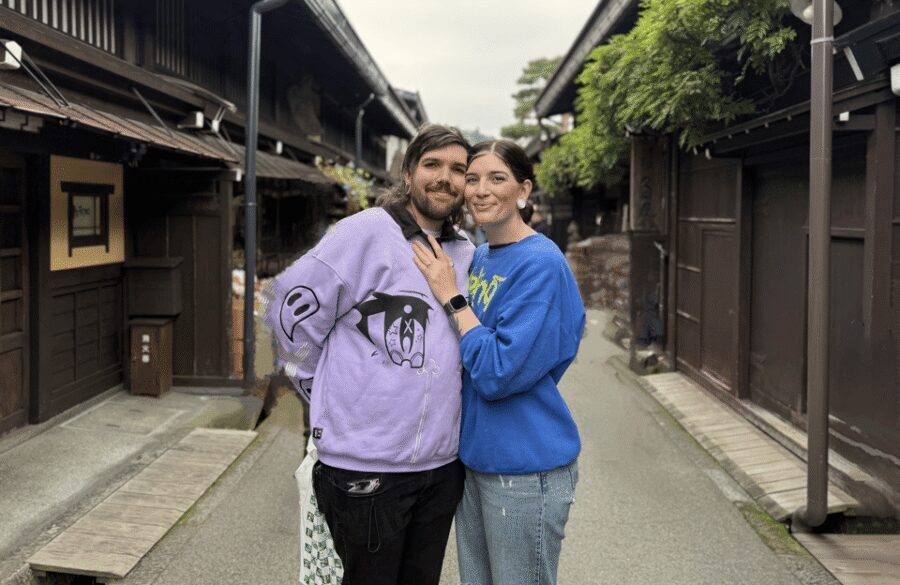
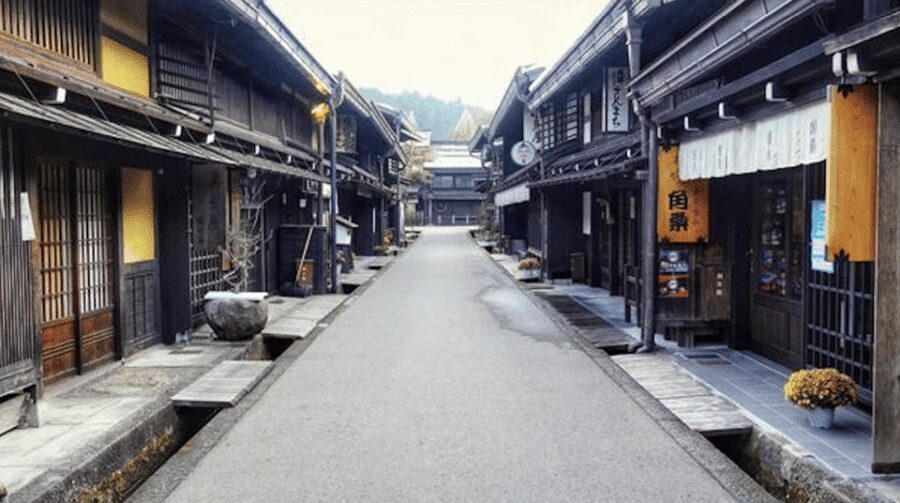
You’ll spend real time in Sanmachi Suji, Takayama’s signature old-town district. This is the place to see preserved Edo-period streets and traditional wooden townhouses that line up like a living timeline. What makes it special isn’t only the scenery—it’s the way the street layout and building style tell a story about merchants, local commerce, and everyday life.
As you walk, your guide points out details that are easy to miss when you’re wandering alone. You’ll also have time to see the kinds of businesses that naturally fit the neighborhood: sake-related stops, craft shops, and the small storefront feel that makes Sanmachi Suji more than a scenic corridor.
One practical benefit of having a guide here: you can move through comfortably while still learning. If you’re into photography, you’ll know where to slow down. If you just want a better feel for the town, your guide can help you focus on the elements that best match your interests. And because the tour is private, you’re not stuck following a rigid script.
Takayama Jinya: the former outpost behind the city’s feudal order
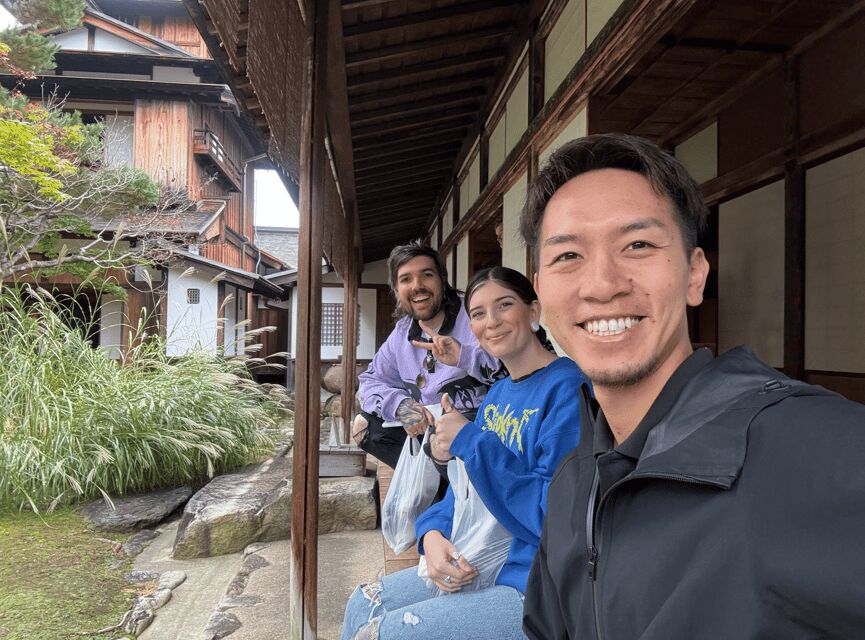
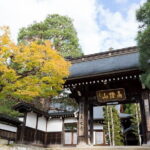
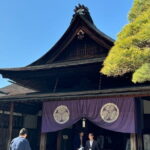
Next up is Takayama Jinya, a former government outpost. Even if you’re not a museum person, this stop works because it explains how the area was managed. Think administration, authority, and how power played out locally during the feudal era.
This is the kind of sight where a guide makes a visible difference. Without context, it can feel like “buildings.” With context, you start to understand roles, organization, and why this location was set up the way it was. Your guide connects the site to the larger story of how Hida Takayama functioned in its earlier period.
If you like history but don’t want lectures, this is a good match. Your guide can keep it readable and situational—pointing out what matters as you walk through. And if you’d rather spend more time in town or at the market, you can ask your guide to adjust the balance.
Miyagawa Morning Market: eat, shop, and read the rhythm of the town
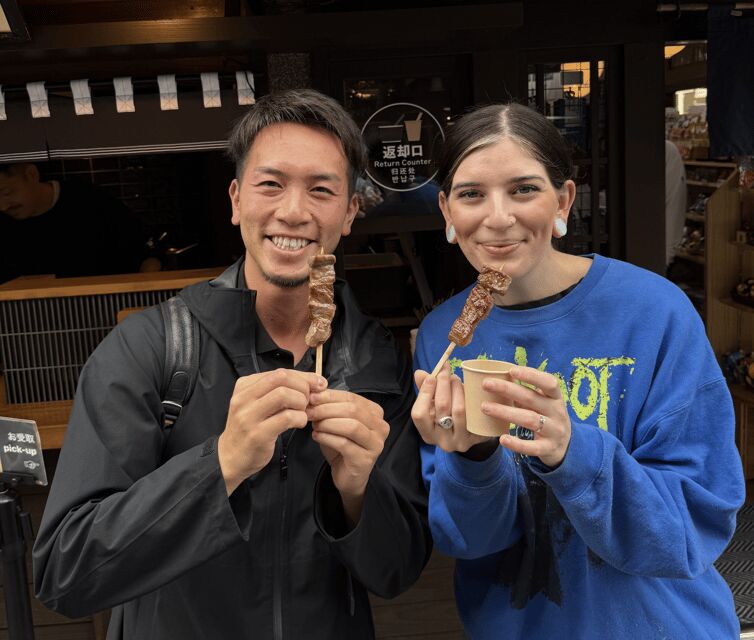
The Miyagawa Morning Market is where Takayama feels most immediate. This stop is about taste and texture. You can sample local delicacies, then pick up souvenirs that fit the region rather than generic tourist items.
Here’s where a guide helps you most: markets move fast. Vendors, snack formats, and what you should try first can be confusing if you’re starting cold. With your guide, you’ll have a clearer sense of what’s worth your money and time. And you’ll likely avoid the common mistake of buying something you can’t really use or enjoy later.
It’s also a smart moment in the tour because you can adjust. Want to snack lightly and keep walking? Great. Want to shop a bit more? Ask. The tour’s private format makes it easier to align the market stop with what you want to spend your energy on.
Hida Folk Village: gassho-zukuri farmhouses and mountain-scale scenery
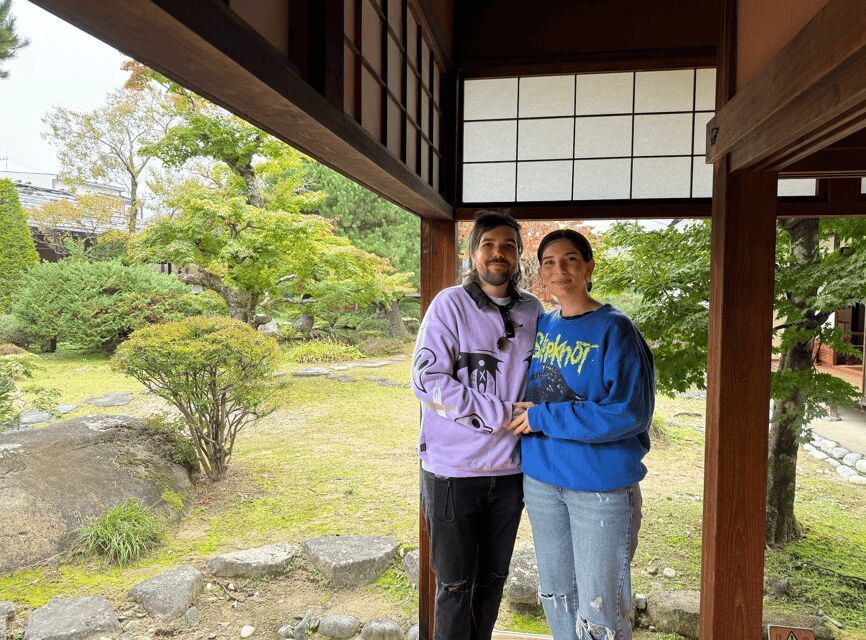
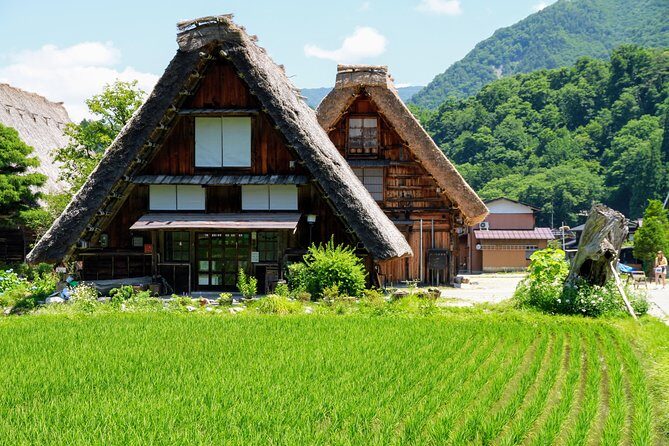
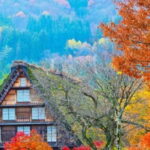
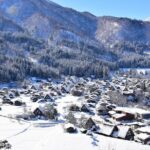
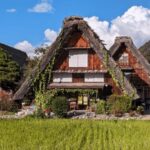
Hida Folk Village is the tour’s “step out of town” experience. You’ll see traditional gassho-zukuri farmhouses—structures designed for survival and daily work in the rural landscape of the Japanese Alps.
The big reason this stop belongs in your day is contrast. Takayama’s preserved streets show urban life and merchant culture. The folk village shows agricultural life and how people adapted their homes to local conditions. Your guide will connect the dots so the buildings don’t feel random; they feel like evidence of the region’s way of living.
The atmosphere here is calmer than the old-town streets. You can slow down and absorb how the farmhouses sit within the setting. If you’re the type who likes open-air spaces and architectural details, you’ll appreciate this part even if you’re not chasing every single building.
If you’re short on time and the day is already full, don’t worry—you can still get a lot from a guided visit. But if you want extra time for photos and wandering at your own pace, this is usually the best place to ask for it.
Other guided tours in Takayama




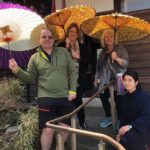
How the custom format actually works in a 4 to 6 hour day
The phrase custom itinerary can sound fluffy. In this tour, it matters because the core sights are established, then your guide adjusts the path and emphasis based on what you care about.
In reviews, guests described how their guides tailored the excursion to their interests, and that they even found local-favorite places beyond the obvious routes. That’s the difference between doing Takayama once and understanding Takayama’s layout.
Here’s what I’d do to get the most out of customization:
- Tell your guide what you’re most excited about before you start walking
- Mention any must-haves early, so they can build timing around them
- If you’re not a shopper or not a market person, say so and you’ll get a smarter balance
Because the tour length is capped at 4 to 6 hours, the “hidden” part is usually about small detours and extra scenic stops—not adding extra major attractions. Still, those small changes often make the day feel more personal.
Hida beef lunch: planned by the guide, paid by you
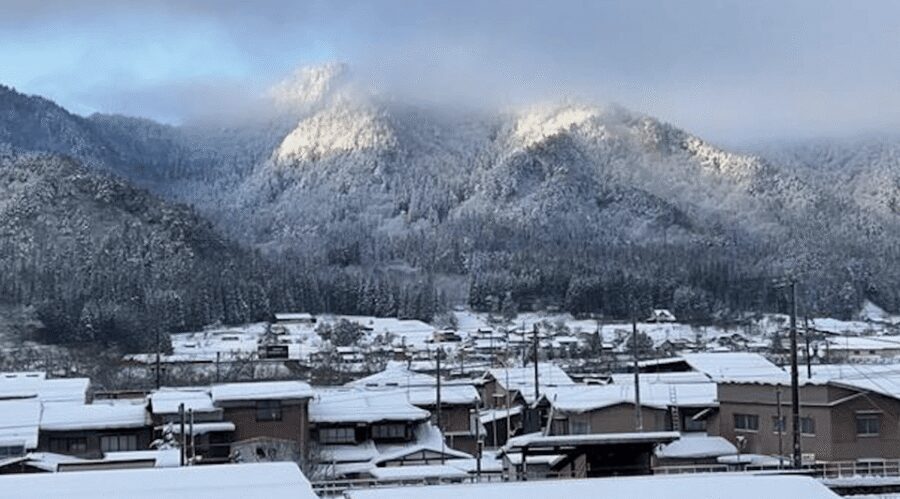
You’ll have a lunch stop featuring Hida beef, a regional specialty. The important budgeting note: lunch is listed as not included, so you’ll pay for it yourself at the restaurant your guide chooses for you.
I like this setup because it removes decision fatigue. You don’t have to figure out what’s worth it after a morning of walking. Your guide can steer you toward a place that fits your route and your time window, so you spend less mental energy and more energy enjoying the meal.
One tip for lunch day: keep your expectations flexible. Hida beef is the goal, but the specific dish and restaurant approach can vary. If you have dietary restrictions, flag them early to give your guide time to plan.
Public transportation rhythm, with private vehicle as an option

The tour primarily uses public transportation for an authentic local experience. That’s great for feeling like you’re moving with normal daily flow rather than being chauffeured all day. It also means you should budget for your own transportation fares, since transportation fees are not included.
If you’d rather avoid transfers or you have mobility needs beyond what’s already considered, the tour allows a private vehicle arrangement for an additional fee with prior request. That’s a helpful backup if you’re trying to reduce walking between neighborhoods or you simply want smoother movement.
Practically, this mix means you should wear comfortable shoes. Even though the tour is walking-based, the public-transport connection is part of the experience. You’ll enjoy the sights more if you’re not negotiating your comfort level every 10 minutes.
Price and value: $137 per person for a local-led day
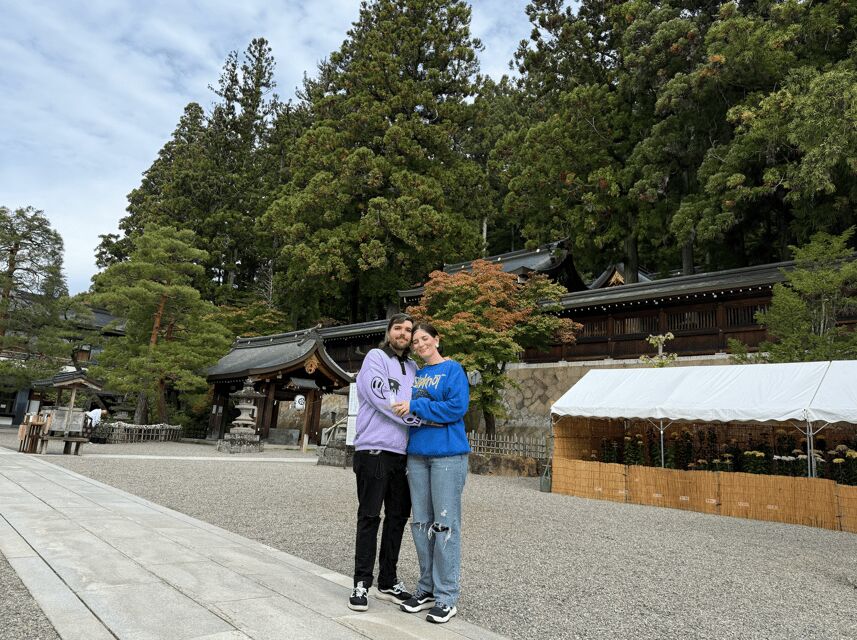
At $137 per person for a 4 to 6 hour private tour, you’re paying for more than sightseeing. You’re paying for:
- A dedicated English-speaking local guide
- A private group format (so the plan can shift for your pace)
- Access to context and small-route knowledge that saves time
- Coordination across multiple key areas in one day
The main costs to account for beyond the base price are the standard ones: entrance fees for yourself, lunch for yourself, and your own transportation fares. Entrance fees aren’t included, and lunch isn’t included. So if you’re comparing options, compare the total day cost, not just the headline price.
That said, for many visitors, the value lands in the guide component. Reviews consistently highlight that the guides were extremely friendly and offered practical advice and historical framing. When you get a day this organized with a strong guide, it’s easier to feel like Takayama “clicked” instead of just looked pretty.
Best for: history-minded walkers and first-timers who want smart momentum
This tour is a great fit if you:
- Want to see the main Takayama highlights without planning logistics
- Like history explained in a practical way, not in a textbook way
- Prefer a private experience where your pace and interests matter
- Enjoy markets, traditional neighborhoods, and open-air architecture
It may be less ideal if you’re allergic to time structure. You’ll have an agenda, and it’s designed around covering core spots efficiently. If you want a totally free-form day with no planning at all, you might prefer independent exploration.
Also, if you want the maximum number of extra off-route stops, keep in mind the tour is still in the 4 to 6 hour window. Your guide can add surprises, but the day will always be limited by time.
Should you book this Takayama private custom tour?
I think you should book if you want a guided day that’s built around Takayama’s real identity: Edo-era streets, the Jinya’s administrative story, a market you can actually shop and snack through, and the gassho-zukuri farmhouses at Hida Folk Village.
This is especially worth it if you care about the “why” behind what you see. Reviews point to guides like Tomo and Yuko for making the tour feel personal and expertly explained, with practical advice that helps the day run smoothly. And the private, customizable format means you’re less likely to feel stuck in someone else’s checklist.
If you’re budget-focused, do a quick total-cost check. Plan for entrance fees, your lunch, and your transportation fares. Once you account for that, the $137 price looks more like what you’re really buying: a local-led, time-efficient Takayama experience.
FAQ
How long is the Takayama private custom tour?
The tour runs about 4 to 6 hours.
Is the tour private or shared?
It’s a private group experience.
What language is the guide?
The guide speaks English.
What’s included in the tour price?
The tour includes a private tour, a walking tour, an English-speaking local guide, and a customizable itinerary.
Is lunch included?
Lunch is not included for yourself.
Are entrance fees included?
Entrance fees for yourself are not included.
Do you use public transportation?
The tour primarily uses public transportation for an authentic local experience, and transportation fees for yourself are not included. A private vehicle can be arranged for an additional fee with prior request.
Where does pickup happen?
Pickup is included in Nara city.
FAQ
How far ahead can I cancel?
You can cancel up to 7 days in advance for a full refund.
Is the tour wheelchair accessible?
The tour is listed as wheelchair accessible.
Does the guide customize the route?
Yes, the itinerary is customizable based on your interests.