Coffee and river trekking in Takayama.
This tour turns the mountain stream into the main event, with certified guides from the Japan Mountain Guides Association and a route shaped by volcanic terrain. Two things I really like: the hand-dripped coffee made with spring water you collect on the trek, and the way the walk mixes real outdoors time with local know-how. It’s also run for small groups, so you’re not stuck jogging behind someone’s soundtrack.
You’ll get that full “water day” feeling without needing expert gear. The harness, helmet, and river shoes are provided, and the guides bring the story of Takayama’s mountain culture into what you’re doing step by step. In one recent group, guides included Kyohei, Take, and Masaki, and their energy clearly matches the activity.
One consideration: it’s a river trek, so expect wet feet and possibly wet clothes. You’ll want moderate fitness too, and the tour depends on good weather—on bad days, they shift the plan or refund if you prefer not to go.
In This Review
- Key highlights you should care about
- River Trekking on Volcanic Water: What This Tour Is Really About
- Price and Value: Why $140 Can Make Sense Here
- The 5-Hour Plan: From ONDO to Coffee, Lunch, and Back
- 8:30 AM: Meet at ONDO (or pickup)
- 9:00 AM: Head to the hiking spot and get ready
- 9:30 AM: Start river trekking, with coffee and lunch built in
- Around 13:00: River trekking completed
- 14:30-ish: Tour ends back at ONDO
- The Water Theme: Why Volcanic Terrain Makes This Walk Different
- Coffee at the Stream: Hand-Dripped Brewing With Spring Water
- Gear, Safety, and What You’ll Actually Do in the River
- Guides Matter: Certified Experts and Real Personality on the Route
- Lunch by the Stream: Locally Sourced, Not Just Convenient
- Weather and Backup Plans: How Outdoor Days Stay Low-Stress
- Who This Tour Is Best For (and Who Should Skip It)
- Should You Book the Sawanobori River Trekking Tour?
- FAQ
- Where do we meet for the Sawanobori River Trekking Tour?
- How long is the tour?
- What’s included in the price?
- What should I wear or bring if I join the river trek?
- What fitness level do I need?
- How many people are in the group?
- Is pickup available?
- What happens if it rains?
Key highlights you should care about
- Small group (max 6) with expert, certified guidance through rocky river terrain
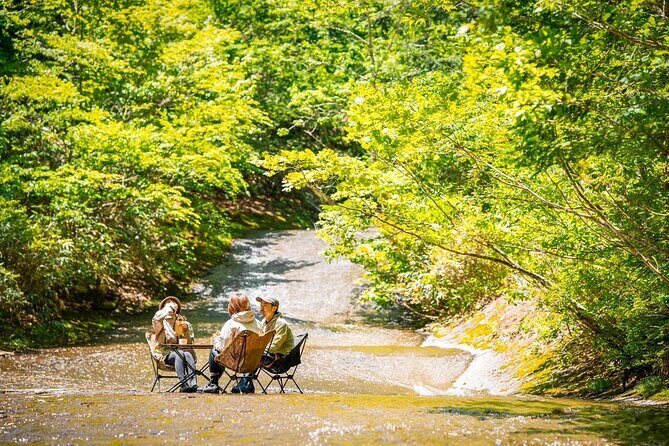
- Hand-dripped coffee using spring water collected during the hike
- Gear is included: harness, helmet, and river shoes
- Locally sourced lunch with sandwiches and soup during the trekking window
- Weather-dependent outdoor plan with a backup tour option in rain
River Trekking on Volcanic Water: What This Tour Is Really About
Takayama has mountains everywhere, but this experience makes water the focus. You’re not just walking near a pretty spot—you’re moving through a mountain stream environment where the terrain and the route connect directly to volcanic history. That “how did this place form?” feeling is part of the point, and the guide ties it into everyday mountain culture—how people learn to live with the water that shapes the land.
The theme of water also shows up in the timing. The schedule builds in coffee and food breaks right when you’ll appreciate them most, not after you’re already tired and cold. The vibe is more like an outdoors lesson with a reward than a sightseeing checklist.
And yes, the coffee matters. Off The Grid Coffee is behind this experience, and the method is part of the magic: you’re getting a hand-dripped cup brewed from spring water gathered during the trek. That turns your break into something more memorable than a standard café stop.
The best way to think about it: this is for people who like nature, don’t mind getting a bit challenged, and want a grounded cultural connection—without needing to be hardcore hikers to enjoy it.
Other hiking tours in Takayama
Price and Value: Why $140 Can Make Sense Here
At $140 per person, you’re paying for more than a guide with a megaphone. The included package adds value in a few practical ways:
- Private transportation to and from the hiking area
- River safety gear (harness, helmet, and river shoes)
- Insurance and guide fee baked into the price
- Coffee and a lunch built from locally sourced ingredients
- A guide who’s certified through the Japan Mountain Guides Association
A lot of outdoor tours nickel-and-dime you once you arrive. Here, the big friction points are already handled: footwear for river conditions, safety basics, and food that won’t feel like a random snack. You still control what you wear, but you’re not forced to buy a bunch of equipment just to try something once.
Also, small-group size matters for value. When the group is up to 6 people, guides can slow down for questions, adjust pace, and keep everyone safe on rocky or slick sections. That’s especially important on a river trek where the terrain changes fast.
Is it expensive compared to a walking tour? Sure. But it’s more like a combo day: transport + safety gear + guided technique + a very intentional coffee moment + lunch.
The 5-Hour Plan: From ONDO to Coffee, Lunch, and Back
This tour runs about 5 hours, and the flow is designed to keep you moving while still giving you time to enjoy the scenery and food.
8:30 AM: Meet at ONDO (or pickup)
You meet at ONDO or get picked up at the Takayama hotel center. If you’re using public transport, the meeting point is positioned near it, which keeps day-planning easier. If you’re staying near the center, pickup can save time and stress.
9:00 AM: Head to the hiking spot and get ready
After pickup or meetup, you travel to the trek starting area. Then there’s preparation—gear checks and getting briefed so you know what’s ahead before you’re ankle-deep in the river.

9:30 AM: Start river trekking, with coffee and lunch built in
This is where the day turns into an experience. The schedule puts your first trekking segment at 9:30, and it includes breaks for hand-dripped coffee and lunch (sandwiches and soup made from locally sourced fresh ingredients).
In practice, it means you’re not just “hiking until lunch happens.” The breaks are part of the rhythm, so you can warm up, refuel, and keep enjoying what you’re walking through.
Around 13:00: River trekking completed
By 13:00, the trekking portion is finished. That gives you recovery time and keeps the day from stretching too long in the outdoors.
14:30-ish: Tour ends back at ONDO
You return to ONDO around 14:30. The exact ending time can vary slightly, but the idea is a half-day outdoor window that doesn’t steal your whole afternoon.
The Water Theme: Why Volcanic Terrain Makes This Walk Different
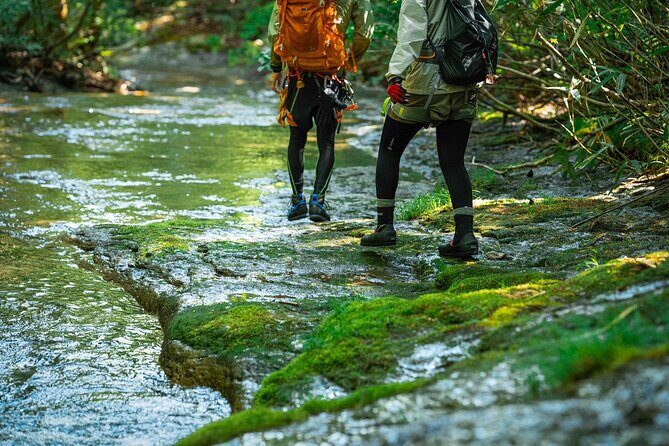
Takayama’s mountains aren’t just background scenery—they shape how rivers move and how people travel and work in the area. This trek leans into that by explaining how volcanic activity created the mountain stream environment you’re walking in now.
Why you’ll care: when you understand why the rocks are where they are, why the water runs the way it does, and why the route follows certain lines, the experience feels less random. It becomes a story you can step through.
Guides also connect the terrain to mountain culture, framing the river as a source of life and learning rather than just a pretty obstacle. That matters if you like cultural context that’s tied to daily reality, not just facts recited at a viewpoint.
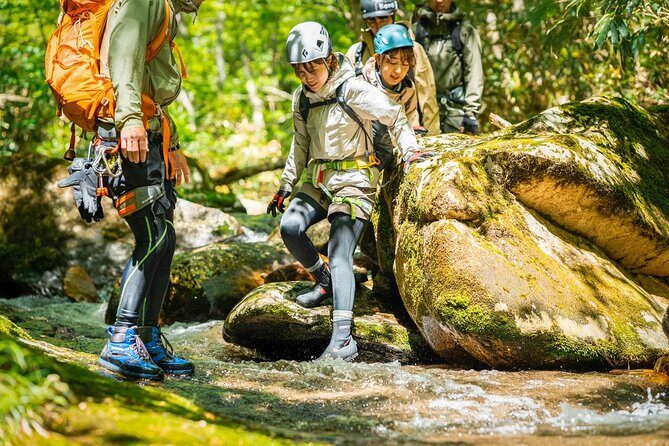
And because it’s “Sawanobori” river trekking, the point is upward movement through the stream route—so you’ll feel the river as terrain. Expect rocky edges, water crossings, and sections where you need to pay attention with your footing.
Some groups have experienced assisted sections, including using ropes when the route calls for it. You don’t need to be a climber, but you should be ready for occasional hands-on support on specific parts of the trail.
Coffee at the Stream: Hand-Dripped Brewing With Spring Water
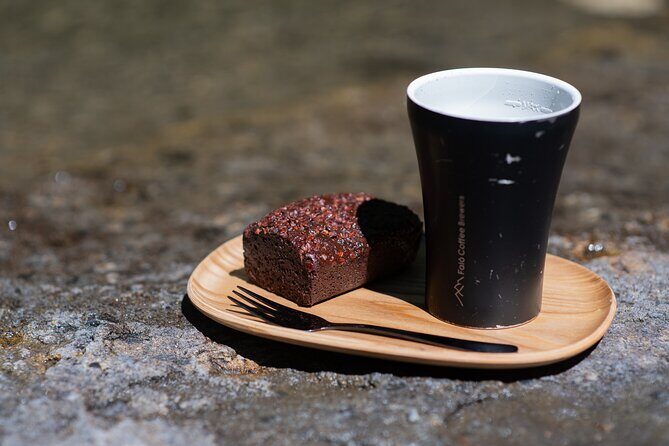
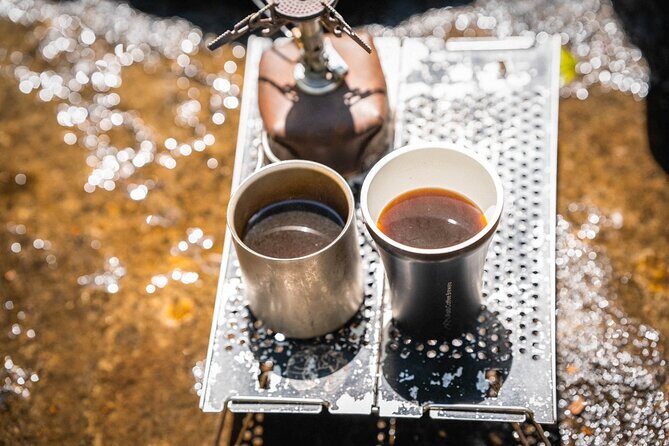
This is the signature moment, and it’s more than a marketing line. The coffee is hand-dripped and made for you by a professional barista. The spring water used for the brew is collected during the trek, which means you’re not just drinking something nice after a hike—you’re tasting the environment as an ingredient.
The difference is subtle but real. Coffee brewed with fresh spring water tends to taste cleaner and more direct than coffee made with typical tap or bottled water. Add the setting—mountain air, stream sounds, and breaks on the water’s edge—and the cup becomes a kind of ritual.
I also like the pacing logic. You’re not reaching the coffee when you’re already done and ready to sit indoors. The tour builds coffee into the middle window, so it feels like part of the day’s flow. You get a reason to pause, look around, and reset your energy.
If you love food and drink experiences that still feel honest and local, this part is a big reason to book.
Gear, Safety, and What You’ll Actually Do in the River
You don’t need to bring river equipment. The tour includes harness, helmet, and river shoes. That’s a big deal because river trekking is one of those activities where the wrong footwear can turn fun into misery fast.
You should still plan smart clothing:
- Swimsuits or clothes may get wet
- You’ll want to wear something you don’t mind getting damp
- You should have a plan for a dry layer afterward
Your fitness level should be moderate. That doesn’t mean “athletes only,” but it does mean you shouldn’t sign up expecting an easy stroll. River routes can be slow and careful. You’ll move with attention, and sometimes the terrain asks more from your balance than you expect.
Safety-wise, the inclusion of harnesses and helmets suggests there may be parts of the route where slips could be dangerous. Think of it as guided risk management for a real outdoor environment.
You’ll also hear plenty of technique and reassurance from the guide. When guides are certified and the group is small, it’s much easier to adjust instructions for each person—especially if conditions change.
Guides Matter: Certified Experts and Real Personality on the Route
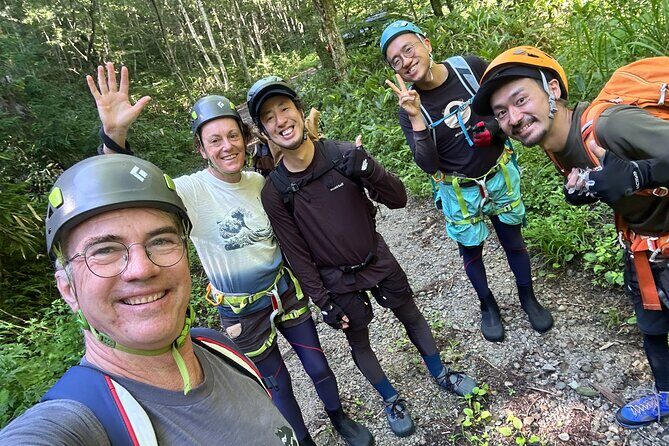
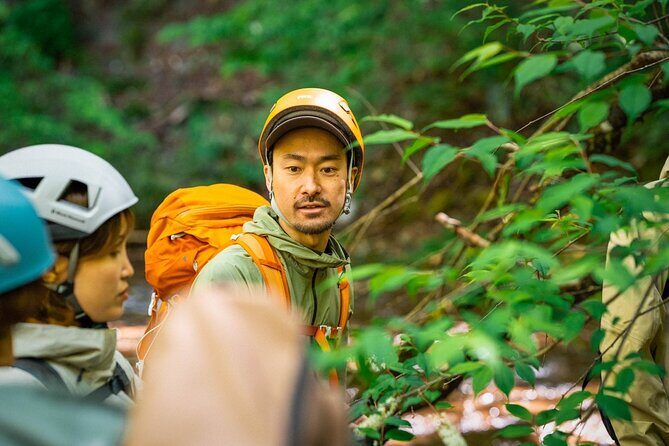
This tour is guided by certified experts from the Japan Mountain Guides Association. In plain terms: you get people trained for mountain environments, not just sightseeing narration.
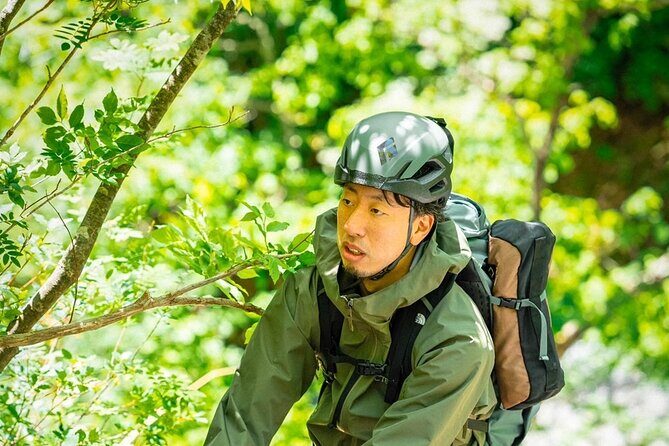
You’ll also get personality. Recent groups highlighted guides like Kyohei, Take, and Masaki for being informative, supportive, and genuinely entertaining. That doesn’t mean it’s all jokes and speed. It means you’re more likely to feel comfortable asking questions, learning why the route is chosen, and understanding what to do when the river gets tricky.
Small group size (up to 6) supports this. You’re not lost in a crowd, and the guide can keep an eye on footing and pacing. For river trekking, that close attention is exactly what you want.
Lunch by the Stream: Locally Sourced, Not Just Convenient
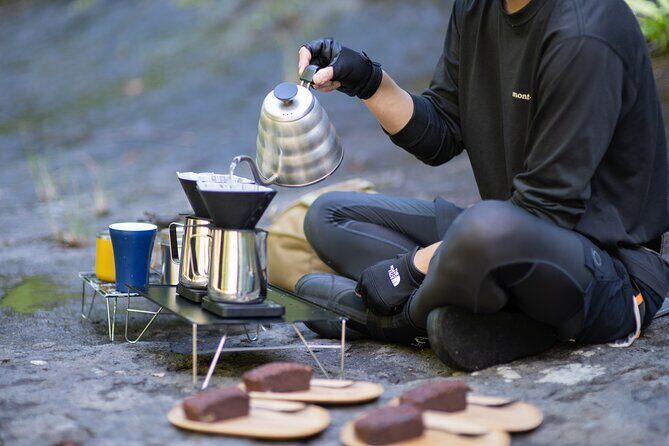
Included lunch is simple and satisfying: sandwiches and soup made with fresh, locally sourced ingredients. The key value here isn’t fancy presentation—it’s timing and comfort.
By the time you hit the lunch window, you’ve put your body to work on uneven ground and water crossings. Warm soup helps. Sandwiches help. And because the food is part of the scheduled flow, you don’t waste time hunting for a café or improvising a meal you’ll regret.
This is also where the tour’s “water culture” idea makes more sense. Mountain life is practical. Food is fuel, often local, often tied to season and place. This lunch supports that mood without making it feel like a lecture.
If you care about eating well while traveling, this kind of meal beats most “snack and move on” excursions.
Weather and Backup Plans: How Outdoor Days Stay Low-Stress
This experience requires good weather. If rain conditions aren’t ideal, they’ll propose another tour plan. If you don’t want to switch, the tour fee is refunded.
That’s the responsible way to run a river trek. Slick conditions can turn a careful route into a risky one, so it’s better for them to adjust than to pretend the water behaves.
If you’re planning multiple outdoor activities in Takayama, this is also a smart slot. You can keep your other plans flexible, then let the weather guide your final choice.
Who This Tour Is Best For (and Who Should Skip It)
This is a strong match for you if:
- You like nature days with a clear purpose
- You enjoy coffee experiences that are tied to place, not just a product
- You’re curious about how mountain culture connects to everyday water
- You want a small-group outdoor activity rather than a big bus tour
It might not be the best fit if:
- You hate getting wet or want a completely dry day
- You’re expecting an easy, flat walking tour
- You’re very sensitive to weather changes and want guaranteed outdoor conditions
Because it supports moderate fitness and provides safety gear, it’s also a good “first real outdoor challenge” option for travelers who want hands-on adventure without going fully self-guided.
Should You Book the Sawanobori River Trekking Tour?
If you want a Takayama afternoon that feels active, local, and thoughtfully planned, I’d book it. The value is in the full package: transport, safety gear, expert certified guidance, coffee made with spring water collected on the route, and a real lunch—not just a box snack.
The decision comes down to one question: are you okay with wet gear and a moderate fitness level for a river hike? If yes, you’ll likely love the blend of outdoor work and that stream-side coffee ritual.
If that part makes you nervous, you might prefer a dry hiking option instead. But for people who enjoy getting a little adventurous, this is one of the most satisfying “small effort, big payoff” days in Takayama.
FAQ
Where do we meet for the Sawanobori River Trekking Tour?
You meet at ONDO (or you can be picked up from the Takayama city hotel center). The meeting time is 8:30 AM.
How long is the tour?
It runs about 5 hours (approx.), with river trekking starting around 9:30 and finishing around 13:00, then returning to ONDO around 14:30.
What’s included in the price?
The tour includes private transportation, harness and helmet, river shoes, hand-dripped coffee, lunch (sandwiches and soup), snacks, insurance, and the guide fee.
What should I wear or bring if I join the river trek?
Swimsuits or clothes may get wet, so prepare accordingly. The tour provides river shoes, harness, and helmet, but you should handle your own clothing choice.
What fitness level do I need?
The tour is listed for travelers with a moderate physical fitness level.
How many people are in the group?
The group size is 1 to 6 people, with a maximum of 6 travelers.
Is pickup available?
Yes, pickup is offered from the Takayama city hotel center.
What happens if it rains?
The tour requires good weather. If rain affects conditions, they will propose another tour plan. If you do not want to participate in the alternative, the tour fee is refunded.