Three historic towns in one day, with no hassle. This private tour links Shirakawa-go and Gokayama (World Cultural Heritage) with Takayama’s old-town feel, all handled by a driver/guide who meets you at your Kanazawa hotel. What I like most is the chance to see the gassho-zukuri praying-hands roofs up close, then compare them with the more inland, workshop-driven culture of Hida.
I also like the human touch. In past tours with guides such as Jun, Takeshi-san, Mai, and Yuka, the best part is how well the day is paced, with English fluency and safe, smooth driving that keeps you relaxed on long roads. The only real consideration: you’re paying for convenience and coverage, so the schedule can feel tight if you want hours of slow wandering in just one village—especially if weather changes plans.
In This Review
- Quick hits worth knowing
- Price and Logistics: Why this tour costs what it costs
- Your day starts in Kanazawa: Hotel pickup and a private car that actually helps
- Shirakawa-go: World Cultural Heritage and the praying-hands gassho houses
- What to watch for in your time there
- Gokayama: 300–400 year-old houses and a calmer kind of remoteness
- The reality check on timing
- Takayama: Hida-Takayama, carpentry roots, and real inland town life
- How to enjoy Takayama with the time you have
- A guide who sets the tone: English explanations, pacing, and on-the-fly options
- Food, weather, and the one-day reality between three stops
- Is this private tour the right fit for you?
- My quick decision guide
- FAQ
- How long is the Shirakawa-go, Gokayama & Takayama private tour from Kanazawa?
- Is this tour private, and how many people can it include?
- Do you get picked up from your hotel in Kanazawa?
- Will the guide speak English?
- Is food included during the day?
- What World Heritage sites are visited?
- Can I cancel for a full refund?
Quick hits worth knowing
- Door-to-door hotel pickup in Kanazawa saves real time and stress.
- World Heritage architecture in Shirakawa-go and Gokayama, including gassho-zukuri homes.
- A private group (up to 3) means fewer compromises and more flexibility.
- English-speaking guide/driver who can explain daily life, not just landmarks.
- Long drive day, strong transport track record, with all reviewers giving perfect marks.
Price and Logistics: Why this tour costs what it costs
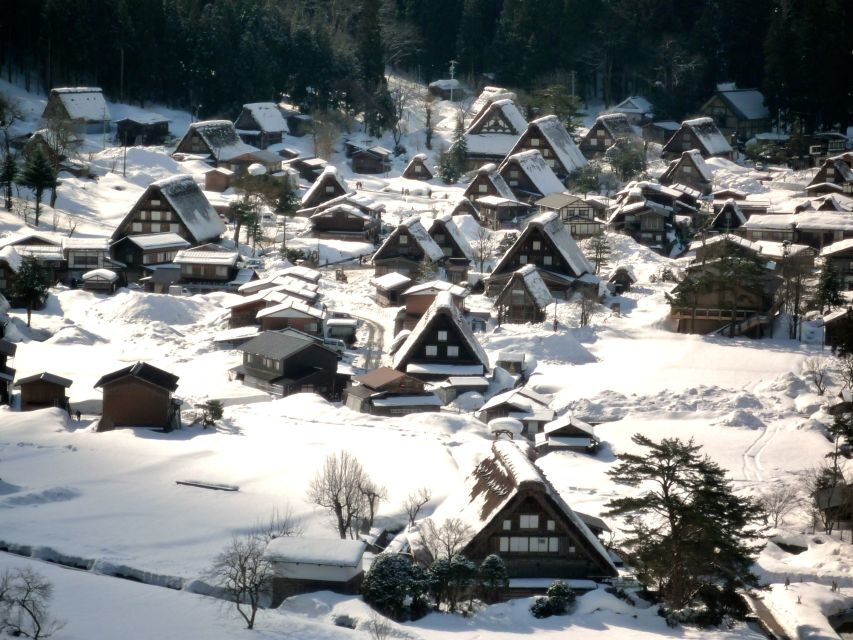
This is not a cheap “bus and back” day. It’s a private car + guide for roughly the whole day, taking you from Kanazawa to three separate places: Shirakawa-go, Gokayama, and Takayama. At $765 per group (up to 3), the value comes from math you can feel in real life: less time waiting, fewer route headaches, and a driver who handles the turns while you focus on the views and explanations.
You’re also buying access to a specific kind of day trip. The region is spread out, and these villages are best visited when you’re not competing with big tour queues. That’s where a private setup shines. Plus, you get an English-speaking host/greeter, which matters a lot in these smaller towns where signage and context can otherwise be a guessing game.
The trade-off is simple: it’s still one day. If you’re the type who wants to sit for an hour with one street photo walk, you’ll need to plan your expectations. This tour is for people who want to see the places properly—then move on to the next—without the hassle of coordinating trains and buses.
Other Shirakawa-go and gassho-zukuri village tours in Kanazawa


Your day starts in Kanazawa: Hotel pickup and a private car that actually helps
The biggest practical win is the pickup from your hotel lobby in Kanazawa. You don’t need to find a meeting point, navigate local transit, or time taxis. The driver/guide collects you at an agreeable morning time, then you’re in motion.
A private car also changes the mood. Between Shirakawa-go and Takayama you’re spending time on the road, and road time can feel long when you’re squeezed in with strangers or stuck waiting for connections. Here, you get a dedicated vehicle, and the transport quality is consistently praised—think smooth timing and safe driving.
If you’re traveling with just one or two people, this format can be a smart way to turn the day from stressful logistics into a real sightseeing rhythm. And because it’s a private group, you can also adjust at the margins: longer browsing at a shop, a slightly different stop emphasis, or a small timing shift if the weather isn’t cooperating.
Shirakawa-go: World Cultural Heritage and the praying-hands gassho houses
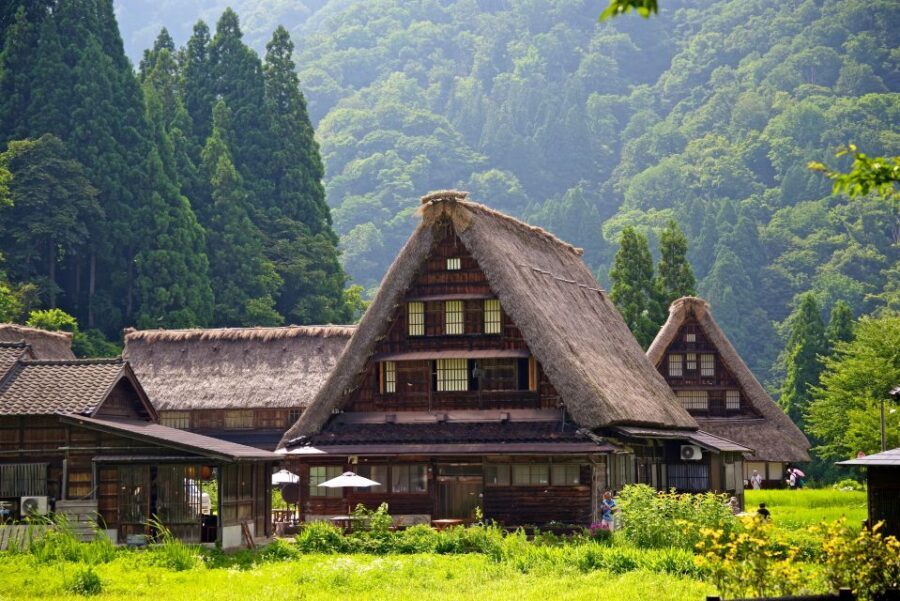
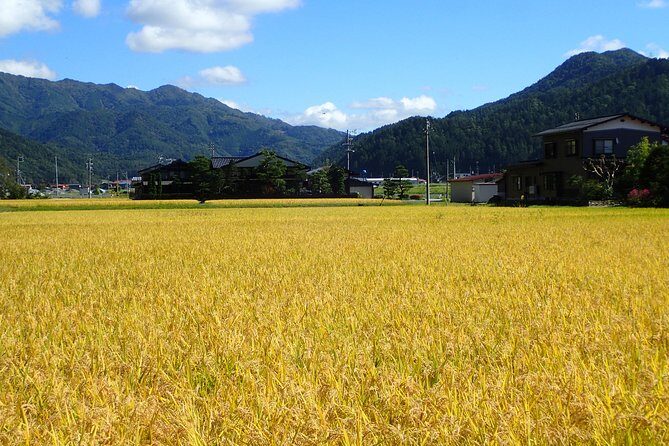
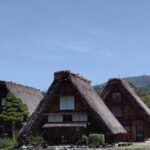
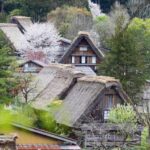
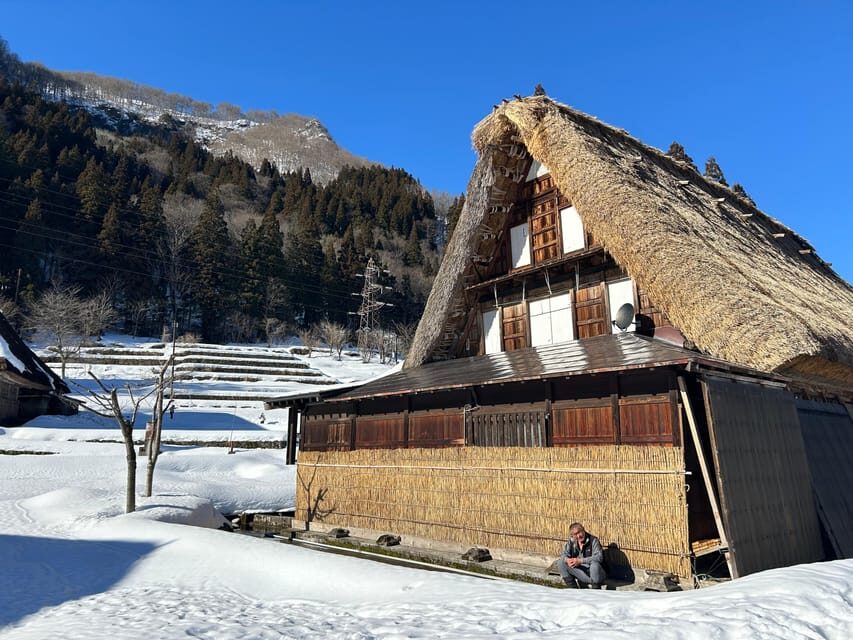
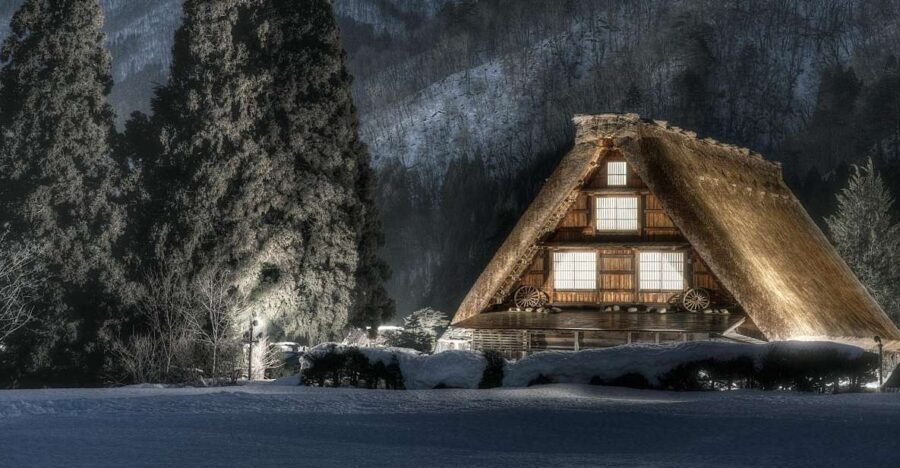
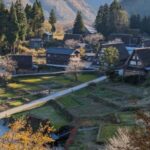
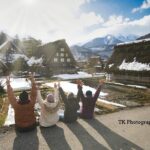
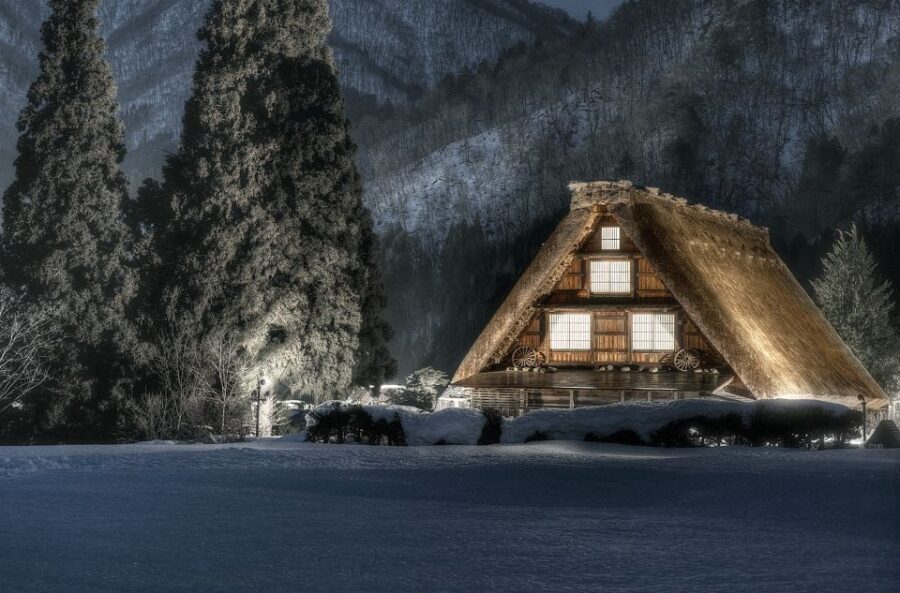
Shirakawa-go is the name that usually gets people to this region, and for good reason. This village is registered as a World Cultural Heritage site, and the star is the gassho-zukuri style—farmhouse houses built in the minka tradition (non-samurai houses), with thatched roofs shaped like two hands held in prayer.
Look up when you arrive. The rooflines are the whole show: steep, peaked, and designed for heavy winter snow. It’s an architectural solution that also creates an iconic silhouette, so even if you only have a short walk, you’ll still get that strong “wow, this is different” feeling.
One of the most interesting parts is understanding what the houses were for. The upper floors in some homes were used for silk farming (sericulture). Those spaces had room for silkworms and mulberry leaves storage—so the village isn’t just a pretty museum town. It’s a record of how rural people worked, adapted, and built infrastructure into their daily life.
What to watch for in your time there
- Focus on roof details and building materials first; it helps you “read” the village.
- If you’re a photo person, go for angles that show the roof peaks and street perspectives, not just close-up shots.
- If rain hits early, don’t panic. A good guide can adjust your time so you still get the key village moments.
Gokayama: 300–400 year-old houses and a calmer kind of remoteness
After Shirakawa-go, Gokayama feels quieter in a different way. It’s also part of the World Heritage story, but its location and past isolation shaped the village’s character. Gokayama sits in Nanto, and it historically stayed out of the modern building wave that changed many other parts of Japan.
The village has wooden and thatch gassho houses that can be over 300 years old, and some are around 400 years old. That age matters because it changes what you notice. The structures don’t feel like modern reconstructions. They feel like they’ve been lived in, repaired, and kept standing—long enough that the village developed a rhythm around the buildings, not the other way around.
A nice detail that adds meaning: Prince Fumihito (Prince Akishino) has said that one of the places he likes most in the world is Gokayama. Whether you’re into royal quotes or not, it’s a reminder that this place has long been admired as more than a stop on a route.
Other Gokayama UNESCO village tours

The reality check on timing
Because the day includes Takayama too, your time in Gokayama may be more of a focused walk than a long sit-and-stare session. That doesn’t make it worse—it just means you’ll want to prioritize what you came for: the houses, the streets, and the sense of old rural life.
If you’re the type who hates “checklist travel,” you might find it helpful to mentally separate your goals:
- Shirakawa-go for the big architectural iconic look
- Gokayama for depth and atmosphere
Do that, and the schedule stops feeling like compromise.
Takayama: Hida-Takayama, carpentry roots, and real inland town life
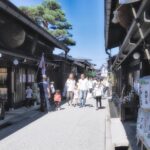
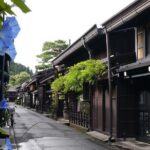
Takayama is the final piece, and it shifts the focus from thatched roofs to a town built around craft and mountain living. It’s known as the gateway to the Japan Alps, and it’s also described as a sort of storehouse of Japan’s inland culture.
Takayama took shape in the 1500s, and its seclusion and high altitude helped form a distinct local culture. If you’re wondering why Takayama feels “more Japanese” in a different way than big coastal cities, this is one reason. People built their livelihood around what the mountains offered—skills, materials, and trade patterns shaped by distance.
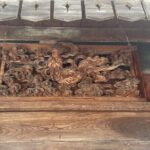
One detail I love because it connects Takayama to places many visitors recognize: the town is famous for traditional carpentry expertise. Carpenters from the area worked on the Kyoto Imperial Palace, plus other nationally important shrines, temples, and palaces. That’s not just trivia; it helps you understand Takayama’s pride in workmanship and why old buildings and crafts feel taken seriously here.
And yes, eat. Takayama is famous for Hida beef. If you’re an adventurous eater, this is the point where the day trip stops being sightseeing only and turns into a genuine meal memory.
How to enjoy Takayama with the time you have
With only one day, your best strategy is simple:
- Spend your first stretch soaking up old-town streets and craft shops.
- Leave room to sit for food before you rush back out for photos.
Also, if the morning weather changed your pace earlier, Takayama is where the day often feels most rewarding once conditions improve.
A guide who sets the tone: English explanations, pacing, and on-the-fly options
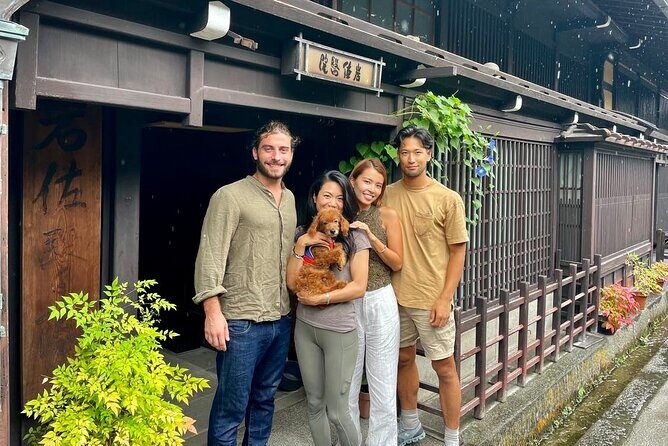
The guide/driver role here is bigger than “point at places.” In the best versions of this tour, your guide shapes the day around comfort and timing. That’s where names like Takeshi-san, Mai, Yuka, and Jun come up—not as marketing fluff, but as examples of the kind of guide who can make a packed itinerary feel calm.
Here’s what this kind of guide does well, in plain terms:
- Keeps safe driving steady so you’re not tense on curvy roads.
- Offers interesting historical context tied to what you’re actually seeing.
- Makes small adjustments, like spending extra time in shops or slowing down for photos.
- Stays patient when you linger—important in old towns where the “good stuff” takes time.
One useful tip you can count on from this kind of experience: if you want help choosing meals, ask. Some guides have advised restaurants for the rest of your stay and even helped with reservations when possible. That matters because once you’re in the countryside, finding the right place quickly can take more effort than you expect.
Food, weather, and the one-day reality between three stops
Food is not included, so you’ll want a plan. In villages like Shirakawa-go and Gokayama, food choices can be limited compared to cities, and hours can vary. Pack a snack if you’re the type who gets hungry easily, and treat lunch as part of the day’s rhythm rather than an afterthought.
Weather is the other factor. Early rain can slow walking and make rooftops harder to photograph. On days like that, the smartest approach is flexibility: accept a shorter village walk if the guide adjusts the order, and then take advantage of improving weather later—often, Takayama can be easier once skies clear.
One more timing note: the tour runs for one day, with starting times depending on availability. If you’re choosing dates, don’t just pick the first open slot. Think about your overall Kanazawa schedule too, because you’ll likely want a relaxed evening afterward if you’re traveling from one hotel to the next.
Is this private tour the right fit for you?
This experience makes the most sense if you want:
- Door-to-door convenience from Kanazawa
- World Heritage villages without the hassle of public transport timing
- A format that balances big sights with smaller, quieter places
- An English-speaking guide who can explain what you’re looking at
It might be less ideal if you:
- Want to spend half a day in only one village and go slow, no compromises
- Hate the idea of a tight schedule when you’re paying a premium
- Prefer to control every minute yourself (this is a structured day)
My quick decision guide
If you’re traveling as a pair or small group and you value stress-free logistics, this is the kind of tour that can be worth the cost. If you’re solo and you’re comfortable with trains and buses, you might find cheaper options—but you’d be trading away the smooth, dedicated ride that makes a one-day hit so easy.
FAQ
How long is the Shirakawa-go, Gokayama & Takayama private tour from Kanazawa?
It’s a one-day tour. You’ll want to check availability for the starting times.
Is this tour private, and how many people can it include?
Yes, it’s a private group. The price is listed per group up to 3.
Do you get picked up from your hotel in Kanazawa?
Yes. Hotel lobby pickup is included on the morning of the tour, and your guide/driver collects you at an agreeable time.
Will the guide speak English?
Yes. The host/greeter is English.
Is food included during the day?
No. Food on the day is not included.
What World Heritage sites are visited?
The tour visits Shirakawa-go and Gokayama, both registered as World Cultural Heritage sites, plus Takayama.
Can I cancel for a full refund?
The tour offers free cancellation up to 24 hours in advance for a full refund.