Fermentation can be surprisingly fun in Kanazawa. This small-group visit at Yamato Soy Sauce & Miso turns the spotlight on koji—the starter behind miso, soy sauce, and more—inside a historic complex you can actually see and smell. I like that the guide keeps it practical, so the science feels understandable, not like a lecture you forget five minutes later.
My favorite part is the hands-on miso soup workshop, where you compare two miso pastes aged 6 to 12 months, then make your own bowl. I also really enjoyed the lunch course built around koji and other fermented ingredients, because you get the taste proof, not just the theory.
One thing to plan around: you don’t enter the actual miso/soy sauce production rooms. Instead, the tour covers the facility and history—so if you’re expecting a factory floor walkthrough, this is more “learn the process and taste the results” than “watch every step up close,” with the tradeoff being a calmer, more visitor-friendly experience.
In This Review
- Key things that make this tour worth your time
- Koji is the secret ingredient you can taste in Kanazawa
- Getting to Yamato Koji Park without losing time
- Koji Park Tour and Koji Talk (12:00–12:30): the explanation part, made fun
- Miso soup making (12:30–13:00): compare flavors, then build your own bowl
- Fermented Food Lunch (13:00–14:00): the flavor proof of koji
- Doburoku tasting (14:00–14:30): two drinks, two fermentation profiles
- The historic brewery setting: photos, smells, and context
- Lunch + tastings + workshop: is $77 a good deal?
- What to expect from the guides and the pace
- Who should book this Kanazawa fermentation tour
- Should you book the Kanazawa Historic Brewery Fermentation Tour?
- FAQ
- How long is the Kanazawa Historic Brewery fermentation tour?
- What’s included in the tour price?
- Do you taste both miso and doburoku?
- Is the lunch the same for everyone?
- What language is the tour offered in?
- Is this tour suitable for children or teenagers?
- Where do I meet, and how do I get there from Kanazawa Station?
- When is the tour closed?
Key things that make this tour worth your time
- Koji Park talk that explains what koji actually does (plus gut-health concepts)
- Hands-on miso soup making with two miso ages to taste the difference
- A lunch course built around fermented flavor, not just a side dish
- Two doburoku tastings, including yuzu and black currant
- Historic brewery buildings and photo-friendly details, from red brick to storehouses
Koji is the secret ingredient you can taste in Kanazawa
If you’ve eaten miso soup your whole life, you already know the flavor. What this tour adds is the “why.” You start with the fermentation starter called koji—a kind of living catalyst that helps transform simple ingredients into deep, complex taste. The guide’s job is to make it click: what it is, why it matters, and how fermentation culture connects to everyday Japanese food.
This matters because fermentation isn’t just a food trend. It’s a method for building flavor, improving texture, and creating stable foods that have traveled through time. In Kanazawa, that story is especially grounded: Yamato Soy Sauce & Miso has been crafting fermented foods since 1911, tied to Oonomachi, a historic port area known since the Edo period as one of Japan’s top soy sauce regions.
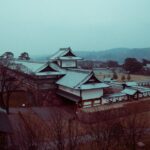
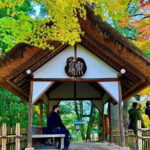
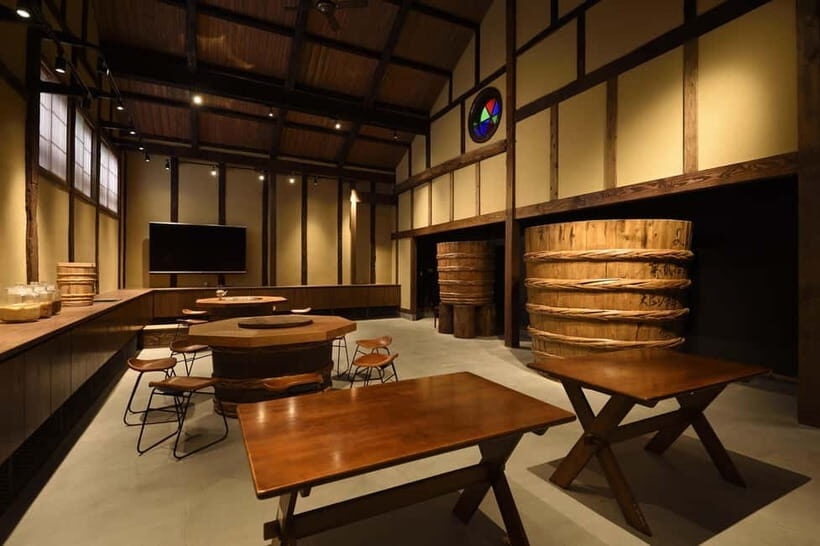
You’ll also notice the setting right away. Koji Park is an interactive facility inside a historic brewery-style complex. You can walk around the red brick boiler, spot the iconic chimney that seems to carry the scent of roasted wheat, and pass traditional wooden storehouses that were adapted for production spaces and shops. Even before food shows up, the place gives you sensory context.
Other Kanazawa tours and samurai-district walks

Getting to Yamato Koji Park without losing time
The meeting point is Hishiho-Gura (Product Showroom) at Yamato Koji Park (4-I-170 Oonomachi, Kanazawa, Ishikawa 920-0331). From Kanazawa Station, you’re looking at a bus-and-walk route rather than a simple “hop off and you’re there.”
Here’s the practical route the tour info provides:
- Walk about 3 minutes from the Kanazawa Station West Exit to the Nakabashi bus stop (under the Nakabashi overpass).
- Take Hokutetsu Bus Line 61 toward Ono (about 30 minutes).
- Get off at the final stop Ono, then walk 3–8 minutes toward Minato Bridge.
On the way back:
- From Ono, take Line 34 bound for Takao / Kanazawa Institute of Technology.
- Get off at Nakabashi to return to Kanazawa Station.
In plain terms: if you like stress-free mornings, plan on a taxi at least one way, or arrive early enough to take your time with the bus. The tour is short—150 minutes—so you don’t want to gamble on timing.
Koji Park Tour and Koji Talk (12:00–12:30): the explanation part, made fun
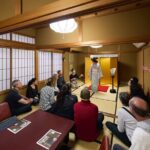
Your first stop is the Koji Park Tour & Koji Talk, scheduled from 12:00–12:30. This is where the tour earns its keep: the guide explains how fermentation works using koji as the anchor.
You learn three main themes during the talk:
- What koji is
- The secret of fermentation (why it changes food so dramatically)
- How fermentation culture connects to intestinal health
The tone is described as entertaining and informative, not dry. And in a few experiences on the day, you may even get a more personal angle—some tours are led by the owner or members of the Yamato team, which adds warmth to the technical parts. I’d treat that as a bonus, not a guarantee.
Weather note: there’s a mention that an outdoor portion may not be available depending on conditions. That’s normal for places with exterior elements, but it’s worth keeping in mind if you’re visiting on a rainy day.
Miso soup making (12:30–13:00): compare flavors, then build your own bowl
From 12:30–13:00, you shift from learning to tasting and doing. You’ll make your own miso soup using simple recipes and two types of miso pastes aged from 6 to 12 months.
This is one of the smartest parts of the experience because it turns abstract “miso is fermented” into a direct comparison you can understand instantly. Younger miso often feels lighter and more straightforward; longer-aged miso tends to feel deeper and rounder. Even if you don’t name every note, you’ll feel the difference in aroma and taste.
You also get ingredients and utensil rental included, so you’re not hunting for kitchen tools or worrying about what comes next. The workshop timing is tight, so pay attention early. The payoff is that you’re eating something you actually assembled right after tasting the miso base.
Fermented Food Lunch (13:00–14:00): the flavor proof of koji
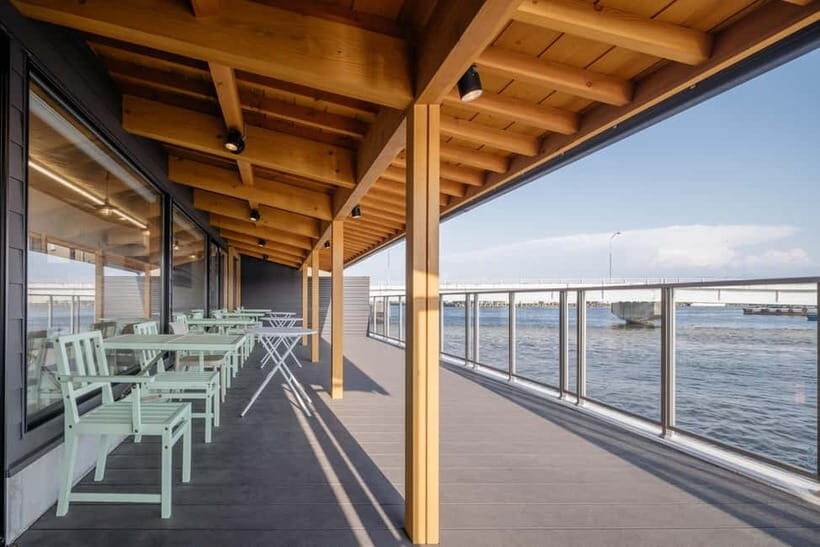
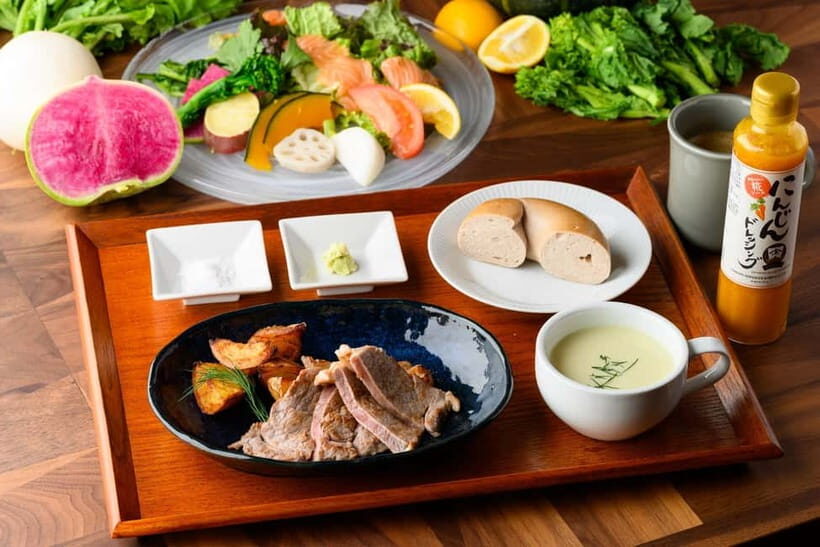
Lunch runs 13:00–14:00, and it’s built around koji and other fermented ingredients. The default lunch option is Koji Beef Steak Lunch Course. If you have dietary restrictions, you’re advised to email after reserving so the team can adjust.
This part is important for value. Yes, you’ll taste things. But the real reason lunch belongs in this tour is that fermentation changes more than one ingredient. It can show up in sauces, dressings, soups, and even unexpected items, and you get the “whole meal effect” instead of a few bites on a tray.
You’ll commonly see multiple fermented components across the course—salad, soup, steak—and the goal is to show how koji-based flavor supports the entire plate. In other experiences, I’ve found the lunch can feel more private than a large cafeteria setup, especially on quiet days. That isn’t something you can count on, but it’s a good sign that the tour is designed for a visitor group rather than a high-volume production.
Other food & drink experiences in Kanazawa
Doburoku tasting (14:00–14:30): two drinks, two fermentation profiles
After lunch, the tour moves to doburoku tasting from 14:00–14:30. Doburoku is a fermented rice beverage made with koji, yeast, and lactic acid bacteria. The tour frames it as a “superfood” style drink, but what matters for you on site is the sensory experience: it’s easy to drink, and the goal is a gentle buzz while cleansing your body from within.
You taste two types of doburoku:
- one flavored with yuzu
- one flavored with black currant
I like tastings like this because they’re not random. The flavors give you a handle for understanding the base fermentation character. Yuzu tends to feel bright and aromatic; black currant leans fruity and slightly tart. Together, you get two ways the fermentation can be dressed up without hiding what’s underneath.
The historic brewery setting: photos, smells, and context
This isn’t just a classroom. Koji Park is set in a historic brewery complex, and the architecture helps you remember the concepts.
You’ll likely notice:
- the red brick boiler
- the chimney linked with a roasted wheat scent in the air
- traditional wooden storehouses repurposed for production spaces and shops
- wide views toward the Hakusan and Tateyama mountain ranges, plus the Kanazawa Port backdrop
Why that matters: fermentation can feel like a process that belongs behind doors. Here, you’re reminded it was once a local, seasonal, practical industry—embedded in a place people could visit, sell, and buy from. Even if you’re not into architecture, the setting makes the food story more grounded.
Also, remember what you’re getting—and what you aren’t. You won’t enter the actual factory areas where soy sauce and miso are made. Instead, you experience the exterior facility, the history, and the tasting outcomes. For many people, that’s the right balance: more time eating and learning, less time standing in restricted production areas.
Lunch + tastings + workshop: is $77 a good deal?
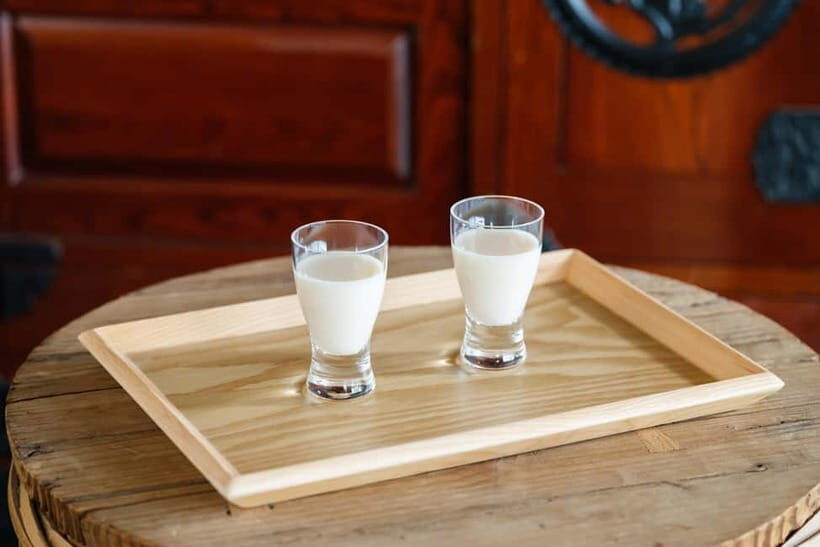
At $77 per person for about 150 minutes, the value comes from bundling four things that normally cost extra:
- guided koji talk
- a hands-on miso soup workshop (with ingredients and utensils)
- a fermented food lunch course
- a doburoku tasting with two varieties
If you were to do these separately on your own—especially the workshop and lunch—it would be harder to recreate the structured learning and tastings. The small group size (limited to 8 participants) also matters. You’re more likely to get questions answered and to keep a comfortable pace with the guide.
So the question isn’t just price. It’s payoff per minute. For me, this tour works because it spends its time where most food-tour visitors actually care: in your bowl and in your glass, with just enough explanation to make the flavors make sense.
What to expect from the guides and the pace
You’ll have a live tour guide in English and Japanese. Some experiences are guided by the owner and his wife—names mentioned include Yamamoto and Yukiko—and that can add personality. People describe the hosts as welcoming and the lecture as humorous or easy to follow, which is exactly how you want fermentation education to feel.
The schedule is designed to flow:
- talk first, so you know what you’re tasting
- workshop second, so you create your own miso soup
- lunch next, so the ingredients show up in context
- tastings last, so fermentation is tasted again through doburoku
That sequencing makes the whole experience easier to remember. You don’t bounce between unrelated activities.
Who should book this Kanazawa fermentation tour
This tour is a strong fit if you:
- enjoy food education that still ends in great eating
- want a break from shrine-and-castle days
- like small-group activities with a personal guide
- care about miso, soy sauce, sake-adjacent drinks, or fermented flavors in general
It’s not a fit if you:
- expect full factory-floor access (you’re touring the facility and learning, not going inside production rooms)
- are under 20 years old (the tour isn’t suitable for that age group)
If you have dietary restrictions, email following your reservation so the default Koji Beef Steak Lunch Course can be adjusted.
Should you book the Kanazawa Historic Brewery Fermentation Tour?
Yes, if you want a Kanazawa experience that’s different without being complicated. This is a well-paced 150-minute tour that teaches you the role of koji, then rewards you with your own miso soup, a full fermented lunch, and two doburoku tastings. The historic brewery atmosphere adds character, and the small group format helps it feel personal rather than rushed.
If you’re mainly chasing factory access and behind-the-scenes production footage, you’ll likely feel the limitation of exterior-only touring. But if your goal is flavor understanding—what fermentation does and how it tastes—this is a very smart use of time.
FAQ
How long is the Kanazawa Historic Brewery fermentation tour?
The total duration is about 150 minutes.
What’s included in the tour price?
You get the Koji Park tour and talk, miso soup making and tasting (including ingredients and utensil rental), a fermented food lunch, and doburoku tasting.
Do you taste both miso and doburoku?
Yes. You make and taste miso soup using two miso pastes aged 6 to 12 months, and you also taste two doburoku varieties.
Is the lunch the same for everyone?
The default lunch is Koji Beef Steak Lunch Course. If you have dietary restrictions, you should email following your reservation so the team can adjust.
What language is the tour offered in?
The guide speaks both English and Japanese.
Is this tour suitable for children or teenagers?
No. It is not suitable for people under 20 years old.
Where do I meet, and how do I get there from Kanazawa Station?
Meet at Hishiho-Gura (Product Showroom) / Yamato Koji Park. From Kanazawa Station, you can use Hokutetsu Bus Line 61 to Ono (get off at Ono, then walk 3–8 minutes toward Minato Bridge), with return via Line 34 back to Nakabashi.
When is the tour closed?
It’s closed Tuesdays and Wednesdays, and also during New Year holidays.

![[Day trip bus tour from Kanazawa Station] Weekend only! World Heritage Shirakawago Day Bus Tour - Route and timing: the 09:30 depart and 15:30 return rhythm](https://www.japan-alps.com/wp-content/uploads/2026/05/day-trip-bus-tour-from-kanazawa-station-weekend-only-world-heritage-shirakawago-day-bus-tour.jpg)