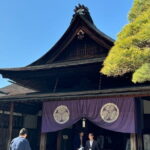
Cooking with a local family changes everything. This Takayama class is held inside a 200-year-old wooden townhouse on Old Town’s main street, usually closed to the public. You get a warm welcome with Japanese tea and wagashi, then hands-on cooking in a semi-outdoor kitchen with dashi and five seasonal dishes matched to your preferences. One thing to consider: it is intimate and home-style, so you’re not looking at a big, scripted show.
I especially like the way Hisa and Bob (and Tomoa, depending on the session) treat your questions like part of the meal, not an interruption. You’ll also learn practical kitchen technique, not just what to eat. The only real drawback is that the focus stays on cooking and sharing dinner, so if you’re craving lots of formal sightseeing, this will feel more like a long, delicious hangout than a tour.
In This Review
- Why This Takayama Cooking Class Feels Different
- Entering Hisa and Bob’s 200-Year-Old Takayama Home
- Tea, Wagashi, and the Welcome That Sets the Tone
- Cooking in the Semi-Outdoor Kitchen: Dashi First, Everything Else Follows
- What You Actually Learn (Beyond the Recipes)
- Your Meal: Five Dishes, Then Dessert Like Japan Does It
- Food Allergies, Restrictions, and How to Get the Menu You Want
- Timing in Takayama: 10:00 Lunch vs 4:30 Dinner
- Price and Value in the Real World
- Who Should Book This Cooking Class
- Quick FAQ
- FAQ
- How long is the Japanese cooking class in Takayama?
- What meals are included at the two available time slots?
- Is alcohol included?
- Can the hosts accommodate food preferences or restrictions?
- Where does the experience start?
- Is this a private experience?
- Final Call: Should You Book It?
Why This Takayama Cooking Class Feels Different
- A rare peek inside a 200-year-old townhouse on Takayama’s Old Town main street, including the former clinic area
- English-friendly hosts who guide you through the whole process and share stories about living in the Hida mountains
- Tea and wagashi before you cook, so the meal starts as a welcome, not a lecture
- Dashi and core ingredients taught step by step, with time to ask questions
- A semi-outdoor kitchen for real home-style work, where you cook side by side
- Seasonal fruit dessert in a uniquely Japanese style, finishing the meal gently, not heavily
Entering Hisa and Bob’s 200-Year-Old Takayama Home
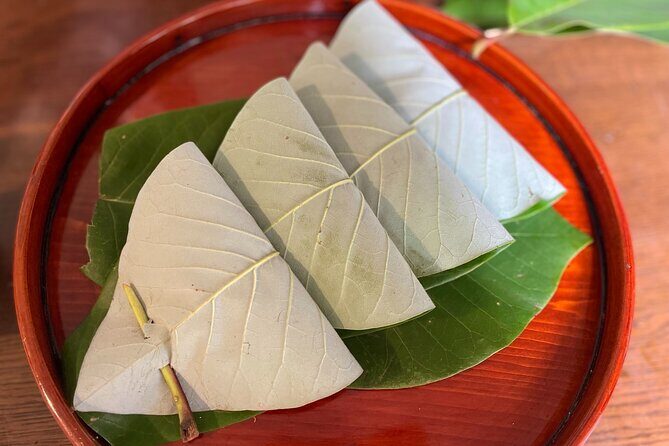
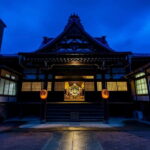
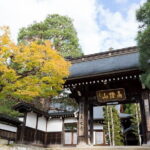
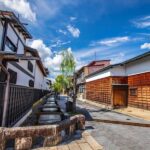
Takayama Old Town has a way of making you slow down. This experience leans into that feeling by putting you in a wooden townhouse that has been standing for roughly 200 years. It sits right on the main street, but the moment you step inside, it feels quieter, more lived-in, and more personal than the typical “activity space” in a tourist district.
The house has a past that’s more than decorative. It used to be a local clinic where many babies were born. That matters because you’re not just touring a building. You’re standing inside a place that supported family life for generations, and the hosts connect that history to how people still think about seasons, home meals, and daily rhythms in Takayama.
You’ll also walk through the former clinic area and then into traditional living quarters. Even if you’re not a history person, this gives you context for why the cooking part feels so rooted. In Japan, the home is the center of food culture, and here the home is part of the lesson.
Practical tip: wear comfortable shoes. Old wooden homes can have uneven steps and you’ll be moving through rooms before you get cooking.
Other Takayama walking tours and old-town experiences

Tea, Wagashi, and the Welcome That Sets the Tone
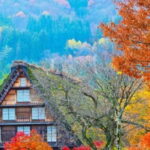
Most cooking classes rush to the cutting board. This one starts softer: you’re welcomed with Japanese tea and delicate wagashi (traditional sweets). It’s a small moment, but it helps you settle in and understand the pace they want you to match.
Then comes a short introduction to Japanese home cooking. You don’t need to be a food expert. The hosts explain the basic logic behind the flavors, especially the role of broth and key ingredients. From there, you’ll put on a traditional apron and step into the kitchen.
This is one of the parts I think really boosts value. You’re paying for more than recipes. You’re paying to understand why certain steps come first, why seasoning isn’t treated as an afterthought, and why the meal is built around seasonal choices rather than just taste alone.
Cooking in the Semi-Outdoor Kitchen: Dashi First, Everything Else Follows
The heart of the experience is the cooking itself, and the setting helps a lot. You cook in a semi-outdoor kitchen where meals were prepared much like they did in the past. That communal layout makes it easier to learn because you’re not stuck working around strangers or separated by a counter. You’ll be cooking side by side with the hosts, and that hands-on pace is exactly what makes it memorable.
A key early step is making dashi. Dashi is the foundation of much of Japanese cooking. The way it’s taught here tends to focus on ingredients and process—what’s used, how it behaves, and why you can’t treat it like just another soup starter.
From there, you’ll cook five seasonal dishes. The menu is tailored to your preferences, and you’re encouraged to share food requests or restrictions ahead of time. That flexibility is important. Japanese home cooking is often ingredient-driven, so the hosts can adjust what they make so you can actually enjoy the meal rather than just watch.
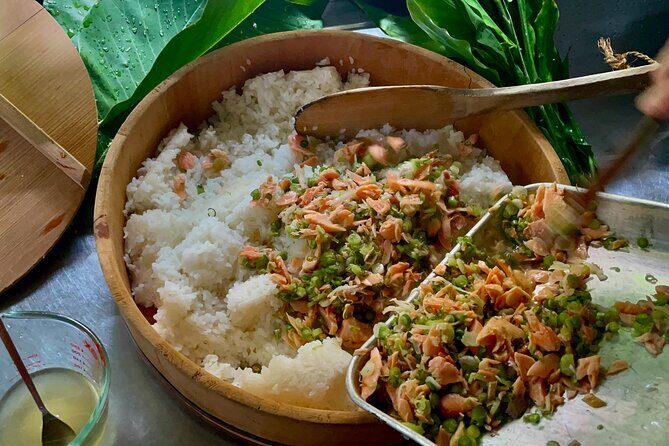
Depending on the day and what you ask for, you might see dishes like:
- sushi rolls
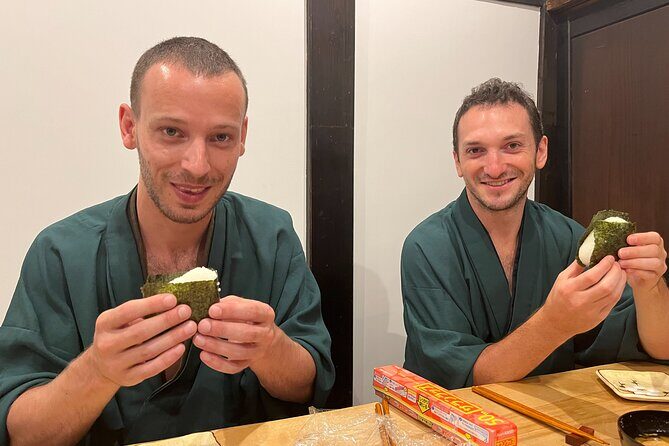
- rice ball style cooking
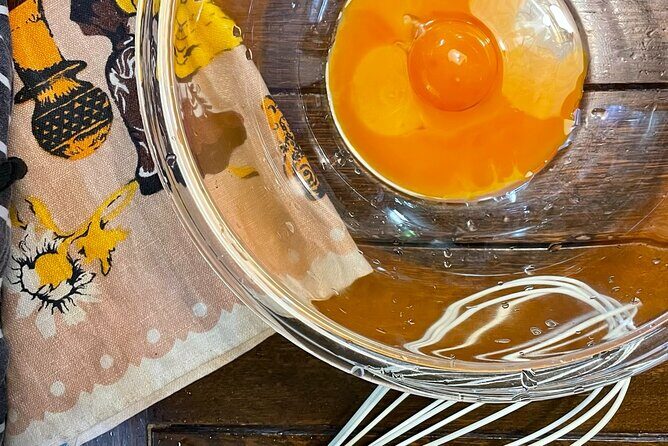
- a Japanese omelette technique
- gyoza and tempura
- tofu preparations
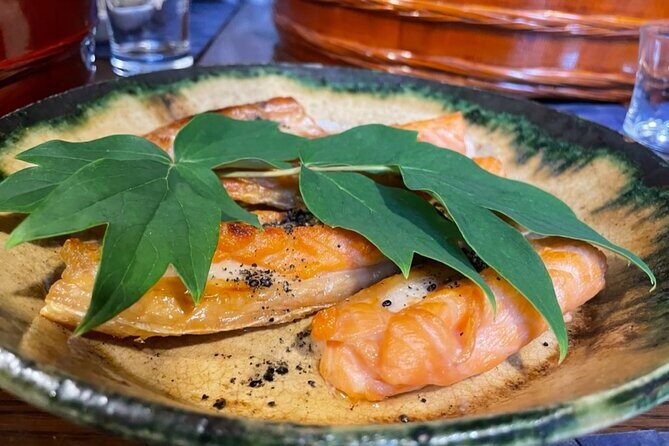
- sashimi or fish dishes (when it fits the session)
- Wagyu in some menus
The point isn’t that every class includes the same dishes. The point is that you’ll learn real home-style technique, not generic “demo cooking.” You’ll likely handle tools and practice steps that matter for texture, timing, and flavor balance.
Technique you’ll appreciate: hands-on work with core Japanese ingredients like bonito, and learning how they’re prepared and used. In at least some sessions, the hosts show how bonito can be shaved with a household tool so you understand the ingredient’s role beyond the package.
What You Actually Learn (Beyond the Recipes)
This is one of those experiences where the education shows up in the details.
Because Hisa and Bob (and Tomoa) are fluent in English, you don’t just get instructions—you get explanations. You can ask why a step works, and the hosts connect it back to everyday Takayama life and how people in the Hida mountains think about food in seasons.
From what you’ll experience during the class, you come away with practical takeaways like:
- how to think about dashi as a base, not a side note
- how ingredient order can matter for results
- how Japanese home meals use seasonal timing to guide what’s made
- how tools and kitchen habits affect texture
You’ll also notice the class has an informal feel. It doesn’t come off like a school where you’re racing the clock. In your hands-on work, you’ll probably laugh at a mis-flipped egg roll or an imperfect technique moment. That’s not a downside. That relaxed teaching style is part of why people finish feeling like they cooked with family friends rather than followed a script.
And yes, the hosts share stories. They talk about life in Takayama, living in harmony with nature and the seasons, and how the older spaces in the home tie into that mindset.
Your Meal: Five Dishes, Then Dessert Like Japan Does It
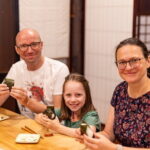
After cooking, you sit down and eat what you made. That part is simple and satisfying, because it closes the loop: you see the finished dish, then you remember the steps and choices behind it.
The class is structured so you get lunch or dinner depending on your time slot:
- If you choose the 10:00 AM slot, lunch is included.
- If you choose the 4:30 PM slot, dinner is included.
You’ll also get coffee and/or tea as part of the experience. Alcoholic beverages are not included, so if that matters to you, plan accordingly.
Dessert is fresh seasonal fruit prepared in a uniquely Japanese style. The hosts don’t treat dessert like an afterthought. It functions as a light ending that matches the meal’s seasonal focus.
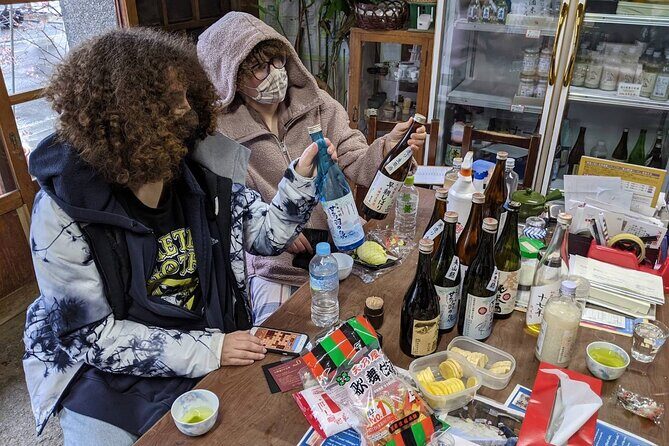
In some sessions, the hosts may offer local sake to taste during the meal. That’s not listed as guaranteed, and alcohol isn’t included as a standard part of the package, so think of any drink offer as a bonus rather than part of the baseline value.


Food Allergies, Restrictions, and How to Get the Menu You Want
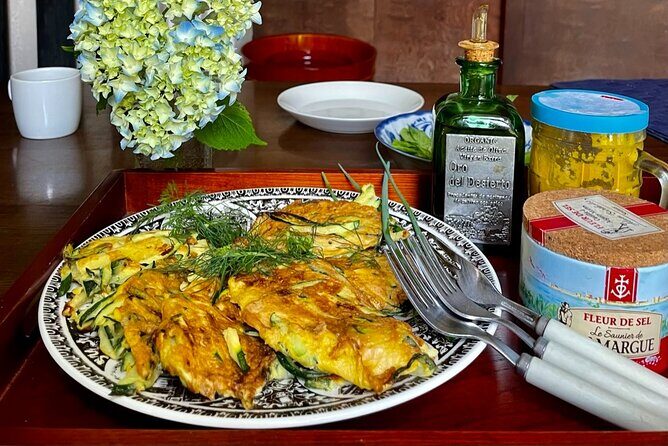
This class is designed for customization, and you should use that. When you book, tell them about your needs—dietary restrictions and preferences are explicitly encouraged.
Here’s why that matters in practice: Japanese home cooking is often built around seasonal ingredients and specific basics like dashi and seafood. If you want to avoid something, the hosts can adjust what they cook so you’re not stuck with a plate of food that’s technically Japanese but not enjoyable for you.
Smart move: message with both what you avoid and what you’d like more of. Want something seafood-light? Prefer vegetarian where possible? Love yuzu flavors? Those details help shape the dishes you’ll cook and eat.
Timing in Takayama: 10:00 Lunch vs 4:30 Dinner
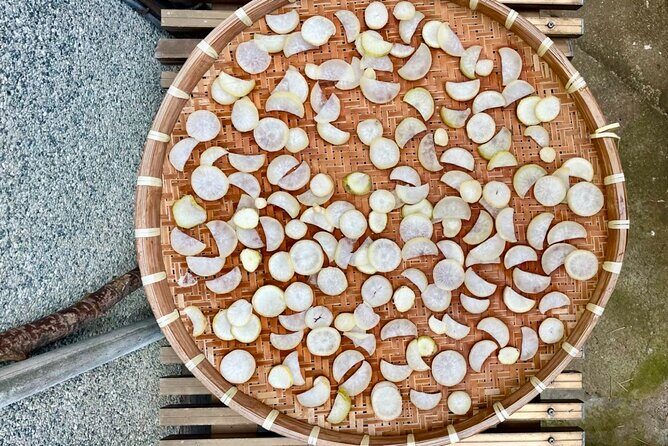
The schedule is short—about 3 hours—but it’s designed so you can fit it into a day without stress.
If you go in the morning at 10:00 AM, lunch is included. This can be a great anchor activity for your Takayama day because you’ll eat a full meal during the class and then you’re free to explore afterward without hunting for a big lunch.
If you go at 4:30 PM, you’ll have dinner included. That’s an excellent option if you want a calmer late afternoon and evening without turning your trip into a constant restaurant search. It also pairs nicely with Takayama’s Old Town atmosphere, where early evening feels especially good on foot.
Because the experience ends back at the meeting point, you don’t need complicated transportation planning right after. That makes it easy to add to your itinerary.
Price and Value in the Real World
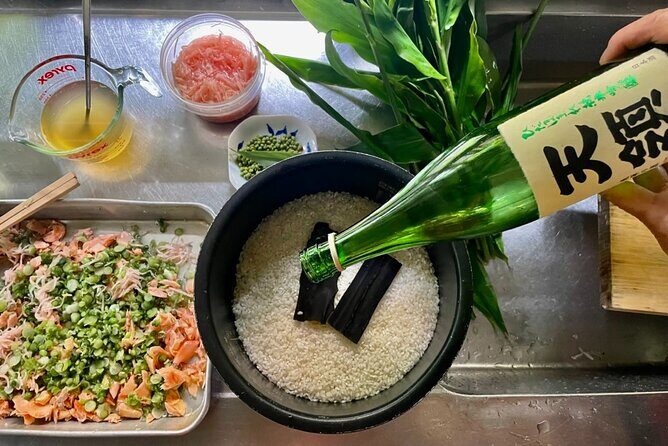
At $211.37 per person for a roughly 3-hour private experience, you’re paying for intimacy, not scale. This isn’t a crowded cooking class with a long line of people. It’s a private activity where only your group participates.
That private format is a big part of the value. You can ask questions, get step-by-step guidance, and actually work with the tools rather than watching from the sidelines. You’re also getting:
- a full welcome with tea and wagashi
- hands-on preparation of five seasonal dishes
- lunch or dinner based on your time slot
- coffee and/or tea
- dessert with fresh seasonal fruit
Also, the setting is costly in a way that’s hard to see from the street. You’re entering a historical townhouse that is normally closed to the public. The hosts are essentially opening their home and teaching you the way they cook, including guidance on ingredients like dashi and items like bonito preparation.
If you compare this to a typical cooking class at a restaurant or studio, the biggest difference is the “home” part. Here you’re not just learning a technique. You’re learning a lifestyle around cooking, seasons, and family spaces.
Alcohol isn’t included, so if you want drinks beyond coffee or tea, plan for that separately.
Who Should Book This Cooking Class
You’ll probably love it if:
- you want an authentic local experience in Takayama rather than a big tourist production
- you enjoy hands-on cooking with real guidance
- you like learning how food ties into daily life and seasons
- you want something memorable that fits into a short visit
It’s especially good for couples, small families, and solo travelers who want personal attention. One of the consistent strengths is that the hosts are welcoming, English-friendly, and willing to adjust the menu to match your requests.
If you dislike home-style settings or you want a high-energy, movement-heavy “tour bus” kind of day, this might feel too calm. It’s a sit, cook, share meal experience.
Quick FAQ
FAQ
How long is the Japanese cooking class in Takayama?
It runs for about 3 hours.
What meals are included at the two available time slots?
The 10:00 AM slot includes lunch, and the 4:30 PM slot includes dinner. Coffee and/or tea are included for both.
Is alcohol included?
Alcoholic beverages are not included.
Can the hosts accommodate food preferences or restrictions?
Yes. You can write your request for food or any restrictions, and they are happy to accommodate as much as possible.
Where does the experience start?
The start address is 93 Kamisannomachi, Takayama, Gifu 506-0846, Japan.
Is this a private experience?
Yes. It’s a private tour/activity, and only your group will participate.
Final Call: Should You Book It?
If you’re choosing one “local” activity in Takayama, I think this is an easy yes. You get a real home setting in a 200-year-old townhouse, teaching that focuses on core skills like dashi, and a meal built around seasonal cooking. The price may look steep at first glance, but it includes a full lunch or dinner, drinks, and a private, hands-on class where the hosts actually guide you while sharing their way of life.
Book it if you want to eat well and learn why the food tastes the way it does. Skip it only if your ideal day is mostly big sights and quick photo stops, because this is about cooking, conversation, and eating together.