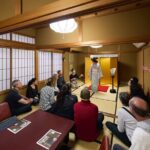
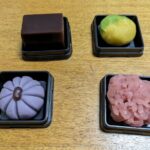
Kanazawa makes sense when you walk with a local. This private tour is built around your interests and pace, not a fixed script, so the city feels clear fast. You also get straight-to-the-point guidance and cultural context as you move from one atmosphere to the next.
I love two things most: the samurai heritage storytelling in Nagamachi, and the chance to slow down in Kenrokuen without feeling rushed. Add in stops tied to Kanazawa’s famous crafts (including gold leaf) and you get a day that’s not just scenic, but explanatory.
One consideration: it’s primarily a walking experience, and food plus attraction tickets aren’t included. If you have mobility issues, check with your host ahead of time, since the route can include uneven old streets and short transfers.
In This Review
- Key things to love about this Kanazawa tour
- How a private walking tour turns Kanazawa into a story
- Price and what you’re really paying for
- Your route starter kit: what you can choose to see
- Nagamachi Samurai District: history you can walk through
- Kenrokuen: garden time with actual pacing
- Gold leaf craft stops: seeing craft culture in motion
- Higashi Chaya District: preserved streets and quiet mood
- Flexible timing: how the 2-hour vs 8-hour options feel
- Getting picked up and finding your meeting point
- What to pack so you enjoy every minute
- Who this tour is best for
- The guide experience: warmth, flexibility, and real communication
- Should you book the Kanazawa City Highlights & Hidden Gems Private Walking Tour?
- FAQ
- How long is the Kanazawa walking tour?
- Is this tour private?
- What’s included in the price?
- Are food, drinks, and attraction tickets included?
- Where do we meet if we don’t do hotel pickup?
- Do we use public transportation during the tour?
Key things to love about this Kanazawa tour
- Private, personalized route shaped by a pre-tour questionnaire and your direct messages with the host
- Nagamachi Samurai District for heritage context, not just photos
- Kenrokuen time where you can actually pause and understand the garden’s layout and mood
- Gold leaf and artisan studio visits tied to craft traditions you can see up close
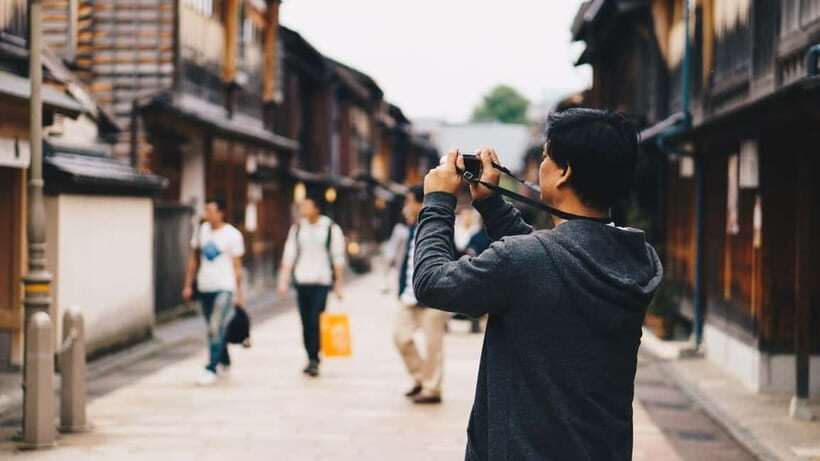
- Higashi Chaya District preserved streets and teahouse ambiance, paced to your style
- Flexible length (2–8 hours) so you can fit it into your day, not the other way around
How a private walking tour turns Kanazawa into a story
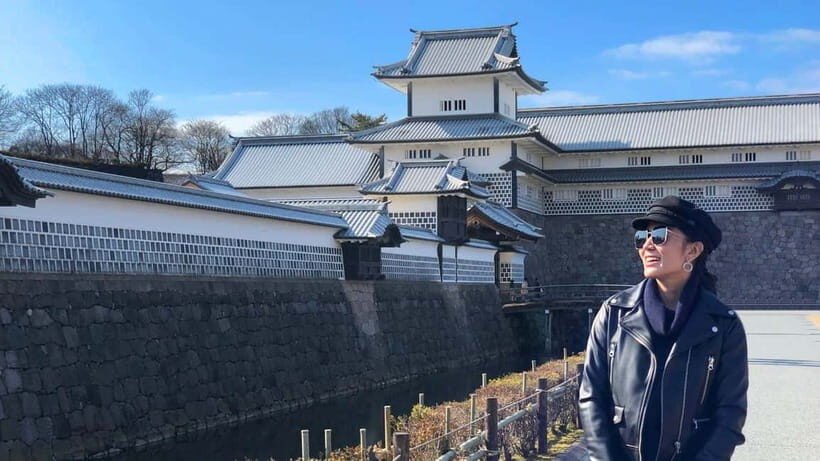
Kanazawa can feel like a set of “nice places” if you only hit highlights from a map. This tour works better because it starts with you. After booking, you fill out a short questionnaire, and your host builds a route around what you actually care about: samurai history, garden calm, artisan crafts, teahouse district streets, or a practical mix.
I like that the guide’s job is not just to point. You’ll get local stories that explain what you’re seeing and why it matters. And because it’s private, you can ask questions mid-walk instead of waiting for the next group stop.
Also, the host can adjust in real time. Some guests mention leisurely pacing and tailoring even when they wanted to skip the most obvious sights. That matters in a city like Kanazawa, where the “in-between” streets often do the heavy lifting.
Other Kanazawa tours and samurai-district walks


Price and what you’re really paying for

At $64 per person, you’re not buying a ticketed attraction. You’re buying planning help, an English-speaking local guide, and a route that can stretch from a compact 2-hour loop to a full 8-hour afternoon.
Here’s the value logic:
- You pay for time with a local who can guide your priorities and explain context as you go.
- You pay for flexibility (start times, duration, and route choices) rather than committing to one fixed itinerary.
- You may save effort because the host communicates with shops on your behalf in some cases, which can reduce awkward guesswork.
What you should budget separately: food, drinks, and attraction tickets. Also, transportation between sites is not automatically included—walking is the core plan, but public transit or taxis can be used at extra cost if your route needs it.
Your route starter kit: what you can choose to see
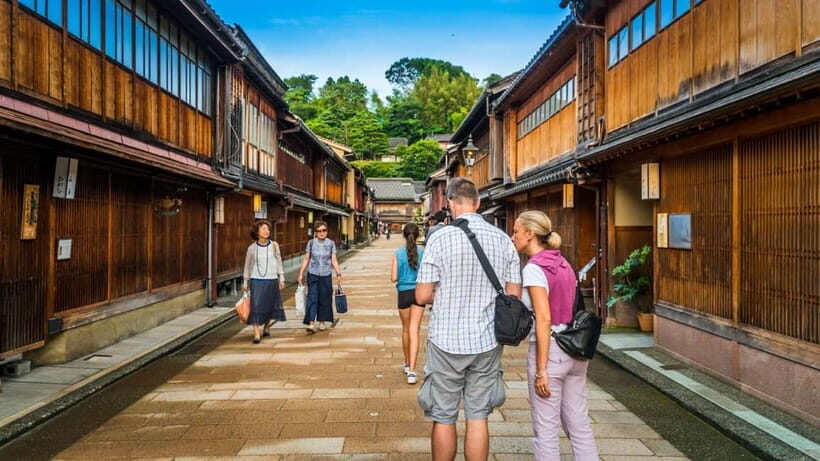
This tour is designed to be personalized, but the main “cores” are very clear from the city’s key neighborhoods and craft scenes. Expect your day to orbit around a few big anchors, plus smaller alley stops that your host likely adds based on your interests.
Common anchors you’ll see in many versions of this experience:
- Nagamachi Samurai District for samurai-era heritage and preserved streets
- Kenrokuen Garden for the slow, reflective side of Kanazawa
- Artisan studios and gold leaf craft workshops tied to local making traditions
- Higashi Chaya District for the atmospheric teahouse neighborhood streets
And then there are the practical “fit it to your day” additions your host may include if it matches your interests, such as nearby castle-area sightseeing or market time. One guest described getting dropped off around the fish market area after a shorter option, which tells you the host can also end your walk where it’s convenient.
Nagamachi Samurai District: history you can walk through
Nagamachi is one of those neighborhoods where the street shapes your understanding. With a private guide, you don’t just pass by. You learn how samurai life connected to the layout and what to notice as you wander.
What I like about this part of the tour is that it gives you a lens. You’ll likely hear stories that make the preserved streets feel functional, not like a museum set. If you care about daily life—status, housing, community structure—this is the stop where those themes usually land best.
Possible drawback: if you’re short on time and only choose the 2-hour option, you may not get deep coverage. In that case, tell your host what you want most (samurai streets vs craft vs garden) so you don’t spend the limited hours just “trying everything.”
Kenrokuen: garden time with actual pacing
Kenrokuen is one of Japan’s Three Great Gardens, and it can be easy to rush it like a checklist. This tour helps because your host can slow you down to match your pace and attention.
When a guide walks you through a garden, you get more than scenery. You start noticing changes in perspective and the logic of paths and views. Even if you’re not a “garden person,” you’ll understand how people use a place like this for quiet observation.
If you’re booking the longer versions (4–8 hours), this is usually a good middle anchor—after you’ve gotten context in Nagamachi and before the teahouse district. If you book the shorter option, ask your host to prioritize the parts of Kenrokuen that best match what you enjoy (quiet corners vs broader sightlines).
Other walking tours we've reviewed in Kanazawa



Gold leaf craft stops: seeing craft culture in motion
Kanazawa’s craft reputation isn’t just a souvenir vibe. Gold leaf is one of those local traditions that looks simple from far away, but takes skill and patience up close. With artisan studio visits, you get a chance to watch the craft culture rather than just read about it.
I like that this tour explicitly includes artisan studios and gold leaf craft workshops, because it adds texture to the day. A garden can be calming, samurai streets can be thoughtful, and then a craft stop gives you hands-on human scale: real work, real materials, and real local know-how.
Practical note: you should expect shop time to affect your pacing. If you’re the type who likes to browse seriously, tell your host early. Some guides can also help with straightforward communication at shops, which can make the experience smoother if you’re unsure what to ask.
Higashi Chaya District: preserved streets and quiet mood

Higashi Chaya District is where Kanazawa turns softer and slower. You’ll walk the preserved teahouse streets and soak up the ambiance in a way that’s hard to recreate alone.
This stop works well because it’s visually rich, but it also benefits from explanations. A good guide helps you see details you’d otherwise miss—street structure, building character, and how the neighborhood functioned. It’s one of those areas where the pace matters. With a private tour, you can linger if something catches your eye or move on quickly if you’d rather keep momentum.
Possible drawback: if you hate photo-stops and slow streets, you should communicate that early. The tour is flexible, but the atmosphere of Higashi Chaya District naturally invites lingering.
Flexible timing: how the 2-hour vs 8-hour options feel

This tour ranges from 2 to 8 hours, and that range changes what you get out of the experience.
- 2-hour option: best for a tight hit of highlights. You’ll likely focus on two main anchors (for example, samurai district + one of the garden or craft areas). Good if you’re combining Kanazawa with nearby day plans.
- 4-hour option: the sweet spot for a balanced loop: samurai context, one big cultural anchor (Kenrokuen), and at least one craft or teahouse add-on.
- 6–8 hours: this is where you start getting comfortable depth. More time for garden pacing, craft browsing, and quieter street detours.
If you have limited time in Kanazawa, don’t try to “cover everything.” Pick your top two themes and let your host build around them.
Getting picked up and finding your meeting point
You can arrange hotel pickup from centrally located hotels, or meet at Kanazawa Station Information Center (1-1-1 Kinoshinbomachi, Kanazawa, Ishikawa 920-0858). That flexibility is useful, especially if you’re arriving from another city and want a low-stress start.
One more practical point: public transport or local taxis may be used between sites, but exact costs are discussed after reservation. Translation: walking is the base plan, but transfers can happen if it improves the route for your preferences and time window.
What to pack so you enjoy every minute
This is a walking tour, so pack for comfort. You’ll want:
- Comfortable shoes
- Hat
- Camera
- Sunscreen
- Water
It sounds basic, but on a long garden-and-streets day, it makes the difference between calm and cranky. If you’re visiting in warmer months, the water and sunscreen are not optional.
Smoking is not allowed during the tour.
Who this tour is best for
I’d send this experience to you if you want Kanazawa to feel understandable. It’s ideal for:
- People who like culture with context, not just photos
- First-timers who want the “right order” of neighborhoods without planning
- Travelers who prefer a slower pace and time to ask questions
- Anyone who cares about crafts (especially gold leaf) and wants to see the work up close
- Solo travelers or couples who want a private guide rather than navigating on their own
If you’re traveling with kids, the walking format can work best with a shorter duration and clear expectations with the host about pace.
If you have mobility concerns, the tour notes wheelchair accessibility but also states it’s not suitable for people with mobility impairments. That combo usually means the safest move is to talk to your host before booking and confirm route details.
The guide experience: warmth, flexibility, and real communication
What consistently shows up in how guests describe their hosts is simple: guides are friendly, easy to talk to, and genuinely tuned to your preferences. People specifically highlighted names like Akari, Megumi, Saki, Katie, Criselda, and Mouri as guides who were fun, knowledgeable, and willing to adjust pace and priorities.
You also get the kind of help that matters in Japan: some guests noted the guide could communicate with shop owners on your behalf. That can turn a potentially awkward moment into a smooth interaction, especially when you’re trying to ask questions in a craft setting.
Even the shorter option seems to benefit from flexibility. One guest described a quick tour where the guide still covered the tea house district and samurai area while ending at a practical spot near the fish market. That’s how private guiding can save time without feeling like you got cut off.
Should you book the Kanazawa City Highlights & Hidden Gems Private Walking Tour?
Yes, if your priority is a Kanazawa day with context and control. This tour is built around flexible choices, and that’s where the value lives. You’re not just moving between famous sites; you’re getting a guided explanation and enough time to enjoy what you pick.
Book it if:
- You want Nagamachi + Kenrokuen + craft culture in one coherent day
- You prefer a guide who adjusts on the fly rather than following a rigid itinerary
- You’re okay paying for guidance while handling tickets and meals separately
Think twice (or message the host first) if:
- You want minimal walking or have mobility challenges that could make uneven streets hard
- You’re expecting food and attraction tickets to be included
If you want Kanazawa to make emotional sense—samurai streets, garden calm, and craft work connected by one thoughtful route—this private walking tour is a strong way to do it.
FAQ
How long is the Kanazawa walking tour?
It runs from 2 to 8 hours, with start times that depend on availability.
Is this tour private?
Yes. It’s a private, personalized walking experience.
What’s included in the price?
You get a private walking experience with an English/Japanese local guide, a pre-tour questionnaire to tailor the route, direct communication with your host for planning, and the option to arrange hotel pickup from centrally located hotels.
Are food, drinks, and attraction tickets included?
No. Food, drinks, and tickets to attractions are not included.
Where do we meet if we don’t do hotel pickup?
You can meet at Kanazawa Station Information Center (1-1-1 Kinoshinbomachi, Kanazawa, Ishikawa 920-0858), or arrange hotel pickup from a central hotel.
Do we use public transportation during the tour?
It’s primarily a walking experience, but your host may use public transportation or local taxis between sites if needed. Any extra transportation costs are discussed with your host after your reservation.