Four hours on an e-bike beats sightseeing stress. This Kanazawa half-day tour strings together the city’s big cultural sights and a few quieter back lanes, with a local guide steering and storytelling as you go. You get a smooth route through places like Higashi Chaya and Kenrokuen, without spending your whole day figuring out transit and crossings.
I especially like the included Kenrokuen entrance and the built-in tea break with matcha and wagashi, which keeps the pace relaxed rather than rushed. One consideration: you do need to feel comfortable riding (or be willing to practice a bit), and e-bikes are not recommended for riders under 145 cm; if weather turns unsafe, the tour may shift to less cycling.
In This Review
- Key highlights on this Kanazawa e-bike tour
- Why This Kanazawa E-bike Loop Works for First-Timers
- Getting Started at Kanazawa Station (Tsuzumi Gate and Motenashi Dome)
- Pedal Into Higashi Chaya: Edo-Era Teahouses and Social Rules
- Kenrokuen Garden With Entrance Included (and a Matcha/Wagashi Pause)
- Kanazawa Castle Ishikawa Gate: Maeda Power and Defensive Design
- Gyokusen’inmaru Garden: A Calmer Counterpoint Behind the Castle
- Nagamachi Bukeyashiki Ruins: How Samurai Neighborhoods Worked
- What Your Guide Adds (Rina, Nicola, Liam, and Ti-Style Storytelling)
- Price and Logistics: Is $125.50 Actually Good Value?
- Who Should Book This E-bike Tour (and Who Should Skip It)
- Should You Book This Tour?
- FAQ
- How long is the Kanazawa half day e-bike tour?
- What does the tour cost?
- Where do I meet for the tour?
- What’s included in the tour price?
- Are entrance fees included for the gardens and castle areas?
- Is the e-bike suitable for small riders?
- What happens if the weather is bad?
Key highlights on this Kanazawa e-bike tour
- Tsuzumi Gate and Motenashi Dome at Kanazawa Station to set the scene fast
- Higashi Chaya tea-house lanes, with context on how the Edo-period teahouse world worked
- Kenrokuen Garden with entrance included, plus a matcha and wagashi tea pause
- Kanazawa Castle Ishikawa Gate and the Maeda clan’s long hold on the city
- Gyokusen’inmaru Garden for a calmer, tucked-away counterpoint to Kenrokuen
- Nagamachi Bukeyashiki ruins that explain samurai-area life through the streets and canal edges
Why This Kanazawa E-bike Loop Works for First-Timers
Kanazawa can feel like two cities at once: polished gardens and castles in the foreground, then samurai streets and geisha districts just a few turns away. This tour handles that mix well. You’re not just ticking off landmarks. You’re moving between them in a way that makes the city’s geography make sense.
The e-bike part is the real time-saver. Instead of choosing between a long walk or a bus-and-train puzzle, you get steady progress with room for explanation, photos, and short pauses. With a small group (up to 8 people), the guide can keep the pace human and adjust if you want a slower look at a garden detail or more time at a viewpoint.
The “value” here is not only the sights. It’s that entrance fees and a tea snack stop are folded in, so you’re not constantly checking what costs extra. At $125.50 per person for about 4 hours, it’s best seen as a guided experience with transport built in—less effort for you, more structure for your day.
Other Kanazawa tours and samurai-district walks

Getting Started at Kanazawa Station (Tsuzumi Gate and Motenashi Dome)
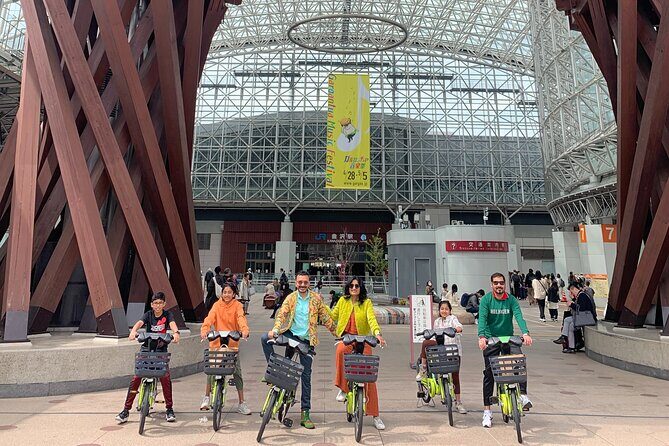
You begin at McDonald’s near Kanazawa Station: 1-1-1 Kinoshinbomachi, Kanazawa, Ishikawa 920-0858. It’s a handy meeting point because the station area is easy to orient around, and you start with a clear “where am I?” moment before you roll out.
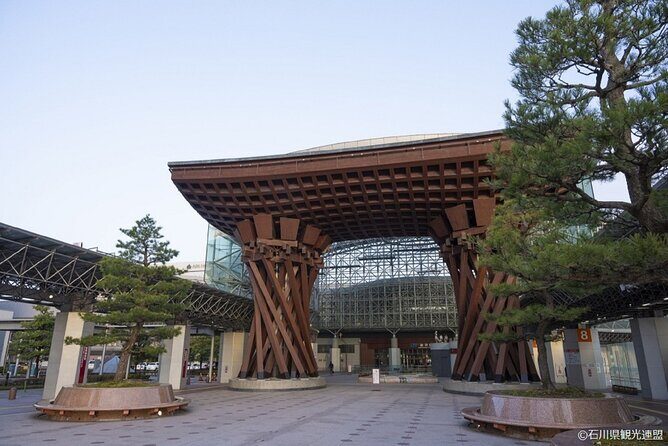
Right away, the tour uses Kanazawa Station’s standout features—the Tsuzumi Gate and the Motenashi Dome—as a visual warm-up. That matters because Kanazawa’s main districts spread out more than you might expect. Getting oriented at the start makes later turns feel less random and more logical.
This first stop is also short (about 30 minutes), which keeps momentum. One practical tip: if you’re new to e-bikes, use this early time to get comfortable with how the bike responds. That comfort pays off once you’re near narrower lanes and busier intersections.
Pedal Into Higashi Chaya: Edo-Era Teahouses and Social Rules
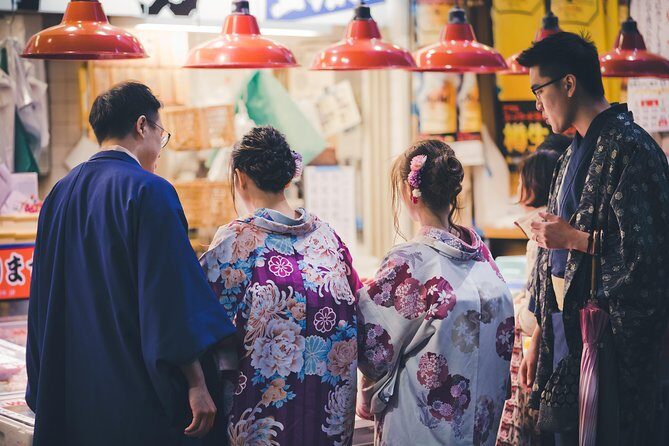
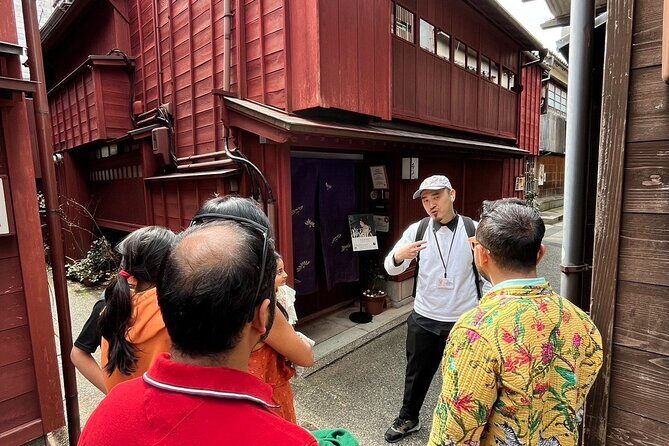
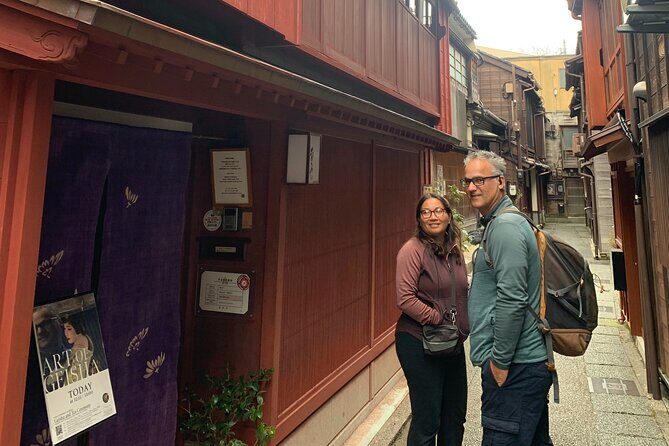
Higashi Chaya is the kind of place where you can almost hear the footsteps of another era. The tour rides you into one of Japan’s best-preserved geisha districts, and the guide fills in what you’re seeing beyond the wooden façades and candle-lit mood.
The key is context. The stop focuses on how chaya (teahouses) functioned and the social hierarchy around the area. Even if you don’t know the terminology, you’ll understand the idea: this wasn’t just entertainment. It was structured, with clear roles and expectations.
Expect about 1 hour here. That’s a good length for slow viewing because you’ll likely want to stop for photos without feeling rushed. A drawback to be aware of: this district is famous, so you’re still sharing space with other visitors. The benefit is that you’re there as part of a guided route, which helps you avoid walking in circles.
Kenrokuen Garden With Entrance Included (and a Matcha/Wagashi Pause)
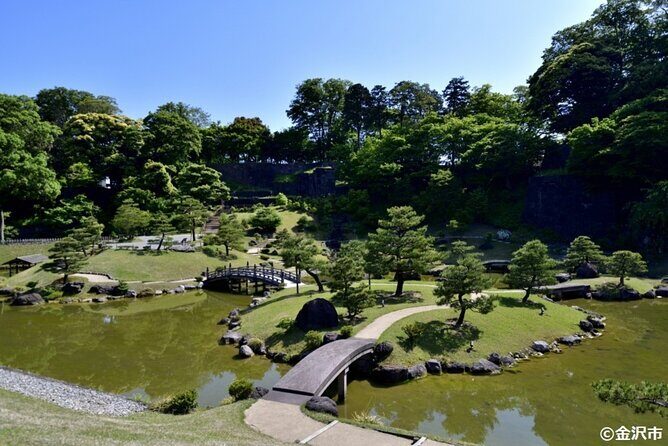
Kenrokuen is one of Japan’s Three Great Gardens, and the tour uses that fame in a smart way. The guide doesn’t treat it like a “pretty park and done” stop. You’ll get an explanation of feudal-era garden design choices—how paths guide your sightlines and how the garden is built for changing viewpoints.
Admission is included, so you don’t have to scramble for tickets. The stop is about 1 hour, which is enough to walk the core areas at a comfortable pace without turning it into a marathon.
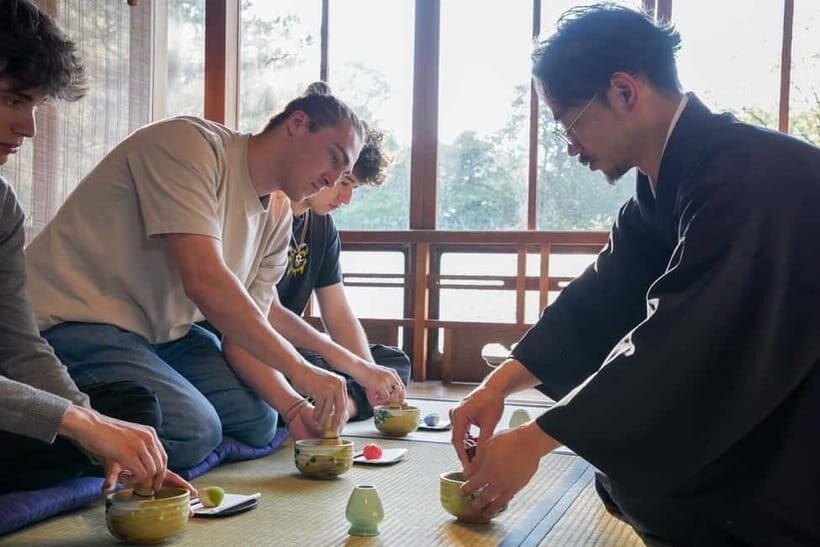
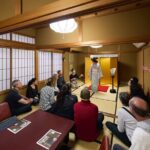
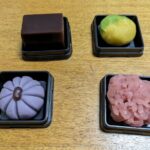
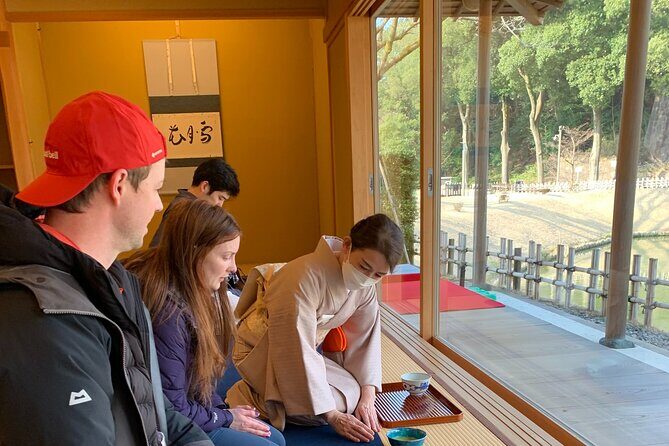
The best part for many people is the planned break: a tea moment with matcha and traditional wagashi. This is where the day gets less about movement and more about atmosphere. When you’re cycling earlier, your legs are working; when you slow down inside Kenrokuen, you can reset.
If you’re sensitive to crowds, aim to take your time at popular viewpoints during the quieter windows your guide creates. A guided pace can help you land in the spots when they feel most enjoyable, not when they’re at their most packed.
Kanazawa Castle Ishikawa Gate: Maeda Power and Defensive Design
After Kenrokuen, you circle toward Kanazawa Castle’s Ishikawa Gate. This is a key historical area because it ties directly to the Maeda clan, who ruled Kanazawa for over 280 years. In other words, you’re not just looking at walls—you’re looking at long-term power made visible.
The tour spends about 30 minutes around the castle area, and it focuses on architecture and how it was built to last. You’ll hear details like fire-resistant storehouse ideas and the maze-like way internal spaces work. That kind of information changes how you read the building layout. A gate stops being a photo background and starts feeling like part of a defense system.
Practical note: if you’re taking lots of pictures, this is the stop where time can disappear quickly. The upside is that the guide’s commentary makes it worth slowing down. The downside is you may feel a little tug to linger after the time window—so try to treat the 30 minutes as a “best-of” slice and keep your energy for the garden contrast next.
Other cycling tours in Kanazawa
Gyokusen’inmaru Garden: A Calmer Counterpoint Behind the Castle
Gyokusen’inmaru Garden sits tucked behind the castle grounds, and that location shapes the experience. It’s less “big famous attraction” and more quiet, meditative. The tour frames it as a former private garden of the feudal lord, recently restored using historical records.
The stop is about 30 minutes, and that length is perfect here. This is a place to slow down, look at the garden edges, and let your brain stop scanning for the next highlight. Compared to Kenrokuen, it feels like an exhale. If Kenrokuen is your “grand garden,” Gyokusen’inmaru is your “how would daily life feel here?” moment.
One consideration: because it’s calmer, you’ll get more out of it if you’re in a patient mindset. If you’re the type to rush through green spaces for the next photo, this stop might feel quieter than you want. But if you enjoy reflective corners, it’s a smart addition.
Nagamachi Bukeyashiki Ruins: How Samurai Neighborhoods Worked
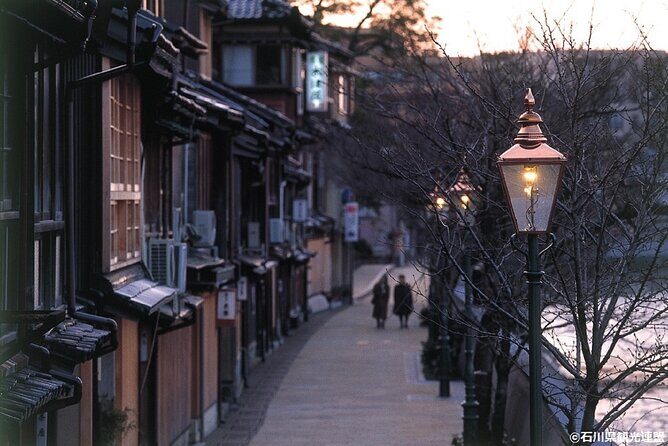
Next comes Nagamachi, the well-preserved samurai quarter. The tour specifically points you toward the ruins of Nagamachi Bukeyashiki, where you can see the stone-paved lanes, earthen wall structures, and the street pattern that shaped daily movement.
This part matters because “samurai history” is easy to turn into costumes and sword fantasies. Here, the emphasis is on real neighborhood function: the elite warrior class lived in a specific kind of built environment, and the area’s canals and lane layout reflect that.
The stop is around 30 minutes, and you’ll also get explanations about how samurai adapted as times changed. That’s a useful angle because it makes the area feel less like a museum and more like a living transition point in Japanese history.
If you’re curious about architecture and city planning, you’ll probably enjoy this stop more than you expect. It’s not as visually dramatic as castle walls, but it gives you a sense of how people actually navigated daily life.
What Your Guide Adds (Rina, Nicola, Liam, and Ti-Style Storytelling)
This tour’s biggest strength is the guide. Names you may see include Rina, Nicola, Liam, and Ti, and they share a common theme: they connect the city’s layout to the stories behind it.
In practice, that means you get more than a few facts. You get explanations that help the sights click. One group reported that Rina was patient enough to help them practice after a long break from biking. Another highlighted Nicola’s friendly, fun leadership and the way the route added practical eating ideas.
You’ll also get helpful stay advice that extends beyond the tour. That can be underrated value. For example, if you’re only in Kanazawa for one or two days, your guide’s directions for what to do next can save you from wasting time on the wrong corner.
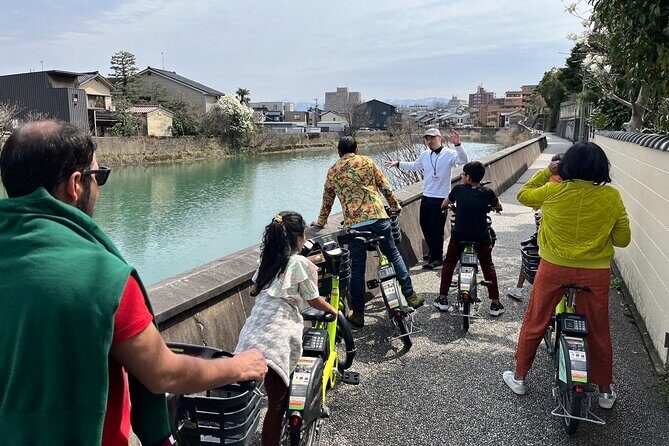
Also, small details matter: helmets can be available upon request, and the route is set up to keep you from being dumped into the busiest streets. If you’re anxious about cycling in an unfamiliar country, those choices make the day feel more manageable.
Price and Logistics: Is $125.50 Actually Good Value?
At $125.50 per person for about 4 hours, the price is fair when you consider what’s included. You get electric bicycle rental, a local guide, entrance fees, plus traditional Japanese snacks and matcha. That bundle matters because garden/castle entrances add up fast, and a guide is the difference between wandering and understanding.
The tour is designed as a group experience with a maximum of 8 people. That size is big enough to feel social, but small enough that you can still ask questions and stop when something catches your eye.
You meet near Kanazawa Station, and the tour ends in a different location. That can be a minor annoyance if you were hoping for a perfect return loop, but it also can be a plus: it may drop you closer to your next plan without forcing backtracking.
The biggest logistics consideration is weather. Cycling tours can be canceled due to rain, snow, strong winds, or unsafe road conditions. In those cases, the plan can shift to less cycling (like public transport and walking) so you still get the sightseeing value.
Who Should Book This E-bike Tour (and Who Should Skip It)
This is a great fit if:
- You want a guided overview of Kanazawa’s top cultural areas in half a day.
- You’re short on time and hate transit puzzles.
- You enjoy history told through streets and architecture, not just plaques.
- You like a balanced mix: geisha district, major garden, castle area, and samurai quarter.
It may not be the best fit if:
- You want complete freedom to roam far off-route on your own schedule.
- You dislike any cycling at all, even with an electric assist.
- You fall under the height guidance: e-bike not recommended for riders under 145 cm.
If you’re traveling with kids or older adults, double-check comfort with riding first. The good news is that the tour has support for getting started, and guides are used to helping people settle in.
Should You Book This Tour?
I’d book it if you want a clear Kanazawa game plan with less wasted time. The route hits the landmarks people come for, but it also leans into the stories that explain why those places matter. The tea break with matcha and wagashi is a smart reset, and the pacing avoids the get-up-run-around feeling that can ruin a short visit.
I wouldn’t book it only if cycling is a hard no for you or if your group needs a fully independent schedule. Otherwise, this tour is one of the simplest ways to get your bearings fast and start understanding Kanazawa as more than just photos.
FAQ
How long is the Kanazawa half day e-bike tour?
The tour runs for about 4 hours.
What does the tour cost?
The price is $125.50 per person.
Where do I meet for the tour?
Meet at McDonald’s, 1-1-1 Kinoshinbomachi, Kanazawa, Ishikawa 920-0858, Japan.
What’s included in the tour price?
Electric bicycle rental, a local guide, entrance fees, and traditional Japanese snacks with matcha.
Are entrance fees included for the gardens and castle areas?
Yes. Entrance fees are included, including for Kenrokuen Garden and Gyokusen’inmaru Garden.
Is the e-bike suitable for small riders?
E-bikes are not recommended for riders under 145 cm.
What happens if the weather is bad?
For safety, tours may be canceled due to rain, snow, strong winds, or unsafe road conditions. If canceled due to poor weather, you’ll be offered a different date or a full refund.