Kanazawa can feel like time travel. This private day is built around the big sights, but it’s the human details that make it sing: you’ll walk with an English-speaking guide through the old samurai world, then slow down for Kenrokuen and Kanazawa Castle. I like that the route balances showpieces with quieter meaning, including a stop at the D. T. Suzuki Museum to connect Zen thought to this city. I also like that the tour stays small (up to 8), so guides such as Yumiko, Yuri, Kazu, Makiko, and Toshiko can answer questions and adjust the pace.
One thing to plan for: you’ll be on uneven surfaces and along paths that can feel hilly, so it’s not the right fit if you have walking limits. If winter weather is severe, the day may shift too, so keep your expectations flexible.
In This Review
- Key highlights worth carving time for
- A 7-hour Kanazawa walk with room for real questions
- First stop: Omicho Market and Kanazawa’s everyday rhythm
- Kanazawa Castle: Maeda power, 1583 to 1869
- Kenrokuen Garden: why people remember this kind of calm
- D. T. Suzuki Museum: Zen philosophy with Kanazawa roots
- Nomura Family Samurai House: see the daily life behind the armor
- Private-guide value: how the best days feel less like a script
- Price and what you’re really paying for
- Timing, weather, and how to dress for Kanazawa’s walking paths
- Who this tour is best for (and who should skip it)
- Should you book this Kanazawa private tour?
- FAQ
- FAQ
- How long is the Kanazawa private tour?
- Is hotel pickup and drop-off included?
- How big is the group?
- Are admissions included for the main stops?
- Do I need to pay for bus tickets during the day?
- Is food included?
- Is there a vegetarian option?
- What should I wear for this tour?
- What happens if weather is bad in winter?
Key highlights worth carving time for
- Small-group private format: up to 8 people per booking, with your own guide
- Castle plus Kenrokuen: two of Kanazawa’s star sights without rushing
- D. T. Suzuki Museum stop: Zen ideas tied to a philosopher born in Kanazawa
- Samurai-house visit: Nomura Family Samurai House shows how life worked, not just armor and weapons
- Omicho Market intro: quick, practical way to understand what locals eat and buy
- Hotel pickup and drop-off: easier start, less wasted time
A 7-hour Kanazawa walk with room for real questions
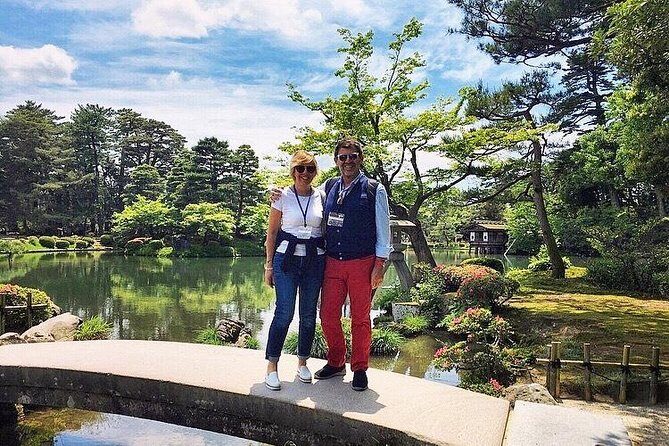
This is a private tour designed to fit into a day without turning Kanazawa into a checklist. You start with pickup (available), then spend about seven hours touring on foot with bus rides included between stops. You’re not crammed into a huge group, and that matters in a city where the best moments are often small: a doorway detail, a view from a bridge, a story that makes the place click.
Also, this isn’t just a history lecture. The guide experience is where you get value. People consistently highlight guides like Yumiko and Yuri for strong English and for caring about the city. And even when the schedule is set, you’ll usually have space to ask questions and steer the day a bit, whether that’s about daily life in old Kaga or how to handle a specific route once you’re back on your own.
If you like structure, you’ll get it. If you like spontaneity, the small-group format helps you ask for it.
Other Kanazawa tours and samurai-district walks

First stop: Omicho Market and Kanazawa’s everyday rhythm
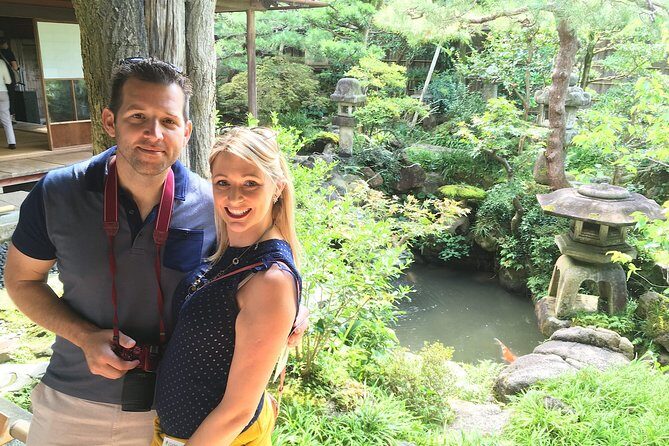
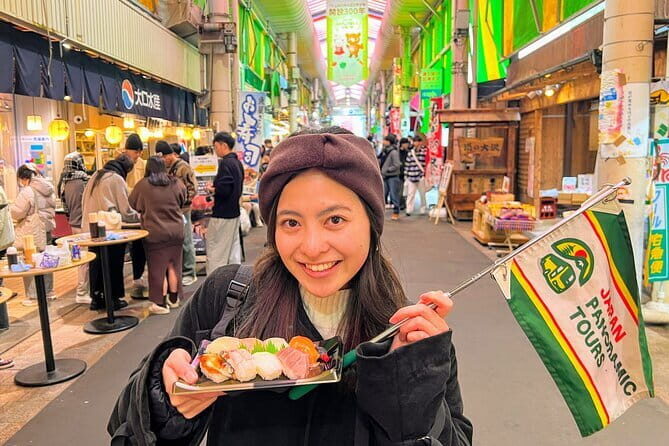
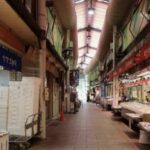
You begin at Omicho Market, a favorite local hub people describe as the kitchen of Kanazawa citizens. It’s known for seasonal produce and seafood, and the market vibe helps you understand the city beyond temples and gardens.
What I like about starting here is simple: it gives you a quick sense of what’s local and current. Before you head into samurai neighborhoods and palace-like grounds, you get the human side of Kanazawa—what people buy when they’re not visiting monuments.
Practical note: your time here is about 40 minutes, and admission is free. That’s long enough to wander, see what’s in season, and grab a snack if you want—short enough that it won’t swallow your day. Since food and drinks aren’t included, treat this stop as a chance to sample if your budget allows, or just to people-watch and learn the “who buys what” logic.
Kanazawa Castle: Maeda power, 1583 to 1869
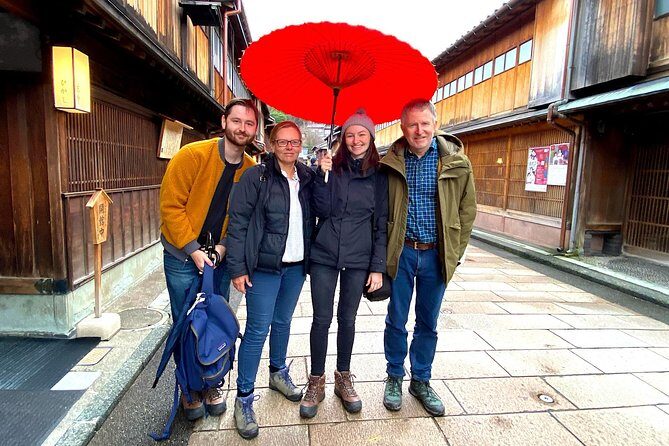
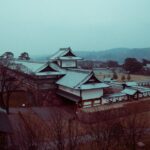
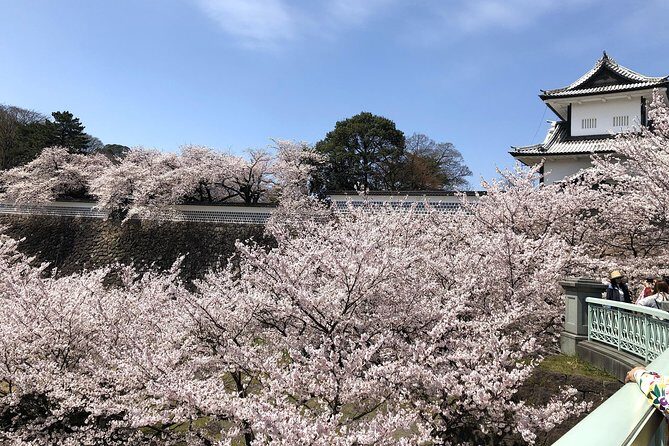
Next comes Kanazawa Castle, an iconic symbol of the Kaga region. The castle was built in 1583 by Toshiie Maeda and served as the residence for the Maeda family through 1869. Even if you’ve visited other Japanese castle sites, this one feels a little different because the focus is on the role of the ruling family and the way the castle complex shaped governance.
Your stop is about 45 minutes, with admission included. That’s a good length if you like to look at details but also don’t want to get trapped reading every sign. You’ll have time to orient yourself, spot major structures, and connect what you’re seeing with the broader story of Kaga Hyakumanges—the castle as a symbol of authority and planning.
A helpful mindset for this stop: don’t only think about defense. Think about lifestyle and administration—how a residence becomes a command center. A good guide can connect that theme fast, which is a big reason this tour format feels more satisfying than a quick self-guided pass.
Kenrokuen Garden: why people remember this kind of calm
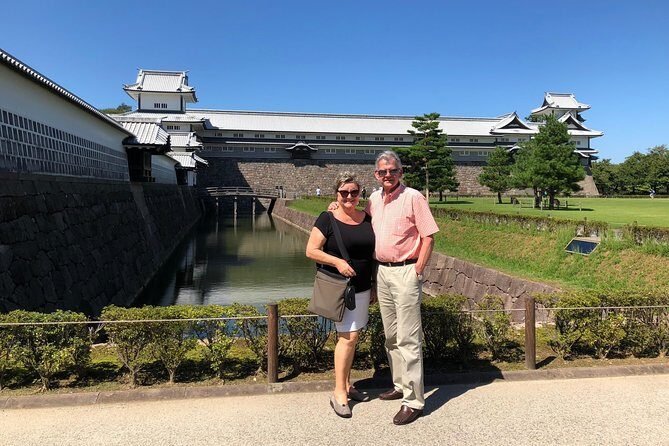
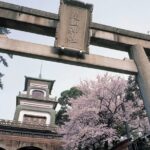
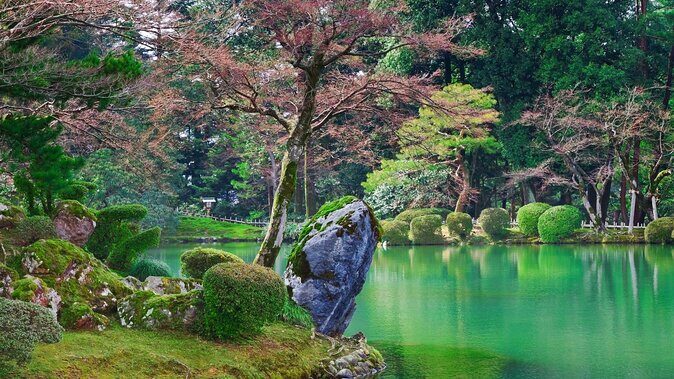
Then you’ll step into Kenrokuen, one of Japan’s three most famous national gardens. It’s famous because it aims to look good in every season, and the winter views are especially celebrated here. The garden’s design is the point, but it’s also a break from the urban pace: you’ll have about an hour to walk, pause, and reset your senses.
Admission is included. That matters because gardens can be “gotcha” cost-wise if you’re stitching together tickets on your own. It also means you can focus on the experience rather than budgeting mid-day.
What I like about Kenrokuen on a guided tour is how it helps you look. A guide can point out what to watch for—shapes, sightlines, and the ways water, paths, and seasonal plants work together. You can absolutely enjoy it on your own, but with a guide you’re more likely to notice why the garden is famous, not just that it’s pretty.
If you’re short on time in Kanazawa, this is one of the stops that earns its slot.
D. T. Suzuki Museum: Zen philosophy with Kanazawa roots
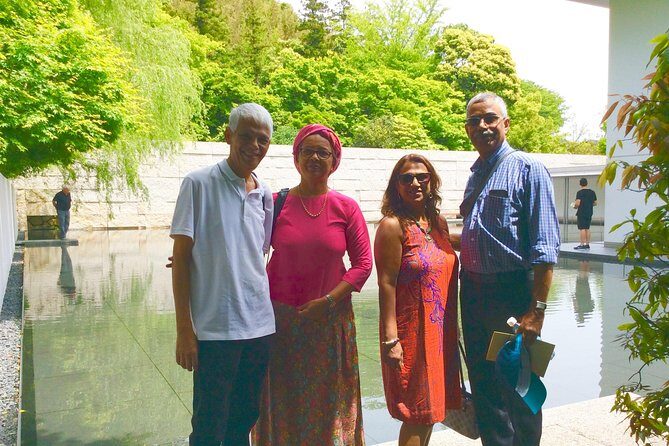
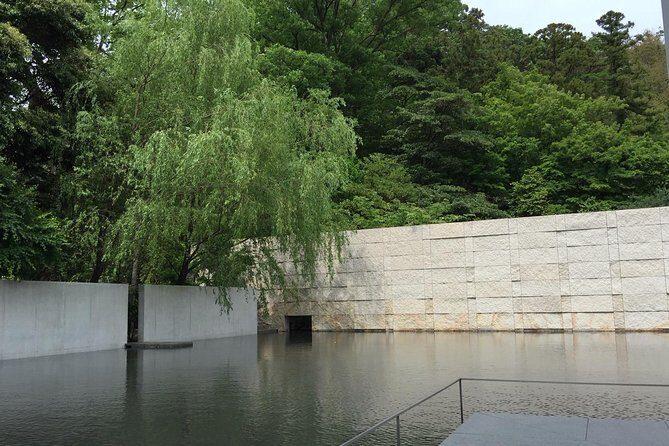
Next is the D. T. Suzuki Museum, which connects Zen culture to a person tied directly to this city: Suzuki Daisetsu, a world-famous Buddhist philosopher born in Kanazawa. The museum is designed around his ideas and how they helped Zen culture reach abroad.
Your visit is about 50 minutes, with admission included. That’s enough time to get the big concepts without turning the stop into a marathon. And even if you don’t consider yourself a philosophy person, it adds meaning to the rest of the day. Gardens and temples aren’t just scenic; they’re often built on ideas about discipline, attention, and life.
What makes this stop feel like more than a random museum add-on is the location logic. Kanazawa’s culture isn’t only about ruling families and samurai districts. It also has intellectual threads, and this museum gives you one tangible way to see those threads.
Other private tours in Kanazawa





Nomura Family Samurai House: see the daily life behind the armor
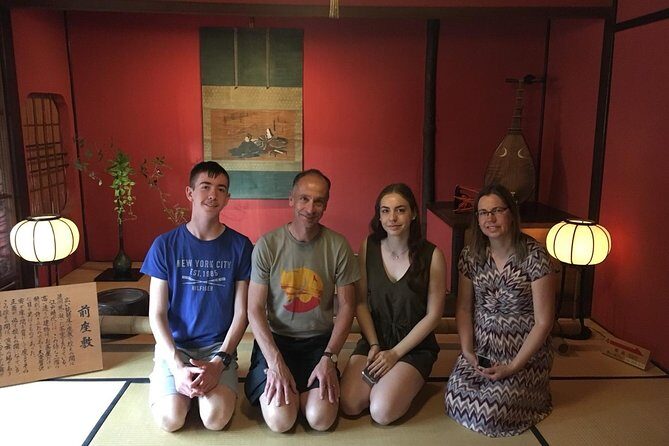
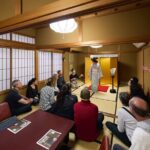
After the museum, you’ll visit the Nomura Family Samurai House. This is where the day shifts from “important buildings” to “how people lived.” The house is described as beautifully preserved, with a lovely garden and displays meant to teach you about earlier life in the city and in this part of Japan.
Your time here is about 50 minutes, with admission included. If your main interest is history, this is one of the best value stops because it tends to answer questions you didn’t know you had. Not just who the samurai were, but how their world worked in day-to-day reality.
A good guide helps you read the room. Look for the way spaces are arranged, how the home connects to the garden, and what the displays emphasize about routine and status. In a day that also includes castle walls and a national garden, this stop gives you the human scale.
Private-guide value: how the best days feel less like a script
A lot of tours sell “private” as a buzzword. Here, you actually feel it in the pacing and in the Q&A. Many guide comments point to strong English and to guides who love Kanazawa and explain it clearly. People also describe customizations, like adjusting to interests and food tastes.
You might even get helpful practical extras. Some guides are said to handle small needs such as train station help with travel plans or assisting with reservations for a nearby sight like a Ninja temple. That stuff isn’t listed as a guarantee, but the pattern is consistent: the guide isn’t just walking you from A to B. They’re helping you make the day work.
My tip: before the tour starts, tell your guide what you care about most—gardens, samurai life, Zen culture, or photo time. You’ll get a smoother day if they know your priorities upfront.
Price and what you’re really paying for
At $171.73 per person for roughly seven hours, this is not the cheapest way to see Kanazawa. But it often lands in the “worth it” category because several costs are handled for you: an English guide, hotel pickup and drop-off, all fees and taxes, and bus tickets are included. You’re also getting admissions included at key stops like Kanazawa Castle and Kenrokuen (and admission included for the D. T. Suzuki Museum and the Nomura Family Samurai House).
So the value equation looks like this: you pay for convenience plus guided time. The tour is designed so you don’t have to juggle tickets, transit, and translations while trying to make sense of multiple major sites in one day.
For solo travelers or couples, private tours can feel pricey compared to group buses. But if you hate rushing and you want your questions answered, the cost makes more sense. This is especially true in Kanazawa, where the best experiences often come from understanding context—not just collecting photos.
Timing, weather, and how to dress for Kanazawa’s walking paths
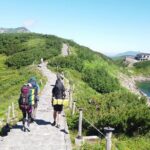
This tour includes walking on uneven surfaces and mentions mountain paths. That’s your cue to wear shoes that are easy to walk in and suited to longer stretches. Keep your day pack light. If you’re carrying a heavy bag, you’ll feel it.
The day is also weather-dependent. During severe winter weather, the agenda may change. That doesn’t mean the tour disappears—it means you should expect some flexibility if conditions are rough. Planning wise, it’s smart to leave room on your schedule so you can adjust rather than stacking too much.
If you have mobility concerns, take the uneven-surface warning seriously. This doesn’t sound like a sit-most-of-the-time tour.
Who this tour is best for (and who should skip it)
This tour is a great fit if you:
- want a focused highlights circuit without running between far-apart places on your own
- care about context and explanations, not just walking past famous sights
- prefer small groups (up to 8) and the ability to ask questions
- like mixing big landmarks (castle, national garden) with quieter cultural stops (Zen museum, samurai house)
You might skip or choose a different format if you:
- have limited walking ability or need flatter, easier paths
- want a completely free-flow day with lots of independent wandering and no set order
- are hoping food will be included (it’s not; you’ll handle meals yourself)
Should you book this Kanazawa private tour?
I’d book it if you want Kanazawa’s highlights packaged into a smooth day with a guide who can explain what you’re seeing—especially if it’s your first time in town. The combination of Kanazawa Castle, Kenrokuen, the D. T. Suzuki Museum, and the Nomura Family Samurai House hits the main cultural notes: power, aesthetics, ideas, and everyday life.
I’d hesitate if walking uneven paths is a problem for you or if winter weather is an unknown for your dates. Otherwise, this is the kind of tour that helps you get your bearings fast and leaves you with stories you can actually repeat.
FAQ
FAQ
How long is the Kanazawa private tour?
It runs about 7 hours.
Is hotel pickup and drop-off included?
Yes. Hotel pickup and hotel drop-off are included.
How big is the group?
It’s limited to a maximum of 8 people per booking, and it’s private for your group.
Are admissions included for the main stops?
Yes. Admission is included for Kanazawa Castle, Kenrokuen Garden, the D. T. Suzuki Museum, and the Nomura Family Samurai House. Omicho Market has free admission.
Do I need to pay for bus tickets during the day?
Bus tickets are included.
Is food included?
No. Food and drinks are not included.
Is there a vegetarian option?
Yes. A vegetarian option is available if you request it at booking.
What should I wear for this tour?
Wear shoes that are easy to walk in. You’ll walk on mountain paths and uneven surfaces.
What happens if weather is bad in winter?
During severe winter weather, the agenda may be subject to change.