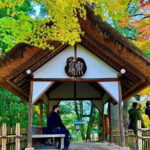
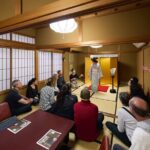
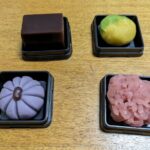
Kanazawa has a way of slowing you down. This private tour is built to help you see the city’s big landmarks without rushing past what makes them tick. You get a local English-speaking guide and a plan that can flex to your pace, from classic gardens to old districts and photo-friendly market streets.
I especially like how the itinerary hits Kenrokuen Garden and Higashi Chaya District—two places where the mood changes fast, depending on the season and the time of day. The second thing I love is the guide’s hands-on help: in real tour moments, guides like Masako-san and Sophie have helped with photo stops and even practical extras like a stamp rally push at Kanazawa Castle.
One drawback to consider: entry fees, transportation, and food aren’t included, so your total day cost can rise a bit once admissions and lunch are in the mix. If you’re on a strict budget, plan those costs up front.
In This Review
- Key things you’ll notice on this tour
- Kanazawa in a few hours: why a private guide changes everything
- Kenrokuen Garden: what you’ll learn besides the scenery
- Kanazawa Castle Park: samurai context without turning it into a lecture
- Higashi Chaya District: tea shops, old wooden streets, and the right kind of time
- Omicho Market: how to turn a market walk into a lunch plan
- 21st Century Museum of Contemporary Art: modern Kanazawa that still fits
- How the guide handles the real work: pacing, photos, and navigation
- Price and value: what $49 per person really means for your day
- Who this Kanazawa tour fits best (and who might pass)
- Should you book this private Kanazawa walking tour?
- FAQ
- How long is the Kanazawa private custom tour?
- Is the tour guided in English?
- What’s included in the price?
- Are entry fees and lunch included?
- Is pickup included?
- Is the tour wheelchair accessible?
Key things you’ll notice on this tour
- A true private walking format: you’re not stuck with a fast group pace, and the guide can adjust on the fly.
- Kenrokuen + Castle in one connected story: samurai-era context makes the garden and park feel less random.
- Higashi Chaya District at the right rhythm: you get time to look, not just pass through.
- Omicho Market as a practical anchor: it’s useful for snacks and for choosing seafood lunch options.
- Modern Kanazawa included: 21st Century Museum fits well if you like contemporary art with a clear sense of place.
- Guide support that’s more than facts: photo help and route notes matter when you’re moving through town.
Kanazawa in a few hours: why a private guide changes everything
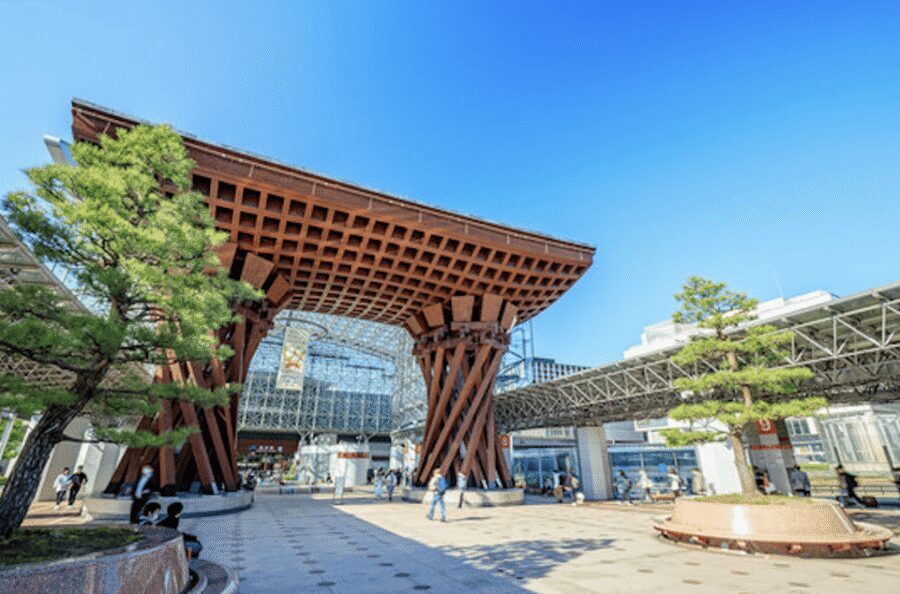
Kanazawa is the kind of city where a little context goes a long way. The lanes in Higashi Chaya aren’t just pretty streets—they’re part of how the city kept cultural identity alive. The castle area isn’t just ruins and views—it’s how you make sense of why the city grew the way it did. With a private walking tour, you’re not guessing. You’re following a guide who can connect the dots as you go.
The biggest value here is that the guide is English-speaking and focused on you. Guides in past bookings (like Masako-san and Sophie) were praised for clear communication and for adjusting the day around what people wanted to see. That matters in Kanazawa because some sights look similar from far away, but feel totally different when you know what to look for.
Timing is flexible in the 2 to 7 hour range, so you can pick a shorter “highlights” version or a more relaxed loop that includes extra stops. It’s also not just a list of places—your guide can add “what to notice” moments that make the city feel more personal and easier to remember.
Other Kanazawa tours and samurai-district walks

Kenrokuen Garden: what you’ll learn besides the scenery
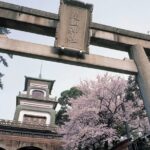
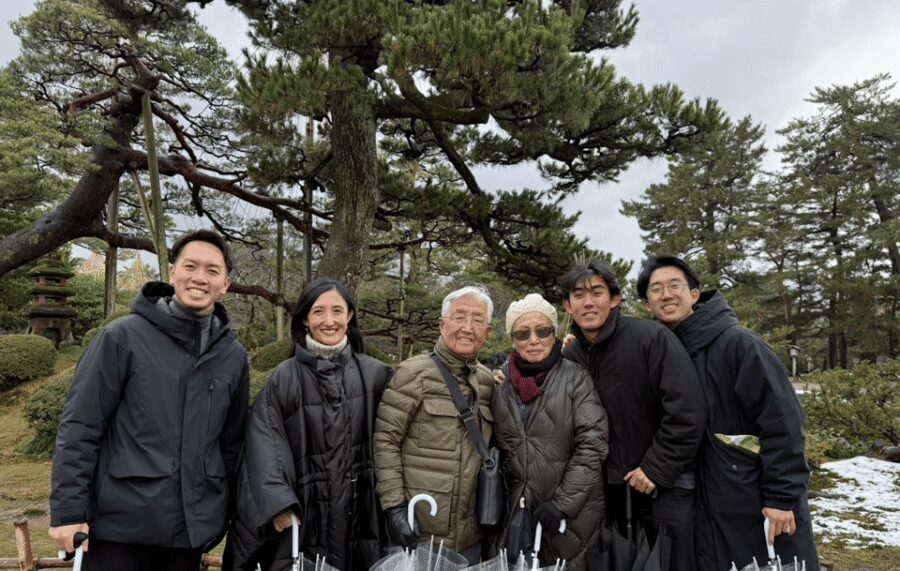
Kenrokuen Garden is one of Japan’s best-known landscape gardens, and yes, it’s famous for a reason. But the experience gets better when someone helps you read it. A good guide points out how the paths guide your viewpoint and how different areas are designed for distinct viewing angles. Even if you’ve seen photos before, the pacing of a guided walk helps you slow down at the right spots.
On this tour, Kenrokuen fits early or mid-day depending on your timing, which is smart. In a garden like this, light and foot traffic change how comfortable it feels. The guide’s job is to keep you from “garden fatigue”—where you end up staring at everything and remembering nothing.
A practical tip: if you’re traveling with camera-heavy plans, tell your guide early. One booking highlighted photo help in Higashi Chaya, and the same kind of support is exactly what helps in Kenrokuen too, where you’ll want steady framing without disrupting other visitors.
Kanazawa Castle Park: samurai context without turning it into a lecture
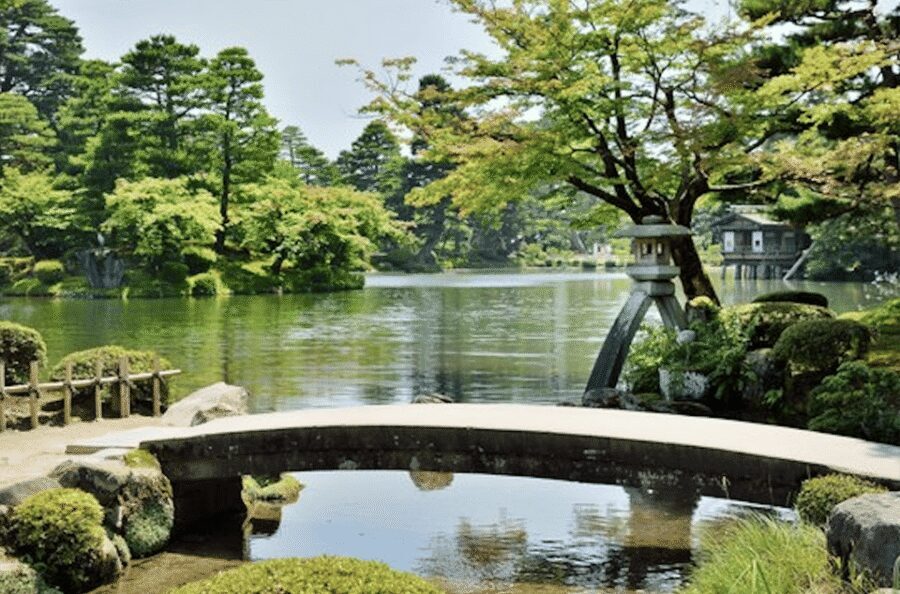
Kanazawa Castle and its adjacent park are a strong second anchor on the day. The castle area is not just a photo stop. It’s a place where you can connect the city’s identity to the social order that shaped it. With a guide, you’ll hear stories that make the grounds feel purposeful, not just historical.
In at least one booking, the tour included help with a stamp rally at Kanazawa Castle. That’s a small detail, but it changes your experience: you walk more intentionally, you slow down at specific points, and you end up interacting with the site rather than just scanning it from one corner.
There’s also a comfort factor. When you’re moving between Kenrokuen and the castle area, a guide helps you keep your energy. Instead of checking your phone every few minutes, you’re listening and walking with fewer decision points. That’s especially valuable if you want time left for markets, tea houses, or the museum.
Higashi Chaya District: tea shops, old wooden streets, and the right kind of time
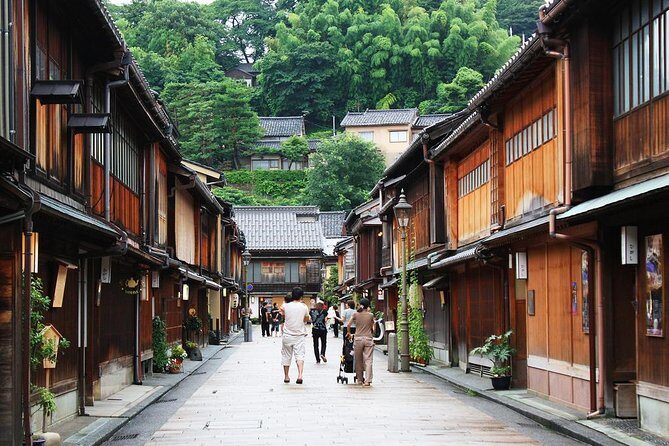
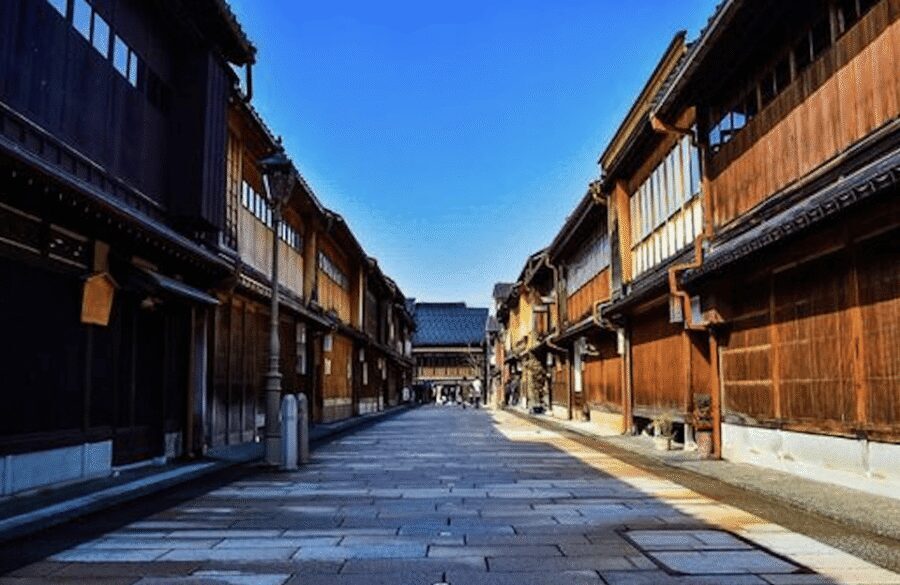
Higashi Chaya District is where Kanazawa feels most cinematic. The well-preserved geisha houses and traditional tea shops can feel like a step into another era, but what matters is how you move through it. On a private tour, you can take the streets at a human speed—glancing, pausing, and learning the meaning of what you’re seeing.
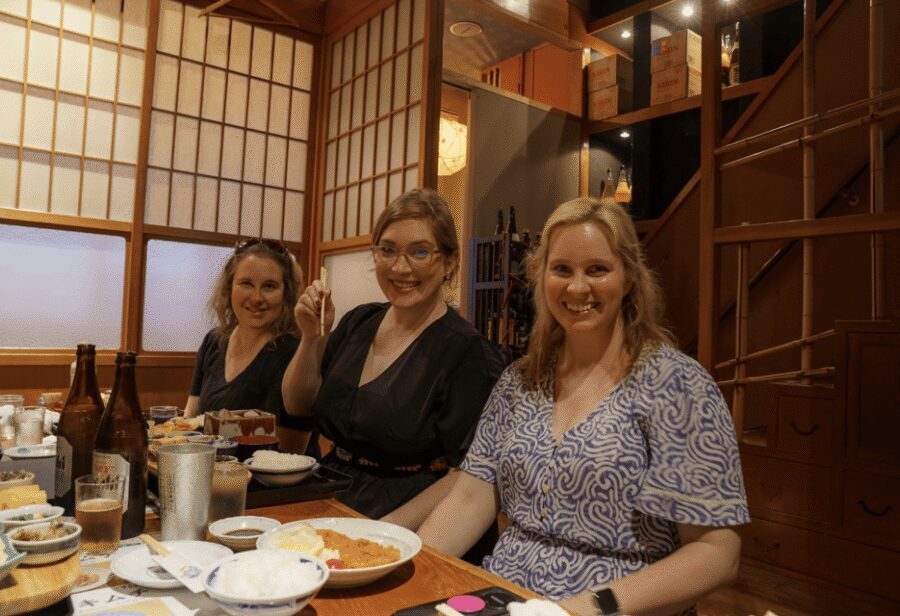
One highlight from real experiences: a guide helped with a fun stop in the district, including gold leaf ice cream. That’s the kind of Kanazawa-specific treat that makes the walking feel worthwhile, especially if you’re already spending time in tea-shop neighborhoods. Another guide also helped people complete a stamp rally at Kanazawa Castle, which creates a nice “reward loop” across different stops.
If it’s raining or the weather is off, a flexible guide helps you avoid the frustration of being stuck in the wrong places. One booking specifically praised planning that worked even on a rainy morning. That’s the difference between following an inflexible route and having someone who can reroute your time without cutting key highlights.
Omicho Market: how to turn a market walk into a lunch plan
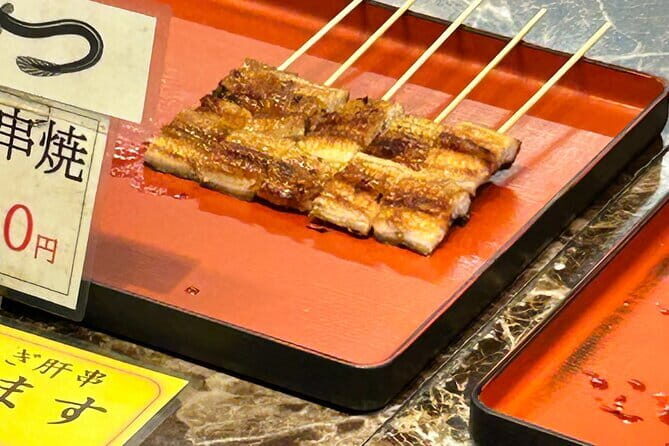
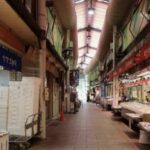
Omicho Market is practical Kanazawa: seafood-focused, energetic, and full of quick choices. Even when you don’t buy much, it’s a strong visual introduction to how local food culture shows up in everyday life.
This tour often pairs the market with lunch options. Lunch isn’t included, but the guide can point you toward good seafood choices at a local market or restaurant. If you like eating where the locals shop, this is one of the easier ways to do it without getting overwhelmed by menu chaos and line decisions.
A smart way to use Omicho during your tour:
- Ask your guide what to prioritize if you want seafood that’s easy to eat on the go.
- Use the market walk to decide lunch taste-wise, then go calm afterward.
- If you want a specific dietary approach, tell the guide early so they can steer you toward places that match your needs.
Also, markets can be busy. Having someone guide you means you spend less time weaving through crowds and more time enjoying what you came for.
Other guided tours in Kanazawa


21st Century Museum of Contemporary Art: modern Kanazawa that still fits
Kanazawa isn’t only traditional. The 21st Century Museum of Contemporary Art adds a sharp contrast that makes your day feel complete. It’s housed in a striking modern setting, and it works well when your itinerary includes both old districts and garden time.
This museum can be a great choice if you like contemporary art but don’t want a full museum day. In a guided half-day, you’re more likely to see the highlights and understand what you’re looking at, rather than wandering and missing the parts that visitors typically talk about.
If you’re deciding whether to include it in your 2 to 7 hour plan, use this logic: if you enjoy mixing eras and you’re not museum-fatigued, it’s worth your time. If you’re primarily here for historical streets and garden atmosphere, you might keep the museum as optional and let your guide decide based on your energy level.
How the guide handles the real work: pacing, photos, and navigation
The best part of a private tour isn’t just access to information. It’s how smoothly the day runs. English-speaking local guides can manage the “in-between” moments that usually slow people down: where to stand for photos, what order makes the walking feel logical, and how to keep you from doubling back.
Past bookings highlight this in concrete ways. One guide shared written instructions for getting a taxi back to a pier. Another tour included a trainee joining the guide, with everyone staying attentive and courteous. These details aren’t flashy, but they’re exactly what helps if you’re finishing the day with a transport connection or you’re tired and want the logistics solved.
Guides like Masako-san were also praised for kindness and direct help—like assisting with photos and keeping an active itinerary that still felt relaxed. That’s what you want when you’re traveling: someone who can be friendly, organized, and flexible at the same time.
Price and value: what $49 per person really means for your day
At $49 per person, this tour can be a strong value, mainly because you’re paying for private attention and a curated route. The included pieces are clear: a private walking tour plus an English-speaking local guide.
What’s not included can move your budget:
- Entry fees (you’ll want to budget for places like Kenrokuen and Kanazawa Castle)
- Food and drinks (lunch is a good bet, especially with seafood options)
- Transportation during the day (unless the tour stays fully walkable for your chosen route)
- The guide’s expenses like entrances or local travel costs
Here’s the practical math you should do before booking: add the likely admissions for your chosen stops, then decide whether you want a paid lunch upgrade. If you’re comparing this to spending a half-day alone with transit and admissions anyway, the guide portion is what you’re truly buying—and in Kanazawa, guidance is the difference between “I saw places” and “I understood them.”
Where it’s especially good value is when you want multiple top sights in a compact day but still want a human pace. If you’re the type who likes learning and also likes eating well, that combination tends to justify the cost fast.
Who this Kanazawa tour fits best (and who might pass)
This tour fits best if you:
- Want most of the major Kanazawa highlights without planning them point-by-point
- Prefer a private, flexible pace rather than a rigid group schedule
- Like cultural context, not just photos
- Enjoy pairing traditional neighborhoods with something modern, like the museum
You might choose a different option if you:
- Plan to spend most of your time shopping or drifting with no structure
- Don’t want to pay for a guide and are comfortable navigating everything on your own
- Are very time-restricted and can’t factor in walking plus admissions
If you’re unsure, think about your travel style. Kanazawa rewards curious walking. If that sounds like you, this format is built for it.
Should you book this private Kanazawa walking tour?
I’d book it if you want a Kanazawa day that feels planned but not stiff. The mix of Kenrokuen, Kanazawa Castle, Higashi Chaya District, and often Omicho Market gives you the city’s core identity. Add the 21st Century Museum if you want a modern counterpoint. With guides who have shown they’ll help with practical details—like photo moments and navigation support—you’re likely to finish the day with fewer hassles and more understanding.
I’d pass or rethink it if you’re only chasing one or two sights and don’t care about context. In that case, a simpler self-guided plan could work. But for a compact “see and understand Kanazawa” experience, this private setup is a smart choice.
FAQ
How long is the Kanazawa private custom tour?
It runs from 2 to 7 hours, depending on the starting time available and the plan you choose.
Is the tour guided in English?
Yes. You’ll have an English-speaking local guide.
What’s included in the price?
The tour includes a private walking tour and the English-speaking local guide.
Are entry fees and lunch included?
No. Entry fees, food and drinks, and lunch are not included.
Is pickup included?
Yes, pickup is included if you are staying at a hotel within Kanazawa city.
Is the tour wheelchair accessible?
Yes, it’s listed as wheelchair accessible.