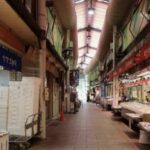
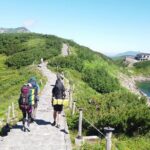
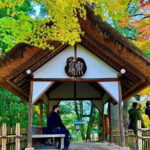
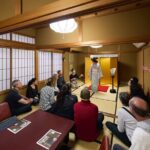
Kanazawa clicks fast when you have a local guide.
This private walk is built to get your bearings fast and help you understand the city’s everyday rhythm—parks, craft-minded viewpoints, river scenery, and preserved geisha-area streets. You’ll start with a pre-tour questionnaire, then your host adjusts the route around what matters most to you, including history, food, or quiet photo stops. I especially loved the relaxed pace and the chance to ask questions as we went.
Two things really make it work. First, the personalized route—Utatsuyama Park to hillside views at Bokodai Observatory, then down to the Asano River and through the geisha/teahouse lanes—makes Kanazawa feel connected instead of like a checklist. Second, the hosts bring real on-the-ground details, and I saw that reflected in guides like Megumi (excellent English and proactive help), Mo (calm, well-paced guidance), Criselda (good communication and suggestions), and Mouri (great stories, especially on evening-friendly schedules). One consideration: it’s mainly a walking experience, and while public transport or a local taxi may be used for transfers, that can mean extra cost and extra walking depending on your route and starting time.
In This Review
- Key highlights you’ll feel right away
- A Local Walk Through Kanazawa’s Everyday Rhythm
- Price and Value: What You’re Really Paying For at $66.83
- Meeting at Kanazawa Station and How the Walk Feels
- Utatsuyama Park: A Calm Start With Real Green Space
- Bokodai Observatory: Views That Explain Kanazawa’s Craft Focus
- Crossing the Asano River: Bridge Views and Riverside Life
- Geisha District Museum Stop: Learn the Training and Lifestyle
- The Preserved Teahouse Streets Along the Asano River
- How the Questionnaire Shapes Your Route (and Your Next Steps)
- What to Bring and How to Plan Your Kanazawa Day
- Who Should Book This Kanazawa Like a Local Tour?
- Should You Book Kanazawa Like a Local?
- FAQ
- How long is the Kanazawa Like a Local private experience?
- Is this tour private?
- What’s included in the tour price?
- Is pickup included?
- Is food included?
- Is there a private vehicle provided?
- How do transfers between sites work?
- Where does the tour start and end?
- Can service animals join the tour?
- What’s the cancellation window for a full refund?
Key highlights you’ll feel right away
- Private, questionnaire-driven plan so the walk matches your interests, not a rigid script
- Green start at Utatsuyama Park, including native wildflowers and quiet walking paths
- Bokodai Observatory viewpoints tied to Kanazawa’s artisan heritage and craft support
- Asano River bridge and riverside geisha streets for classic scenery and calm alley vibes
- Hosts who help with real-life logistics, like food ordering and smart recommendations for after the tour
A Local Walk Through Kanazawa’s Everyday Rhythm

Kanazawa can look postcard-pretty, but it can also feel oddly hard to place when you’re on your own. This tour’s job is simple: help you understand where you are, why it matters, and what to do next.
The format is a private walking experience with a local host. You choose your preferred start time, and you’ll get a short questionnaire before you meet. That matters because the city isn’t one theme—it’s nature, crafts, tea-house lanes, and river life all stitched together. A good host helps you see how those pieces relate, not just where they are.
I also like that the conversation stays open. You’re not stuck in a lecture mode. You can ask things as you walk—how the area works, what’s worth a second look, or what kind of meal to aim for later.
Finally, the guides’ English ability and friendly communication show up again and again in real experiences. Megumi, for example, stood out for strong English and practical help like guiding someone to order their first sushi at Omicho. Mo was praised for being polite and making the day feel relaxing, not rushed. That tone is what you want for an orientation tour.
Other Kanazawa tours and samurai-district walks

Price and Value: What You’re Really Paying For at $66.83
$66.83 per person for 2 to 3 hours doesn’t buy a museum ticket or a big attraction bundle. So the value is in the things money can’t easily replace: a human route designer and a local perspective.
You’re paying for:
- A private guide (only your group participates, not mixed into a crowd)
- Customization via the pre-tour questionnaire and direct communication
- Flexible pacing and route flexibility based on your interests
- Practical recommendations for what to do after the tour
Compared with a generic group walk, the difference is that your host can steer you toward what you care about. If you’re more interested in crafts and quiet lanes, you’ll likely spend time emphasizing those connections. If you’re more food-focused, you’ll get guidance on where to go and what to try.
Also, the tour includes a mobile ticket, which is a small but real convenience in Japan. And it lists group discounts, which can make the per-person cost even more reasonable if you’re booking with friends.
One small caution on value: food, drinks, and attraction tickets aren’t included. You’ll want to budget for that separately, especially if your host recommends places during the walk or suggests a specific food stop afterward.
Meeting at Kanazawa Station and How the Walk Feels
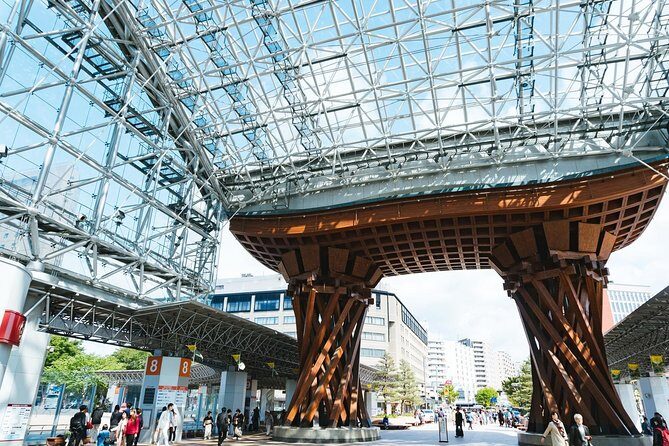
The meeting point is easy to find: Kanazawa Station Tourist Information Center (1-1-1 Kinoshinbomachi, Kanazawa, Ishikawa 920-0858, Japan). The tour ends back at the same place, so you’re not left guessing how to get home.
This is primarily a walking route, and the tour does not include a private vehicle. The data also notes that public transportation or a local taxi may be used to transfer between sites, with exact costs discussed after your reservation. In plain terms: expect mostly on-foot time, plus possibly a short hop by transit depending on how your host structures the day.
That affects your experience in two ways:
- Comfort matters. Wear shoes you can walk in for a couple hours.
- Weather matters. If it’s raining, your host may adjust the route and transfers, but it will still be a walking day.
Because it’s private, you can also keep your pace. If you want photo time at viewpoints or you want to slow down for geisha-area lanes, you’re not negotiating with a bus schedule.
Utatsuyama Park: A Calm Start With Real Green Space
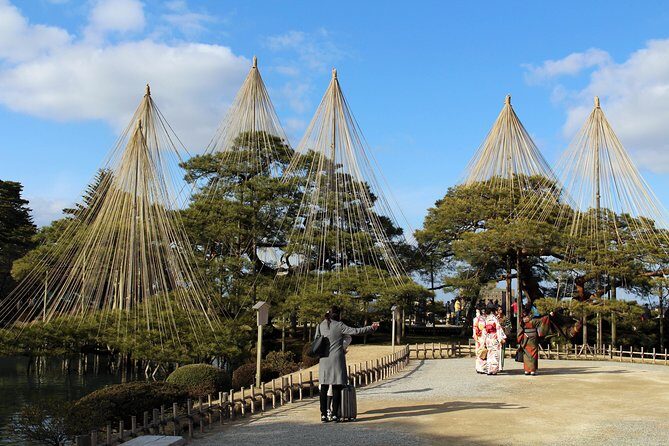
The tour begins with a gentle orientation walk, then takes you into Utatsuyama Park, known for its tranquil paths and over 100 species of native wildflowers.
What I like about starting here is that it changes your mindset immediately. Kanazawa isn’t just architecture and streets; it has green space that shapes how the city feels. If you’ve been moving from station to hotel to sightseeing spot, this kind of opening gives you breathing room.
Practical things to expect:
- You’ll likely be walking shaded or calmer paths compared with big commercial areas.
- It’s a good moment to ask your host what neighborhoods connect best to the rest of your day.
- It sets up a theme for the rest of the tour: nature + craft + quiet streets.
Is it a downside? If you’re arriving and want only iconic landmarks fast, a park opener might feel slower than you expect. But as an orientation, it usually works well—especially if you enjoy walking and subtle scenery.
Bokodai Observatory: Views That Explain Kanazawa’s Craft Focus
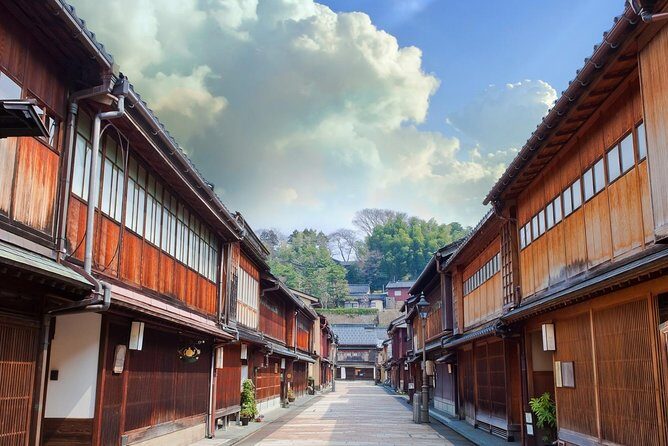
Next comes Bokodai Observatory, where you get sweeping views of Kanazawa. The standout detail here is the way the host ties this hillside area to the city’s artisan heritage—how the area supports craftspeople and helps preserve that tradition.
That connection is why this stop is more than a viewpoint. A lot of places offer “pretty views.” This one helps you understand the why behind them. You’re getting a sense of the city’s layout, but also a sense of the human system that shaped it—people, work, and preservation.
When you’re up there:
- Take a moment just to look around before you start photographing.
- Ask your host what areas you’re seeing and how they relate to later stops.
- If you’re into crafts, this is the moment to request recommendations for pottery shops or workshops afterward (your host can suggest places based on your interests).
The only consideration is simple: you’ll want a clear enough day to appreciate the panoramic angle. If visibility is poor, the stop can still be informative, but the “sweeping” effect won’t land the same way.
Other private tours in Kanazawa





Crossing the Asano River: Bridge Views and Riverside Life
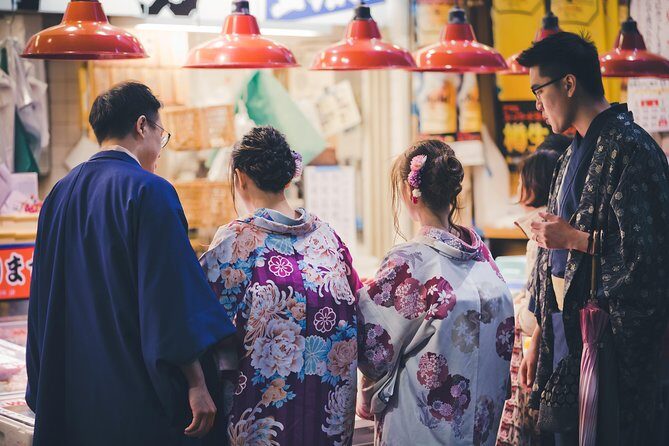
Then you’ll cross one of Kanazawa’s iconic bridges for views over the Asano River and the surrounding architecture. This is one of those stops where photos actually capture something meaningful: the way waterways shape the city’s visual lines.
This part of the walk also helps you connect the dots. Up to now, you’ve had park calm and hillside perspectives. Now you’re seeing the river zone, which is where much of Kanazawa’s preserved atmosphere comes through.
Expect:
- A straightforward, scenic photo opportunity.
- Your host explaining how the riverside area connects to the traditional districts you’ll see next.
- A shift from open views back into human-scale streets.
If you’re someone who hates being out in the open for long, you can keep the photo time brief here and move quickly. The good thing is the bridge stop is short and efficient.
Geisha District Museum Stop: Learn the Training and Lifestyle
After the river scenery, you’ll explore a historic geisha district, including a small museum that explains the training, lifestyle, and performance traditions of geisha and maiko, both past and present.
This stop is valuable because it adds context. Without a guide, it’s easy to treat these areas like scenery only—pretty streets and old buildings. With the museum context, you understand what you’re looking at and why the traditions matter.
What I’d recommend you do in this museum portion:
- Let your host explain the big picture first, then pick one or two details to focus on.
- If you’re curious, ask how the traditions have changed over time.
- If you’d rather keep it lighter, you can simply ask for the most useful overview and then head back out for the street atmosphere.
A potential drawback: if you prefer purely outdoor walking with minimal indoor stops, you might want to tell your host upfront. Because the tour is private, your guide can often adjust timing based on your preferences.
The Preserved Teahouse Streets Along the Asano River
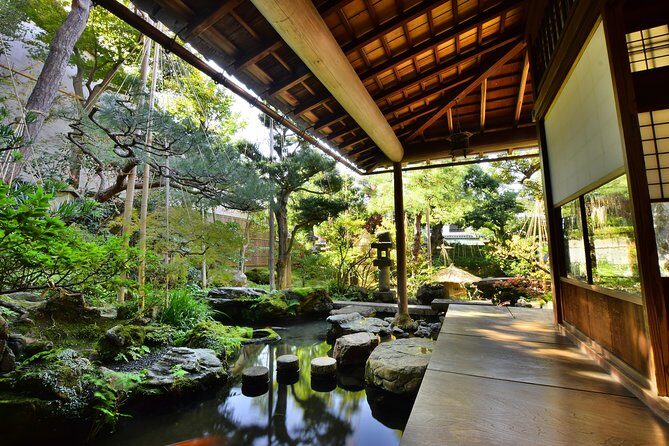
You’ll finish in a beautifully preserved teahouse district along the Asano River. This is where Kanazawa’s old-meets-new feel becomes real: narrow alleyways, wood-built architecture, and a peaceful atmosphere.
The best part here is the walking texture. You’re moving through tight lanes where the architecture and scale force you to slow down. It’s not just a view—it’s a mood.
Look for:
- The way alley widths change the light and sound.
- The wood-based building details that make the area feel lived-in.
- The quiet contrast to the broader station area you’ll return to at the end.
If you love night walks, some guides have run this kind of experience into early evening schedules. One guide experience described a Flower Moon night where the city felt quiet and photogenic. You won’t always get that exact sky moment, but you can ask your host if an evening-friendly start time makes sense for your travel dates.
How the Questionnaire Shapes Your Route (and Your Next Steps)
The tour hinges on a pre-tour questionnaire and direct communication with your host. That’s not just a gimmick. It’s how you get from sightseeing to orientation.
Your host uses your answers to tailor things like:
- which themes to emphasize (history, crafts, geisha district context, food)
- how much time to spend at each stop
- what recommendations to give you after the walk
In real guided experiences, guides like Megumi helped with very practical requests, like pointing someone toward Omicho Fish Market and helping them order sushi as their first move. Criselda was praised for proactive suggestions and good communication. Mo was described as making the walk feel relaxing while still guiding people to major and supporting sights.
You can take advantage of this by being specific. Instead of saying I like history, try: I want to understand why Kanazawa is known for crafts, and I’d like a pottery shop suggestion. Or: I want geisha-area context, but I don’t want long indoor stops.
Your host can also suggest what to do next. Some people used the tour to plan additional stops like Kenroku-en or Kanazawa Castle later, depending on what they wanted out of their day. The key point: you leave with a smarter map of choices, not just a list.
What to Bring and How to Plan Your Kanazawa Day
This is a walking tour with a flexible route, so your planning should support walking and comfort.
Bring:
- Comfortable shoes (you’ll be on foot for most of the 2-3 hours)
- Weather protection (because it’s outdoors more often than not)
- A charged phone if you want to use the mobile ticket and take photos
- A few questions you can ask early, when your host can still steer the pace
Timing tip: try to schedule this so you still have time after the tour to act on your host’s recommendations. Since the experience ends back at Kanazawa Station, it’s convenient to use the tour as a launchpad—then go back out for dinner, shops, or a garden.
If you’re trying to pack too much into one day, be careful. This tour is designed to orient you and keep things relaxed. If you book back-to-back attractions immediately, you might miss the value of the calmer, slower understanding.
Who Should Book This Kanazawa Like a Local Tour?
This experience is best if you want:
- A private guide and a relaxed pace
- A route that links nature, craft culture, and traditional districts
- Real recommendations for what to do next in Kanazawa
- English support, since multiple guides have been praised for communicating well
It may not fit perfectly if:
- You want only big-ticket attractions and minimal walking
- You dislike indoor museum stops at all
- You’re looking for a strict, fast itinerary with no conversation
It does fit solo travelers in practice because it’s private and tailored, and the guide can shape the day around your questions. And because service animals are allowed, it’s also considerate for those who need that support.
Should You Book Kanazawa Like a Local?
Yes, if you want a smart first look at Kanazawa that turns into better plans for the rest of your trip. The stops work together: wildflowers in Utatsuyama Park to hillside views at Bokodai Observatory, then down to the Asano River and into the geisha and teahouse streets. That flow helps you understand the city as a whole.
The biggest reasons to book are the personalization and the fact that you’re not just being shown places—you’re being helped to interpret them. And with hosts like Megumi, Mo, Criselda, and Mouri described as communicative and proactive, you’re likely to leave with both context and practical next-step ideas.
If you go in expecting an easy walking orientation (not a ticket-heavy attraction day), you’ll get strong value from the $66.83 price.
FAQ
How long is the Kanazawa Like a Local private experience?
It runs about 2 to 3 hours.
Is this tour private?
Yes. It’s a private tour/activity, and only your group will participate.
What’s included in the tour price?
You get a private and personalized walking experience with a knowledgeable local host, flexible start times, a pre-tour questionnaire, and direct communication with your host for planning and local recommendations.
Is pickup included?
Pickup is offered (you can choose your preferred time when booking).
Is food included?
No. Food, drinks, and tickets to attractions are not included.
Is there a private vehicle provided?
No. It’s primarily a walking experience. A private vehicle is not included.
How do transfers between sites work?
Public transportation or local taxis may be used to transfer between sites, and exact transportation costs can be discussed with your host after the reservation is finalized.
Where does the tour start and end?
It starts at Kanazawa Station Tourist Information Center and ends back at the same meeting point.
Can service animals join the tour?
Yes. Service animals are allowed.
What’s the cancellation window for a full refund?
You can cancel up to 24 hours in advance for a full refund. If you cancel less than 24 hours before the start time, the amount paid is not refunded.