Four hours can feel like Kanazawa magic. This Kanazawa half-day is private and customizable, so you pick your pace and which stops matter most. You meet at Kanazawa Station at 8:00 am and head out for about four hours, then return to the same place.
I love two things here. First, the guide connects the dots: Hideo explained the feudal system, architecture, and how the buildings relate, and he even talked through buses and trams so you felt in control. Second, it is a smart way to sample Kanazawa without turning it into a sprint.
One possible drawback: you choose only 2 to 3 sites. If your goal is to tick off every major landmark in one morning, you may want a second day or another tour to finish the job.
In This Review
- Key highlights worth planning around
- A half day that feels custom, not cookie-cutter
- Choosing 2 to 3 stops: gardens, samurai streets, and tea-house districts
- Kenroku-en: the garden you can feel in your legs
- Myoryuji Temple (Ninjadera): Edo-era intrigue without the gimmicks
- Seisonkaku Villa: elegance made for family, not crowds
- Nagamachi samurai district: narrow lanes, old walls, and the feel of “before”
- Kanazawa Castle and the garden connection you can actually see
- Omicho Market: quick local flavor and a good reset
- Geisha teahouses: watch the tradition respectfully
- D.T. Suzuki museum: calm thinking after the walking
- Price and logistics: what $156.89 is really buying
- Getting there: the 8:00 am start and how to not lose time
- Who should book this Kanazawa private half-day tour?
- Should you book it?
- FAQ
- Where is the meeting point for the tour?
- What time does the tour start?
- How long does the tour last?
- Is this a private tour?
- Can I choose which sites to visit?
- Is hotel pickup included?
- What transportation is included during the tour?
- Do I need to do anything after booking?
- Are meals included?
- What should I consider for physical comfort?
Key highlights worth planning around
- Private by design: only your group, with an English-speaking professional guide.
- Choose 2–3 sites: you focus on what you actually want to see instead of a fixed checklist.
- Reservatons handled: the operator makes bookings on your behalf if needed.
- More than facts: guides help with the larger story of Kanazawa’s Edo-era power and design.
- Flexible day, real time-saving: transportation inside the city is arranged based on your booking.
- Rain-ready service: one guide (Harumi) adapted well even with rainy weather, and kept things moving.
A half day that feels custom, not cookie-cutter
This tour works best if you like structure but hate rushing. You get a clear start point and a dedicated guide, yet you are not trapped in someone else’s plan. The big advantage is that you can shape the itinerary around your interests—gardens, temples, samurai neighborhoods, markets, or the quiet side of Kanazawa.
It also saves your brain. Your guide handles reservations and bookings that might be annoying to sort out on your own, and you only need to show up with decent shoes and a willingness to walk. You are in control of the sights, and the guide handles the logistics.
And yes, you can tailor the morning even more after booking. There is a custom tour form you fill out, so you can say what you already saw and what you want to skip.
Other Kanazawa tours and samurai-district walks

Choosing 2 to 3 stops: gardens, samurai streets, and tea-house districts
Kanazawa has a lot to offer, so this format is actually a win. The itinerary list is broad—so you select a tight set of 2 to 3 sites and get time to look, ask questions, and move without feeling behind.
Here is how the available options tend to divide:
- Classic visual Kanazawa: Kenroku-en and (nearby) the castle area.
- Edo-era power and architecture: Myoryuji Temple, Seisonkaku Villa, and the Nagamachi samurai district.
- Street-level atmosphere: Nagamachi’s lanes and canals, plus Omicho Market.
- Cultural performance context: the teahouse district where geisha perform.
- Quiet reflection: the D.T. Suzuki museum space and gardens.
Your best combo depends on your mood that day. If you want beauty + storytelling, pair Kenroku-en with Seisonkaku or Nagamachi. If you want cultural texture, add Omicho Market and one samurai-focused stop.
Kenroku-en: the garden you can feel in your legs
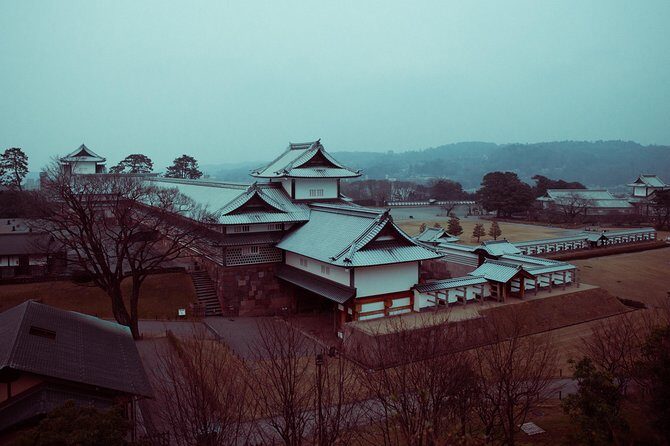
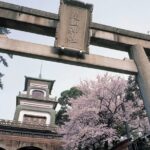
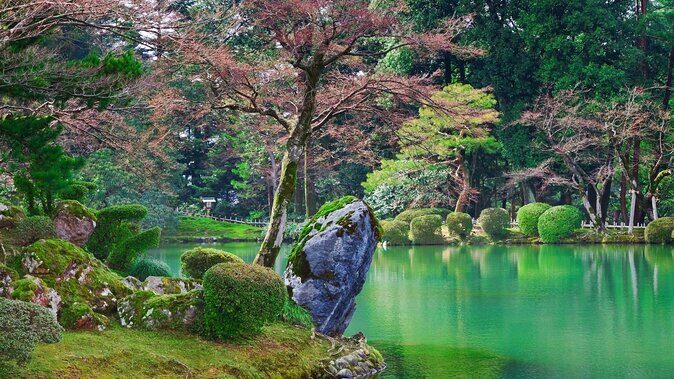
Kenroku-en is one of Japan’s Three Great Gardens, and that reputation matters. It is an old private garden linked to the region’s elite, and it is the kind of place where you slow down without being told to.
For a 4-hour tour, Kenroku-en is a strong anchor because it gives you immediate Kanazawa identity. You get careful design in a walkable space, plus plenty of chances to stop and listen as your guide explains what you’re seeing.
A practical tip: if it is a misty morning, take your time at the main viewpoints and paths. Gardens like this are often best experienced at walking speed, not photo speed.
Myoryuji Temple (Ninjadera): Edo-era intrigue without the gimmicks
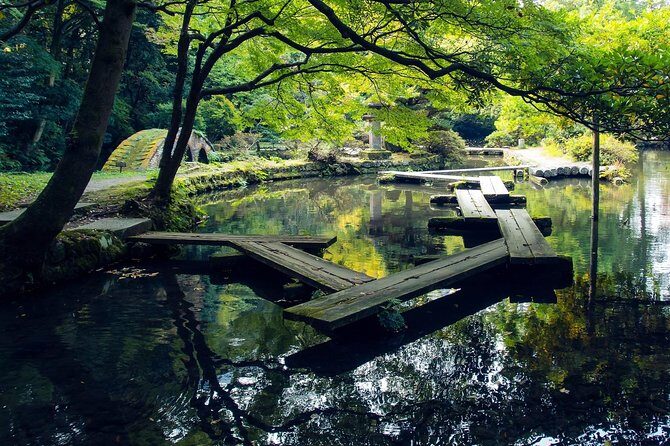
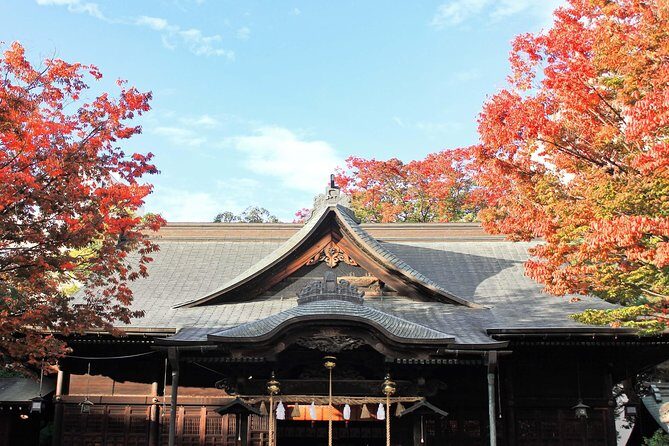
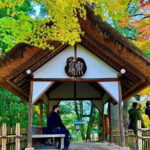
Myoryuji Temple is commonly called Ninjadera, or ninja temple. The label grabs attention, but the real payoff is the Edo-period context—this temple was built by the Maeda lords, the rulers of the region.
If you like your history with real architecture and a clear timeline, this stop can be a good counterweight to the garden. You see how power expressed itself through religious sites, and you get a story that helps you understand why Kanazawa has so many preserved pieces from the same era.
One thing to consider: a temple stop takes attention. If your group is mainly into photos and snacks, you might pair it with something more casual afterward, like the samurai lanes or Omicho Market.
Seisonkaku Villa: elegance made for family, not crowds
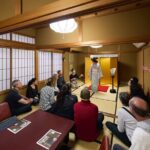
Seisonkaku Villa (成巽閣) was built in the last years of the Edo Period by a Maeda lord for his mother. That personal reason changes how you view it—you are not just looking at a grand building; you are seeing a family-driven commission.
This is also one of the listed sites described as an elegant remaining samurai villa in Japan. So it fits perfectly if you want your morning to feel refined rather than strictly instructional.
A helpful way to experience Seisonkaku: look for the connection between the villa design and how it would have been used. Your guide can put that building into the broader Kanazawa story in a way that makes it feel less like a museum label and more like a lived environment.
Other private tours in Kanazawa


Nagamachi samurai district: narrow lanes, old walls, and the feel of “before”
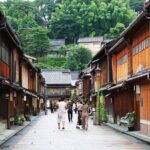
Nagamachi sits at the foot of the former Kanazawa Castle and was home to samurai and their families. The area preserves an old atmosphere through samurai residences, earthen walls, private entrance gates, narrow lanes, and water canals.
This stop is one of the best choices if you want Kanazawa to feel like a place, not just a collection of attractions. You walk through the physical layout of a former power center and start to understand how daily life might have worked—access, privacy, and the way streets shaped movement.
A potential drawback is also simple: Nagamachi is a walking experience. If your legs are tired or the weather is rough, keep your expectations realistic. Pick this stop when you want to explore rather than when you want a low-effort morning.
Kanazawa Castle and the garden connection you can actually see
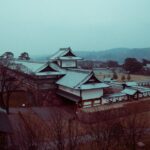
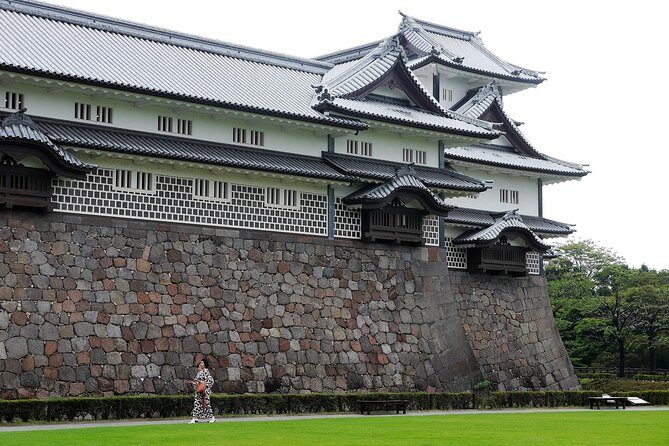
Kanazawa Castle is large and partially restored, and it sits adjacent to Kenroku-en. That location matters because the castle and garden once formed part of the castle’s private outer garden.
This is the kind of pairing that feels logical even without a lecture. You can stand near where the castle’s story fits into the landscape, then see how the garden functioned as a controlled, high-status space.
If you are short on time, you might skip the castle buildings themselves and focus on the area where the castle-garden relationship is easiest to grasp. Your guide can point you to what to prioritize inside a limited time window.
Omicho Market: quick local flavor and a good reset
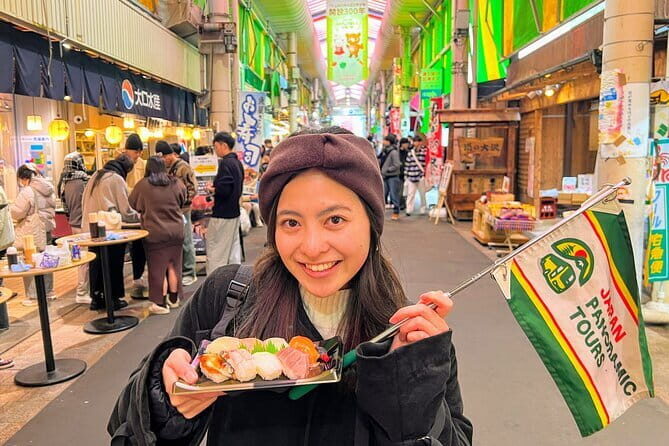
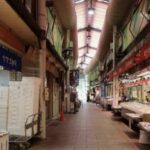
Omicho Market is one of Kanazawa’s most popular attractions, with more than 180 shops and restaurants. Even if you only stroll, it gives you a fast, everyday Kanazawa feeling—food culture, busy foot traffic, and practical sights.
For a half-day tour, this is a great “reset stop.” If your itinerary is leaning heavy on Edo-era history, Omicho adds something more casual and sensory. It is also useful if you want to buy small items or snacks, since markets are built for that.
The one caution: don’t let the market swallow your schedule. You have only 4 hours, and it is easy to lose time browsing. I’d treat Omicho as a planned pause, not an unplanned rabbit hole.
Geisha teahouses: watch the tradition respectfully
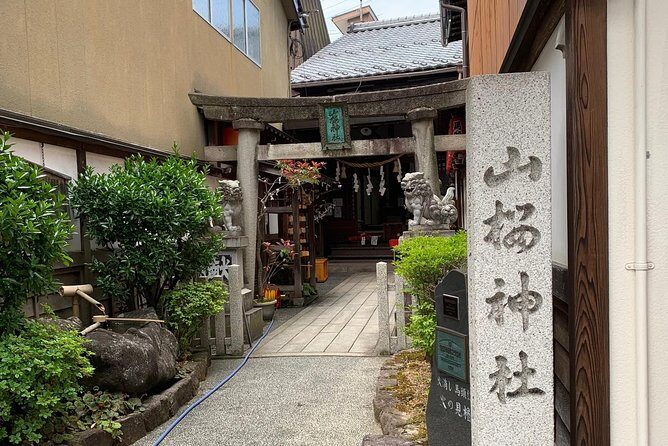
The tour includes a district with teahouses where geisha perform. This is less about a single landmark and more about understanding the local cultural setting that supports the performance tradition.
Because the details aren’t fully spelled out, keep your approach simple: look closely from public areas, follow your guide’s direction, and focus on the atmosphere rather than trying to force an encounter. If you want a cultural stop that is visually distinctive without needing a long time commitment, this can fit well.
A smart pairing is to combine this with Nagamachi or another Edo-era area, so you see both the historic city structure and the living culture that continues today.
D.T. Suzuki museum: calm thinking after the walking
The museum dedicated to D.T. Suzuki includes educational programs, a contemplation space, and tranquil gardens. That combination makes it a nice counterbalance to the more physical stops like samurai districts and markets.
If your day feels too “outside everything,” this is where you can slow your pace. Even if you only spend part of the visit, the contemplation space theme can make the morning feel more grounded.
If you’re traveling with someone who likes quieter stops, D.T. Suzuki is often a good choice. It is also a strong option when the weather is gray, since gardens and indoor calm tend to work better than long outdoor wandering.
Price and logistics: what $156.89 is really buying
At $156.89 per person for about 4 hours, you are paying for three things at once:
- a private, English-speaking guide
- city transportation arranged for you
- reservation and booking help tied to your selected sites
Is it the cheapest way to see Kanazawa? No. But you are not just buying admission tickets. You are buying time and planning—plus the comfort of having someone explain what you’re seeing and help you move efficiently.
Also, hotel pickup is included if your hotel is within the city center. If you are staying near Kanazawa Station, the meeting setup is easy anyway: the tour starts at Kanazawa Station and ends back there.
For value, I’d think like this: if you want only one or two major sights, this still works because the guide makes them more meaningful. If your goal is broad sightseeing with little effort, the customizable format can actually keep the price from feeling bloated.
Getting there: the 8:00 am start and how to not lose time
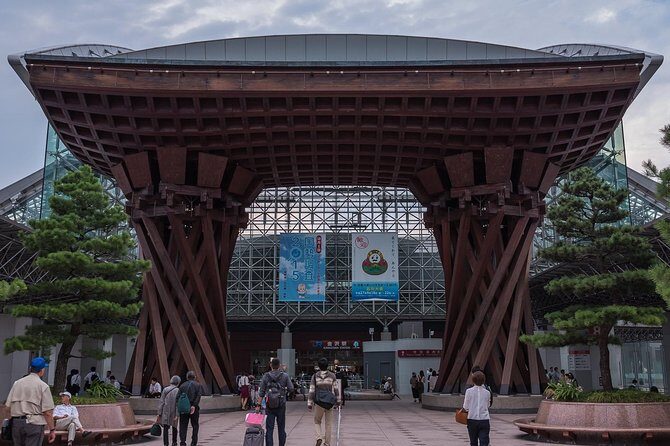
You start at 8:00 am at Kanazawa Station, and the tour ends back at the meeting point. That early start helps you avoid feeling like you are playing catch-up later, especially if you have other plans for the afternoon.
There is a practical timing rule: the guide waits up to 30 minutes from the start time. Arrive at least 10 minutes early, and you will start the day stress-free.
Weather matters for this experience. The tour requires good weather, and if it gets canceled due to poor weather, you are offered a different date or a full refund. One of the guides—Harumi—stayed professional and adapted even with rainy conditions, and the tour still worked because the plan could flex.
Who should book this Kanazawa private half-day tour?
This tour is a great fit if you:
- want a Kanazawa morning that feels planned but not rigid
- like asking questions and learning how things connect (Hideo’s approach shows how much story you can get)
- want flexibility based on your pace and interests
- prefer a private guide rather than joining a larger group
It may be less ideal if you:
- want to cover every major sight in one run
- dislike walking in old districts like Nagamachi
- are trying to fit too many non-museum stops into 4 hours
From the guide examples, you can also expect a strong language setup. Hirano was fluent in English and offered very helpful local recommendations, and Harumi handled English plus Spanish while keeping the tour on track in rain.
Should you book it?
Yes—if you want a high-quality Kanazawa morning without the planning headache. The customizable structure is the heart of the value: you pick 2 to 3 sites, and your guide turns those choices into a coherent experience rather than a random checklist.
I’d book this if your priority is understanding Kanazawa’s Edo-era layers—Maeda power, samurai neighborhoods, and why the gardens and architecture look the way they do. I’d especially book it if you care about getting practical help from a guide, like explaining what to do and how to get around, not just naming places.
If you tell me your interests—gardens vs. history vs. food vs. quiet—I can suggest a smart 2–3 stop mix for your half day.
FAQ
Where is the meeting point for the tour?
The tour meets at Kanazawa Station, Japan (920-0858), Ishikawa Prefecture, Kanazawa.
What time does the tour start?
The start time is 8:00 am.
How long does the tour last?
The tour is about 4 hours.
Is this a private tour?
Yes. It is a private tour/activity, and only your group will participate.
Can I choose which sites to visit?
Yes. You choose 2 to 3 sites for a personalized tour of Kanazawa.
Is hotel pickup included?
Hotel pickup is offered if your hotel is within the city center.
What transportation is included during the tour?
Transportation within Kanazawa is included. The operator will use public transportation or a private vehicle based on your booking.
Do I need to do anything after booking?
Yes. You’ll receive a link to a Kanazawa Form. Complete it accurately at least 7 days before your tour date.
Are meals included?
No. Meals, food, and drinks are not included unless specified in your itinerary.
What should I consider for physical comfort?
The tour calls for moderate physical fitness, so plan on some walking, including in historic areas with narrow lanes.