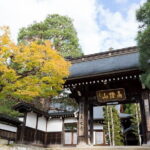
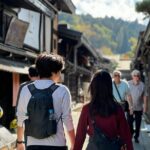
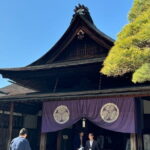
Takayama reveals its best corners slowly. I like that this half-day walk gives you both context (a museum start) and street-level scenery (shrines, temples, and old district paths). I especially appreciate the way the guide stays responsive and even works around your interests, including food and sightseeing pointers. One thing to plan for: it is still a walking tour, so if the weather is rough or your legs run short, you’ll want to wear grippy shoes.
You get a clean structure for a city that can feel deceptively spread out. The route starts at Takayama Station, moves into Takayama’s history through the city museum, then continues on the Higashiyama Walking Course before wrapping at Shiroyama Park. With a small group size (up to 15) and a guide speaking English, it’s easy to ask questions and not feel like you’re stuck in a rush.
This is also a nice choice if you want something more thoughtful than a quick highlights checklist. In rainy weather, you’ll still have plenty to enjoy because the key stops are timed around indoor museum time and sheltered shrine-area streets. The main downside is value-for-money: at $120.96 per person, it makes the most sense when you’ll actually use the guide’s guidance, not just stroll on your own.
In This Review
- Key points to know before you go
- A 4-hour Takayama walk that keeps its focus
- Takayama Museum of History and Art: your story starter
- Higashiyama Walking Course: temples, shrines, and Lord Kanamori
- Shiroyama Park: the castle site with only remnants left
- How the guide makes this tour worth the price
- Weather-proofing: why rainy days can still work here
- Price and value: is $120.96 per person justified?
- Practical details that affect your day
- Should you book this Takayama hidden-corner walking tour?
- FAQ
- How long is the Takayama walking tour?
- Where does the tour start and end?
- What is included in the tour price?
- Is lunch included?
- Is the museum admission included?
- Does the tour use a mobile ticket?
- How large is the group?
- Is the tour near public transportation?
- Is free cancellation available?
Key points to know before you go
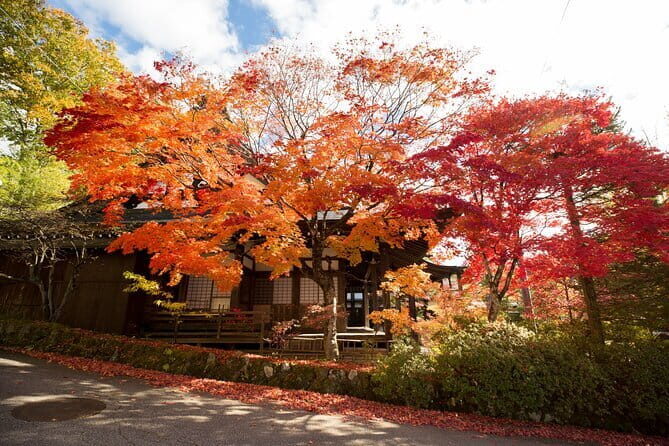
- Museum-first setup: You start with Takayama’s story, then the walking route becomes easier to understand.
- Higashiyama temple district route: A scenic walk through temples and shrines connected to Lord Kanamori Nagachika’s development.
- Castle-site context at Shiroyama Park: You see what’s left of Takayama Castle in a calm wooded area.
- Small group size (max 15): More room for questions and flexibility during the walk.
- English-speaking guide: You’ll get practical, on-the-ground recommendations for what to do and where to go next.
- Mobile ticket: Handy for a smooth start at Takayama Station.
A 4-hour Takayama walk that keeps its focus
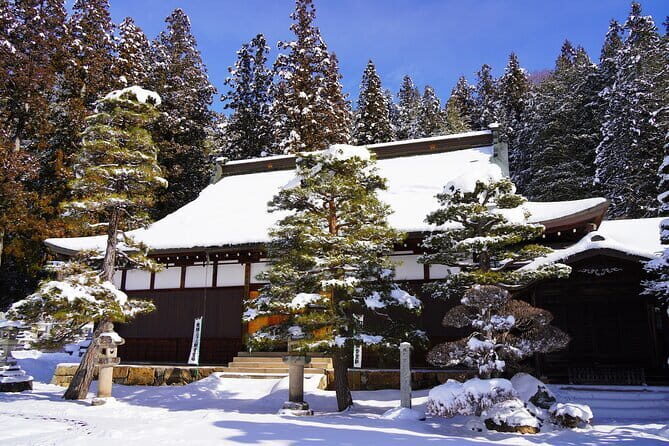
Takayama is a city where details matter: gates, staircases, old streets, temple grounds, and the way different neighborhoods developed over time. This tour gives you a short window to make sense of those details without cramming in too much. You’ll spend about 4 hours total, and you’ll be back at the meeting point by the end.
The pace is built for a guided walk, not a sprint. The itinerary is organized into three main segments: a museum visit, the Higashiyama Walking Course, and Shiroyama Park. That structure helps even if you only have a morning or afternoon to spare.
I also like that it’s set up around public transportation. You meet at Takayama Station (easy to reach), and the tour ends back where it started, so you’re not trying to solve a logistics puzzle while tired.
Other Takayama walking tours and old-town experiences

Takayama Museum of History and Art: your story starter
The tour’s first stop is the Takayama Museum of History and Art, with about 1 hour on-site. The biggest value here is that you don’t just see buildings and streets—you get the background that explains why this city looks the way it does.
From what the tour covers, you’ll learn about the region’s path through samurai-era governance and the rise of a merchant culture. That matters on this tour because the Higashiyama walking area and the castle-site park aren’t random scenery. They connect to how Takayama grew, who shaped the city, and what life looked like beyond the tourist postcard.
The museum part is also a smart break in the schedule. Even if you’re walking outdoors later, this indoor hour helps you reset your attention. And admission is listed as free for this stop, which improves value when you compare it to tours that charge for every single component.
Potential drawback: if you prefer purely outdoor exploration with minimal museum time, that opening hour may feel slower. Still, it’s timed well for people who want the walking route to click.
Higashiyama Walking Course: temples, shrines, and Lord Kanamori
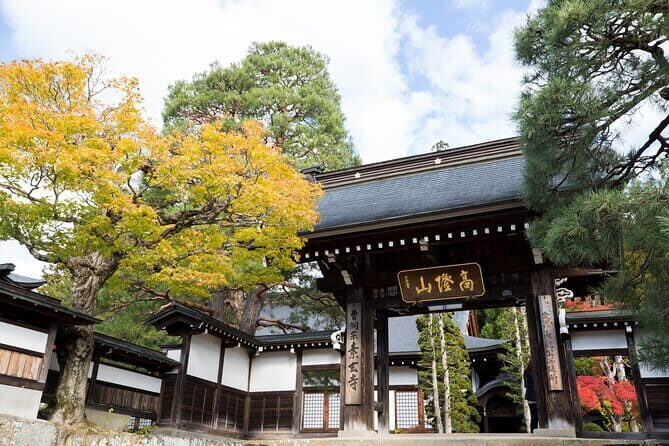
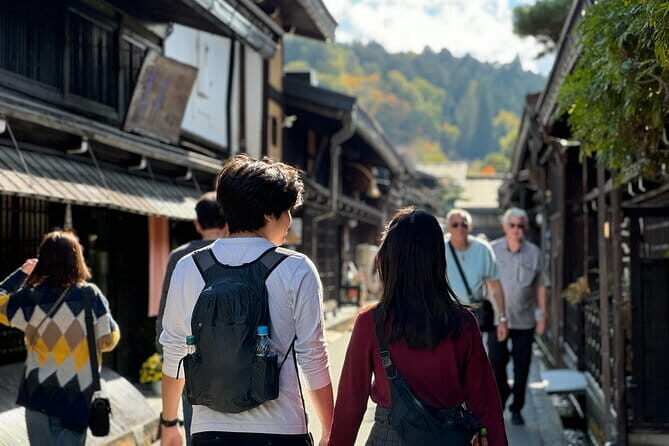
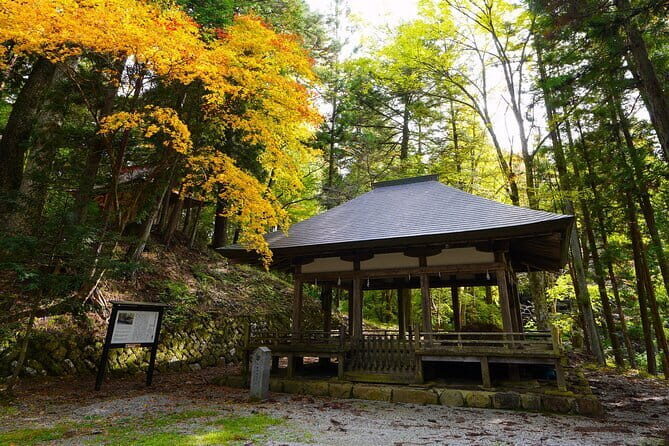
After the museum, the walk continues along the Higashiyama Walking Course, about 2 hours on foot. This is where Takayama’s spiritual side becomes visible in everyday space—shrines, temples, quiet pathways, and a calmer district feel.
A key detail: the temple area was developed by Lord Kanamori Nagachika. When a guide ties the places to a named figure like this, it turns “pretty scenery” into a clearer story. You can connect architectural choices and the layout of the area to the historical forces behind them.
I like how this segment is described as scenic and peaceful. It means you’re not constantly dodging traffic or bouncing through shops on a strict shopping loop. Instead, you’re moving through a district where you can slow down and actually notice details—like how the grounds feel, how the entrances are arranged, and how the space shifts from street to shrine area.
There’s also practical value in the guide’s presence here. Even without flashy performances, a good guide helps you understand what you’re looking at and how to interpret it. Based on the tone of the experience people describe, you’ll have room to ask questions, including ones you might feel silly asking at first—because the guide is willing to answer and adapt.
Possible consideration: this is still a walking stretch. If you’re sensitive to distance or uneven paving, bring shoes that won’t slip and take your time when the group pauses for explanations.
Shiroyama Park: the castle site with only remnants left
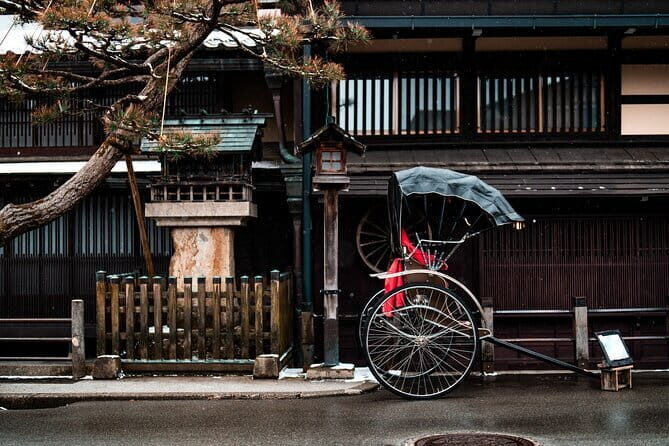
The final walking portion includes Shiroyama Park, about 1 hour. This area is now a wooded setting, but it used to be the site of Takayama Castle. Even though only small remnants of the castle remain, the park still helps you “see” where power and defense once sat in the city layout.
I find this kind of stop satisfying because it avoids the all-or-nothing problem. You’re not forced to pretend the full castle exists, and you’re not left with nothing either. The point is context: you understand the castle location, then you look at what remains and what the land suggests about the old site.
It’s also a calmer close to the tour. After shrine walking, the park gives you a change of pace and a more restful environment for the last stretch. If you like quiet photo pauses, Shiroyama Park fits that mood well.
One caution: if your priority is dramatic ruins or big reconstructions, Shiroyama Park may feel understated. The experience is more about place, layout, and atmosphere than about seeing a large preserved structure.
How the guide makes this tour worth the price
The tour includes an English-speaking guide, and that matters more than people expect. At $120.96 per person, you’re paying for interpretation and timing—not just movement from stop to stop. The best tours use the guide to convert what you see into understanding.
The guide’s style also shows up in the way the tour is described: flexible and responsive. People highlight that it’s easy to get answers, and that the guide can share practical food and sightseeing recommendations that actually work once you’re back on your own schedule. That’s real value in Japan, where the best plan often depends on what day you’re there, where you’re staying, and what you feel like doing next.
This is where the max group size of 15 helps. A smaller group means the guide can adjust pacing, respond to questions, and keep people from feeling lost. It also makes it easier to take a beat when you want to look longer at a shrine gate or when the group’s moving a bit too fast.
Potential drawback: because the tour includes guidance in multiple spots, you’ll want to stay mentally present. If you mostly tune out and want a silent stroll, the guide component won’t pay off as much.
Other walking tours we've reviewed in Takayama




Weather-proofing: why rainy days can still work here
The route is a mix of museum time and outdoor walking through a temple district and park area. That mix is a quiet advantage if your day turns gray. Even when visibility drops, you still have indoor content to ground the experience, and the shrine paths tend to feel atmospheric rather than unpleasant.
Plan for wet pavement anyway. The key is footwear with traction and a light rain layer so you can move comfortably. You don’t need to cancel a good day—just adjust how you walk.
Price and value: is $120.96 per person justified?
At $120.96 for a half-day walking experience, the price can feel steep at first glance. But when you break down what’s included, the math makes more sense.
You get:
- A guided museum visit (with admission listed as free for the tour’s museum component)
- A guided Higashiyama Walking Course through temples and shrines
- A guided walk through Shiroyama Park
- An English-speaking guide
- A small group format (max 15)
- A mobile ticket for simpler entry
You’re also paying for the guide to connect the dots between samurai-era governance, merchant culture, the Kanamori Nagachika temple-area development, and what you see at the castle site. That interpretive layer is what turns this from sightseeing into something you can carry forward.
So when does it feel like a win? If you want a structured Takayama plan and you enjoy asking questions, this price starts to feel fair. If you’re the type who just wants to wander freely and you don’t care much about historical framing, a self-guided walk could cost less.
Practical details that affect your day
This tour starts at Takayama Station and ends back at the same meeting point. That’s convenient because you can slot it into a travel day without building a separate transportation plan for the end.
Duration is listed as about 4 hours, so I suggest keeping meals and other bookings light before and after. Lunch isn’t included, so you’ll want a nearby place lined up for after the tour—ideally one your guide recommends on the spot.
The tour is described as near public transportation, and it notes that most people can participate. If you’re traveling with tight mobility needs, a walking itinerary still means you should think carefully about your comfort level before committing.
Should you book this Takayama hidden-corner walking tour?
Book it if you want a well-paced, story-led way to see Takayama in half a day. The museum start makes the later sights easier to understand, and the Higashiyama and Shiroyama stops fit together nicely as one historical thread. I’d also recommend it if you value a guide who can answer questions without making you feel awkward and who shares usable food and sightseeing ideas for after the tour.
Skip it or rethink it if you only want the shortest, lowest-cost way to wander. With a price of $120.96 and a walking-focused schedule, you’ll get the most value when you actually engage with the guide and enjoy moving through multiple types of sites.
FAQ
How long is the Takayama walking tour?
The tour runs for about 4 hours.
Where does the tour start and end?
It starts at Takayama Station and ends back at the meeting point.
What is included in the tour price?
You’ll get a guided tour through the Takayama Museum of History and Art, a guided walk through the Higashiyama Walking Course, and an English-speaking guide.
Is lunch included?
No, lunch is not included.
Is the museum admission included?
The museum stop lists admission as free for the tour.
Does the tour use a mobile ticket?
Yes, the tour includes a mobile ticket.
How large is the group?
The tour has a maximum group size of 15 travelers.
Is the tour near public transportation?
Yes, it’s listed as near public transportation.
Is free cancellation available?
Yes. You can cancel up to 24 hours in advance for a full refund.