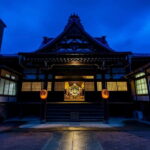
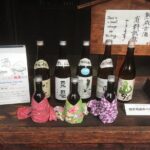
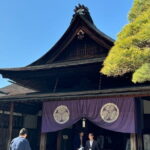
Takayama’s old life is right under your feet. What I like most is the order of the stops: you start inside Takayama Jinya, the last surviving Edo-period government building, then you end with sake tasting in the old-town mood. It’s also a practical tour for real travelers because you get shoe-off, tatami-floor time and a cold-weather reality check (warmer socks help on chilly or wet days).
I love that this is a private, English-language walking tour in a compact 2-hour window, so questions don’t get lost in a crowd. Your guide meets you at the reception desk near the main gate of Takayama Jinya, holding a yellow sign with the logo, and you’ll finish down at 古い町並.
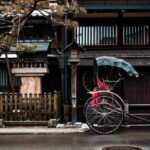
If you like history you can touch and streets you can actually walk, this works. You’ll move through Sanmachi Suji’s traditional wooden streets, pop into local shops selling handcrafted goods, miso, and fragrances, and learn how the town functioned long before it became a shopping-and-sightseeing loop.
In This Review
- Key takeaways
- Entering Takayama Jinya and seeing how an Edo government worked
- Sanmachi Suji: old-town streets, shops, and photo moments that actually make sense
- Sake tasting at a historic brewery: what you’ll learn and how to enjoy it
- Why private guiding makes this tour feel personal in Takayama
- Price and logistics for a 2-hour private walking tour ($68)
- What to wear: the shoe-off, tatami-cold detail that can ruin or improve your day
- Where this tour fits best (and who should skip it)
- Should you book this Takayama Jinya & Old Town private tour?
- FAQ
- How long is the Takayama Jinya & Old Town private walking tour?
- Where do I meet the guide?
- Is the tour private or shared?
- Is the tour available in English?
- What’s included in the price?
- What isn’t included?
- Where does the tour end?
- Do I need to remove my shoes at Takayama Jinya?
- Is there free cancellation?
- Is reserve now, pay later available?
Key takeaways
- Takayama Jinya first: walk through an Edo-era government building and learn how it operated, including tax collection and justice administration
- Sanmachi Suji stroll: a guided walk through the old town’s atmospheric wooden streets and photo spots
- Shoe-off practicality: you’ll remove shoes on tatami and carry them in a plastic bag; bring warmer socks for cold, damp weather
- Historic brewery sake tasting: a included tasting plus guidance on the traditional brewing process
- Shop-smart routing: time for handcrafted goods, miso, and fragrances instead of only snapping photos
- English guide with real opinions: guides such as Mihoko, Yuko, Akane, Micah’s, Toshi-san, and William have helped turn the walk into a story you can follow
Entering Takayama Jinya and seeing how an Edo government worked
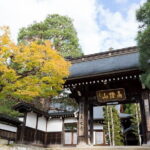
The tour starts at 高山陣屋 (Takayama Jinya), and that matters. In Japan, big “history sites” can sometimes feel like museum stops. Here, you’re taken into a functioning-feeling space where the past has preserved edges you can notice: room layout, flooring, and the sense that this wasn’t built for tourists.
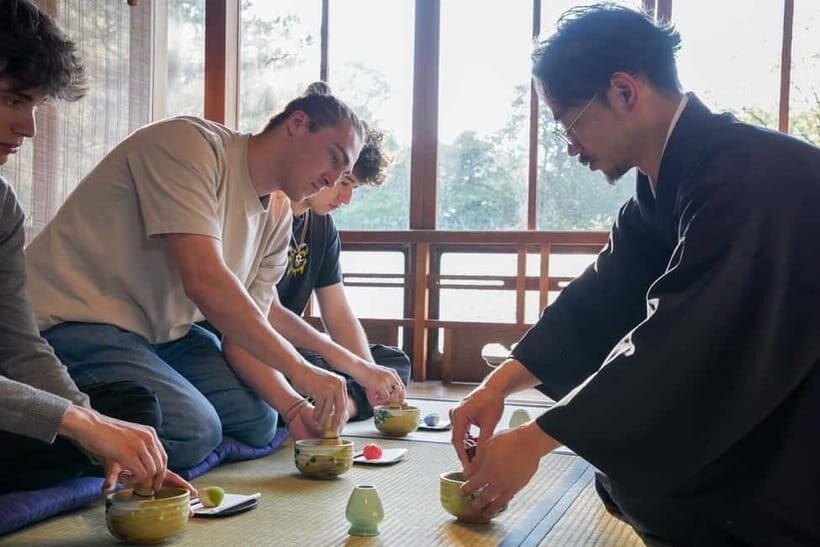
Expect a guided walk that includes a photo stop and a proper inside tour. You’ll remove your shoes (and carry them in a plastic bag), which turns it from a quick look into the kind of experience that makes you slow down. One practical note: tatami can feel cold, especially on a chilly or wet day, so warm socks are a small investment that saves your trip from discomfort.
Takayama Jinya is also special because it’s described as the last remaining government building of its kind from the Edo period. Your guide’s job is to connect the architecture to real jobs the building was used for. You’re not just learning dates—you’re learning what the place was for. In this part of the tour, you’ll hear how government worked on the ground: justice administration and tax collection. That kind of context is the difference between seeing a historic room and understanding why it existed.
Other Takayama walking tours and old-town experiences
Sanmachi Suji: old-town streets, shops, and photo moments that actually make sense
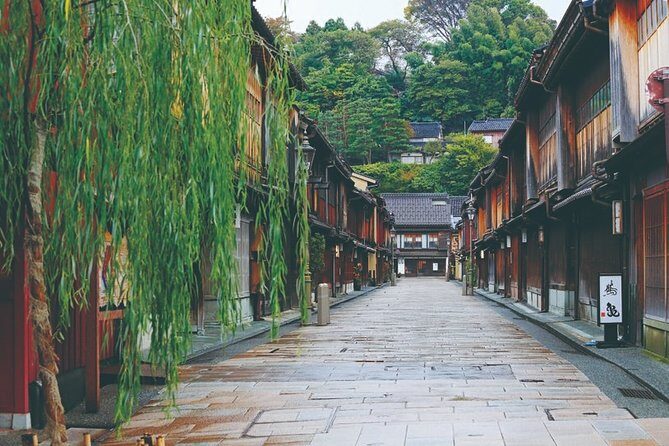
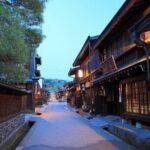
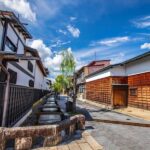
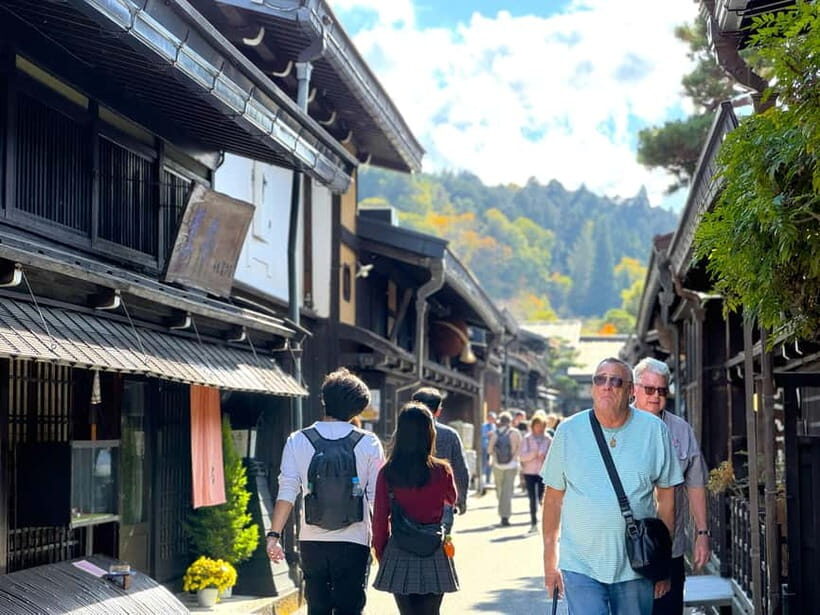
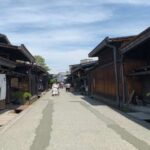
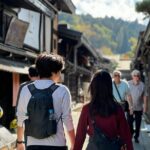
After the Jinya stop, you shift into Sanmachi Suji, the heart of Takayama’s old town. This is where the trip earns its “walkable” reputation. The streets are lined with traditional wooden buildings, and your guide keeps you moving at a good pace—enough time for photos, but not so slow that the group starts to wander.
One thing to know upfront: today, many of the old buildings are shops and restaurants. That doesn’t ruin the atmosphere; it changes the vibe. You trade quiet backdrops for real browsing energy. If you like local food smells and the visual rhythm of storefronts, this is fun. If you’re chasing a fully empty time capsule, you may notice the town has become a living commercial street.
In Sanmachi Suji, the shop browsing is part of the tour’s purpose. You’ll have chances to look for handcrafted goods and local specialties like miso. You’ll also spot fragrances, which is a nice twist for a town known more for its architecture and food. This is also where the old town’s sake culture shows up in the background. Even if you’re not chasing every brewery sign, you’ll see how deeply alcohol and brewing are woven into the town’s identity.
Your guide will often point out what’s worth a closer look and what’s just noise. That kind of guidance saves time because Takayama can feel like a “everything is a shop” place. With the right pacing, you leave with a few good purchases (or at least a shortlist for later), not a bag full of regrets.
Sake tasting at a historic brewery: what you’ll learn and how to enjoy it
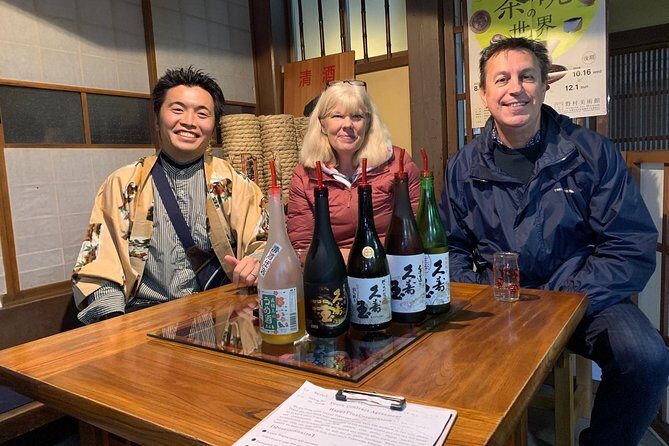
The included finish is a sake-tasting session at a historic brewery. This is one of those tour components that can go either way: it can be either a quick sampling with no context, or a short cultural lesson you remember. Here, the goal is the second one.
You’ll savor locally brewed sake and learn about the traditional brewing process. Even if you’re not a sake superfan, that context helps. It turns the tasting into more than flavor guessing. You can connect what you notice—aroma, smoothness, and how it lands—with something real about how sake is made.
A small piece of realism: some people want the tasting more guided, with more explanation per sip. If that’s you, you can simply ask your guide to pause and talk you through what to pay attention to. In a private or small private-group setting, those questions are easy to fit in without derailing the tour.
Also, don’t underestimate the practical side. It’s a short walk, but you’re still on your feet for about 2 hours total. Sake tasting is better enjoyed slowly, with water nearby when offered, and with a calm pace as you move from one street scene to the next. Treat it like a lesson, not like a sprint.
Why private guiding makes this tour feel personal in Takayama
This tour is private, and the difference shows fast. In a small group (or one group), your guide can adjust the pace. If you ask about history, you get a clear answer. If you ask about what to eat after, you get a realistic route instead of a generic list.
The best part is the variety of guide styles you can run into. Names that have led this experience include Akane, Yuko, Mihoko, Micah’s, Toshi-san, and William. People highlight that the guides are friendly and respectful, with a knack for explaining how the Jinya worked and how the old town functioned day-to-day. They don’t only point at buildings; they connect them to how society ran: administration, justice, taxes, and the rhythms of a town that still carries that identity.
I also like that guides often use the walk to steer you toward what to do next in Takayama. That’s not just entertainment; it helps you spend the rest of your day intelligently. When your guide understands local culture and crafts, your browsing becomes more confident. You’ll know why a shop sells what it sells, and you’ll spend money in places that feel like they belong.
Price and logistics for a 2-hour private walking tour ($68)
At $68 per person for about 2 hours, this is priced like an experience—not just a stroll. The value comes from three included pieces: the admission fee to Takayama Jinya, the guided walking tour, and the sake tasting session. If you try to DIY it, you still pay for entry and you still have to assemble your own route plus a place to do tasting. Having a guide removes that planning friction and keeps you from missing context.
What isn’t included is transport to and from the meeting point. That’s standard, but it matters in a practical way: you should be ready to arrive at 高山陣屋 on time. The meeting point is very specific: near the reception desk by the main gate, and your guide holds a yellow sign with the logo.
Because this is a 2-hour format, it’s ideal for people who want a structured old-town hit without committing half a day. It’s also good for travelers who are juggling limited time in Takayama but still want more than a checklist. If you’re there for day trips or you’re trying to fit old town into a tight schedule, this kind of duration is easier to place.
Other walking tours we've reviewed in Takayama


What to wear: the shoe-off, tatami-cold detail that can ruin or improve your day
There’s one detail here that deserves its own spotlight: shoes off in the Jinya. You’ll remove your shoes and carry them in a plastic bag. That’s normal for many Japanese heritage sites, but it changes what you should wear.
Plan for tatami floors to feel cold, particularly if the weather turns damp. One clear takeaway from guide-led experiences is that warmer socks are a smart move. If you tend to get chilly, bring them even if the air outside feels fine. Layers help too, because the old building experience can feel cooler inside than you expect.
For the rest of the walk, comfortable walking shoes matter. You’ll be photographing and strolling along traditional streets, including time in shop-lined lanes. If your feet are happy, your brain can focus on details—wood textures, street angles, shop displays, and the little bits of history your guide points out.
Where this tour fits best (and who should skip it)
This works best if you want a balance of history and atmosphere. You care about Edo-era culture, you like walking through old-town streets, and you want the included sake tasting to come with context. It’s also a strong choice if you enjoy craftsmanship and local products—handcrafted goods, miso, and fragrances are part of the route for a reason.
You might consider a different type of tour if you’re only after casual sightseeing and don’t want to deal with a structured, shoe-off historic interior stop. Or if you already know exactly what you’re doing in Takayama and plan to do a self-guided tasting later, you may not need a guide.
Should you book this Takayama Jinya & Old Town private tour?
I’d book it if you want the simplest path to seeing Takayama in a meaningful order: Jinya first for context, Sanmachi Suji next for atmosphere, and a historic brewery tasting to tie it together. At $68 with admission and tasting included, it’s good value for the time you save and the guidance you get.
I’d only skip it if you hate shoe-off heritage sites, you’re extremely heat-or-cold sensitive, or you’re traveling with a schedule so tight that arriving at the meeting desk near Takayama Jinya is stressful. Otherwise, this is the kind of 2-hour experience that makes a short Takayama stay feel complete.
FAQ
How long is the Takayama Jinya & Old Town private walking tour?
The duration is 2 hours.
Where do I meet the guide?
Meet at the reception desk near the main gate of Takayama Jinya. The guide will be holding a yellow sign with the logo.
Is the tour private or shared?
It’s a private group.
Is the tour available in English?
Yes, the live tour guide speaks English.
What’s included in the price?
Admission fee to Takayama Jinya, a sake tasting session, and a guided walking tour are included.
What isn’t included?
Transportation to and from the meeting point is not included.
Where does the tour end?
The tour finishes at 古い町並.
Do I need to remove my shoes at Takayama Jinya?
Yes. You remove your shoes and carry them with you in a plastic bag.
Is there free cancellation?
Yes. You can cancel up to 24 hours in advance for a full refund.
Is reserve now, pay later available?
Yes. You can reserve now and pay later, with no payment needed today.