Japan’s Roof of Japan, in one day.
This guided day is built around the Tateyama-Kurobe Alpine Route, a high-altitude travel corridor in Nagano that mixes trains, ropeways, buses, and trolley rides as you climb. You’ll stop at major landmarks along the way, including Kurobe Dam, then reach Murodo at 2450 meters for an easy alpine plateau walk under Mount Tate’s summit area. Summer flowers and autumn color seasons both shape the experience, with clear timing to move you between transport connections without stress.
What I like most is how the day keeps its momentum while still giving you real time to look around. I especially like the built-in viewing pauses at Kurobe Dam and the sense of scale you get when the mountains open up in front of you. I also like that your guided time at altitude isn’t just “stand and pose”—you get around an hour on a leisurely trail with stories about mountain worship and why this place matters in Japanese tradition.
One consideration: it’s a transport-heavy day, and lunch is not included. Even though the walking is reasonable, you’ll still want to plan for chilly conditions and a full schedule that runs long enough to make a late lunch on the train back feel a bit like a fantasy.
Key highlights you’ll feel right away
- Multiple mountain transports that turn the climb into an experience on its own (not just transit)
- Kurobe Dam viewing time at a massive structure built from 1956 to 1963
- Murodo (2450m), Japan’s highest station area, plus a relaxed guided walk of about 1 hour
- Summer alpine flowers, plus best autumn chances in September and October
- English-speaking guides (names that come up include Kieron, Orlando, Luki, and Jans) who keep timing tight between connections
In This Review
- Tateyama-Kurobe Alpine Route in a single, guided day
- Meeting in Nagano and the climb that starts with organization
- Kurobe Dam: seeing Japan’s highest dam from the right angle
- Ropeway and trolley segments to Murodo at 2450m
- The one-hour walk: alpine flowers, easy trails, and worship stories
- Downhill timing: electric car, then back to Nagano
- Price value: what $232 buys you (and what it doesn’t)
- When to go: September–October colors and colder months readiness
- Who this tour suits best (and who should choose differently)
- Should you book this Nagano Roof of Japan walk?
Tateyama-Kurobe Alpine Route in a single, guided day
This tour is for days when you want big mountain drama without turning the trip into a logistics puzzle. The Tateyama-Kurobe Alpine Route is famous for how it gets you up high, but the real win here is that you’re not figuring out each connection alone. A guide handles the rhythm, and you focus on the views, the altitude air, and the short walking moments that make it feel like a hike.
A guided day also helps because the route isn’t just pretty. Your guide will explain the surrounding landscape’s place in Japanese mountain tradition, including the idea of mountain worship. That turns the day from sightseeing into something more meaningful, even if you’re just a casual traveler.
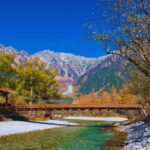
And yes—this is a place where seasons do real work. In autumn (especially September and October), grasses and shrubs can burn red, orange, and brown, while lower forests color up too. If you time it well, the day gives you a changing palette from start to finish, not a single static postcard.
Meeting in Nagano and the climb that starts with organization
Your day begins in Nagano City at JR Nagano Station. Meet your guide at 08:15 in front of the Information Board, directly opposite the Shinkansen ticket gates. That early start matters because this is a “connections” itinerary. The whole point is to reach Ogizawa Station in time to board the first mountain leg.
From Nagano, you’ll take a bus/coach for about 115 minutes (around the 09:45 arrival window). At Ogizawa Station, you get about 25 minutes to prepare before the ascent begins. That prep time is more important than it sounds. High-altitude weather shifts fast, and you’ll want layers ready, plus something comfortable for a short walk later.
Then the climbing begins with the Kanden Tunnel trolley bus, which is the first of several transport modes. That variety is a big part of the fun. You’re not stuck in one vehicle for the whole ascent—you keep changing scenes and getting new angles on the mountains.
Other Tateyama-Kurobe Alpine Route tours from Nagano
Kurobe Dam: seeing Japan’s highest dam from the right angle
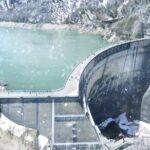
The first major landmark stop is Kurobe Dam. You’ll get about 30 minutes for a break, sightseeing, and a guided visit. This is one of those places that feels both human-made and strangely humble once you’re standing near it. Your guide will share context about its construction, including that it was built between 1956 and 1963 and required labor on an enormous scale—up to 10 million people.
The dam is Japan’s highest dam, and it’s easy to see why it’s framed as national pride. It’s also a symbol of humans trying to negotiate with nature rather than overpower it. That theme fits the whole route: you’re traveling high because the route makes it possible, not because nature is cooperating.
Practical note: this stop is your chance to reset before you go deeper into altitude travel. If you tend to feel cold easily, this is a good moment to put on an extra layer and keep your hands warm for the ropeway and high-station areas later.
Ropeway and trolley segments to Murodo at 2450m
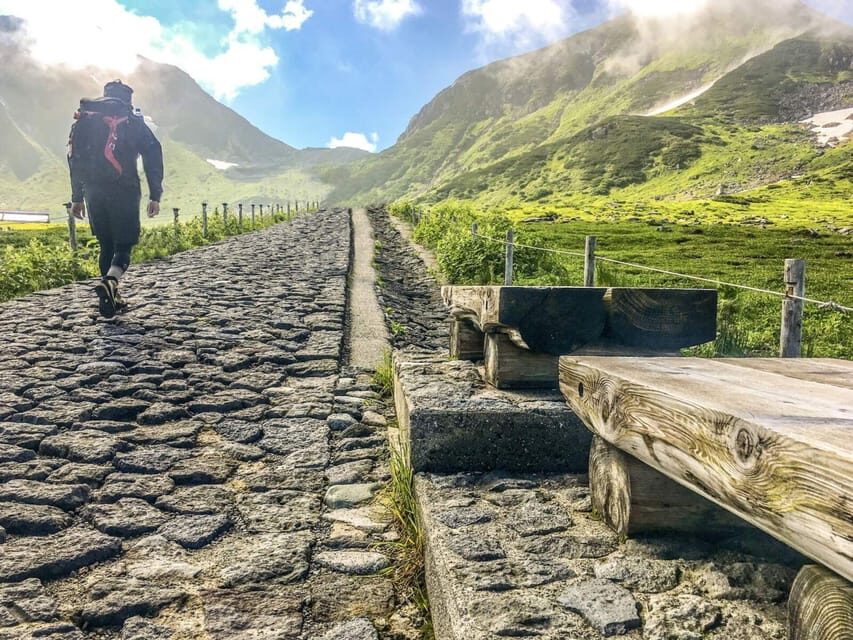
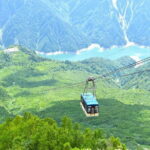
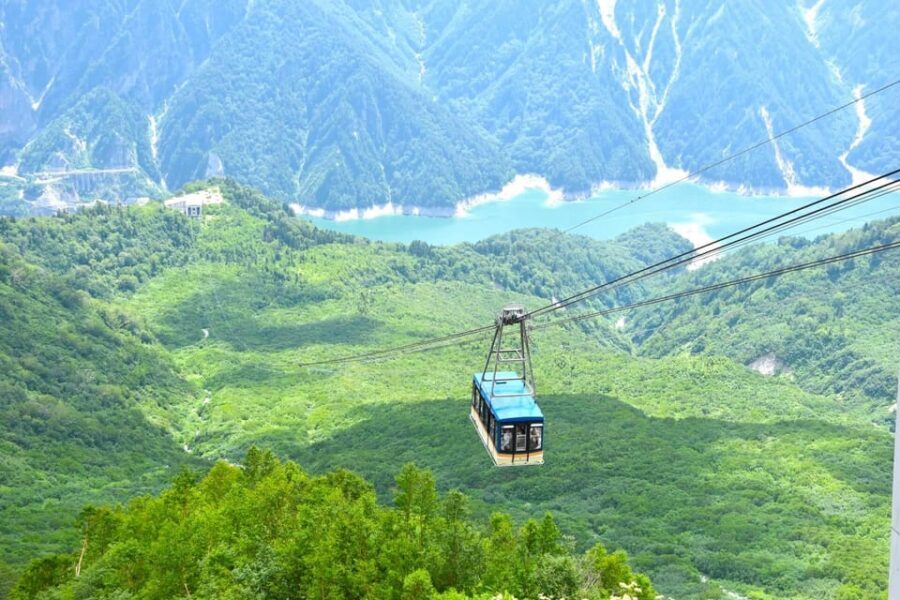
After Kurobe Dam, the route ramps up with the most famous “vertical” feeling parts: the Tateyama Ropeway and then additional trolley bus travel. The ropeway spans about 1700 meters, lifting you toward Daikanbo, and from there you take the final trolley bus up to Murodo.
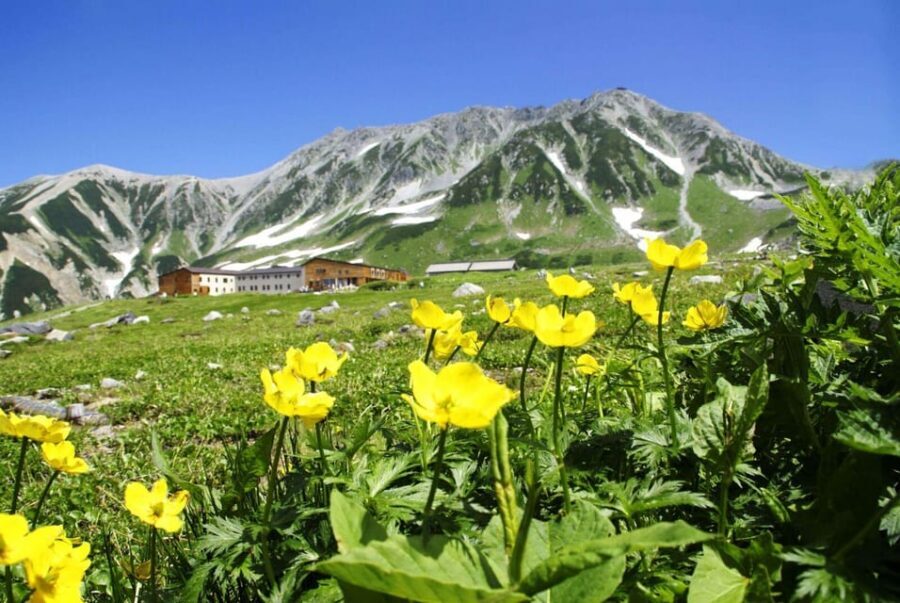
Murodo is the peak moment of the day: at 2450 meters, it’s described as Japan’s highest station. Even if you’ve been on high trains before, altitude here can feel different because you’re also looking around on foot soon after. Your body may want slower movement, and that’s fine—this is not a hard hike day.
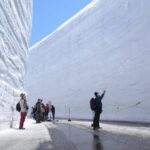
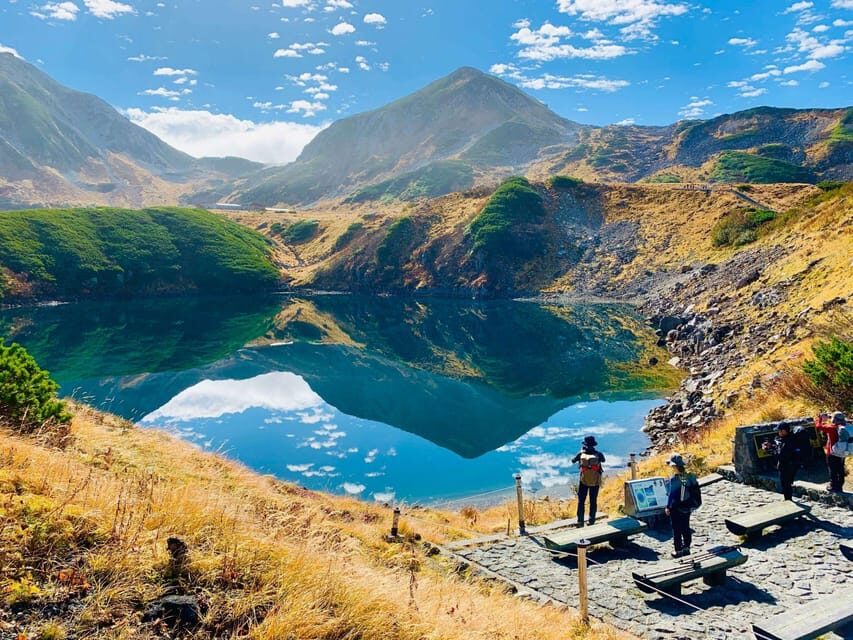
Once you reach Murodo, you’ll have a chunk of time there that includes guided sightseeing and then a leisurely walk of about 1 hour following a trail beneath the summit of Mount Tate. Your guide will point out features you might otherwise miss, while also keeping the pace comfortable enough for reasonable fitness levels.
Temperature matters up here. The tour data lists average daytime temperatures ranging from about 11–16°C in July and 12–18°C in August, down to 3–10°C in October and well below freezing in winter months. For shoulder seasons, I’d still treat it as cold and wind-prone, especially once you’re at the top.
The one-hour walk: alpine flowers, easy trails, and worship stories
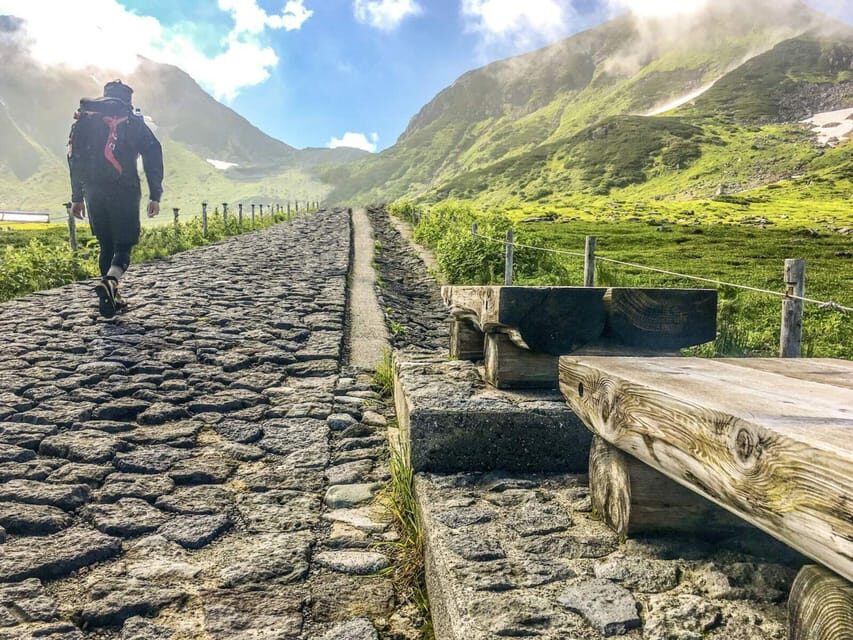
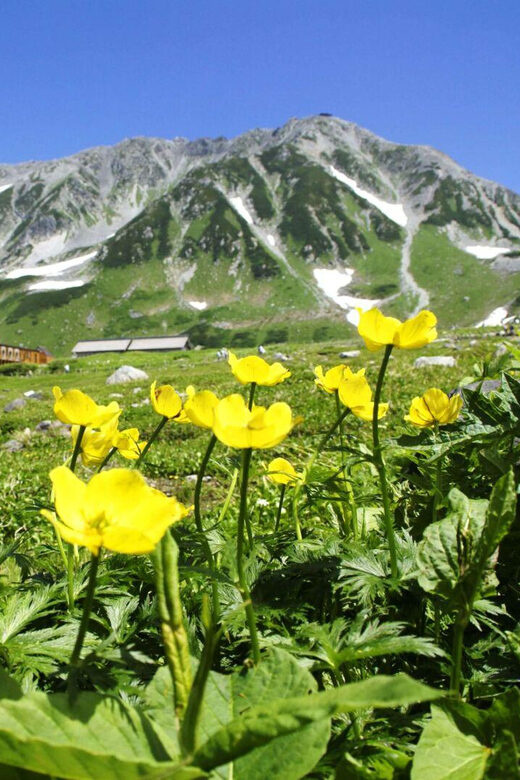
This is where the tour turns from transport to experience. At Murodo, you get a guided walk for roughly one hour on a trail designed for a broad range of visitors. The goal is a relaxed loop/route where you can enjoy the alpine flowers of summer, and, depending on date, some of Japan’s alpine color changes.
The guide’s job here is to translate what you see. You’ll hear about how the area connects to mountain worship traditions. That matters, because high places can otherwise feel like an amusement park of photo spots. With context, you start noticing patterns: vegetation types at altitude, how the day’s light changes how the slope looks, and how the route’s viewpoints fit into the wider mountain story.
You also have freedom built in. The walk is guided, but you’re not forced into every minute of group movement. If you’d rather explore on your own for a bit, you can—just make sure you’re back for the arranged meetup time with your guide.
For November specifically, plan like it could be icy. One traveler noted that the paths at the top were ice-like and they didn’t bring overshoes with spikes even though they were needed. If you’re going in late fall, and you have traction gear, bring it. Your feet will thank you.
Downhill timing: electric car, then back to Nagano
Around 15:00 to 15:30, your guide collects you and you start the descent journey back down. The tour is built around getting you to the next transport without panic, which is a big deal when you’re at high altitude and daylight is precious.
The data shows electric car travel time as about 2 hours, followed by 1.5 hours by bus/coach back toward Nagano. The plan is to return to Ogizawa, where the tour bus is waiting, and then continue back to Nagano City. You’re looking at arrival back at Nagano Station between 18:00 and 19:00.
This is the part of the day where I like that the route is guided. When you’re tired—after a long day of moving up and down—someone keeping the connections sorted is priceless. The guides associated with the tour (like Kieron, Orlando, Luki, and Jans) are specifically described as friendly and attentive to keeping everyone on time, which is exactly the skill you want on a transportation-heavy itinerary.
Other Nagano tours and day trips

Price value: what $232 buys you (and what it doesn’t)
At $232 per person for a one-day experience, you’re paying for more than a walk. You’re buying a bundle: transport from Nagano and back via Ogizawa Station, the Tateyama-Kurobe Alpine Route return ticket, plus an English-speaking guide. That combination is usually the value sweet spot for this kind of high-altitude route, because the day is made of connection points that add up fast if you plan them alone.
What’s not included is also simple:
- Lunch and other snacks/drinks aren’t provided.
- You’d still need to handle Shinkansen tickets to and from Nagano on your own.
- Accommodation is not included.
So, how do you judge value? If you want the route but don’t want to wrestle with multiple segments and timing, the guided bundle makes sense. If you’re the kind of traveler who loves self-planning and you’re already sure about the exact transport segments on your date, you might compare costs. But for most people, the time savings and stress reduction are the hidden bargain.
My practical advice: bring or buy enough snacks to cover the day until you’re back down. Lunch not being included means you should treat meals like a part of the schedule, not an afterthought.
When to go: September–October colors and colder months readiness
Timing is the difference between a good mountain day and a memorable one. For this route, September and October are singled out for autumn color potential. Expect alpine meadows to shift toward red, orange, and brown, while forests below color up too. If you like warm-toned photos and autumn light, this is the sweet spot.
Summer has its own payoff. The highlights emphasize beautiful alpine flowers in summer and the variety of alpine colors you can see at higher altitude.
Winter is where you need extra caution. The tour data lists average temperatures dropping to near freezing and below in November. And one traveler pointed out that paths at the top can be icy. So for late fall and winter months:
- dress in layers
- plan for wind chill at altitude
- bring traction gear if you have it (spikes/overshoes), especially if you’re visiting in November or later
Also remember that clouds can steal contrast quickly. If the day looks threatening, still go. Mountains often clear at different times than you expect, and the route is all about catching those changing views.
Who this tour suits best (and who should choose differently)
This guided walk is a strong match if you want:
- a reasonable-fitness alpine walk that’s still a real change of pace from city travel
- someone coordinating transport so you can enjoy the day instead of managing it
- English guidance plus cultural context about mountain worship
It’s also useful for solo travelers. One solo booking described the trip as manageable, including a small-group feel and easy contact with other people. If you prefer meeting folks without forcing it, this format usually works well.
If you dislike long days of transit, then be honest with yourself. The day includes bus segments, multiple transport modes (trolley bus, ropeway, electric car), and return travel until early evening. You’re not stuck on your feet much, but you are “on the move” all day.
Wheelchair users should note the tour is listed as wheelchair accessible, which is a meaningful inclusion. Still, keep in mind that high-altitude areas can be uneven or weather-affected, so it’s worth being prepared for conditions on the day.
Should you book this Nagano Roof of Japan walk?
Yes—if your priority is a guided, high-altitude route with minimal planning stress and a chance to experience Murodo’s 2450-meter plateau. This is the kind of day where the value comes from the bundled Alpine Route return ticket, the guide who keeps things timed, and the fact that you actually get a short walk at altitude instead of just riding.
Skip it or switch dates if:
- you can’t handle cold (or you’re unprepared for potential ice in late fall)
- you need a relaxed, slow day with long meal breaks
- you want a strictly independent experience with no guide and no scheduled pickup
If you want my simple decision rule: if you’re excited by ropeways, trolley rides, and an easy mountain walk with good context, book it. The route is designed to be conquered through transit, and a guide makes that conquest feel smooth—so you can spend your energy on views, flowers, colors, and the quiet awe that comes with being that high.