Tea in an old house changes everything.
This traditional Japanese Tea Ceremony in a still-intact machiya townhouse is interesting because you’re not just tasting tea—you’re learning how the space itself shaped everyday life. I love the hands-on green tea and matcha instruction, and I love how the setting feels grounded in real Hida craftsmanship. The main consideration is the price at $97.73 per person, so it’s best when you want a calm, guided experience rather than a quick stop.
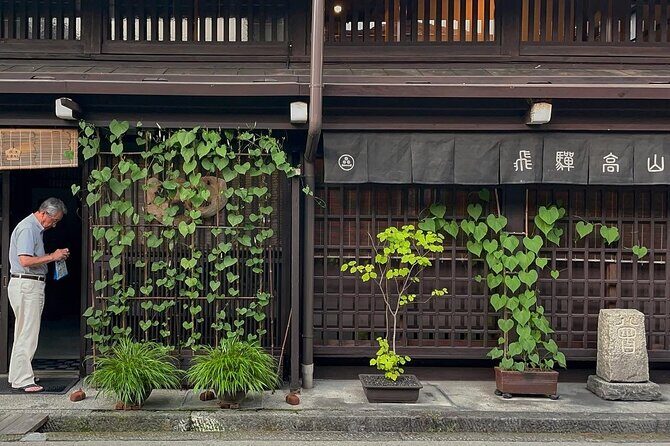
One standout detail: the townhouse was once used together as a main house and an obstetrics and gynecology clinic. That blend makes the rooms feel human and specific, not like a museum set. You’ll also get a clear explanation of how machiya architecture works—especially the long, narrow plan that’s hard to imagine from the entrance—so the building starts to make sense as you move through it.
Because it’s private, you’ll spend about 2 hours with your group and then return to the same Morishitamachi meeting point. Expect seasonal fruits and sweets alongside your tea, and plan to go in with a beginner-friendly attitude if you’ve never made matcha before.
In This Review
- Key highlights worth marking
- A preserved Takayama machiya is the real star
- The former obstetrics and gynecology clinic twist
- Tea ceremony fundamentals: what you’ll actually do
- Seasonal fruits and sweets: the tea’s best friend
- How the 2-hour visit fits your day
- Price and value: what $97.73 buys you
- Who this tea ceremony suits best
- Booking timing and practical notes that matter
- Should you book this private tea room in Takayama?
- FAQ
- Where is the meeting point?
- How long does the tea ceremony last?
- What does the price include?
- Is this a private tour?
- Do I receive a mobile ticket?
- When will I get confirmation after booking?
- What are the opening hours?
- Can I cancel for free?
- Are service animals allowed?
- Is it near public transportation?
- About how far in advance should I book?
Key highlights worth marking
- A machiya townhouse still intact, including that classic long-and-narrow layout
- The surprising former clinic + home combination, which gives the place character
- Bob-san’s hands-on teaching of green tea and matcha
- Seasonal fruits and sweets served with the ceremony
- A true private format, only your group participates
- A focused 2-hour visit that starts and ends at the same spot
A preserved Takayama machiya is the real star
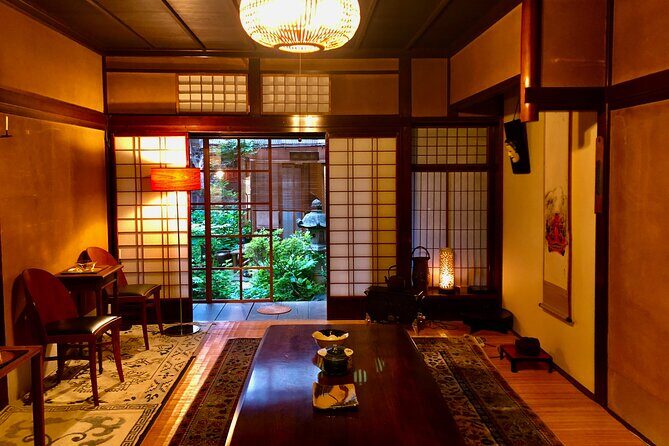
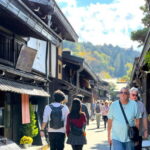
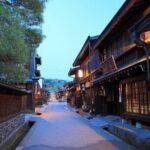
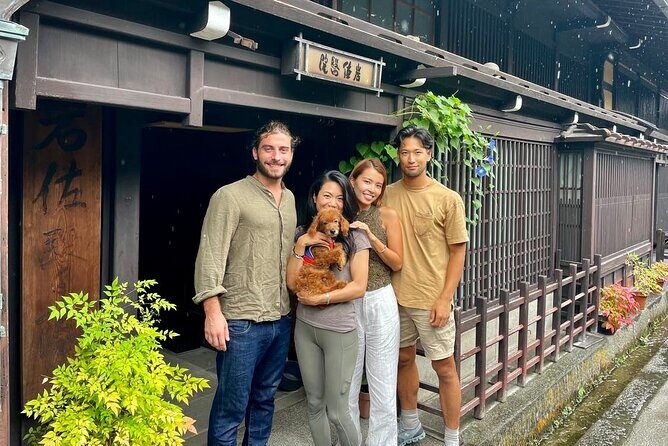
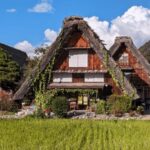
Machiya refers to the merchant houses of Japan’s Edo period. The design is practical in a very specific way: it’s typically long and narrow, because the entrance is narrow. That’s one of those details that sounds abstract—until you’re standing there and realizing the plan is built to fit city life.
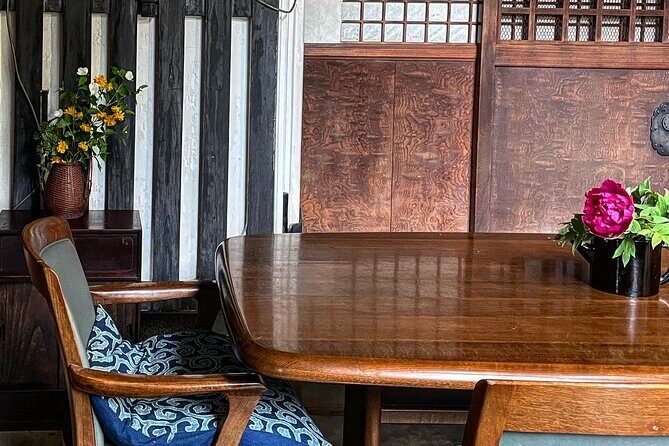
I like that the experience doesn’t treat the house like decoration. The explanation focuses on what the structure was for and how craftsmen used the best materials they had, shaping them into something that’s both beautiful and sturdy. After more than 200 years, it’s still standing and still usable, which makes the tea ceremony feel like it belongs to this place, not to somewhere else.
If you’re the type who enjoys architecture even when it’s small-scale, you’ll probably appreciate the calm confidence of the building. And if you’re mainly there for tea, the architecture lesson is still worth it—it helps you understand why the ceremony is slower and more intentional than a standard café experience.
Other private tours in Takayama
The former obstetrics and gynecology clinic twist
Here’s the part that genuinely caught my attention: the townhouse wasn’t only a merchant home. It was also used as an obstetrics and gynecology clinic, with the main house and clinic sharing the same overall property. That combination creates a strange but meaningful harmony—private family life and serious everyday care, both happening in the same structure.
You might not expect a tea ceremony to include a story like that, but that’s exactly why it works. Instead of an invented “old-timey” vibe, you get a real clue about how people used space for practical needs while still pursuing beauty. It makes the tea moment feel less like performance and more like a continuation of daily life in a specific house.
As you look around, pay attention to how the rooms relate to each other. Even without technical details, you can start to feel the logic of where people would have moved, worked, and rested. That’s a big reason the experience feels more grounded than typical scripted cultural activities.
Tea ceremony fundamentals: what you’ll actually do
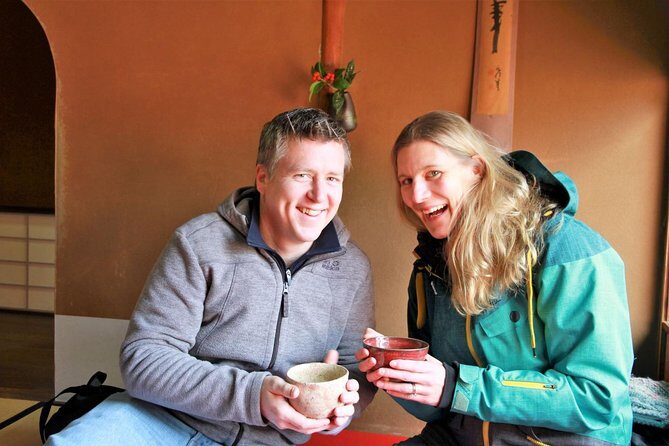
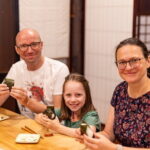
A traditional Japanese tea ceremony is often thought of as choreography. In this tea room, the goal feels more practical: you learn through doing. The host, Bob-san, is described as an incredible host—friendly and kind—and that warmth matters, because it lowers the pressure if you’re new to tea.
From what you’ll experience, you can expect two core skills to come up naturally:
- Green tea preparation, explained clearly enough to understand the flow
- Matcha making, taught in a way that helps you connect technique with taste
The teaching style seems intentionally hands-on. That means you’re not just watching someone pour tea and nod politely. You’re learning how the process changes the final cup—why certain steps matter and how to tell when you’re on track.
Even if you don’t leave able to recreate everything perfectly, you’ll still pick up the “why” behind the ritual. And that’s what makes the ceremony more valuable than a simple tasting: it gives you tools you can use later, at home, on a normal day.
Seasonal fruits and sweets: the tea’s best friend
Tea ceremonies often pair flavor with texture, and this one includes seasonal fruits and sweets. That matters because the pairing isn’t random. Seasonal ingredients are a big part of how Japanese dining connects to the time of year and the mood of the moment.
In practical terms, the fruits and sweets do two jobs. First, they give you something to notice while your tea experience unfolds. Second, they help balance the bitterness and intensity that can come with quality green tea and matcha.
If you’re used to thinking of matcha as only a drink, tasting it alongside seasonal sweets can help you understand it as part of a full sensory sequence. You’ll likely find the ceremony feels more like a meal rhythm than a one-note beverage event.
One small consideration: if you have strong preferences about sweetness or tea bitterness, it helps to be ready to sample what’s served that day. The ceremony is seasonal by design, so it won’t be tailored to a single flavor profile.
How the 2-hour visit fits your day
This experience runs for about 2 hours, which is a sweet spot. Long enough to learn and taste, not so long that you feel like you’re rushing through the rest of Takayama.
It’s also organized for an easy start and finish. You meet at 2-chōme-147 Morishitamachi, Takayama, Gifu 506-0823, Japan, and the activity ends back at the same meeting point. That matters because it reduces the stress of figuring out what you do next. You can plan meals and sightseeing right after without needing another transfer.
Because it’s private, you won’t be sharing your focus with strangers. That’s not just a comfort perk. It also makes the teaching feel more direct. Questions and adjustments can happen naturally without the awkward pause of a crowded group.
Also, note the house is a traditional machiya townhouse. You might find you’re moving through a few connected rooms and hallways as the host explains the architecture and guides the tea steps. Wear shoes you’re comfortable walking in, especially if you’re the type who wants to move slowly and look around.



Price and value: what $97.73 buys you
At $97.73 per person, this isn’t a cheap “try tea once” experience. But it also isn’t just a tasting flight.
You’re paying for:
- A private tea room experience (only your group participates)
- A guided explanation of machiya architecture, not just tea
- Hands-on instruction for green tea and matcha with Bob-san
- Seasonal fruits and sweets alongside the tea
There’s also a timing reality: it’s popular. On average, this type of activity is booked 99 days in advance. That’s a sign it tends to sell out when people are planning earlier trips. If you wait until the last minute, you’ll likely limit your choice of time slots.
So is it worth it? For me, it’s a yes if you fall into at least one of these buckets:
- You want a calm, low-rush cultural activity
- You want to learn a skill (matcha and green tea prep)
- You care about the setting—machiya architecture and how everyday spaces worked
- You’d rather do something intimate than in a large group
If you’re only after a quick drink with no interest in technique or architectural context, there are cheaper ways to get green tea in Takayama. But if you want the ceremony to actually teach you something, this price starts to make sense.
Who this tea ceremony suits best
This experience fits best if you like structured, respectful cultural learning without feeling formal or stiff. The private format helps a lot. If you’re traveling as a couple, small family, or a small group of friends, the ceremony style tends to work well because it stays personal.
It’s also a good fit if you enjoy architecture and want the story behind the building. The former clinic + home detail gives you something unusual to think about while you taste tea.
On the flip side, if you’re in a hurry or hoping for a long photo-heavy stroll, this may feel too focused. It’s a tea ceremony, not an open-ended tour of every corner of Takayama. You come in, learn in the house, taste, and leave.
Booking timing and practical notes that matter
This activity uses a mobile ticket, so have your phone ready. Confirmation is sent within 48 hours of booking, subject to availability. That means you should book soon after you lock your dates, especially since the average booking window is about 99 days in advance.
For meeting logistics, the start point is clearly set in Morishitamachi, and the activity is near public transportation. That’s helpful if you’re not staying right in the middle of the old-town area.
The experience is offered as a private tour/activity, meaning only your group participates. If you prefer to avoid large groups and want time for questions, this structure is a plus.
Should you book this private tea room in Takayama?
If you want a tea experience with real substance, I’d book it. The combination of still-intact machiya architecture, a genuinely interesting story about the former clinic and home setup, and Bob-san’s hands-on teaching of green tea and matcha makes this more than a quick cultural checkbox.
It’s also a good choice when you like learning something you can repeat. Even if you don’t master everything on the first try, you’ll leave knowing what to look for next time you make or taste matcha.
Just make sure the price feels comfortable for you. At $97.73 per person, I’d only commit if you’re actually excited about technique, setting, and the seasonal pairing with fruits and sweets.
FAQ
Where is the meeting point?
You’ll meet at 2-chōme-147 Morishitamachi, Takayama, Gifu 506-0823, Japan.
How long does the tea ceremony last?
It’s approximately 2 hours.
What does the price include?
The experience includes the traditional Japanese tea ceremony with machiya architecture context, plus Japanese tea with seasonal fruits and sweets.
Is this a private tour?
Yes. It’s a private tour/activity, and only your group participates.
Do I receive a mobile ticket?
Yes, the tour uses a mobile ticket.
When will I get confirmation after booking?
Confirmation is received within 48 hours of booking, subject to availability.
What are the opening hours?
The listed opening hours show Monday as 9:00 AM to 6:00 PM (with the listed date range 07/01/2023 to 01/08/2027).
Can I cancel for free?
Yes. You can cancel for a full refund if you cancel up to 24 hours in advance of the experience start time.
Are service animals allowed?
Yes, service animals are allowed.
Is it near public transportation?
Yes, it’s near public transportation.
About how far in advance should I book?
On average, this experience is booked about 99 days in advance.