Broken pottery can be beautiful. In this private Kintsugi workshop in Kanazawa, you’ll walk through the real sequence behind Japan’s centuries-old repair method—fast enough for a 2.5-hour session, but grounded in how long the full process normally takes. You’ll learn the purpose of Kintsugi, what materials go into it, and how the different stages build toward a repair that can last for decades.
I love that you practice the steps yourself, instead of just watching. I also like how the workshop frames Kintsugi as repair + reuse, not throw-away culture. The host talks history and shows how the materials work, then you get hands-on with each stage.
One consideration: you won’t be able to bring your own broken pottery to repair, and you won’t walk out with a fully repaired studio piece. Also, the class uses urushi, which is related to poison ivy, so it’s not recommended for very sensitive skin or kids under 15.
In This Review
- Key things you’ll notice fast
- A 2.5-hour taste of Kintsugi’s long timeline
- Entering the studio in Hyōtanmachi and settling in
- What Kintsugi really teaches: reuse, not conceal
- Step by step: glue and paste work you’ll actually feel
- 1) Preparation and application of glue
- 2) Preparation and application of paste
- 3) Sanding
- Waterproof coverage and the logic behind the finish
- The gold decoration part: practice on a sake cup
- Sustainability that actually shows up in your hands
- Urushi caution: who should think twice
- Price and value: what $106 buys you in Kanazawa
- Where this workshop fits best for your trip style
- How to plan your timing at 4:00 pm
- Should you book Traditional Kintsugi in Kanazawa?
- FAQ
- Can I bring my own broken pottery to repair?
- Can I take home a Kintsugi pottery from the studio?
- How long is the workshop?
- Is this a private experience?
- What will I learn during the class?
- Do I use real gold in the process?
- What is included in the price?
- What should I be careful about before booking?
- Where is the meeting point?
- When does the workshop start?
Key things you’ll notice fast

- Hands-on practice through the main Kintsugi steps, not just a demo
- You learn the workflow (glue → paste → sanding → waterproof coverage → gold) in one sitting
- Gold decoration practice on a sake cup, and you take that home
- A sustainability lesson built into every stage of the repair method
- Private group attention in a studio setting near Kanazawa Station
A 2.5-hour taste of Kintsugi’s long timeline
.jpg)
Kintsugi is famous, but it’s also easy to misunderstand. People often think it’s only about the shiny gold line. The truth is that the look comes from a lot of careful prep and timing.
In the full traditional process, natural materials need serious drying time. The workshop you’re booking compresses the education into about 2 hours 30 minutes by giving you hands-on practice with studio pieces and focusing on each step you need to understand. That means you won’t wait a month for a full repair cycle, but you will see the logic of what normally takes weeks.
Why that matters for you: if you’ve ever wanted to fix something at home and keep it instead of replacing it, you need to understand the sequence. This is the easiest way to get that mental map.
Other Kanazawa tours and samurai-district walks


Entering the studio in Hyōtanmachi and settling in
.jpg)
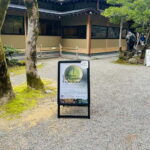
The experience starts at kintsugian in Hyōtanmachi (address listed as 17 kintsugian), and it’s about a 10-minute walk from Kanazawa Station. It’s also noted as near public transportation, which is helpful in Kanazawa where you’ll likely be hopping between neighborhoods by foot or bus.
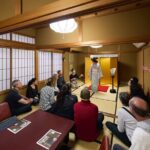
When you arrive, you’re not dropped into a workshop frenzy. The host greets you at the studio, and you’ll get small comforts like tea and cookies before the class really starts. That sounds simple, but it changes the tone. You can slow down, listen, and ask questions without feeling rushed.
This studio setting is also part of the value. The workshop is private, meaning only your group participates. Even if your group is small, you should expect the instructor to focus on your questions and the details of your technique.
What Kintsugi really teaches: reuse, not conceal
.jpg)
At the center of the class is a big idea: Kintsugi is a repairing method designed to keep the original object alive. The method is traditionally used on ceramics, and the materials can be used on other items too (the class mentions ceramics, woods, and glasses). It’s sustainable because you reuse what broke instead of discarding it.
You also learn that Kintsugi isn’t only decorative. The repair is functional. The workshop talks about how each material layer contributes to durability—part of why properly done Kintsugi repairs can last decades.
If you care about making your travel memories useful, this is one of the best types of souvenir you can buy. You leave with skills and a new way of seeing objects: damage isn’t the end of the story. It’s the next chapter.
Step by step: glue and paste work you’ll actually feel
.jpg)
The workshop breaks the traditional process into clear stages. In practice, you’ll learn the steps and apply them as you go, using pieces from the studio.
1) Preparation and application of glue
This is where Kintsugi starts being more than art. The instructor shows how the first binding layer sets up the repair and what you need to pay attention to before any coating happens. Your job is to apply glue in a way that supports alignment and stability.
Other private tours in Kanazawa






2) Preparation and application of paste
Next comes the paste stage. This is about building the repair area so it doesn’t just hold together—it also shapes how the break line will become part of the finished surface. The paste work tends to be where beginners start understanding why timing and technique matter.
3) Sanding
After the earlier layers, the surface needs refinement. You learn how sanding helps smooth and shape the repair so later steps can adhere correctly and look intentional, not accidental. This step is important if you care about craftsmanship. A good repair should look composed, not messy.
What I like about this step-by-step format: you don’t have to guess which part matters most. You feel it directly in your hands, then understand why.
Waterproof coverage and the logic behind the finish
.jpg)
After glue, paste, and sanding, the class moves into waterproof coverage. This is a practical detail that often gets skipped in simplified Kintsugi explanations. The point is to protect the repair and help it hold up over time.
Once you understand this layer, you’ll stop thinking of Kintsugi as purely decorative. It’s a layered system: structure first, then surface prep, then protection.
Even in a short workshop, you’ll get the sense that Kintsugi is methodical. Nothing is random. That’s part of why the repairs can last so long.
The gold decoration part: practice on a sake cup
.jpg)
This is the fun part—and the part you can take home.
In the final stage, you’ll practice gold decoration on a sake cup. This matches what the workshop is designed to do in a single afternoon: you learn the key finishing technique and you leave with a piece that shows what you learned.
The class includes gold powder and tools, and you’ll also receive a souvenir related to the gold you used for practice. So you’re not just walking out with a certificate and photos. You have a visible result from your own hands.
Practical note: gold decoration is not about making every line identical. It’s about controlled placement and letting the break line become the design. When you look at your cup afterward, don’t expect it to look like a machine-made product. The beauty is in the repair story.
Sustainability that actually shows up in your hands
.jpg)
Kintsugi is often marketed as a sustainability story. Here, it feels real because you’re working through the repair method itself: the materials, the layers, and the careful preparation.
The workshop emphasizes that the materials used are natural and safe for the body (as described in the experience details). You’re also learning why the traditional approach aims for long life. A repair that lasts decades changes your whole relationship with your belongings.
And there’s another sustainability angle: Kintsugi flips the mindset. Instead of asking what you can replace, you ask what you can keep.
Urushi caution: who should think twice
.jpg)
One of the most important practical pieces of this experience is the safety note.
The workshop uses urushi (linked to poison ivy). The experience isn’t recommended for people who have very sensitive skin or for children under 15. If you have known skin sensitivities, it’s worth being extra careful and asking the studio if you should avoid participation.
This is not the time to “tough it out.” Urushi is the real stuff used in the tradition, and the workshop wants you safe while you learn.
Price and value: what $106 buys you in Kanazawa
At $106 for about 2 hours 30 minutes, you’re paying for an instruction-led, hands-on studio class that includes materials and gold powder.
Here’s the value logic I’d use if I were choosing this class:
- You’re not paying for a quick talk. You’re practicing multiple stages of a traditional repair system.
- Materials and tools are covered, including gold powder.
- You’ll take home something you made (the gold decoration practice on a sake cup plus the souvenir item tied to the gold).
Also, it’s private. Even with a small group, private attention matters for technique-heavy work like glue, paste, sanding, and finishing.
You should still set your expectations correctly: you’re not taking home a fully repaired, studio-finished pottery piece, and you can’t bring your own broken item to repair in this workshop.
Where this workshop fits best for your trip style
This Kintsugi class works best if you like:
- hands-on crafts with a story
- practical cultural skills
- slower afternoons in a studio setting
It may not be the best pick if you mainly want a passive sightseeing activity. This workshop expects you to work with your hands and follow the process step by step.
It also suits travelers who enjoy authentic local craft experiences around Kanazawa, especially if you’re already in the mood for traditional arts.
If you’re with a friend or two, the private setup can make it feel calm and personal rather than like a factory tour.
How to plan your timing at 4:00 pm
The workshop starts at 4:00 pm and ends back at the meeting point. For Kanazawa, a late afternoon start is smart: you get the workshop before dinner, and the city’s evenings are easy to enjoy afterward.
One of the nice perks from the experience details and host style is that you’ll likely get helpful local suggestions. The instructor has been known to recommend a dinner spot after the workshop, which is handy when you want something convenient but still local.
If you like to fill your day with walking and museums, this time slot gives you a reset. You’ll come out with a project and a story, not just a schedule.
Should you book Traditional Kintsugi in Kanazawa?
If you want a cultural craft experience that’s hands-on, methodical, and meaningful, I think it’s a strong yes. The biggest reasons:
- You’ll learn the core Kintsugi workflow in a short window.
- You practice multiple stages, so it’s not just watching.
- You get a gold-decorated sake cup practice piece to take home.
Skip it only if:
- you’re dealing with urushi-related skin sensitivity concerns
- you’re hoping to repair and take home your own broken pottery
- you want a passive, sightseeing-style activity
For the right traveler, this is the kind of workshop that sticks with you long after the trip ends—because you learn a skill and a way to see breakage as part of value.
FAQ
Can I bring my own broken pottery to repair?
No. You won’t be able to bring and repair your own piece in this workshop.
Can I take home a Kintsugi pottery from the studio?
You won’t be able to take a Kintsugi pottery with you from the studio. You will practice and take home the gold decoration part on a sake cup.
How long is the workshop?
It’s about 2 hours 30 minutes.
Is this a private experience?
Yes. It’s private, so only your group will participate.
What will I learn during the class?
You’ll learn what Kintsugi is and its history, which materials are used, glue and paste preparation/application, sanding, waterproof coverage, and gold decoration (on a sake cup).
Do I use real gold in the process?
You’ll use gold powder as part of the gold decoration practice, and it’s included.
What is included in the price?
Materials and tools for the workshop are included, along with gold powder. You also receive a souvenir with the gold you used for practice.
What should I be careful about before booking?
The workshop uses urushi (poison ivy). It’s not recommended for people with very sensitive skin or children younger than 15.
Where is the meeting point?
The start point is at kintsugian, Hyōtanmachi 17 in Kanazawa (920-0845). It’s about a 10-minute walk from Kanazawa Station and near public transportation.
When does the workshop start?
It starts at 4:00 pm. Confirmation is received at the time of booking.