Kanazawa rewards slow, careful walking. This 4-hour guided tour strings together the big names with quieter side lanes, so you get the headline sights and the in-between atmosphere. I especially like the English-speaking guide who gives clear context, and the fact that you get photos taken during the tour so you’re not stuck juggling your camera all day.
You’ll cover the garden, the samurai-era centerpiece, a classic food stop, and an old geisha district—without feeling like you’re sprinting. I also like that it’s a small group (up to 10), which makes it easier to ask questions and move at a human pace.
One consideration: entrance tickets, lunch, and transportation aren’t included, so budget for paid entry and whatever you decide to snack on at Omicho Market. If you hate walking, this may feel like more than you want—but it’s designed as a walking tour, with short on-foot segments between areas.
In This Review
- Key highlights I’d plan around
- A 4-hour Kanazawa route that actually fits a day
- Meeting at Kenjotei Tea House: a calmer start than most tours
- Kenroku-en in 60 minutes: what you can see without rushing
- Kanazawa Castle area: samurai-era focus in 40 minutes
- The walk between sights: short legs, steady flow
- Omicho Market for one hour: snack-smart, not meal-planning
- Higashi Chaya District for 60 minutes: tea-house streets and tradition
- The guide matters: clarity, flexibility, and a personal touch
- Value check: is $90 worth it for this 4-hour mix?
- Who this tour fits best (and who might prefer something else)
- Should you book this Kanazawa walking tour?
- FAQ
- What is the meeting point for the Kanazawa tour?
- How long is the tour?
- Is the tour guided in English?
- How many people are in the group?
- What’s included in the price?
- What isn’t included?
- Is free cancellation available?
- Is there a reserve now & pay later option?
Key highlights I’d plan around
- English guide explanations that connect the dots between the garden, castle area, market, and tea districts
- Kenroku-en in a timed window so you still see seasonal highlights without burning your whole day
- Kanazawa Castle time that stays focused instead of turning into a wander
- Omicho Market stop with real local food watching (and easy snack breaks)
- Higashi Chaya District walk through old-street atmosphere
- Photos during the tour so you get good shots without babysitting your phone
A 4-hour Kanazawa route that actually fits a day
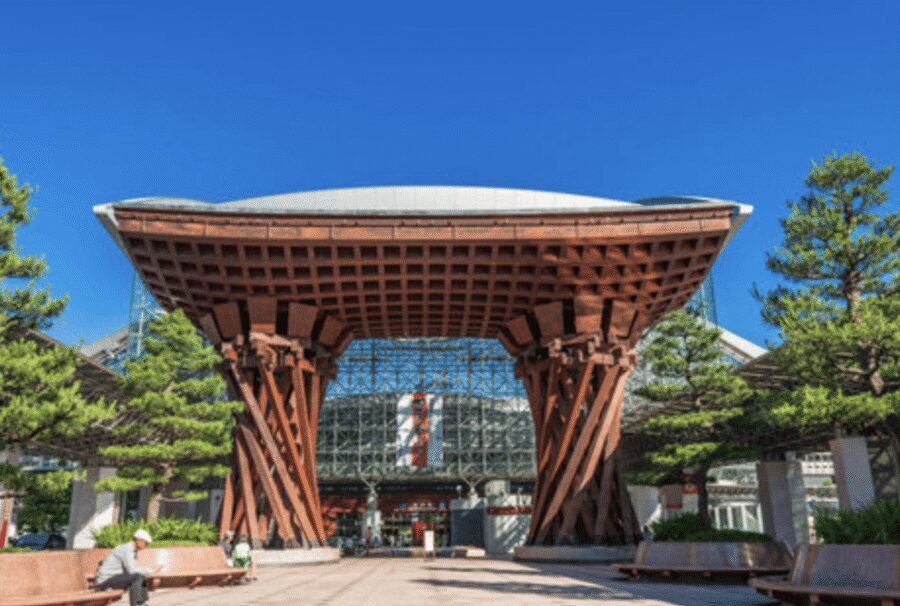
Kanazawa can feel big on the map and small in real life. This tour is a smart way to get oriented fast: you start at Kenjotei Tea House, then move through the city’s best-known highlights in a set order. The upside is momentum. You’re not spending your precious morning trying to figure out the best walking path.
Because it’s a group tour capped at 10 people, the guide can keep things moving while still answering questions. You’ll also get a bit of what tourists often miss: side alleys and lanes that aren’t the main photo line. That matters in Kanazawa, where the charm often lives in the details—small street angles, traditional facades, and the rhythm of daily life.
At $90 per person, you’re paying for a trained guide, historical context, and the convenience of having the stops stitched together. You’re not paying for lunch or entrance tickets, so your total day cost will depend on what you choose to eat and what you decide to pay to enter.
Other Kanazawa tours and samurai-district walks

Meeting at Kenjotei Tea House: a calmer start than most tours
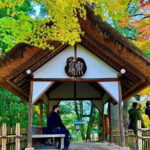
You gather in front of Kenjotei Tea House, which is a good start point for two reasons. First, it gives you an easy visual anchor for meeting. Second, it puts you in the right mood—tea house vibes in the opening minutes is a nice tone-setter for the rest of the day.
From there, you’ll head into the garden area and then keep moving through the city by foot. Expect a tour that uses your feet as the transport—so wear comfortable shoes. Even if each walking segment is short, you’ll still be on the move for roughly four hours.
Kenroku-en in 60 minutes: what you can see without rushing
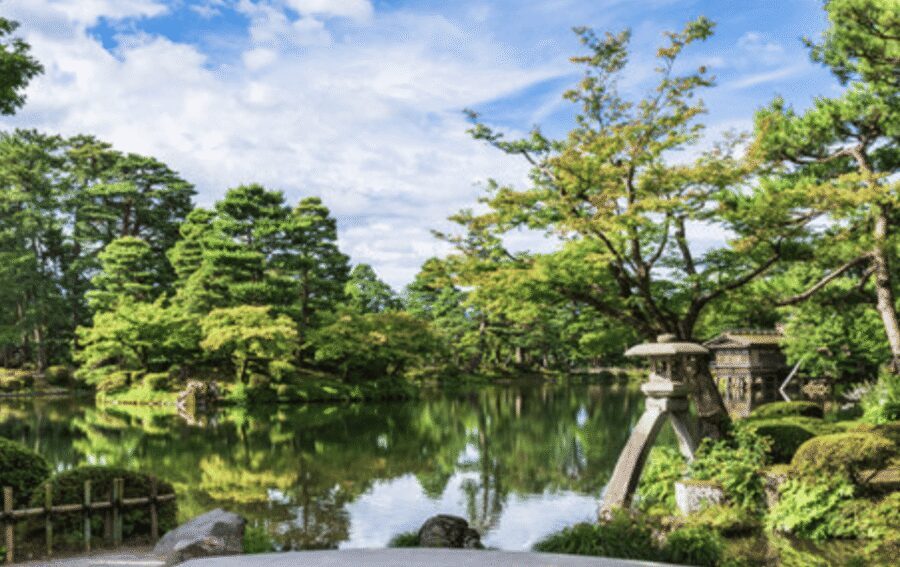
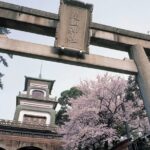
Kenroku-en is one of Japan’s most famous gardens, and for good reason: it’s designed to feel different as you move. With 1 hour on the clock, you’re not trying to see every corner in detail. You’re there to get the overall layout, understand the garden’s design ideas, and catch key seasonal visuals while the day is still young.
Here’s how I’d think about your time in Kenroku-en: aim to walk a loop, pause for a few views, then let the guide steer you to the spots that make the garden make sense. A good guided visit turns a garden from scenery into understanding—why certain areas are framed the way they are, and how the garden supports different moods throughout the year.
The practical upside of a timed stop is that you still have energy left for the rest of Kanazawa’s highlights. If you tried to do Kenroku-en plus everything else on your own, it’s easy to lose half a day. This gives you the garden hit and then moves you along.
Kanazawa Castle area: samurai-era focus in 40 minutes
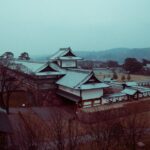
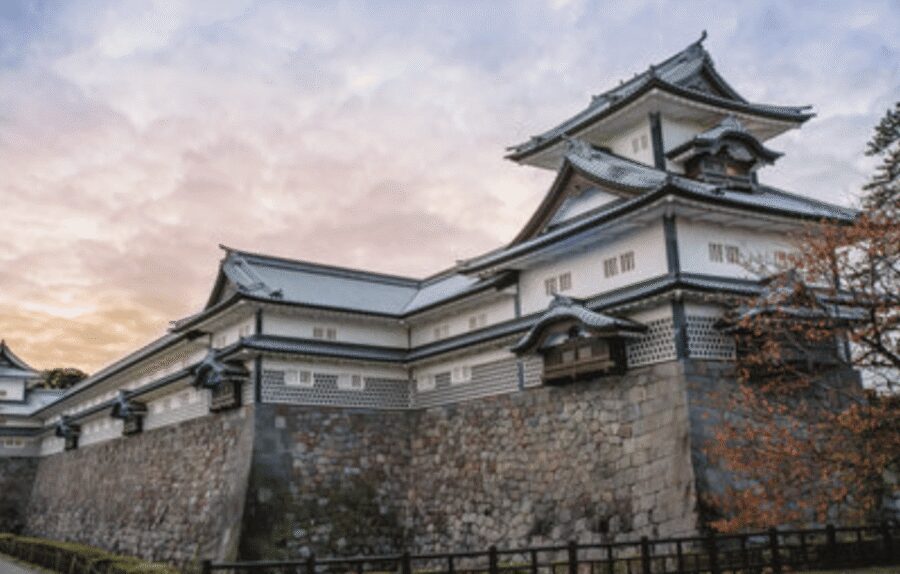
Next comes Kanazawa Castle, with 40 minutes allocated. This is one of those stops where a guide can save you from wandering without purpose. The castle area can look like a lot of stone, walls, and open space, so the value is in hearing what you’re actually looking at.
In less time than you’d spend in a museum, you’ll get the story of the place and the role it played in Kanazawa. If you’re the type who likes architecture and layout, this short visit works well because it stays focused on the big takeaways instead of turning into a slow crawl.
A small drawback: 40 minutes can feel tight if you want to stop for long photos at every angle. Plan to pick your favorite viewpoint, then let the guide move you on. It’s a pacing trade-off, and for a first-timer route, it’s usually the right one.
The walk between sights: short legs, steady flow
The itinerary includes short on-foot segments between stops (about 15 minutes early on, and another 10 minutes later). This is more than just “transfer time.” Those bits of walking are where you start to feel the city. You’re moving through neighborhoods rather than hopping directly by transport.
This matters because Kanazawa’s charm isn’t only the major monuments. It’s also the in-between scale: streets that feel human, corners that lead somewhere unexpected, and traditional districts that look best when you’re approaching them slowly. The guide’s job here is to keep you from getting lost while still steering you toward alleys that don’t land in every postcard.
Other walking tours we've reviewed in Kanazawa



Omicho Market for one hour: snack-smart, not meal-planning
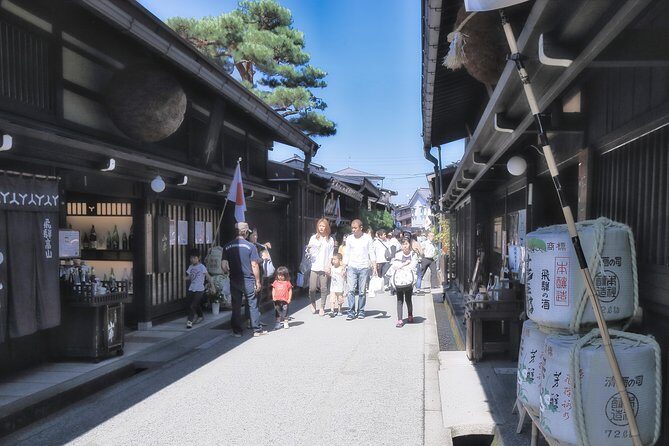
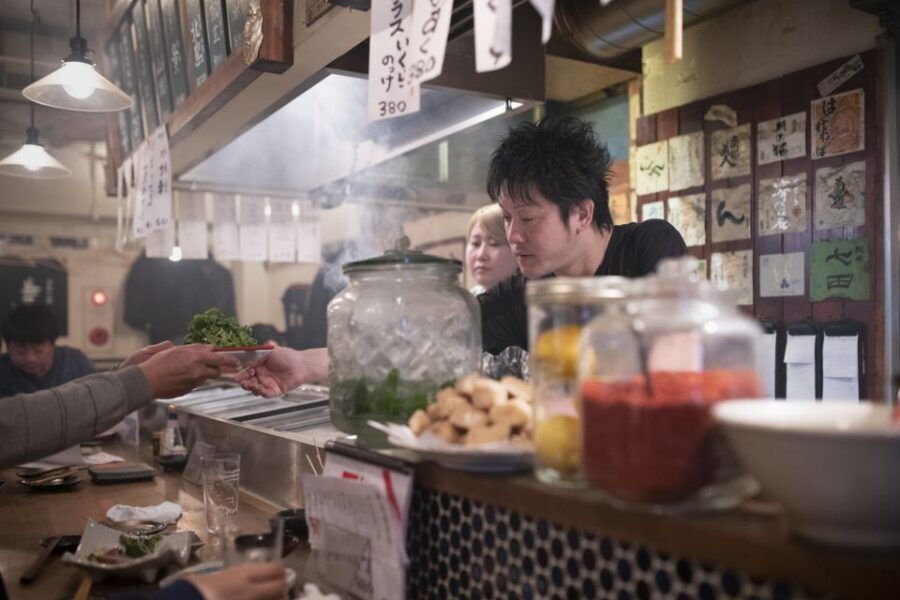
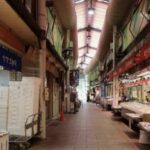
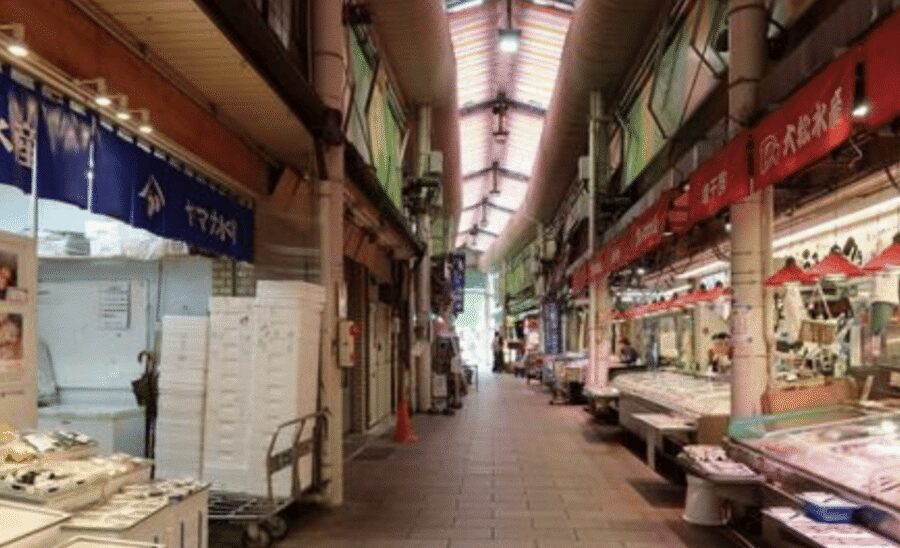
Then you hit Omicho Market for 1 hour. This is the time to think like a local food watcher. Even if you don’t plan a full meal, the market is where you see how people shop, how stalls are arranged, and what foods are being emphasized that day.
Because entrance tickets and lunch aren’t included, this stop is designed to be flexible. You can spend your time browsing, buying small bites, or simply enjoying the food energy. If you’re trying to keep your budget under control, set a snack limit before you walk in—markets can be dangerous in the best way.
Also, markets are sensory. Expect crowds in some sections, lots of signage, and fast-moving vendors. The guide’s presence helps because you don’t waste time guessing where to go. You’re there to taste the atmosphere and maybe grab a few bites, then you move on without turning it into a two-hour detour.
Higashi Chaya District for 60 minutes: tea-house streets and tradition
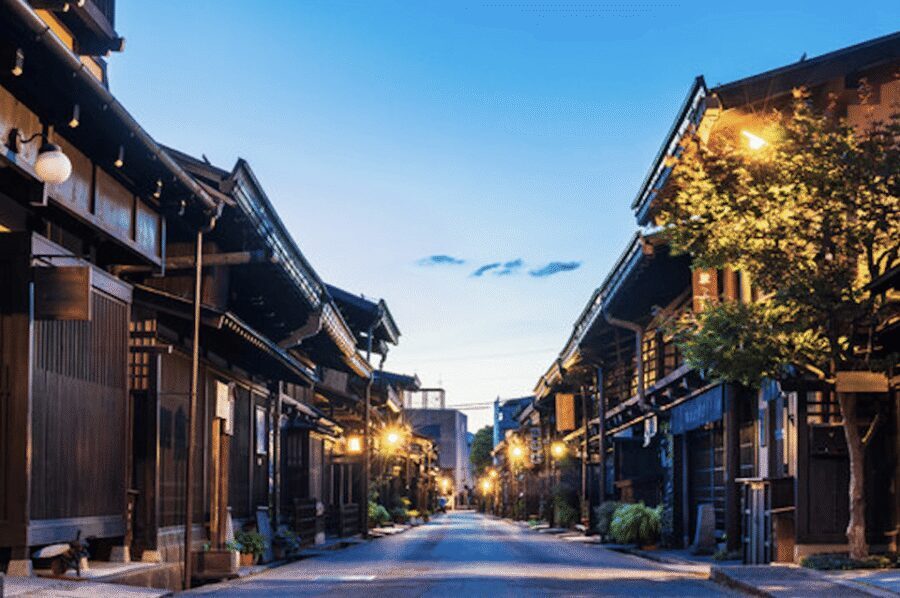
Finally, you end with the Higashi Chaya District for 1 hour. This is one of Kanazawa’s iconic old-district areas, linked to its samurai and geisha heritage. What I like about ending here is the mood shift: you go from the market’s food energy into a quieter, more traditional street feel.
A guided walk helps you read the area instead of just looking at it. You’ll get historical framing on what you’re seeing around you and how the district fits into Kanazawa’s broader cultural story. And because you’re walking through side streets and less-traveled lanes, you get that sense of place beyond the main photo stops.
If you like street photography, this is your moment to slow down. Try to catch the edges of buildings and the way the street bends. If you’re traveling with someone who prefers culture over shopping, this is also a strong fit because it’s about atmosphere and understanding, not buying souvenirs.
The guide matters: clarity, flexibility, and a personal touch
The tour includes a professional English-speaking guide, and that’s not a small detail. Good guiding changes how fast you connect the stops. You’ll understand what you’re looking at in Kenroku-en, what the castle area represents, how Omicho Market fits into daily life, and why Higashi Chaya District feels different from everywhere else.
One example from past departures: a guide named Masako has been praised for being lovely and flexible with timing. In at least one instance, she also met her daughter and helped with photo moments during a kimono outing celebration. That kind of warmth isn’t guaranteed every day, but it points to the overall strength: the guides aim to make the walk feel friendly, not robotic.
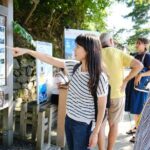
Also, you’ll have photos taken during the tour. That’s a real value add. It reduces stress, especially when you’re at busy spots where it’s hard to find a stranger who’ll take a decent shot. And it means you end the day with more than just blurry selfies.
Value check: is $90 worth it for this 4-hour mix?
Let’s break down the math in a practical way. The price is $90 per person for 4 hours, and what’s included is the guide, historical insights, and photos taken during the tour.
What’s not included:
- transportation fee
- lunch
- entrance tickets
So the question becomes: do you want someone else to handle the pacing and the context? If you’re the type who would otherwise research each stop, build an efficient route, and still worry about whether you missed something important, a guided walk can save you time and energy.
For solo travelers or couples who want photos without doing a photo scavenger hunt, the “photos included” part is a meaningful perk. For families, it can also reduce decision fatigue—one plan, several top sights, and a schedule that keeps everyone moving.
If you’re already a confident self-guided traveler with a strong plan, the cost may feel harder to justify. But for a first visit to Kanazawa—or for a time-crunched day—this kind of route is a solid buy because it stacks the city’s must-sees into a single, organized afternoon.
Who this tour fits best (and who might prefer something else)
This tour is a great match if you:
- want the major highlights without overplanning
- enjoy history when it comes with clear explanations
- like walking and don’t mind short transfers on foot
- want a small group setting and help with photos
It may be less ideal if you:
- hate walking for four hours total
- plan to spend long stretches at museums or entrances and would rather go at your own pace
- don’t want to think about entrance fees or paid sites during the day
The “small group up to 10” detail also matters. It’s not a huge crowd experience, which makes the guide’s attention feel more personal.
Should you book this Kanazawa walking tour?
I’d book it if you want an efficient, guided introduction to Kanazawa that balances the famous sights with the quieter streets that give the city personality. The best reasons are the English-speaking guide, the small group, and the fact that you get photos taken for you—those conveniences add up fast when you’re moving through multiple areas in one afternoon.
If you’re comfortable budgeting for entrance tickets and you’re happy to treat Omicho as a snack stop rather than a full meal plan, this tour lines up well with a normal sightseeing day. And if the guide is someone like Masako, you can expect a friendly, flexible approach that keeps the experience human.
If your goal is maximum control and you already know exactly how you’ll move through Kenroku-en, the castle area, the market, and Higashi Chaya District on your own, you might not need a guided route. But for most first-timers, this is the kind of plan that reduces friction and helps you see more—without turning the day into a blur.
FAQ
What is the meeting point for the Kanazawa tour?
You’ll meet in front of Kenjotei Tea House.
How long is the tour?
The tour lasts 4 hours.
Is the tour guided in English?
Yes. The live tour guide speaks English.
How many people are in the group?
The group is small, limited to up to 10 participants.
What’s included in the price?
A professional English-speaking guide is included, along with photos taken during the tour and historical insights into the districts.
What isn’t included?
Transportation fees, lunch, and entrance tickets aren’t included.
Is free cancellation available?
Yes. You can cancel up to 24 hours in advance for a full refund.
Is there a reserve now & pay later option?
Yes. You can reserve your spot and pay later, with pay nothing today.