Gold leaf and ninjas in one long day.
This Kanazawa experience mixes three practical workshops with neighborhood walks, so you get past the postcard views and into how locals actually make things. I especially like the hands-on gold leaf pasting and the chance to try ninja star (shuriken) throwing yourself. You’re also guided through areas that feel less like a checklist and more like a real day strolling with purpose.
You start with a lively market stop, then move into craft districts and traditional streets—Higashi Chaya and Nishi Chaya included—plus calm temple lanes along the way. The sweets workshop is built for people who want to understand what they’ve been eating in Japan, not just buy it and go.
One thing to keep in mind: this is a long walking day (roughly 8 miles), and lunch isn’t included, so plan your food strategy early.
In This Review
- Key things to know before you go
- Kanazawa in one day: gold leaf, sweets, and shuriken
- Start at Kanazawa Station, then sprint into Omicho Market
- Gold leaf pasting: precise work with real feedback
- Higashi Chaya District: old streets, bridges, and temple vibes
- Make Japanese sweets at the Ishikawa Local Products Center
- Ishiura Shrine, D.T. Suzuki Museum area, and the west-side temple approach
- Teramachi Temple area: quiet lanes and centuries-old street geometry
- Ninja Weapon Museum: throw shuriken, learn what the stories miss
- Nishi Chaya District and Katamachi: end in geisha atmosphere and 1970s-feel streets
- How much walking is it really? Plan like a pro
- Price and value: where the money goes
- Who this tour suits best (and who should skip it)
- Should you book the Kanazawa Gold Leaf, Sweets and Ninja Stars tour?
- FAQ
- What time does the tour start?
- How long is the tour?
- What’s included in the price?
- Is lunch included?
- Where does the tour end?
- How many people are in the group?
- Do I need to bring tickets?
Key things to know before you go
- Gold leaf pasting in Kanazawa: You place the gold carefully on your own piece for a true craft moment, with help from assistants if you mess up.
- Make your own Japanese sweets (often matcha-focused): You’ll shape sweets and sample a mix of flavors and textures rather than just watching.
- Try two types of shuriken: The ninja weapon museum includes shuriken throwing, not just a photo stop.
- A route through craft and geisha districts: Higashi Chaya and Nishi Chaya add atmosphere, not just museum time.
- Expect steady walking plus shortcuts through historic streets: Wear comfortable shoes; the day adds up.
- Small group size: Max 20 travelers helps keep the workshops feeling personal.
Kanazawa in one day: gold leaf, sweets, and shuriken
Kanazawa is the kind of city where the details matter. On this tour, you feel that immediately. Instead of spending the day only looking, you get three hands-on sessions that connect the city’s identity—traditional crafts and playful martial traditions—to your own hands.
The gold leaf workshop is the standout for many people because it’s tactile and precise. You don’t need special skills. You just need patience. The good news is the assistants are there to help if your technique slips. That matters, because gold leaf is delicate work. One shaky motion and you’re thinking it’s ruined—until help steps in.
Then you shift from quiet craft focus to physical fun with ninja shuriken throwing. This part is not just about history on a wall; you actually try two types of throwing stars. That change of pace keeps the day from feeling like classroom time.
Finally, the sweets making adds a sensory angle. If you’ve had matcha desserts in Japan and wondered what goes into them, this workshop gives you a chance to make your own Japanese sweets and taste multiple options.
Other ninja experiences in Kanazawa
Start at Kanazawa Station, then sprint into Omicho Market
You meet at Kanazawa Station at 8:30am, which is a smart move. You’ll be out early while the city is still waking up, and it gives you breathing room for a full day.
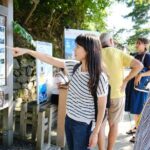
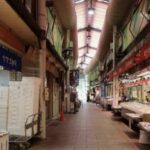
Your first stop is Omicho Market, where you get a quick reality check: modern high-rises right next to older buildings. This contrast is one of the reasons the opening hour works. You see Kanazawa as it is—past and present rubbing shoulders—before you move into more traditional districts.
Even if you don’t buy much here, it’s a great way to get oriented. Market streets teach you how locals think about food: you look, you sniff, you ask, and you decide in the moment. Since lunch isn’t included later, this is also where you can decide if you want a snack early or treat it like a browse-only stop.
Gold leaf pasting: precise work with real feedback
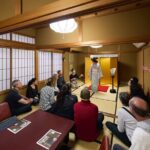
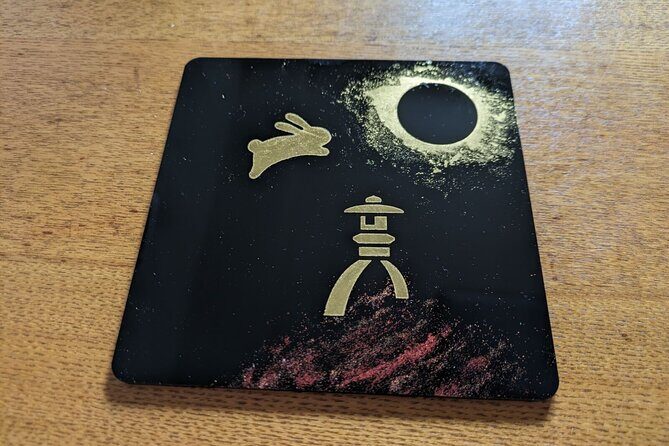
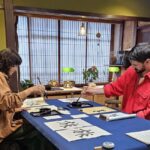
The second stop is the Kanazawa Katani Gold Leaf Pasting Experience, and it runs about an hour. This is the craft workshop portion, and it’s designed for first-timers. You’ll spend time placing gold leaf onto your own piece—slow, careful, and a little mesmerizing.
Here’s what I think makes this workshop genuinely valuable: the process is taught with the expectation that you’re learning. If you make a mistake, professional assistants can correct the work. That keeps things from turning stressful, and it’s a big deal because gold leaf is unforgiving.
Practical tips for you:
- Move slowly. Rushing is the enemy of gold leaf.
- Follow the guide’s hand positioning and timing. Small changes matter a lot.
- Expect a finished result you can actually keep—not just a demo you watch.
If you like crafts, this is also one of the best ways to appreciate why Kanazawa is known for gold leaf. You experience the effort, not just the shine.
Higashi Chaya District: old streets, bridges, and temple vibes
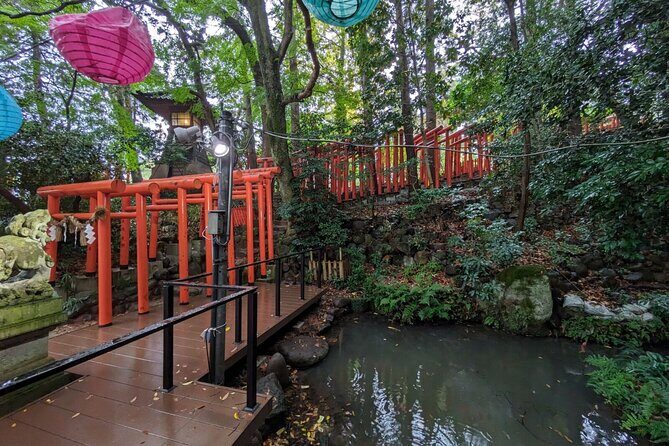
After the workshop, you head to Higashi Chaya District. This stop runs about 1 hour 20 minutes, and it’s mostly walking and atmosphere.
You’ll pass through the area near an old-style bridge and the feel of a former temple district in the hills. That combo gives you a sense of how geisha districts weren’t isolated from the rest of the city. They grew alongside religious spaces, crafts, and everyday neighborhoods.
This is a great time for photos, but also for slowing down. The Chaya districts work best when you let them. Narrow lanes, quiet corners, and that slightly hushed feel aren’t meant for fast marching.
Make Japanese sweets at the Ishikawa Local Products Center
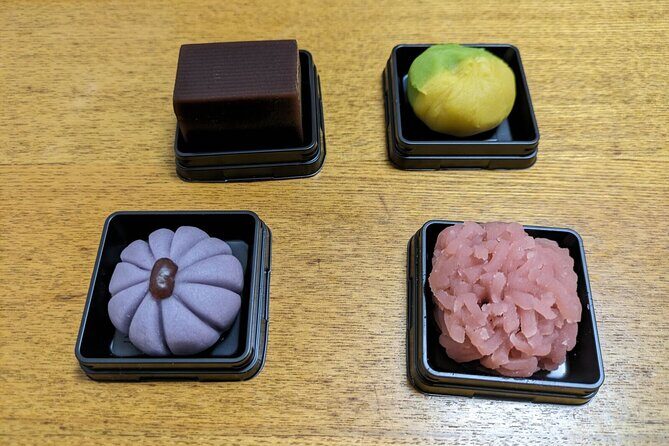
Next up is the Japanese sweets making experience at the Ishi… Local Products Center stop (the tour specifically frames it as Japanese sweets workshop time). This lasts around 1 hour 30 minutes and is included.
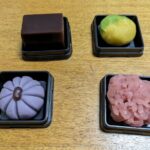
You’re not just sampling—you’re making. The tour framing emphasizes that you’ll use tastes you’ve likely encountered in Japan, with matcha highlighted. There are multiple sweet types, so you’ll be able to try a variety of flavors and textures.
Why this works for value: buying sweets in Japan can be fun, but it doesn’t teach you much about process. In a workshop, you see what makes a dessert feel light or chewy, what changes when ingredients shift, and how presentation becomes part of the experience.
A small practical note: you’ll likely leave here with sweets you want to enjoy, and you may not want to overload on snacks right before. Pace yourself so you don’t feel sugar-heavy for the rest of the day.
Other Kanazawa tours and samurai-district walks





Ishiura Shrine, D.T. Suzuki Museum area, and the west-side temple approach
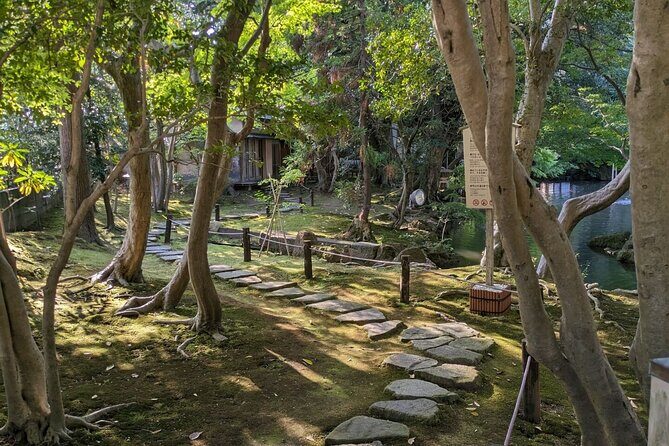
The itinerary then guides you through the Ishiura Shrine area for about 1 hour 20 minutes. This part is less about one single “main attraction” and more about a sequence of stops that connect different cultural layers.
You’ll move through multiple sights on the way to the temple district on the west side of the city, including mentions of outdoor art, D.T. Suzuki Museum, and Shofukaku before you enter the temple area.
This is one of those segments that pays off if you like gentle cultural navigation. Instead of one isolated museum stop, it’s more of a route through meaningful spaces. It also helps balance the more active parts of the day (workshops and throwing).
If you want the best experience from this segment:
- Take a moment at each stop rather than treating it like a background walk.
- Look for design details in the shrine/museum-area surroundings, not just the buildings themselves.
Teramachi Temple area: quiet lanes and centuries-old street geometry
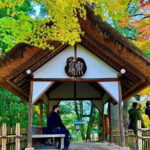
You’ll walk into Teramachi Temple area next for about 30 minutes. The emphasis here is atmosphere: peaceful temples, and streets that can feel maze-like.
This is the “slow down and breathe” section of the day. It contrasts with the market energy and the workshop focus. Teramachi gives you a break from doing and gives you time to be inside the city’s calmer rhythm.
Because you’re already walking all day, this short temple segment is ideally paced. You get calm without losing your energy.
Ninja Weapon Museum: throw shuriken, learn what the stories miss

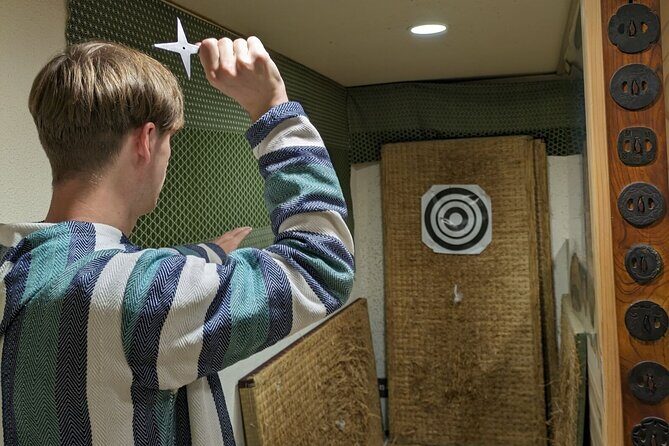
Then comes the big action shift: the Ninja Weapon Museum segment, where you learn more about ninjas and try throwing shuriken (two different types of throwing stars are specifically mentioned). This part lasts about an hour and is included.
I like this design because it makes the ninja theme practical. You see how the tools are handled and what throwing requires. It’s also a fun way to get a different kind of “Kanazawa skill” in your memory—one you can’t get from a typical walking tour.
A balanced way to think about ninjas on tours like this: you’ll likely get a mix of history and pop-culture interpretation. That’s okay. The goal isn’t to memorize a textbook—it’s to have a guided, hands-on experience that adds texture to the city’s entertainment craft tradition.
Pro tip: focus on form over power. Throwing stars don’t care about strength as much as technique.
Nishi Chaya District and Katamachi: end in geisha atmosphere and 1970s-feel streets
After the ninja segment, you head into Nishi Chaya District for about 20 minutes. This is the other main geisha area of Kanazawa, and it’s a good follow-up after Higashi Chaya.
Then you finish with Katamachi, described as a nightlife area with streets that look like an old 1970s film. You’ll have about 30 minutes there, and you can use that time to grab dinner or just keep wandering.
This ending matters. A lot of tours stop early and leave you unsure where to eat. Here, you arrive in an area that’s more alive, so you can convert the walking energy into an actual meal plan.
How much walking is it really? Plan like a pro
The route is not a light stroll. Expect about 8 miles of walking, plus workshop time and museum time. You can absolutely do it, but you should plan for it.
My advice:
- Wear shoes you can walk in all day. Sneakers with grip are perfect.
- Carry a small water bottle if you like. Breaks are shorter during workshop segments.
- Bring a light snack for the long stretch when lunch isn’t included.
If you’re coming from another city that day, give yourself a cushion. This tour is one of those days that feels full even if each stop is “only” an hour or so.
Price and value: where the money goes
At $173.96 per person for an about 8 hours 30 minutes day, this isn’t a bargain tour. But you also aren’t paying just for sightseeing.
Your included value is built around:
- An English-speaking guide for the full route
- Gold leaf pasting workshop (admission included)
- Japanese sweets making workshop (admission included)
- Ninja Weapon Museum entry plus a shuriken throwing experience
That mix matters. You’re not just touring; you’re practicing crafts and activities that have real materials, instruction time, and staff support.
The main “cost” factor isn’t the base price—it’s how you handle food. Since lunch isn’t included, you’ll likely spend extra during or after the tour. If you budget that in, the price feels more balanced.
Who this tour suits best (and who should skip it)
This is a strong fit if you:
- Like hands-on workshops more than museum-only days
- Want a Kanazawa experience that mixes craft districts with traditional streets
- Enjoy interactive activities, especially something physical like shuriken throwing
- Prefer smaller group travel (max 20)
It might be less ideal if you:
- Hate long walks and prefer short stops only
- Need a fully planned meal included in the price
- Get stressed by step-by-step tasks (even though assistants help with gold leaf, the sweets and crafting do require focus)
If you want one “do it” day in Kanazawa that feels different from the usual highlights-only routes, this is the kind of tour that delivers.
Should you book the Kanazawa Gold Leaf, Sweets and Ninja Stars tour?
I’d book it if you want Kanazawa to be more than viewing. The tour gives you gold leaf, make-your-own sweets, and a real shuriken throwing experience, plus guided time through Higashi Chaya and Nishi Chaya districts. It’s also small enough to feel like a guided day instead of a conveyor belt.
I’d think twice if you’re walking-shy or you need lunch included. The day runs long, and you’ll be responsible for your own meals.
If you can handle a full walking day and want hands-on craft fun, this tour is a smart choice for your time in Kanazawa.
FAQ
What time does the tour start?
The tour starts at 8:30am and meets at Kanazawa Station.
How long is the tour?
The duration is about 8 hours 30 minutes (approx.).
What’s included in the price?
The tour includes an English-speaking guide, gold leaf experience, Japanese sweets making experience, and Ninja Weapon Museum entry with shuriken (throwing star) experience.
Is lunch included?
No, lunch isn’t included.
Where does the tour end?
The tour ends back at the meeting point.
How many people are in the group?
The maximum group size is 20 travelers.
Do I need to bring tickets?
You’ll receive a mobile ticket.
If you want, tell me your travel dates and whether you care more about crafts or action. I can help you decide if the workshop-heavy format matches your style.