Six hours can feel like a whole day in Takayama. This private walking food-and-sake tour mixes Edo-era landmarks with real local morning life, and you choose 3–4 stops from a set list so it fits your interests. With a government-licensed English-speaking guide, the tastings come with context, not just a sales pitch.
I love the way the guide ties everyday foods to the place you’re standing in. I also like that the route is built around the town’s rhythms: morning markets, preserved old streets, then breweries where sake and fermented flavors take center stage.
One consideration: it’s a walking tour in town streets, so bring comfortable shoes and expect a steady pace. Also, some tasting options involve small extra purchases on site.
In This Review
- Key highlights on the Takayama streets
- Takayama’s food-and-sake day is built around morning energy
- The value of a government-licensed English guide (and why it matters)
- Your day with Takayama Jin’ya: Edo-era power, in walking distance
- Morning markets: Asa-ichi plus the Miya River market scene
- Jinya-Mae Morning Market (Asa-ichi)
- Hida-Takayama Miyagawa Morning Market
- Sanmachi Suji: preserved streets where crafts and merchants made sense
- Onoya Brewery: where miso and soy origins get explained
- Harada Sake Brewery: dry, umami-forward style and bottle-shop energy
- Kawashiri Sake Brewery: matured sake and a tasting trio option
- Price and value: why $154.37 can make sense here
- Logistics that actually affect your comfort and enjoyment
- Who this tour is best for (and who should skip it)
- Should you book this Takayama cuisine and sake tour?
- FAQ
- How long is the Takayama local cuisine, food & sake cultural tour?
- How much does the tour cost per person?
- Is this tour private or shared?
- Can I customize the itinerary?
- Is it a walking tour, and is transportation included?
- Are entrance fees included?
- Are sake tastings included in the price?
- Is lunch included?
- Is pickup available?
- Can I cancel for a full refund?
Key highlights on the Takayama streets
- Government-licensed English guide who explains culture and food in plain, useful terms
- Customizable 3–4 site plan from a menu of classic Takayama stops
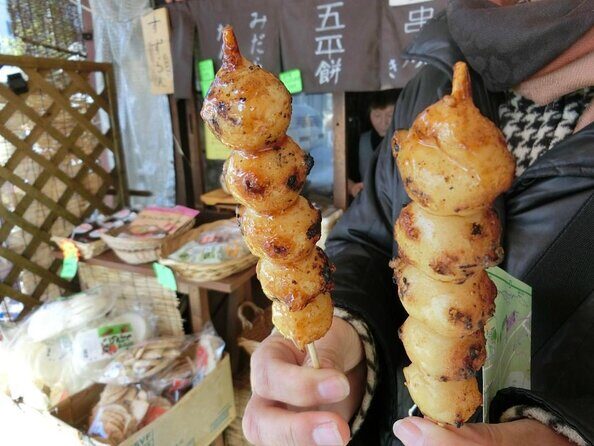
- Two long-running morning markets focused on fresh produce and local craft
- Sanmachi Suji old town streets for that preserved Edo-period feel
- Brewery visits for miso/soy origins and multiple styles of sake
Takayama’s food-and-sake day is built around morning energy
This tour is at its best when you lean into the morning pace. Takayama is the kind of city where daily life and traditional shop culture still matter, and starting earlier helps you catch that lived-in atmosphere. You’re not just shopping; you’re learning how the town “thinks” about food.
Expect a guided walk that moves from food basics to fermented favorites. It’s a nice arc: fresh ingredients at market, then the old-town streets that made those ingredients matter, then breweries where sake and miso/soy connect to local know-how.
Other Takayama walking tours and old-town experiences
The value of a government-licensed English guide (and why it matters)
A licensed interpreter guide does more than translate words. The certification requires strong understanding of Japanese culture and history, so you get explanations that make the stops easier to read. When you’re standing in an Edo-era government facility or beside a river market, that background turns your photos into something you’ll remember.
I also like how the tour is designed around tailoring. The day can shift with your interests, and you’re not stuck on a rigid script. In past tours, guides such as Mitsu and Yoko have been praised for being welcoming and adjusting to what people wanted, which is exactly what you want on a 6-hour walking experience.
Your day with Takayama Jin’ya: Edo-era power, in walking distance
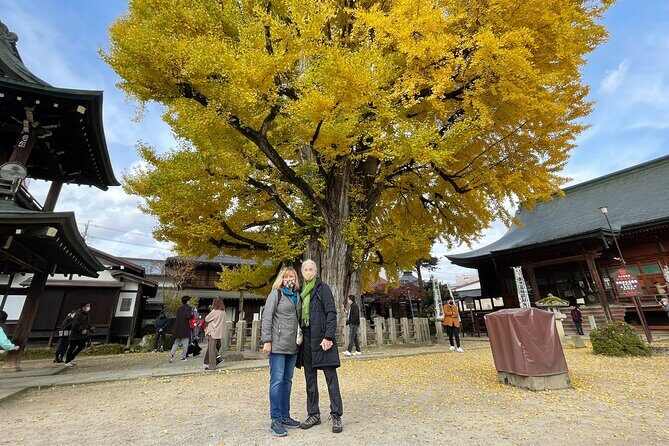
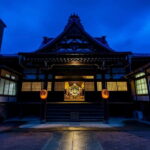
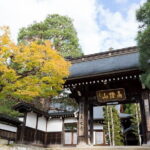
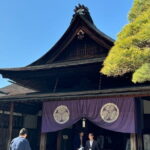
You’ll likely start at Takayama Jin’ya, a surviving Edo-period jin’ya that served as the government headquarters for Hida Province under the Tokugawa shogunate. The timing is short, about 30 minutes, so it works as a quick foundation before you head into everyday food culture.
Two practical notes. First, the admission ticket for Takayama Jin’ya is not included, so set aside a little cash or use your payment method for that entry. Second, because it’s a walking tour, you’ll want to keep your energy up early—this is where the guide’s context helps you not feel like you’re just looking at old buildings.
Morning markets: Asa-ichi plus the Miya River market scene
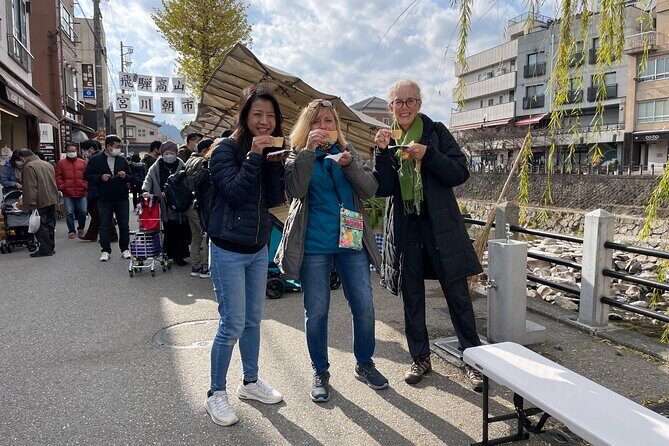
Markets are where Takayama makes its case, fast. This tour includes two morning-market stops, each with a different feel and a different kind of “local hero” you can meet in the form of shop owners, producers, and regulars.
Jinya-Mae Morning Market (Asa-ichi)
You’ll visit Jinya-Mae Morning Market, part of the Asa-ichi tradition. It’s all about fresh produce and local crafts, and it’s free to enter. Think of it as your warm-up: you start noticing what ingredients are prized here and how people buy food like it’s part of daily life, not a special occasion.
Other food & drink experiences in Takayama
Hida-Takayama Miyagawa Morning Market
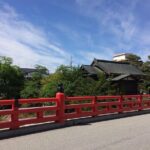
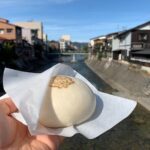
Next comes Hida-Takayama Miyagawa Morning Market, which has existed in one form or another for more than two centuries. It runs along both banks of the Miya River between bridges, and it’s free to enter as well. The river setting matters because it makes the whole market feel like a real neighborhood place, not a staged attraction.
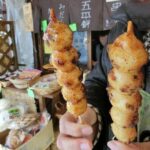
If you’re food-focused, I’d treat these market stops as the moment to ask questions. A good guide can point you toward what’s best to try and what to look for, even if you don’t buy much. If you’re souvenir-minded, you’ll also spot local craft items mixed in with produce.
Sanmachi Suji: preserved streets where crafts and merchants made sense
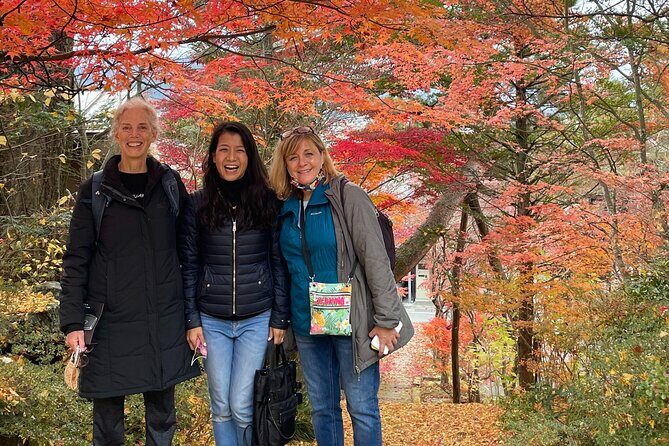
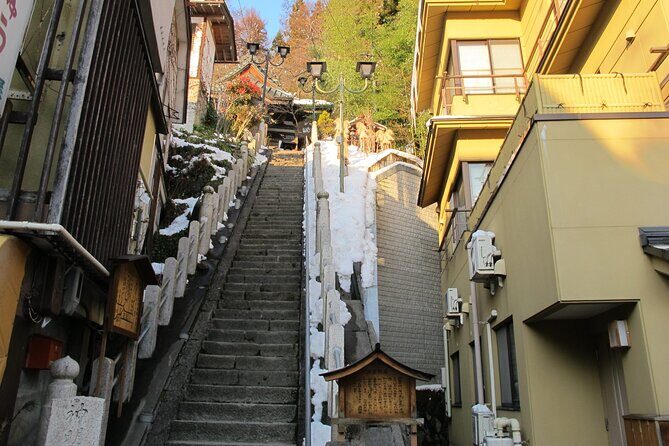
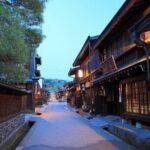
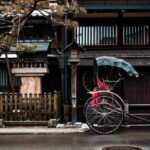
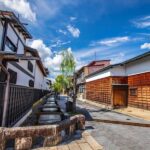
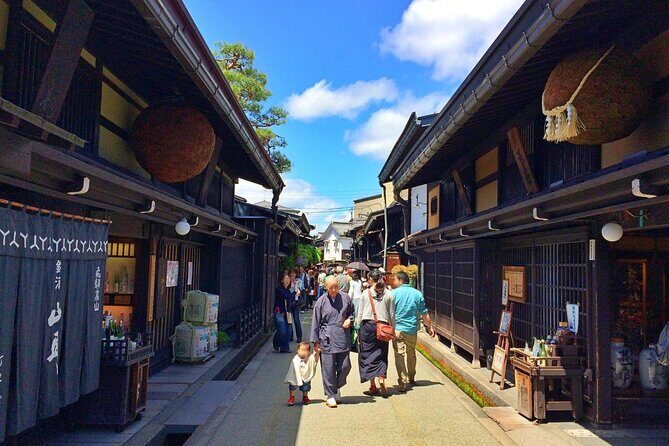
After the markets, the tour moves into Sanmachi Suji, Takayama’s preserved old-town district. This is where you slow down a bit mentally. During the Edo period, Takayama was a lively hub for craftsmen, merchants, and farmers, and the preserved buildings help you picture how that mix worked.
This stop is free and typically around 30 minutes. The practical value is not just photos—it’s orientation. Once you’ve walked these streets with context from your guide, the food and brewing stops later in the day feel connected to the place that produced them.
The only drawback here is the same as most old-town walks: narrow streets and crowds can happen, especially in peak morning hours. Your best defense is simple—comfortable shoes, and let your guide guide you.
Onoya Brewery: where miso and soy origins get explained
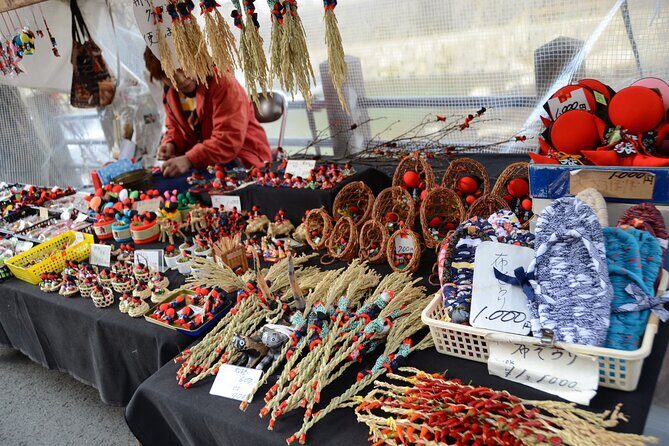
From historic streets, you’ll transition into a traditional brewery and shop visit at Onoya, known for miso and soy source. It’s a shop with a history dating back 250 years in Takayama. Admission is free, and the stop is brief, about 15 minutes.
Even with limited time, this kind of stop is useful because fermented flavors aren’t abstract here. You learn how local production connects to daily cooking, and you get a sense of why Takayama’s food culture isn’t just about sweets or snacks—it’s also about the foundations.
Because the stop is shorter than the markets or old-town streets, I’d use that time to ask one or two focused questions. The guide will often know what to look for in how the shop presents its products and what makes the local approach different.
Harada Sake Brewery: dry, umami-forward style and bottle-shop energy
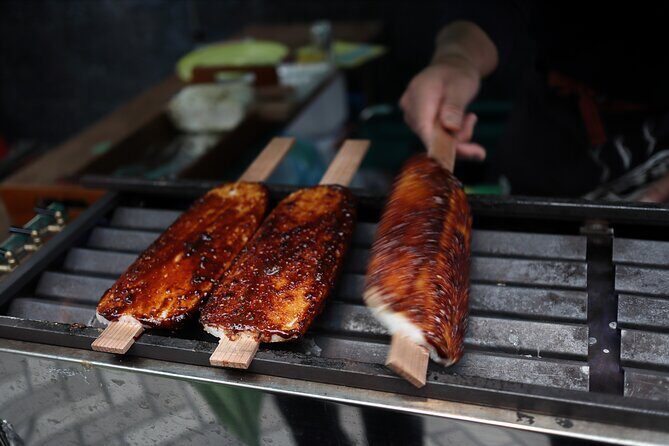
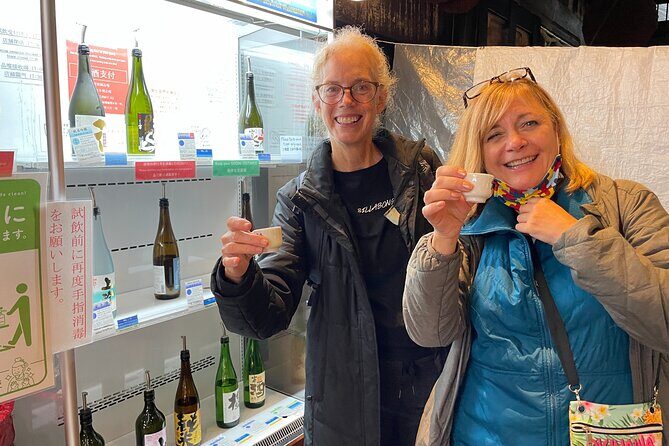
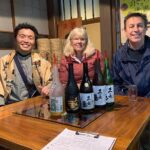
Next up is Harada Sake Brewery, where the signature brand Sansha is described as a dry sake with muscular umami. You get a structured taste window without it turning into a full-blown drinking tour.
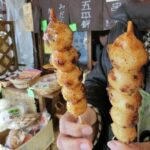
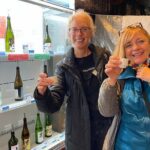
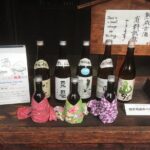
This stop runs about 30 minutes and is free to enter. You’ll be able to purchase a small tasting cup and sample more than ten types of sake. There’s also a food angle: steamed manju buns and cakes made with sake, which can be a fun way to connect sake flavor to dessert.
One practical thought. Since you’re buying tasting cups and possibly snacks, decide in advance what you actually want to spend on. If you love variety, go for multiple pours. If you just want one or two styles to understand the range, you’ll still get plenty of value from the guide’s explanations.
Kawashiri Sake Brewery: matured sake and a tasting trio option
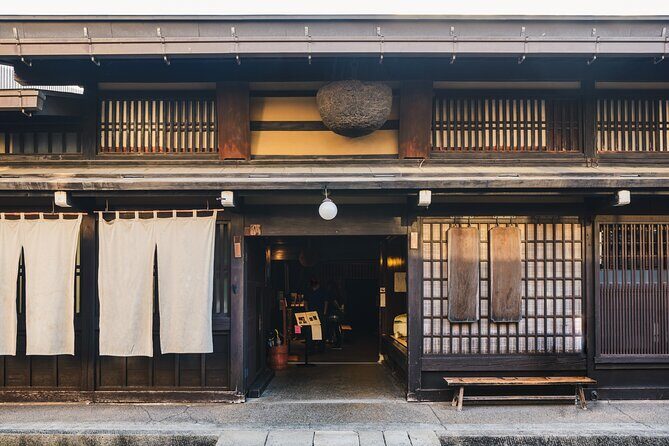
The last brewery stop is Kawashiri, a place that specializes in artisanal matured sake. The big draw here is the chance to taste a trio of fine brews, including Hidamasamune.
This stop is free to enter and typically about 30 minutes. The tasting is available for an additional charge, so don’t assume everything is included just because the visit itself is. If you’re the type who wants a clear “okay, I get it now” moment, the trio format can be a smart way to sample without going overboard.
Also, matured sake tends to be more about depth than lightness, so it’s a good ending point after the variety you might try at Harada. Your guide can help you line up what to notice from one pour to the next.
Price and value: why $154.37 can make sense here
At $154.37 per person for a tour around 6 hours, the value depends on what you want out of the day. If you only want a quick snack walk, you’ll probably feel the cost. If you want local context plus multiple market and brewery stops, it can feel fair fast.
Here’s what you’re paying for:
- A licensed local English-speaking guide (not just a general translator)
- A private setup for your group only
- A customizable plan where you pick 3–4 sites from the menu
- Access to several classic Takayama food stops spread across the morning
Transportation isn’t included, and lunch isn’t included, so budget for meals separately. Also note that Takayama Jin’ya admission isn’t included, and some tastings cost extra. Even with those add-ons, you’re still consolidating the day: guide-led routing, interpretation, and multiple stops you’d otherwise have to stitch together on your own.
If you’re traveling as a small group, private tours often become better value because the guide effort is shared across your headcount. Group discounts may also apply, which helps if your party has several people.
Logistics that actually affect your comfort and enjoyment
This is a walking tour. Pickup is offered, but it’s essentially a meet-up on foot within a designated area in Takayama. You’ll want to plan to be near public transportation, since that’s how you’ll most likely get into the area smoothly.
The tour uses a mobile ticket, which makes it easier to handle on the go. The schedule is flexible in the sense that you pick from the stop list and adjust your itinerary based on your interests, but it’s not a hop-on-hop-off bus situation. You’re still walking, so build in water breaks and pace yourself.
The guide entry fees are covered only for sights listed under what to expect. That matters if you’re tempted to swap stops at the last second. If a location isn’t part of your agreed stop list, you may be the one paying.
Who this tour is best for (and who should skip it)
This works well if you want:
- Food culture plus history context
- A guide to help you navigate choices in markets and breweries
- A day that stays within Takayama town without constant transit
It’s especially good for people who like structured sampling. You’ll see markets, old-town streets, then breweries in a logical arc. And if you care about alcohol but don’t want to turn it into a chaotic tasting spree, the stop design helps keep it controlled.
You might consider something else if:
- You hate walking or you need long breaks on demand
- You only want one or two tastings and aren’t interested in market or old-town context
- You’re hoping for fully included tastings and lunch (those are not included)
Should you book this Takayama cuisine and sake tour?
Book it if you want the best version of Takayama in one organized morning-to-afternoon walk: markets for ingredients, Sanmachi Suji for context, and breweries for fermented depth. The licensed guide is the real differentiator here, because it helps your food choices make sense in the place they came from.
Don’t book it if you’re looking for a relaxed, minimal-walking experience with everything fully included. You’ll still pay for some admissions and tasting items, and you’ll be on your feet for most of the day.
My rule of thumb: if you enjoy asking questions and you like learning while you eat, this tour is a strong fit.
FAQ
How long is the Takayama local cuisine, food & sake cultural tour?
It runs about 6 hours.
How much does the tour cost per person?
The price is listed at $154.37 per person.
Is this tour private or shared?
It’s a private tour/activity, meaning only your group will participate.
Can I customize the itinerary?
Yes. You’ll choose your must-see spots from a list to create a customized itinerary, selecting 3–4 sites from the options.
Is it a walking tour, and is transportation included?
It is a walking tour, and transportation fees are not included. You’ll meet the guide on foot in a designated area of Takayama.
Are entrance fees included?
Some are not. The Takayama Jin’ya admission ticket is not included, while other listed stops are noted as admission free.
Are sake tastings included in the price?
Some tasting options involve extra charges. For example, Kawashiri offers a tasting trio for an additional charge, and at Harada Sake Brewery you can buy a small tasting cup.
Is lunch included?
No. Lunch is not included.
Is pickup available?
Pickup is offered, but the tour notes that pickup is on foot, with a meet-up on foot within the designated area.
Can I cancel for a full refund?
Yes, free cancellation is available if you cancel up to 24 hours in advance of the experience start time.