Kanazawa is easier with a plan.
This afternoon tour mixes samurai-era sights with a hands-on textile craft, so you get both the big landmarks and the real technique behind Kaga Yuzen. I especially like the small group size (up to 12), which makes the walk feel relaxed instead of rushed, and the fact that your tote bag becomes a real keepsake made by your hands. One thing to consider: it runs about three hours in the afternoon, and the experience requires good weather, so plan for possible rescheduling if conditions aren’t great.
What you’re really buying is time with people who can explain Kanazawa simply, then help you make something you can’t buy anywhere else.
In This Review
- Quick take: 5 things to know before you go
- What you get for about $64.83 per person
- Oyama Shrine to Kanazawa Castle: samurai history you can actually place
- Kenrokuen Garden stroll: the break that makes the day feel complete
- The hands-on Kaga Yuzen workshop: your tote bag becomes the souvenir
- Why the small group size changes everything
- Logistics that actually matter on the day
- Who should book this tour, and who might skip it
- Should you book Colors of Kanazawa
- FAQ
- What is the duration of the tour?
- How much does the tour cost?
- Is admission to the garden included?
- What activities are included?
- Where does the tour start and end?
- What happens if the weather is bad?
Quick take: 5 things to know before you go
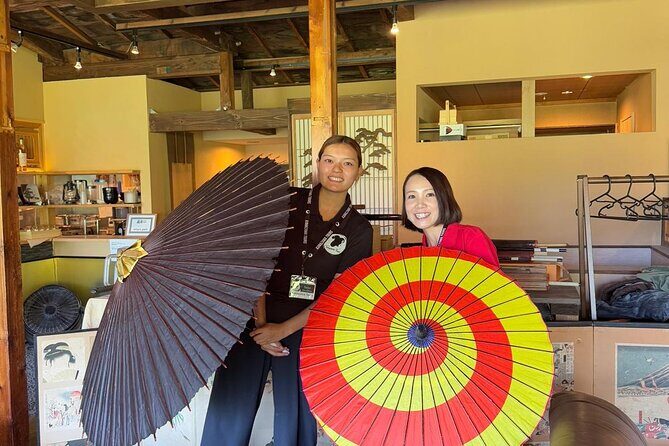
- Up to 12 people means more questions, more pacing choices, and a less crowded feel at the gardens.
- Kaga Yuzen hands-on work is the main event, not just a viewing stop, and you leave with a tote bag tied to your design.
- Kenrokuen Garden includes admission, plus there’s time for a break with a beverage in a café setting.
- Oyama Shrine and Kanazawa Castle are free on this route, so you’re not constantly weighing extra ticket costs.
- Mobile ticket helps you keep things easy on the day, and the tour ends right at Kenrokuen Garden’s entrance.
What you get for about $64.83 per person
At $64.83, this isn’t a bargain in the low-price sense, but it’s strong value if you care about craft and access. You’re not just walking by sights. Your ticket includes a professional guide, beverages, entrance fees, and the textile dyeing activity, plus the tote bag you personalize.
That matters because Kaga Yuzen isn’t a quick souvenir stop where you watch someone else work. You’ll be painting (and working with dyes) under guidance, and the result is meant to travel home with you. You also avoid the common problem with some “cultural tours,” where most of the cost goes to transportation and little is actually included. Here, a good chunk of the price goes straight into guided time, admissions, and the workshop materials.
The one cost you’ll still handle yourself: getting to and from the meeting area. The tour itself covers the on-foot portion.
Other Kanazawa tours and samurai-district walks

Oyama Shrine to Kanazawa Castle: samurai history you can actually place
Your afternoon starts at the Kanazawa Central Tourist Information Center, and you head first to Oyama Shrine. This stop is short (about 20 minutes) and admission is free, so think of it as a way to orient your day rather than a long ceremony experience. It’s a solid “get your bearings” start: you’ll connect Kanazawa’s samurai legacy to places you can recognize later as you walk.
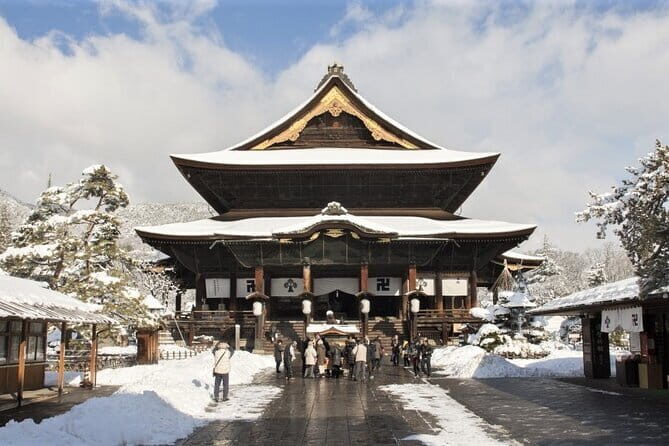
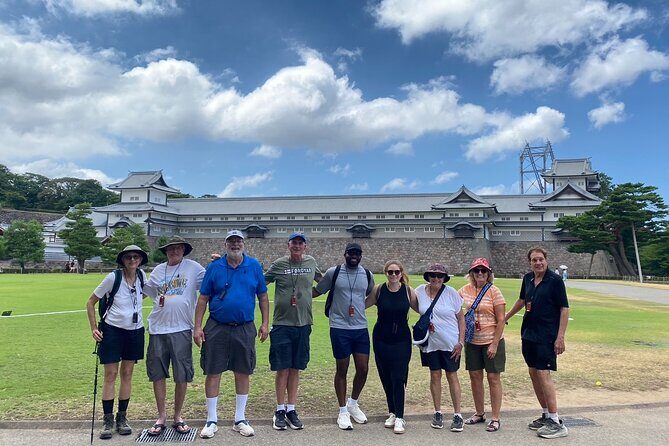
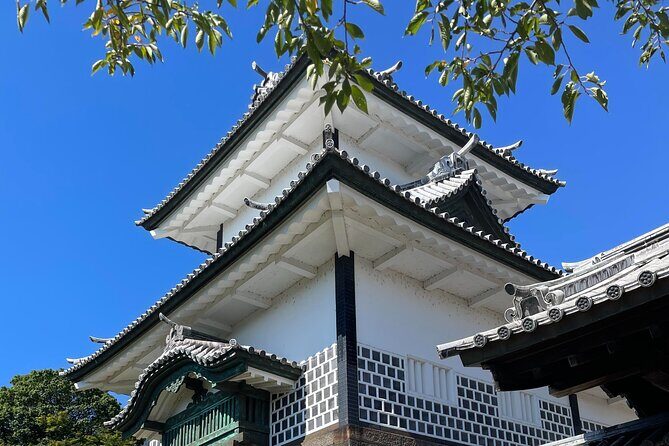
From there, you move to Kanazawa Castle for another brief 20-minute visit with free admission. Even with the short time, the value is in what the guide helps you notice: castle town layout logic, why this area matters historically, and what the site represents beyond “there’s a famous building.” If you’ve ever felt lost at big landmarks, this structure helps. You arrive, you get context fast, and then you’re ready for the slower pace coming next.
Possible drawback: two short historic stops can feel like “filler” if you already know Kanazawa well. If you’re new here, though, this order works well because it sets the story before you get to gardens and craft.
Kenrokuen Garden stroll: the break that makes the day feel complete

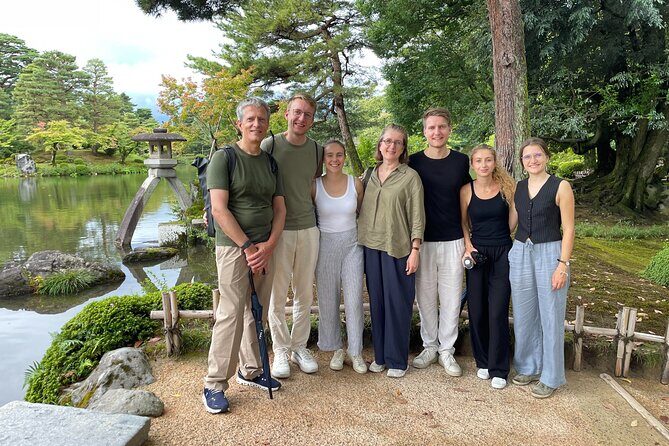
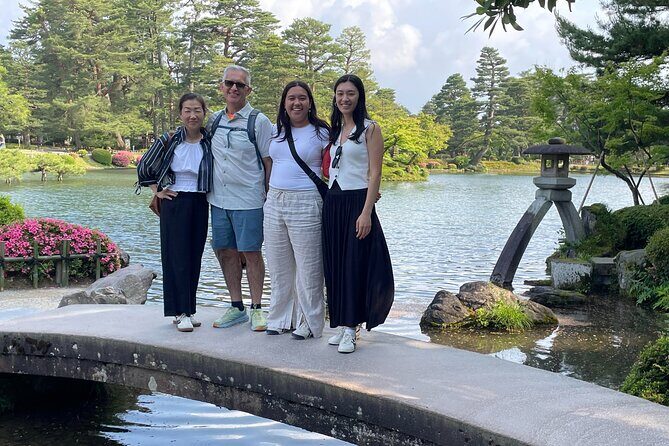
Next comes the part you’ll probably remember longest visually: Kenrokuen Garden. You’ll spend about 45 minutes here, and admission is included.
Kenrokuen is one of those places where timing and pacing are everything. You’re not there to sprint and photograph everything. You’re there to walk slowly enough to notice how paths, viewpoints, and seasonal design work together. In a shorter tour like this, that pacing is a gift. You don’t have to plan an entire half-day just to see the garden properly.
You’ll also get a café break with a beverage, which is more than a perk. After walking through historic sites, a seated rest keeps your energy up for the workshop later. It’s also a nice moment to regroup and ask your guide practical questions about where to go next in Kanazawa, since the tour is only part of your time in town.
Pro tip for your day: if you’re prone to shopping fatigue, use this garden break to decide what you want to buy after the workshop. Kaga Yuzen goods are tempting, and planning early helps you avoid buying without thinking.
The hands-on Kaga Yuzen workshop: your tote bag becomes the souvenir
Now for the highlight: the Kaga Yuzen textile dyeing activity. This is where the tour earns its name and where the experience feels truly participatory.
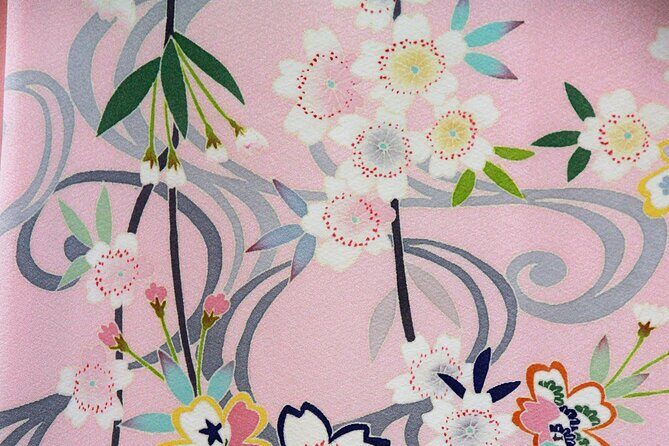
You’ll paint your own small traditional bag (you’ll take home a tote bag with your own artwork). The emphasis is on working with dyes under guidance from a local artisan. That’s the difference between a craft demo and real learning. You’re not just watching how it’s done; you’re doing steps yourself, and that makes the technique feel understandable instead of mysterious.
From the guest feedback, guides such as Sachiko-san, Saya, and Ian have been praised for explaining in a way that makes the craft click, plus keeping the session fun without rushing. English support seems to be strong in practice, too, so you should feel comfortable asking questions as you work.
What to expect during the workshop:
- You’ll be guided through the process, so you don’t need prior craft skills.
- Your final tote bag becomes the tangible result, so you leave with something personal rather than a generic shop purchase.
- The session is long enough to matter but short enough to fit into a smooth afternoon plan.
One consideration: dye work can mean you’ll want to handle your bag carefully after it’s finished (and consider wearing clothing you don’t mind getting a little stained, just in case). The tour includes the materials and guidance, but your clothing is on you.
Why the small group size changes everything
This tour caps at 12 travelers, and you can feel the difference. Small groups don’t just mean less noise. They mean your guide can slow down when someone asks a question, and they can give more specific explanations instead of talking over heads.
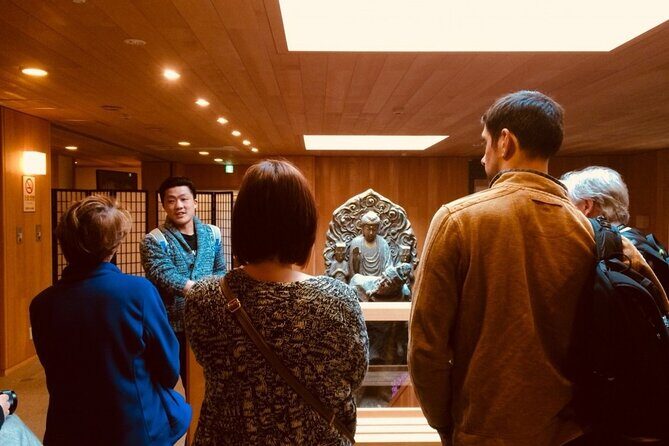
In past afternoons, guides have been described as thoughtful and helpful, and that personal touch matters in a tour like this because you’re moving between very different settings: shrine and castle, garden paths, and a dye workshop. A good guide keeps the transitions smooth so you don’t feel like you’re dragging your attention along.
Also, a smaller group tends to make the gardens and craft space feel more comfortable. You’re not fighting for side angles or squeezing past people at the moments that make the scenery worth looking at.





Logistics that actually matter on the day

The tour runs for about 3 hours, starting at 1:30 pm. You’ll meet at the Kanazawa Central Tourist Information Center (inside the Kanazawa New Grand Building, first floor). The experience ends at the entrance to Kenrokuen Gardens on the Kenrokumachi side (1-19 Kenrokumachi area).
Two practical notes:
- You’ll need to plan your own transport to the meeting point and any onward plans after the tour. The ticket doesn’t include transportation to/from the attractions.
- Since the tour depends on good weather, it’s smart to check forecasts the morning of. If conditions aren’t workable, you’ll be offered a different date or a full refund.
If you’re pairing this with other Kanazawa activities, keep your evening open. You’ll likely want time to stroll more around the garden area after the tour ends, especially if you liked the pace.
Who should book this tour, and who might skip it
You should book if you want a Kanazawa introduction that goes beyond postcards. This works especially well for:
- First-time visitors who want a simple route with context
- Couples who like calm walking and a meaningful activity
- Families who can handle a short craft session and prefer hands-on learning
- Anyone who likes structured sightseeing but still wants personal time to look around
You might skip it if:
- You already know Kanazawa well and mainly want deep, independent museum time
- You hate guided groups and prefer fully self-paced wandering
- You’re planning to visit only very early in the day and don’t want an afternoon start
The craft portion is a big decision point. If Kaga Yuzen and dyeing doesn’t interest you, you may feel the tour is mostly a garden walk with a small workshop attached. If it does interest you, this format is a great match.
Should you book Colors of Kanazawa
If you’re aiming to get the best mix of landmarks, a real garden pause, and a hands-on Kaga Yuzen souvenir, I’d book it. For the price, you’re getting guide time, admissions, a beverage break, and a craft activity that results in something you take home.
The biggest reason to choose it is the balance: history first, then beauty, then craft. That order helps you understand Kanazawa instead of just passing through it. Just keep your schedule flexible in case weather causes a change.
FAQ
What is the duration of the tour?
The tour lasts about 3 hours.
How much does the tour cost?
The price is $64.83 per person.
Is admission to the garden included?
Yes. Kenrokuen Garden admission is included in the tour.
What activities are included?
You’ll have the Kaga Yuzen textile dyeing activity and you’ll take home a tote bag with your own artwork. Beverages and entrance fees are also included.
Where does the tour start and end?
It starts at Kanazawa Central Tourist Information Center and ends at the entrance to Kenrokuen Gardens.
What happens if the weather is bad?
This experience requires good weather. If it’s canceled due to poor weather, you’ll be offered a different date or a full refund.