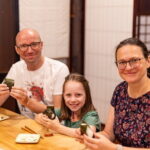
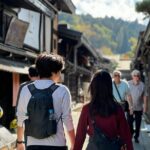
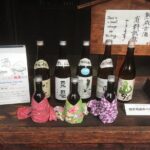
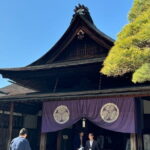
Cooking in a temple changes the pace fast.
This Takayama onigiri and miso soup class feels less like a classroom and more like a quiet meal practice, with the historic temple setting doing half the work for you. I love the peaceful focus on mindfulness and gratitude around food, and I also love that you build your own onigiri plate with personalized fillings, then learn how to make miso soup from scratch using locally known Hida miso. One possible drawback: it’s only about one hour, so it is best if you want a fun, guided intro rather than a long, detailed cooking session.
You’ll have a small group, which helps the host keep things clear and moving. The instructor, including host Tama, is known for explaining steps in easy English and keeping the activity light enough that it does not feel like heavy work. If you prefer lots of free time to wander before or after, plan a little buffer, because the experience wraps up at the meeting point quickly.
In This Review
- Key highlights to look forward to
- Takayama Zenko-ji temple cooking: why this class feels different
- What you actually make: onigiri plus miso soup (and how Hida miso fits in)
- Onigiri: your plate, your choices
- Miso soup: from scratch, guided step by step
- The hour-by-hour rhythm inside the kuri (temple kitchen)
- Step 1: Settle in the serene temple kitchen area
- Step 2: Learn rice ball basics and customize
- Step 3: Make miso soup with Hida miso
- Step 4: Eat your brunch-style meal
- Meet your host: Tama and the English-friendly teaching style
- Who this is best for (and who should plan differently)
- Great for
- Not the best fit if
- Value in plain numbers: why $26.13 can make sense
- How to pair this with the rest of your Takayama day
- Should you book Takayama temple onigiri and miso soup?
- FAQ
- Where is this experience located?
- How long does the onigiri and miso soup class take?
- How much does it cost?
- What is included in the price?
- Is the experience vegan-friendly?
- What do we make during the class?
- Is there a group size limit?
- Do I need private transportation?
- Can most people participate?
- What if I need to cancel?
Key highlights to look forward to
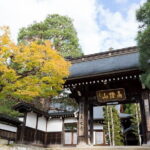
- Buddhist temple setting at 宿坊 高山善光寺 TEMPLE HOTEL TAKAYAMA ZENKO-JI, a calm break from shrine-hopping
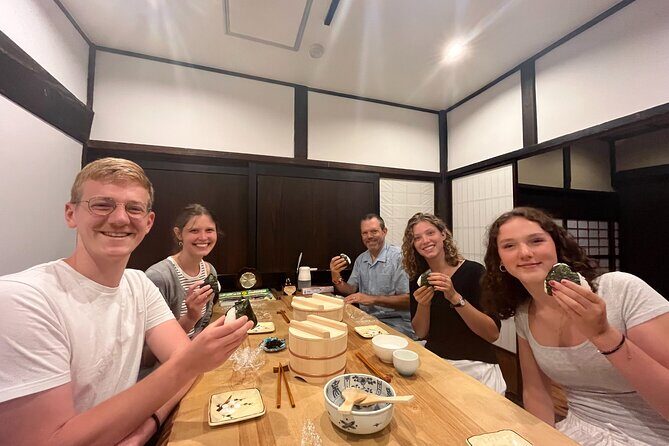
- Hands-on onigiri making in the temple’s kitchen area (kuri), with your own fillings
- Miso soup from scratch with Hida miso and step-by-step guidance
- Vegan-friendly so more people can join and enjoy the meal
- Small group size (max 10) for better attention and less waiting around
Takayama Zenko-ji temple cooking: why this class feels different
In Takayama, you can fill your days with streets, sake, and old-stone scenery. But this experience adds something practical and human: you learn how Japanese people think about food when it is treated with care, not just eaten.
The big difference is the setting. Instead of a restaurant kitchen or a busy cooking school, you work in a temple environment tied to Buddhist teachings. That shows up in the tone of the lesson. You do not just mix ingredients and move on. You’re encouraged to approach the meal with a calmer mindset—how you handle food, how you pay attention, and how you take a few moments to be grateful for what’s on the table.
It also helps that the cooking itself is approachable. Based on what the instructor style has been praised for, it is the kind of class where you can follow along without needing confidence in the kitchen. You’re not asked to do anything extreme with knives or complicated technique. Think: guided assembly, guided simmering, and a clear path from start to finish.
And because it is vegan-friendly, you’re not stuck figuring out what you can safely eat. You can focus on learning the flavors and the process rather than scanning menus or asking for substitutions.
Other Takayama walking tours and old-town experiences

What you actually make: onigiri plus miso soup (and how Hida miso fits in)
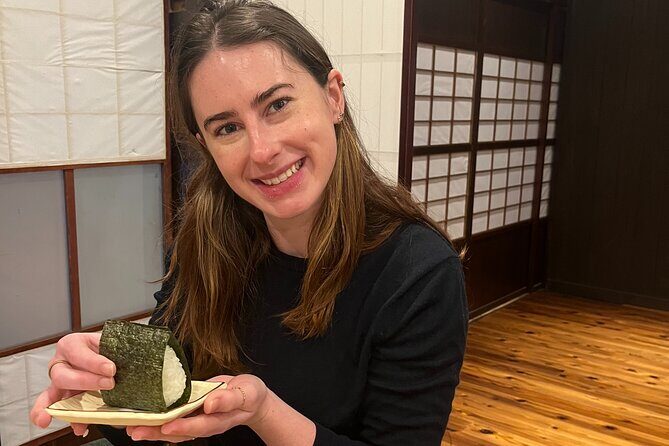
This is not a snack demo. You’ll be taught to make both:
- Onigiri (Japanese rice balls)
- Miso soup made from scratch
Onigiri: your plate, your choices
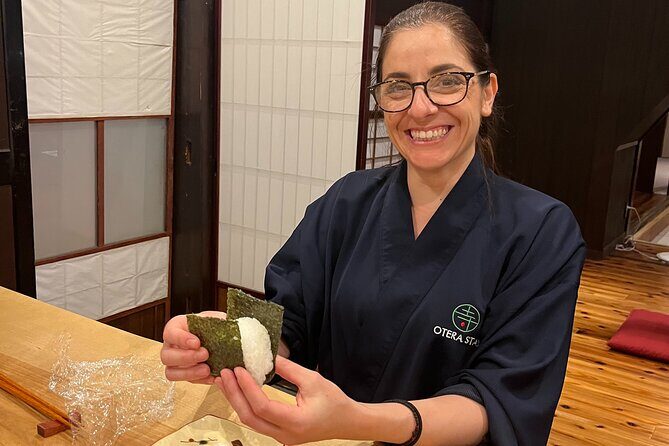
You’ll personalize your onigiri plate using fresh, seasonal ingredients. The exact menu of fillings isn’t listed here, but the experience is designed around choice, so you can experiment with different flavors. That is the part I think you’ll feel immediately. After you form the rice, add your filling, and shape it into a rice ball, you get a mini payoff: you made the food you’re about to eat.
Onigiri is a genius travel food because it’s portable and satisfying. In this class, you learn the fundamentals behind that appeal: rice texture, the balance of filling, and the basic logic of shaping food that still tastes great even after sitting.
Miso soup: from scratch, guided step by step
Miso soup is where local character shows up. This class uses Hida miso, a blend known in the region. That matters because miso is not just one flavor. Different miso types can taste sweet, salty, or earthy, and the soup changes depending on what you start with.
The host’s role is crucial here. One of the most praised parts of the experience is how clearly the instructor explains the process for making a good miso soup. The class is structured so you understand what you’re doing—rather than copying motions blindly. Even if you’ve never cooked with miso before, you’ll learn the flow of the soup, what to watch for, and how to keep it tasting like miso soup instead of just warm salty broth.
The hour-by-hour rhythm inside the kuri (temple kitchen)
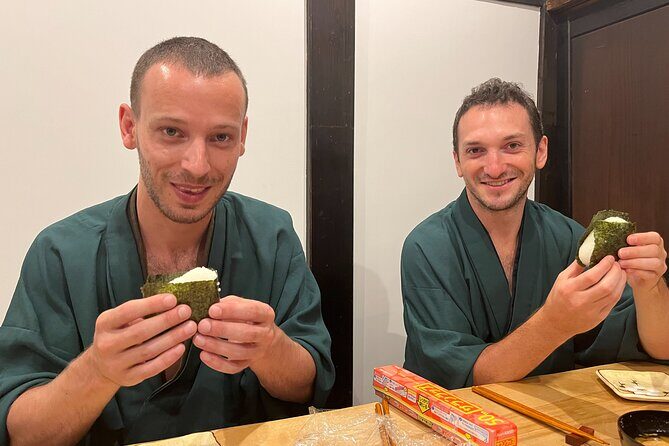
The experience is about one hour, so it’s designed to stay focused. There isn’t time to drift into unrelated sightseeing. Instead, you’ll get a compact lesson that ends with you eating what you made.
Here’s how the flow is set up in a practical way:

Step 1: Settle in the serene temple kitchen area
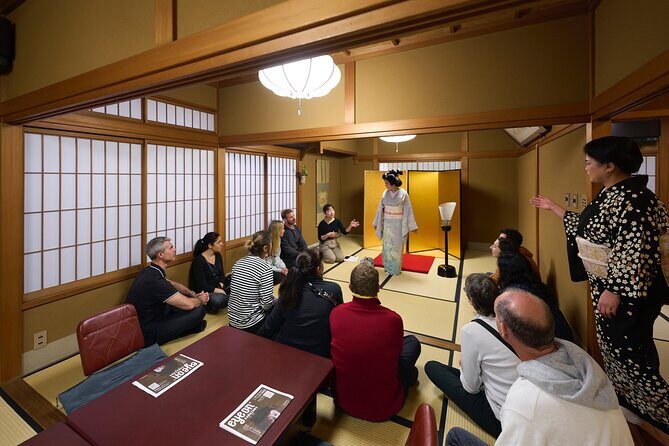
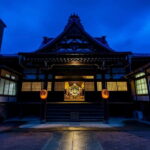
You start at the temple hotel complex: 宿坊 高山寺TEMPLE HOTEL TAKAYAMA ZENKO-JI. From there, you’ll move into the temple’s kitchen space (the kuri). This matters because it changes how you learn. When the environment is quiet, you can hear instructions more clearly, and you’re less rushed.
Step 2: Learn rice ball basics and customize
You’ll be taught the process of making onigiri and then guided toward personalizing your plate. The key is that you’re not just watching. You’re participating, including filling and shaping.
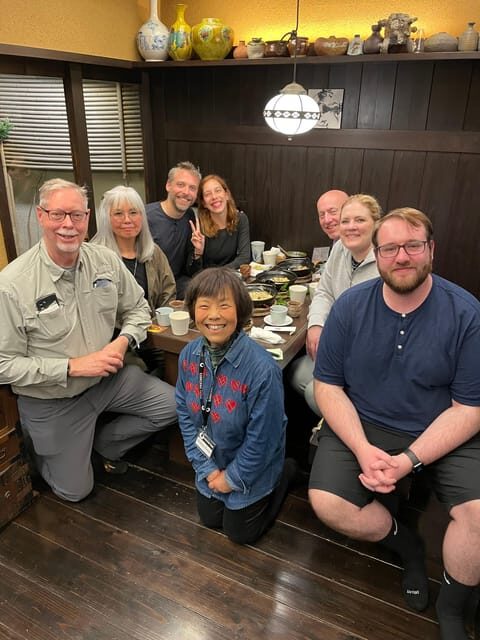
This is also where the small group size really helps. With a maximum of 10 people, the host can correct small issues quickly, like how you handle rice or how you portion fillings.
Step 3: Make miso soup with Hida miso
While you’re working, the instructor teaches you how to create miso soup from scratch. You’ll learn through explanations and hands-on involvement, with a strong emphasis on getting it right.
One detail I appreciate: the class avoids turning miso soup into a complicated science project. The goal is to help you make something delicious and understandable in a short time.
Step 4: Eat your brunch-style meal
The class includes brunch, so you’ll eat after learning. That makes the lesson feel whole. You’re not just leaving with a cookbook-style memory. You get the tasting experience immediately, which helps you remember what you did and why it mattered.
Also, if you planned this as lunch after sightseeing, this timing tends to work well because you can go from walking to sitting, and you’re fed without a long wait.
Meet your host: Tama and the English-friendly teaching style
The instructor quality is a major reason this class gets such high marks. Tama, the host mentioned in the feedback, is repeatedly praised for explaining details clearly and for communication in English.
That combination matters more than people expect. A cooking class can be charming, but if the instructions are fuzzy, you spend the hour guessing. Here, the teaching style is described as friendly, easy to follow, and patient.
If you’re learning Japanese food for the first time, that support helps you connect the ingredients to the result. You’ll understand what miso soup should taste like, how onigiri should feel, and how small adjustments change the outcome.
One more plus: the activity is described as not heavy lifting. So it’s a good choice if you’ve already walked a lot around Takayama and you want something active-but-easy.
Who this is best for (and who should plan differently)
Great for
- Food lovers who want a hands-on Takayama experience that goes beyond eating
- Travelers who want an authentic cultural moment in a temple setting
- Anyone who can’t or doesn’t want to handle meat-based cooking, thanks to vegan-friendly instruction
- Families with kids who do well with interactive tasks and clear guidance
Not the best fit if
- You want a long, deep training session with lots of advanced technique
- You prefer highly structured, timed itineraries with lots of extra side activities
- You need private instruction (this is a small-group experience)
Value in plain numbers: why $26.13 can make sense
At $26.13 per person, it may look like a simple cooking class. But the value comes from the mix:
- You get instruction for two dishes (onigiri and miso soup)
- You receive brunch, not just a snack
- You learn with Hida miso, which ties directly to the region
- You get the temple setting and cultural context, which you can’t easily replicate on your own without planning
- The group stays small (max 10), which often improves the experience more than paying for a bigger class
Also, because the tour is about an hour, it fits neatly into a day. You’re not paying for time you would otherwise spend waiting or traveling to a remote cooking location. The tradeoff is that it is compact, so if you want hours of training, you may find it short—but for most people, that short, focused structure is a feature, not a flaw.
Private transportation isn’t included, so factor that into your budget if you’re coming from outside walking distance. The meeting point is near public transportation, which helps.
How to pair this with the rest of your Takayama day
This experience works well when you treat it as a reset. You can:
- Do it after a morning of temple and street wandering, then let the food and calm atmosphere slow you down
- Book it as a lunch-style activity (it’s described as perfect for that role)
- Use it as your food moment so you can keep the evening for strolling and trying local shops
Timing is the secret. Since it ends back at the meeting point, it’s easiest if you plan to continue your day nearby rather than making a big hop right after.
Should you book Takayama temple onigiri and miso soup?
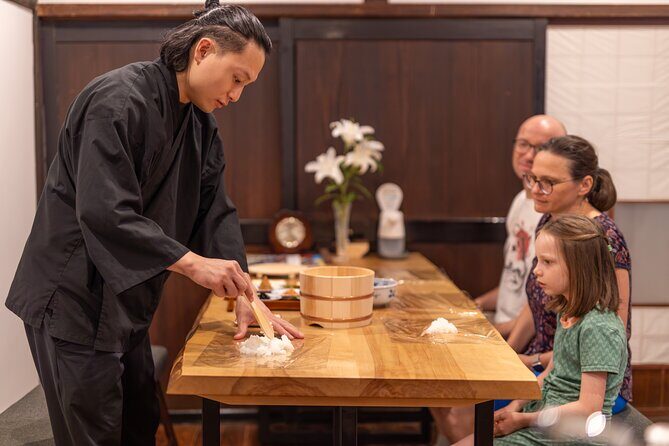
I’d book it if you want a hands-on, culturally grounded meal experience that is friendly for beginners and powered by a calm temple atmosphere. The combination of onigiri plus miso soup, vegan-friendly participation, and guidance from a host known for clear English is exactly the kind of class that gives you more than just food. It gives you a repeatable sense of how these dishes work.
Skip it only if you’re chasing a long cooking deep-dive or you’re uncomfortable in shared group settings. Also, if you’re the type who needs lots of downtime, remember the experience is tightly timed at about an hour.
If you’re in Takayama and you like the idea of cooking in a Buddhist temple kitchen, this is a smart way to spend your time.
FAQ
Where is this experience located?
It starts at 宿坊 高山善光寺 TEMPLE HOTEL TAKAYAMA ZENKO-JI, 4-chōme-3 Tenmanmachi, Takayama, Gifu 506-0025, Japan.
How long does the onigiri and miso soup class take?
It lasts about 1 hour.
How much does it cost?
The price is $26.13 per person.
What is included in the price?
Instruction to make miso soup and rice ball, plus a guide. Brunch is included.
Is the experience vegan-friendly?
Yes. The experience is entirely vegan-friendly.
What do we make during the class?
You make onigiri (rice balls) and miso soup from scratch using Hida miso.
Is there a group size limit?
Yes. The maximum group size is 10 travelers.
Do I need private transportation?
Private transportation is not included, but the meeting point is near public transportation.
Can most people participate?
Most travelers can participate.
What if I need to cancel?
You can cancel for a full refund up to 24 hours before the experience’s start time. If you cancel less than 24 hours before, the amount paid is not refunded.