Snow monkeys, right on schedule.
This winter-focused Nagano day mixes Jigokudani hot-spring monkeys with a guided look at Zenko-ji, then finishes with a tasting of local sake. I like how the pacing is built for cold weather: you get big outdoor moments early, a warm meal mid-day, and cultural time in the afternoon.
Two things I especially like: the included lunch at Japanese Dining GOEN (a real sit-down break) and the fact that a locally based English-speaking guide keeps the day moving in a clear, low-stress way. In the reviews, guides such as Jens and Yama come up repeatedly for being friendly and helpful, so you’re not just dropped off with a map.
One drawback to plan for: winter footing. The monkey park involves a 1.6 km unsealed forest trail where snow and ice can be serious, and the tour end time in Nozawa Onsen may shift with weather and road conditions—because winter in Nagano is winter in Nagano.
In This Review
- Key highlights to know before you go
- Jigokudani Snow Monkeys: the winter show you actually understand
- The 1.6 km icy trail: how to stay warm and keep your footing
- Lunch at GOEN: where the day warms up and your stomach stops bargaining
- Zenko-ji in a winter time window: what a guide saves you from
- Nishinomon-Yoshinoya sake brewery: short, warm, and genuinely Nagano
- Transport, group size, and timing: how the day stays manageable
- Price and value: does $150.89 make sense for winter?
- Who should book this snowy Nagano day?
- Should you book this 1-Day Winter Tour From Nozawa Onsen?
- FAQ
- FAQ
- How long is the tour?
- What stops are included in the itinerary?
- Is the snow monkey park ticket included?
- How much walking is involved, and what should I wear in winter?
- Do I need to pay extra for Zenko-ji?
- Is the sake tasting included?
- What happens if I need to cancel last minute?
Key highlights to know before you go
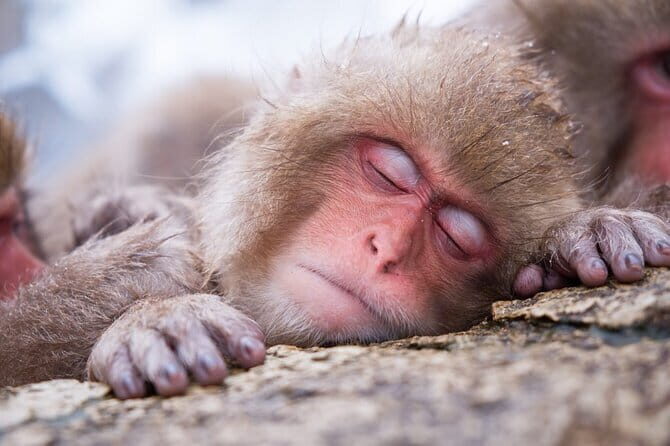
- Jigokudani Snow Monkey Park: a famous troop that bathes in hot springs near people, with clear distance rules (1–2 meters).
- Guided Zenko-ji Temple: time-efficient temple viewing with context and a guide handling the flow.
- Warm lunch at GOEN: a mid-day reset when it’s cold outside, with menu options that can include Japanese and Western favorites.
- Sake tasting at a local brewery: a short, guided introduction to Nagano’s sake world.
- Small-ish group feel (max 44): long travel days go smoother when there aren’t endless line-ups everywhere.
- Winter gear matters: crampons may be available nearby; rental boots can help on the icy trail.
Jigokudani Snow Monkeys: the winter show you actually understand
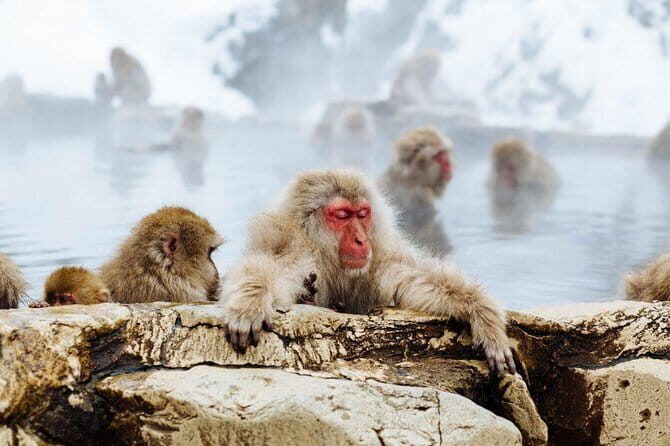
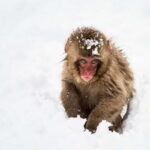
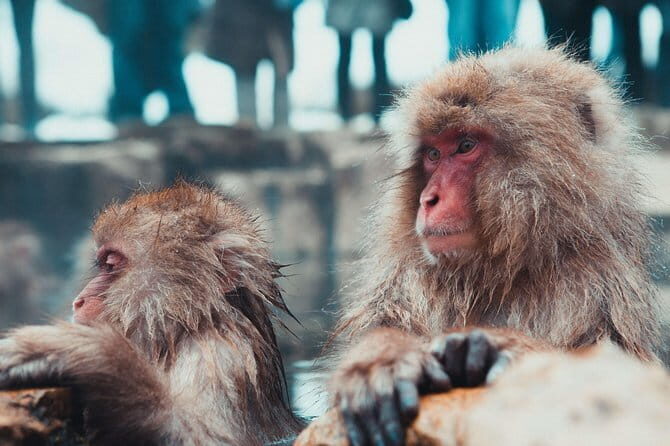
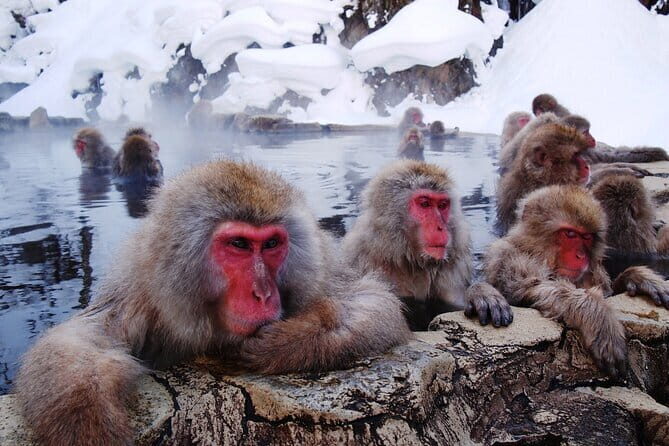
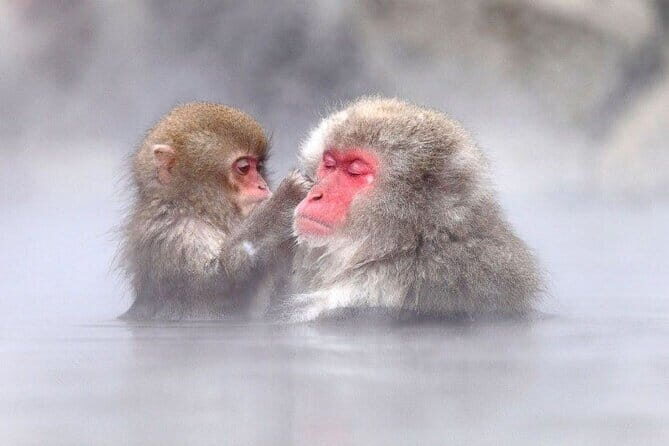
If you only care about one stop, make it Jigokudani Snow Monkey Park. The park has been operating since 1964 and is known for the troop that—world-famous fact—bathers in hot springs. In winter, you’re more likely to catch those steam-and-snow moments, which is exactly what you want when you’re visiting in December through early April.
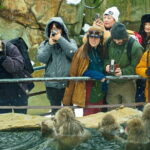
What makes this stop feel special is the balance between closeness and respect. There are no barriers between you and the monkeys, but you must keep a minimum distance of 1 to 2 meters. You also cannot touch, hold, feed, or bathe with the monkeys—rules that aren’t there to ruin the fun. They keep wild animals wild, and they keep you from doing something you’ll regret (or get scolded for).
Plan on learning fast. Your guide will go over the rules before you enter, so you know what to do with your hands, your feet, and your camera. The goal isn’t to chase the animals—it’s to watch them calmly. When you do that, the monkeys’ routines are what grab you: the way they settle into the hot water, then look around like they own the place.
Other snow monkey tours we've reviewed in Nagano

The 1.6 km icy trail: how to stay warm and keep your footing
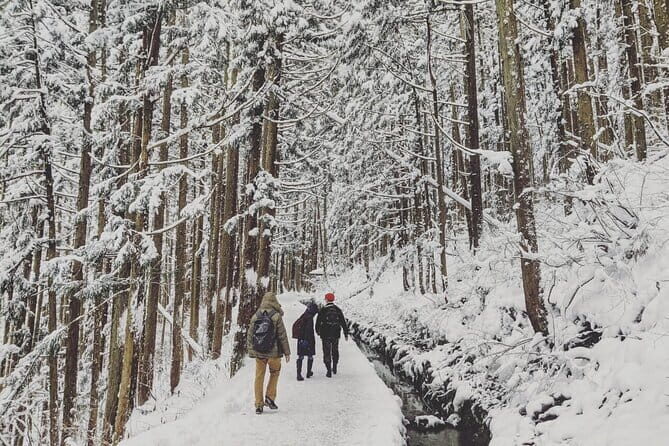
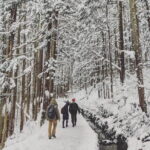
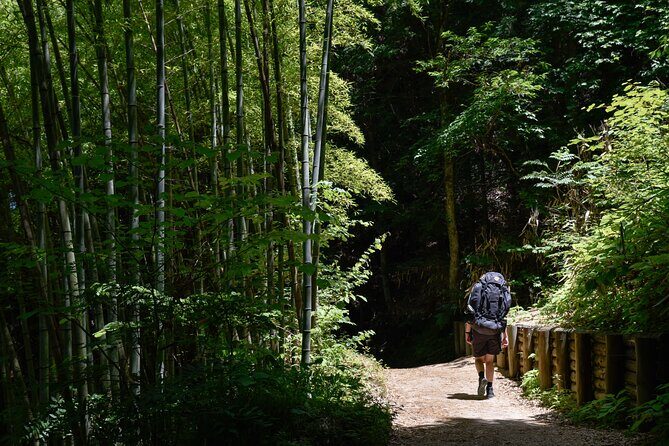
The monkey park isn’t a drive-through. You’ll walk about 1.6 km along an unsealed forest trail, and in mid-December through early April snow and ice can affect the path. This is why the tour asks for moderate physical fitness—not because it’s a hike marathon, but because winter conditions can change your pace fast.
Here’s the practical approach I’d use: dress for cold that can dip below 0°C (as low as -10°C in the winter period mentioned). Wear footwear that can handle slick surfaces. If you’re unsure about your traction, the park area can offer rental boots, and crampons (metal spikes that attach under your shoes/boots) can also be purchased nearby. That’s not overkill. It’s peace of mind.
If you normally walk slowly, start slowly. The trail is short on paper, but ice makes every step count. Also, build time mentally for slipping risk: keep your hands free, take shorter steps, and don’t rush just because other people look confident.
One more winter reality: you’re visiting wild animals. The monkeys may come down, stay in the bathing areas, or sometimes arrive late or leave early on certain days. The tour notes that this can happen and is outside anyone’s control, so your best move is to show up ready to enjoy whatever the day gives you.
Lunch at GOEN: where the day warms up and your stomach stops bargaining
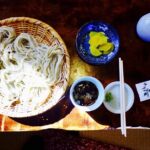
After the outdoor morning, lunch is not a random add-on—it’s a big part of why this day works in winter. The tour includes a warming lunch at Japanese Dining GOEN, located about a 5-minute drive from the monkey park. It’s designed as a comfort stop after cold walking and waiting.
GOEN’s menu includes a selection of Japanese and Western favorites, and you get a choice. That matters because a cold-weather day can beat everyone’s appetite into a weird mood. A mix of options helps you find something that feels right even if you’re picky or just tired of soup-lunch-as-a-tradition.
Two notes to keep expectations realistic. The tour says GOEN is a popular local restaurant, so on rare occasions they may swap to another comparable place. Also, menus can change over time, so what you see online might not match what you sit down to eat.
This is also where the guide usually keeps the rhythm: after lunch, you’ll be ready for Zenko-ji without feeling like your day is one long commute.
Zenko-ji in a winter time window: what a guide saves you from
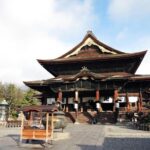
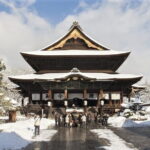
Zenko-ji is one of Japan’s oldest and most important Buddhist temples, and it’s central to Nagano’s spiritual identity. This stop is included as a guided tour at Zenko-ji Temple, with 1 hour 30 minutes set aside. That’s a good chunk of time to see major highlights without feeling rushed.
The temple is tied to a near-1400 year history and is a registered National Treasure. That kind of long timeline can be hard to read on your own, especially when temple layouts and rituals are new to you. A guide helps you understand what you’re seeing and helps you avoid the common tourist trap: walking past the meaning because you’re busy photographing the stonework.
There is also an optional entrance fee for the inner sanctuary. If you want the extra access, plan on paying it separately. If you just want the best overall experience without extra spend, the guided temple exploration you get here is still meaningful.
Winter also changes how you experience Zenko-ji. Paths and courtyards feel quieter, and you’re more likely to slow down and actually notice details like lighting, incense, and the way people move through sacred space. If you care about culture beyond the checklist, this is the stop that gives you that.
Nishinomon-Yoshinoya sake brewery: short, warm, and genuinely Nagano
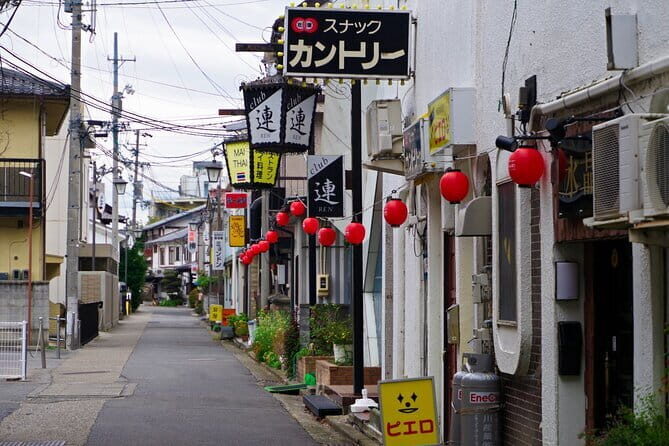
The day ends with a sake tasting at Nishinomon-Yoshinoya Sake Brewery. It’s a brief stop (about 20 minutes), but the point isn’t length—it’s a guided introduction. Your guide explains the complex and warm world of sake, then you taste.
Why this works in one day: sake tasting is easier to absorb after Zenko-ji than at the start of your day. By the time you get here, you’ve had a warm lunch, your brain has settled into the cultural part of the trip, and you’re ready for something a little more indulgent.
Also, Nagano is described as Japan’s second largest sake producer, so you’re not drinking random local labels. You’re trying something tied to the region’s output and identity. Keep in mind this is a tasting, not a full dining event—so eat what you need before this stop.
Other Zenkoji and Nagano temple tours
Transport, group size, and timing: how the day stays manageable
This tour includes transport from and back to Nozawa Onsen, plus all listed destination visits. It runs about 8 to 9 hours, with the tour scheduled to conclude by 18:00 in Nozawa Onsen. In winter, weather and road conditions can shift that ending time, so don’t plan a tight dinner reservation the minute you expect to be back.
Group size is capped at 44 travelers, which is big enough to keep the cost down but small enough that the day should still feel organized. Reviews also mention smooth pick-up/drop-off and a caring, attentive approach from guides and drivers, which matters because winter transport is where “rough day” trips are born.
You’ll receive a mobile ticket, so you can keep it on your phone. The tour is also noted as being near public transportation, which can be reassuring if you’re the kind of person who likes a backup plan.
If you’re coming from outside Nozawa Onsen, the included transport is one of the hidden value points here. Winter buses and taxis aren’t cheap, and lining up connections on icy days is where DIY plans can go sideways.
Price and value: does $150.89 make sense for winter?
At $150.89 per person, this isn’t a budget snack tour. But value-wise, it’s closer to a bundled day of problem-solving than a simple sightseeing ticket.
What you get included:
- Round-trip transport between Nozawa Onsen and each destination
- Jigokudani Monkey Park entry ticket
- Lunch at GOEN
- Guided Zenko-ji
- Guided sake tasting
What’s not included (and may matter to your budget):
- Additional snacks and drinks
- Any optional fee for the inner sanctuary at Zenko-ji
- Shinkansen/bullet train tickets
- Accommodation
If you tried to do this on your own in winter, you’d have to solve transport, entry tickets, and timing—while also dealing with the uncertain pace of a winter trail. Paying for a guide and scheduled transport can be money well spent when the weather is doing its own thing.
Also, the tour doesn’t promise you a magical monkey moment; it promises you the best chance with proper rules and a winter-ready schedule. That’s the kind of value that keeps the day from feeling like wasted time.
Who should book this snowy Nagano day?
This tour is best for you if you want a structured winter day that hits the main hits without requiring lots of planning. It’s a strong choice if you like:
- animals, but you respect wildlife rules
- temple sightseeing with context
- a warm meal that keeps your energy up
- a short cultural tasting finish rather than a long drinking spree
It’s also a good fit for families, because the monkey park is naturally fun and the walk is manageable when you dress correctly. One caution: if you have trouble with slippery ground or long-ish cold outdoor time, you’ll need to think hard about the trail conditions and your comfort level.
If you’re the type who hates group schedules, you might find any guided day a little restricting. But with this one, the day is long enough to justify the structure and short enough to stay enjoyable.
Should you book this 1-Day Winter Tour From Nozawa Onsen?
If your winter priorities include Jigokudani monkeys, Zenko-ji, and a taste of Nagano sake—all in one day—this is a solid booking. The biggest reason to choose it is not just the sights. It’s that it handles the hardest winter pieces for you: getting you there, timing the stops, and giving you rules-based access to the monkey park.
Book it if you’re willing to dress for snow and you’re okay walking about 1.6 km on a winter trail. Skip it (or at least reconsider) if you strongly dislike cold, icy ground, or if you need guaranteed timing down to the minute, since the tour end time can move with weather.
FAQ
FAQ
How long is the tour?
The tour runs about 8 to 9 hours total.
What stops are included in the itinerary?
You’ll visit Jigokudani Snow Monkey Park, Japanese Dining GOEN for lunch, Zenko-ji Temple, and Nishinomon-Yoshinoya Sake Brewery for a guided sake tasting.
Is the snow monkey park ticket included?
Yes. Jigokudani Monkey Park entry ticket is included.
How much walking is involved, and what should I wear in winter?
You’ll walk about 1.6 km along an unsealed forest trail. From mid-December to early April, snow and ice can affect the path, so wear suitable warm clothing and shoes/boots; rental boots and crampons can be available nearby if needed.
Do I need to pay extra for Zenko-ji?
The tour includes a guided visit at Zenko-ji Temple, and an optional entrance fee may apply for the inner sanctuary.
Is the sake tasting included?
Yes. A guided sake-tasting experience is included.
What happens if I need to cancel last minute?
Free cancellation is available up to 24 hours before the experience starts. If you cancel less than 24 hours before, you won’t receive a refund.
![Departing from Takayama [Regular sightseeing bus] World Heritage Sites Shirakawago and Gokayama Ainokura - Stop 1: Ainokura Gassho Community in Gokayama (your quieter warm-up)](https://www.japan-alps.com/wp-content/uploads/2026/05/departing-from-takayama-regular-sightseeing-bus-world-heritage-sites-shirakawago-and-gokayama-ainokura.jpg)