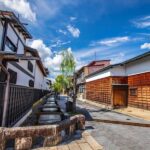
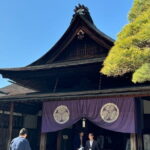
A quiet morning in Takayama. This experience pairs temple meditation with a practical food lesson at Takayama Zenkoji, so you leave with both calmer thoughts and a belly that feels cared for. You’ll start the day at 8:00am, guided by chief priest Kaiji, then shift gears into making onigiri in the temple kitchen.
I really love the beginner-friendly meditation approach, especially the way breathing and mental clarity are explained in a simple, usable way. I also love the cooking side: learning to shape onigiri and make miso soup from local ingredients feels hands-on, not like a rushed demo.
One thing to consider: this is a quiet, respectful temple session, so you’ll want to dress appropriately (cover knees and shoulders) and keep the vibe low-key—plus it starts early.
In This Review
- Key highlights you’ll feel right away
- Takayama Zenkoji at 8:00am: calm before the crowds
- Meditation with chief priest Kaiji: beginner focus, not mystical fog
- Breathing + posture: how to get something useful out of it
- From cushion to kitchen: learning onigiri the calm way
- Miso soup + onigiri: what’s included and why it matters
- Group size and timing: why 2 hours feels like the right dose
- Price and value: what $56.49 buys you in real terms
- Getting there: meeting point simplicity and what’s not included
- Who should book this onigiri + meditation morning?
- Should you book Takayama Rice ball Making and meditation at Takayama Zenkoji?
- FAQ
- What time does the experience start?
- How long is the meditation and rice ball workshop?
- Where do I meet for the tour?
- Is the meal vegetarian or vegan?
- Is there English guidance available?
- How large is the group?
- Is transportation included?
- Can I cancel for free?
- What should I wear to a temple in Takayama?
Key highlights you’ll feel right away
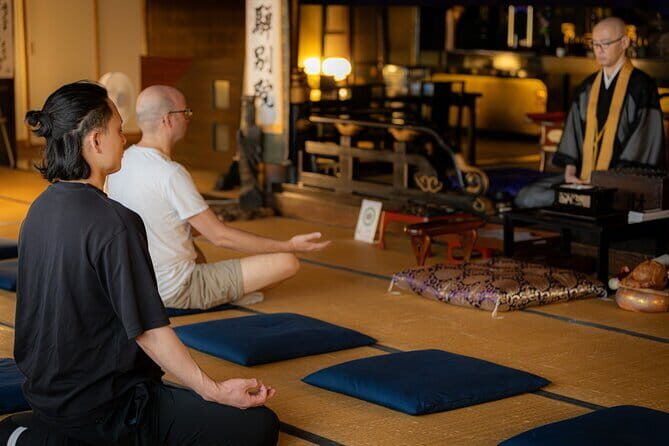
- Chief priest Kaiji guides a meditation session designed for beginners
- Breathing techniques for focus and mental clarity, explained clearly
- Hands-on onigiri + miso soup making with local ingredients
- Vegan-friendly meal (no meat or fish), suitable for vegetarians too
- Small group, up to 10 travelers, which makes questions easier
- Mobile ticket and a meeting point near public transportation for a smooth start
Takayama Zenkoji at 8:00am: calm before the crowds
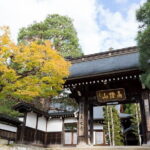
Takayama can get busy, fast. Starting at 8:00am at Takayamazenko Temple is a smart move if you want the town to still feel gentle. You’re meeting at 4-chōme-3 Tenmanmachi, Takayama, Gifu 506-0025, and the activity ends right back at that spot, so you’re not zigzagging across town after a mellow experience.
The setting matters here. A temple environment naturally slows you down: you’re not chasing photos or rushing between stops. Instead, you settle into one place and follow along. That’s why this works well as a first activity—especially if the rest of your Takayama day includes markets or sightseeing that need your energy later.
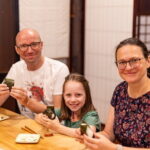
The group stays small (max 10), which changes the feel. You’ll likely get more attention, and it’s easier to ask basic questions if meditation terms feel new or if you’re unsure about how to form rice balls.
If you're still narrowing it down, here are other tours in Takayama we've reviewed.

Meditation with chief priest Kaiji: beginner focus, not mystical fog
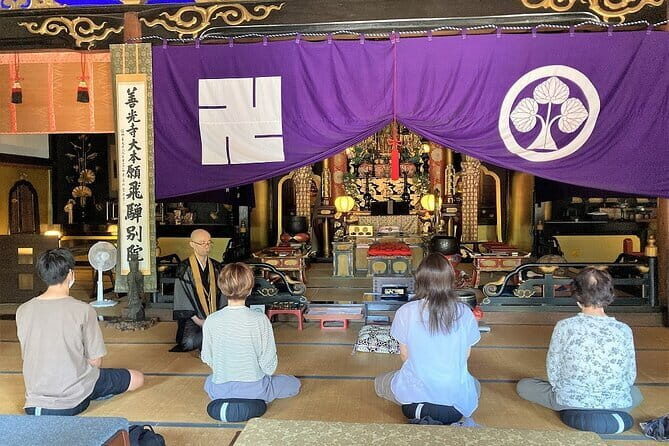
The meditation is led by the chief priest, Kaiji, and the whole session is designed for beginners. That’s a big deal. When meditation gets complicated, people freeze. Here, you’re guided with detailed explanations and breathing techniques meant to help you find inner peace and mental clarity without needing prior experience.
What I like about this setup is that it’s not just sit and hope. You’re given a structure you can follow. Breathing cues are the easiest “anchor” for most newcomers, and having someone explain what you’re doing reduces that awkward feeling of trying to guess the rhythm.
You’ll also learn in a respectful, step-by-step way. The tone from the temple staff comes through strongly in the feedback I’ve seen—people describe the guidance as patient and clearly explained. That’s what you want for meditation in a foreign language environment: clear instructions, not vague encouragement.
Practical consideration: this part is intentionally quiet. If you’re the type who needs constant motion or loud “tour energy,” you might find the stillness slower than you expected. But if you’re willing to trade speed for calm, it’s the most memorable part of the morning.
Breathing + posture: how to get something useful out of it
Even if you’re brand new to meditation, you can still leave with something concrete. The session uses breathing techniques tailored for beginners, which means you’re building a skill you can reuse later.
A helpful mindset is to treat this like learning a small routine. Not a performance. Not a test. The goal is mental clarity—so you’re practicing attention, not trying to empty your mind perfectly.
Also, dress matters. One review highlights the importance of respectful clothing—cover your knees and shoulders. That’s not just tradition; it helps you feel comfortable enough to sit and focus. If you’re wearing something that forces awkward posture, you’ll spend energy adjusting instead of breathing.
From cushion to kitchen: learning onigiri the calm way
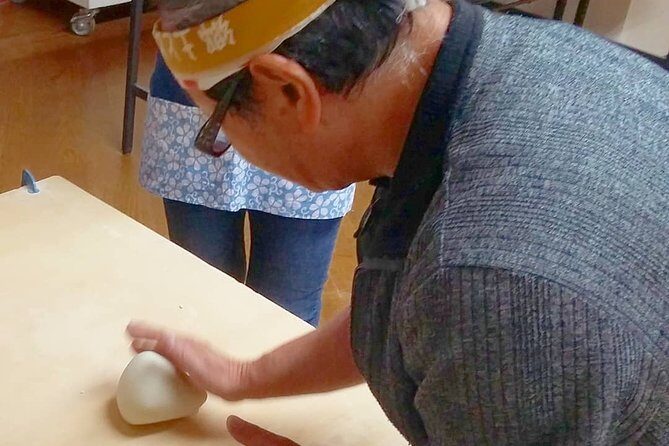
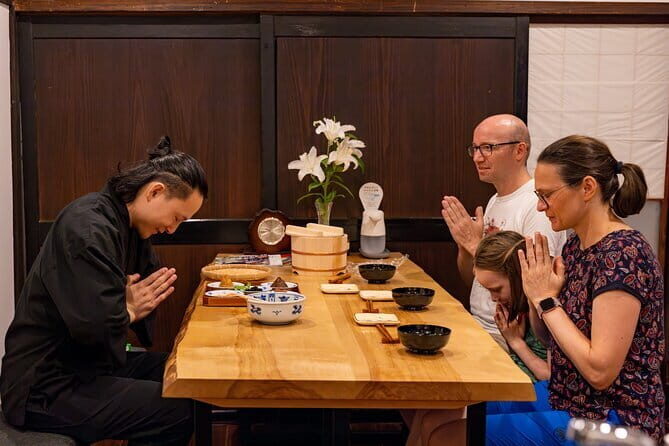
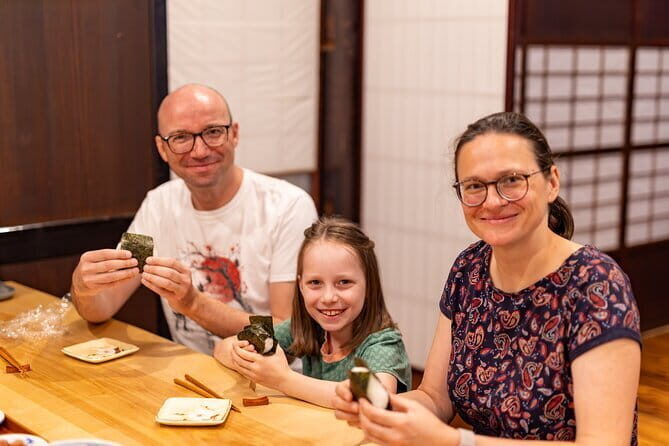
After meditation, the session turns into food work—onigiri (rice balls) and miso soup—taught in the temple kitchen. This is where the morning turns from “mind” to “hands,” and it’s a smart pairing. You’re still in the same quiet space, but now you’re doing something physical with clear steps.
You’ll learn how to make onigiri and miso soup using local ingredients. The teaching style seems to land well with non-Japanese speakers; feedback points to explanations that are simple and understandable, and that the temple people communicate in English effectively.
What I find practical (and kind of satisfying) is that this isn’t just eating temple food. You’re producing it. Shaping rice balls requires patience and attention—exactly the qualities you practiced in the meditation portion. The shift feels natural rather than random.
Expect a guided workshop feel: you’ll get instruction, then you’ll make your own portion. You’ll also learn what goes into miso soup, and how the flavors fit together with the rice.
Miso soup + onigiri: what’s included and why it matters
The meal is designed around temple-style food. It’s vegan-friendly, and the materials note that the food provided does not include meat or fish. That makes it suitable for vegetarians too.
Why this is valuable: you’re not just sampling Japanese cuisine—you’re seeing a different everyday tradition of cooking. Miso soup and rice balls are humble, but they’re also flexible and comforting. The calming part isn’t only the setting; it’s also that the food is straightforward and nourishing.
Also, with vegan-friendly ingredients, this is easier to plan around if you avoid certain foods. You won’t be guessing what’s inside. That reduces travel stress, and that’s underrated.
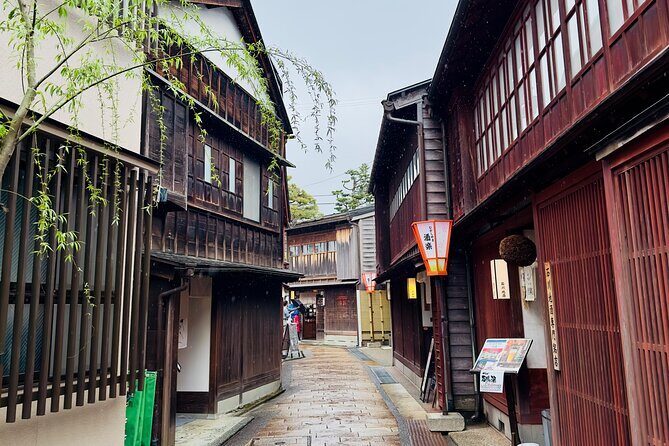
Other Takayama walking tours and old-town experiences

Group size and timing: why 2 hours feels like the right dose

The experience runs about 2 hours. In other words, it’s long enough to learn two skills—meditation and rice-ball making—but short enough that you don’t feel drained afterward. It’s also a morning slot, so you’ll likely have time to continue exploring Takayama afterward with a calmer head.
Since the max group size is 10, you’ll probably feel less like a background participant and more like a learner. That matters during meditation, where confusion can make people shut down. It also matters during hands-on cooking, where someone can help if your rice ball won’t hold its shape.
If you’re doing multiple activities in Takayama, this is a strong “mental reset” option. Put it early, then use your day for markets, streets, and temple hopping.
Price and value: what $56.49 buys you in real terms
At $56.49 per person for roughly two hours, this isn’t a budget snack stop. But you’re paying for more than food:
- Guided beginner meditation with chief priest Kaiji
- A structured workshop teaching onigiri and miso soup
- English and Japanese-speaking guidance
- A small group setting (max 10)
- A meal that’s vegan-friendly and vegetarian-safe (no meat or fish)
When I judge value, I look at time, guidance quality, and how much you leave with. Here, you get skills you can repeat—breathing attention practices and the basics of shaping onigiri. That’s different from paying for a plate of food and moving on.
One more practical point: it’s typically booked about 27 days in advance on average. That usually means it fills with people who want a calm, early morning activity. If you’re set on it, don’t treat it like a last-minute option.
Getting there: meeting point simplicity and what’s not included
This tour does not include private transportation, so you’ll want to rely on public transit or walk from where you’re staying. The meeting point is near public transportation, which makes that easier.
It also uses a mobile ticket, which is handy. You just need your phone at the start. After the session, you’re brought right back to the meeting point, so you don’t have to plan a separate way back.
If your schedule is tight or you want one less logistical step, this “meet and return to the same spot” setup is a quiet win.
Who should book this onigiri + meditation morning?
I think this fits best if you want a balanced experience—spiritual practice plus real food skills.
You’ll probably love it if:
- You’re a beginner who wants clear guidance for meditation
- You care about Japanese culture beyond photos
- You enjoy hands-on cooking and want to take home the technique
- You’re comfortable with vegan-friendly and vegetarian-style meals
- You prefer small groups over crowded tours
You might think twice if:
- You’re looking for a loud, high-energy activity
- You get restless with quiet sessions (meditation does come first)
- You want meat or fish-focused Japanese food (this is explicitly meat/fish-free)
If you’re on a first visit to Takayama and want one experience that feels truly local, this is a strong choice.
Should you book Takayama Rice ball Making and meditation at Takayama Zenkoji?
Yes, if you want a calm morning with actual instruction. This is one of those tours where the value comes from the combination: guided meditation with chief priest Kaiji, then practical onigiri and miso soup making. The small group size and the emphasis on clear explanations are exactly what make it work for beginners and non-Japanese speakers.
If you sleep through alarms often or you dislike quiet settings, you may find it a bit challenging. But if you can meet it at 8:00am with a respectful attitude, you’ll likely leave feeling both fed and reset.
FAQ
What time does the experience start?
It starts at 8:00am.
How long is the meditation and rice ball workshop?
The duration is about 2 hours.
Where do I meet for the tour?
Meet at Takayamazenko Temple, 4-chōme-3 Tenmanmachi, Takayama, Gifu 506-0025, Japan.
Is the meal vegetarian or vegan?
Yes. The food does not include meat or fish, and it’s described as vegan friendly, making it suitable for vegetarians too.
Is there English guidance available?
Yes. There is an English and Japanese speaking guide.
How large is the group?
The experience has a maximum of 10 travelers.
Is transportation included?
No private transportation is included. The meeting point is near public transportation.
Can I cancel for free?
Yes, you can cancel for free up to 24 hours in advance of the experience start time for a full refund.
What should I wear to a temple in Takayama?
A review specifically advises respectful clothing that covers knees and shoulders.