Food first, then time travel in Takayama.
This one-day tour strings together Miyagawa Morning Market bites, Old Town walking, and the Takayama Shōwa-kan museum, so you’re not just eating—you’re also getting context for what you’re seeing. I really like how the stops are practical and close together, which keeps the day from feeling like constant transit. I also like that you’re guided through the Showa era with hands-on-feeling scenes from everyday life, not vague “theme-park history.” One consideration: it’s a set schedule, so if you love lingering and browsing independently, you may want to leave extra time in Takayama after the tour.
You’ll start at 10:00 AM and move through several food moments—market snacks, Old Town street food, then lunch—before finishing with purin dessert and a sake tasting at a local bar. The upside is that you get a clear plan and an English guide to help you order and connect dots. The slight downside is that the tour includes specific street foods, meaning if you spot extra snacks you fancy, you’ll likely pay for those yourself.
In This Review
- Key highlights to know before you go
- Setting off from JR Takayama Station at 10:00
- Miyagawa Morning Market: more than a quick snack stop
- Old Town Edo streets and the Hida beef street food set
- Lunch timing and what Takayama ramen is really like
- Takayama Shōwa-kan: stepping through 1926 to 1989
- Purin dessert and the sweet finish you’ll be ready for
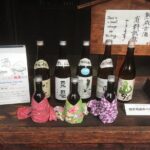
- Sake tasting around 2:10 PM: brewing methods, then drinking
- Price and value: does $150 make sense?
- Who this tour suits best (and who should pass)
- Should you book this Takayama food and Showa tour?
- FAQ
- Where is the meeting point for the tour?
- What time does the tour start?
- How big is the group?
- Is the tour guided, and is it in English?
- What food is included during the Old Town part?
- What is included for lunch?
- Do I get to visit the Showa-era museum?
- What dessert is included?
- Is there a sake tasting at the end?
Key highlights to know before you go
- Small-group pacing: limited to 10 participants, which helps with questions and photo stops.
- Market-to-streets flow: Morning Market, then Old Town, so you’re eating local right while you’re walking local.
- Clear Showa-era focus: Takayama Shōwa-kan covers Japan’s Showa period (1926–1989) with recreated rooms and real-feeling artifacts.
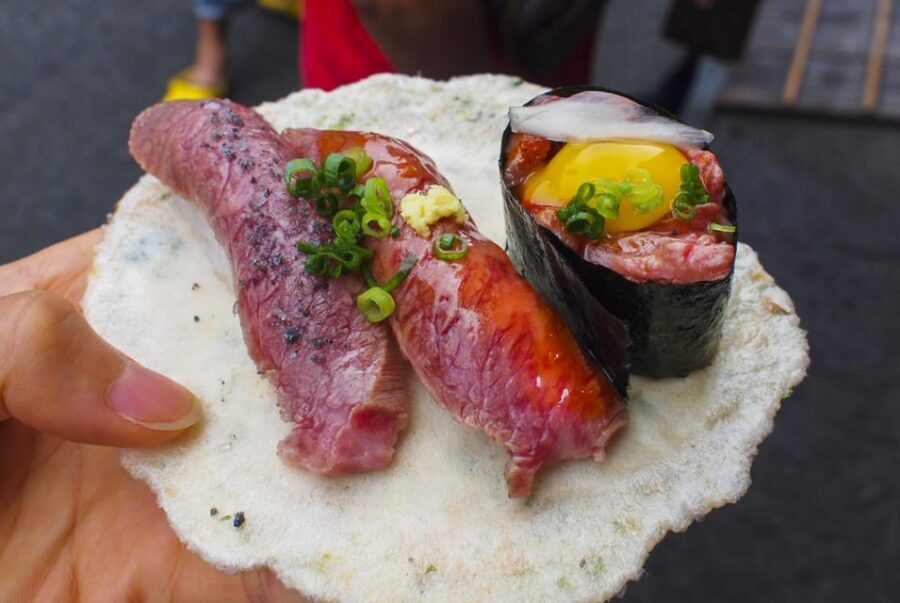
- Street food variety: you’ll try Hida beef stick, bun, sushi, plus gohei mochi with miso sauce.
- Classic comfort lunch: Takayama ramen with thin, curly noodles in soy-based broth and chashu.
- Ending with sake: a guided tasting around 2:10 PM, with explanation of brewing methods and cultural meaning.
Setting off from JR Takayama Station at 10:00
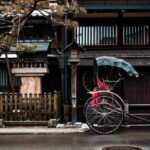
Your day starts outside JR Takayama Station, at the ticket gates. Once you’ve left the gates, look to your left for a walkway and a carving depicting an ornate wagon. I suggest getting there a few minutes early so you can actually find your group and settle in, because the tour begins at 10:00 sharp.
Your guide will be wearing a SNOW MONKEY RESORTS tour tag and leading in English. There’s also a waiting room with benches nearby if you arrive early, but be sure to move to the meetup point before 10:00. This matters because the whole tour is timed to food and opening hours.
Good to know: the tour provider is Machinovate Japan Ltd., and it runs as a small group. That combination usually means smoother navigation through busy areas—especially at the market—because you’re not trying to figure everything out solo.
Other Takayama walking tours and old-town experiences
Miyagawa Morning Market: more than a quick snack stop
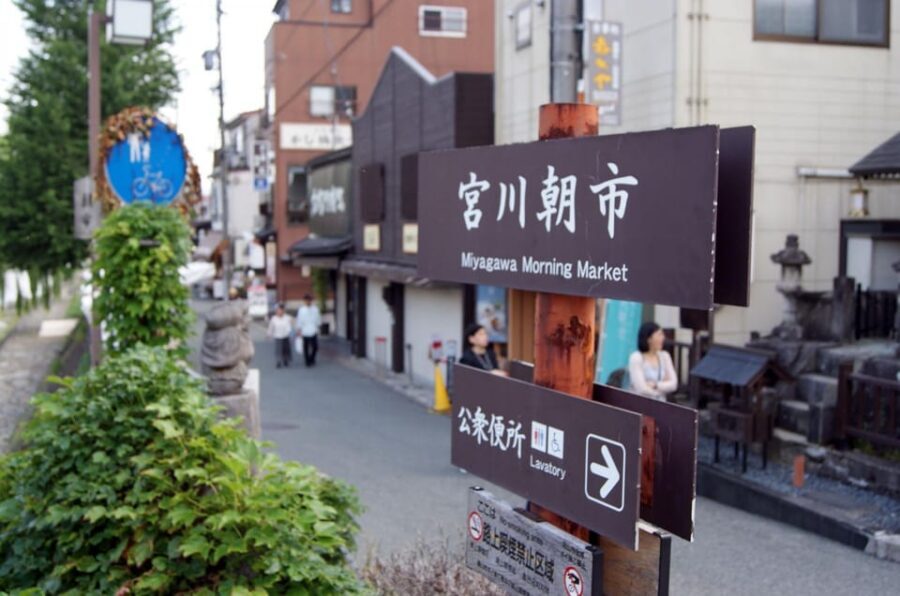
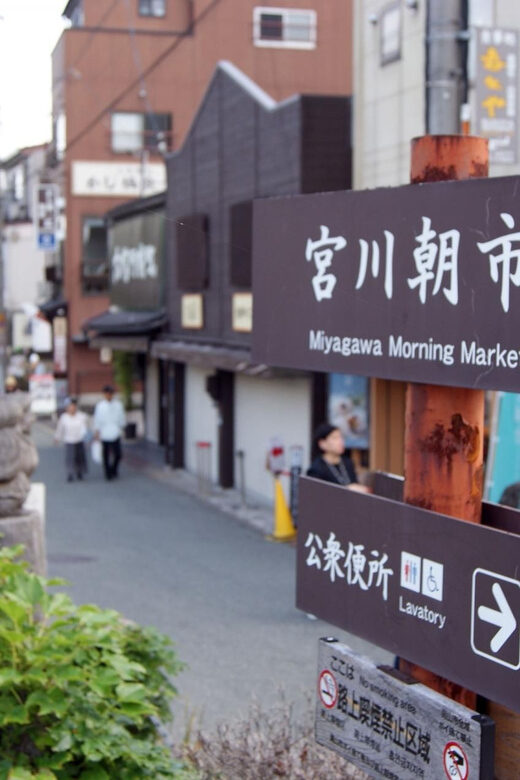
After meeting, you’ll head straight to Miyagawa Morning Market. The tour time here is about 30 minutes, which is just enough to eat, ask questions, and still have energy for Old Town walking afterward.
What I like about this stop is that it’s not only about food. You can also see local produce and handmade goods, so you get a sense of daily life in Takayama and what locals pick up for the next meal or the next season. Even if you’re a light buyer, the market layout and the smells do a lot of work for you.
Because you only have a half hour, treat this as your “warm-up” bite phase. You’re building an appetite for the bigger street food set in Old Town next, plus lunch later.
Old Town Edo streets and the Hida beef street food set
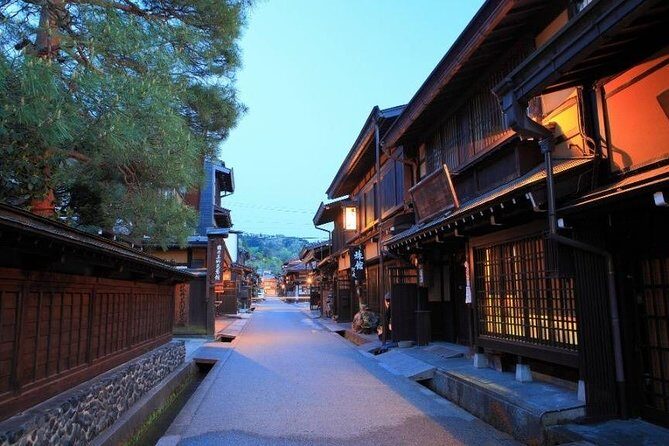
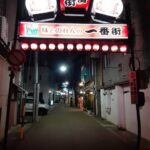
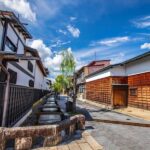
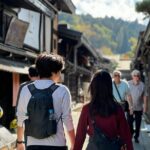
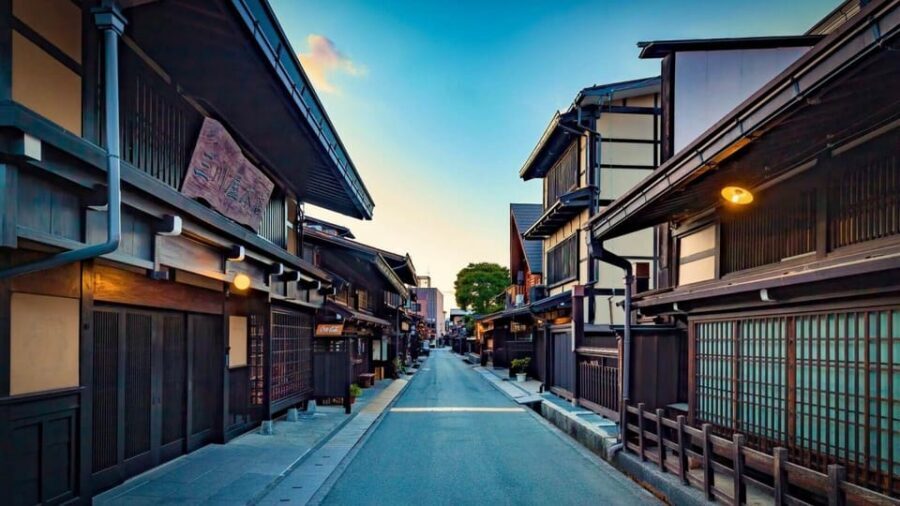
Next comes Takayama’s Old Town, where the architecture is known for being well preserved from the Edo period. This is one of those places where you can feel the scale of the streets: narrow, walkable, and made for strolling rather than rushing. With your guide, you’ll get stories and cultural context as you go, which makes the area feel less like scenery and more like a living neighborhood.
You’ll spend about 75 minutes in Old Town, including guided tasting. This is where the tour leans into real Takayama flavor with a set of specific street foods, including locally famed Hida wagyu in multiple forms.
Here’s what’s on your included street food menu in Old Town:
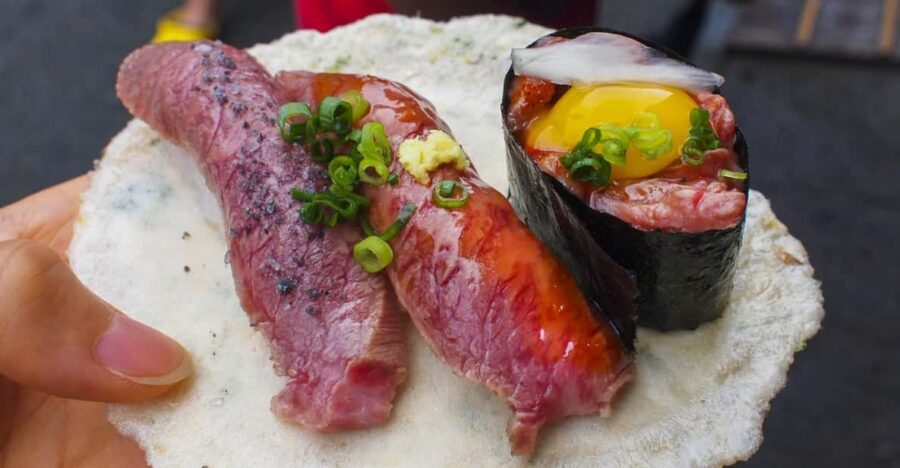
- Hida beef stick
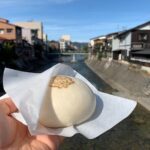
- Bun (served as part of the street food selection)
- Sushi
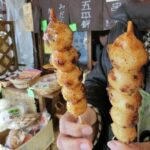
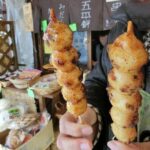
- Gohei mochi, grilled rice cake on a stick with a savory-sweet miso sauce
If you’ve never had gohei mochi, this is a fun one to try because it’s approachable and smoky-sweet. The miso sauce is a key flavor bridge in Japan—salty, sweet, and comforting—and it works especially well with hot street-food pacing.
One practical note: street food portions can be small by design, which is perfect here. The tour is built so you don’t get stuffed too early. If you end up wanting extra items beyond the included set, you’ll have opportunities in the area, but those won’t be part of the package.
Lunch timing and what Takayama ramen is really like
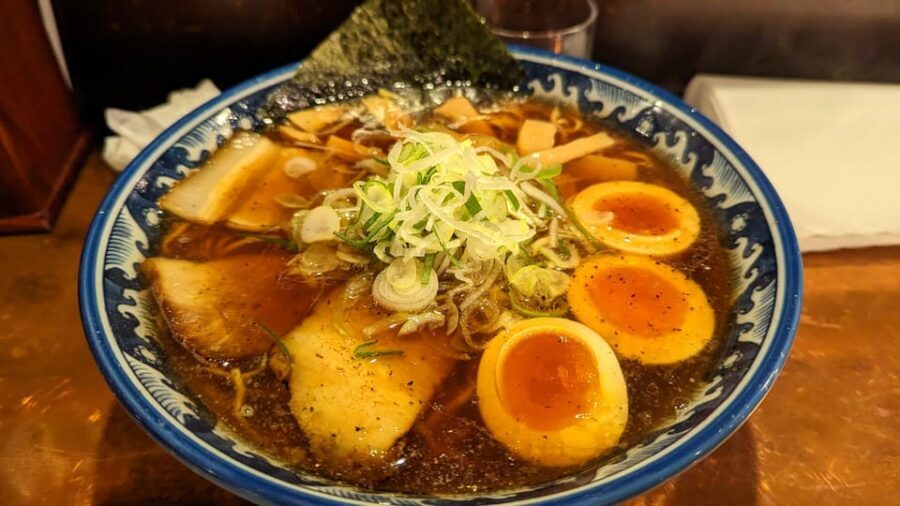
Around 11:45 AM, you’ll take a break for lunch at a popular local restaurant. Lunch is included, and you’ll have about an hour total for break/lunch/free time after that main meal slot.
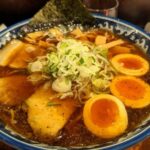
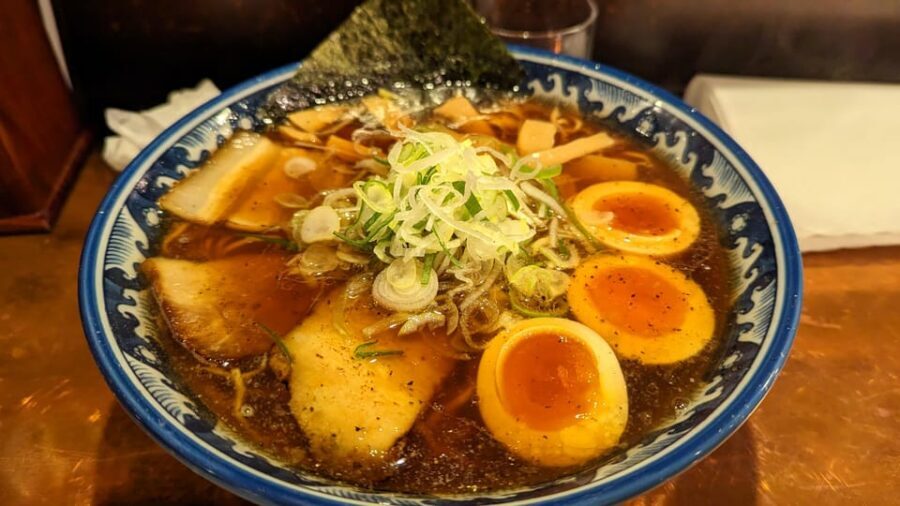
The ramen you’re aiming for is Takayama ramen. Expect thin, curly noodles in a soy sauce-based broth, typically flavored with chicken or pork. It’s usually topped with chashu pork, green onions, and bamboo shoots, so the bowl has that classic mix of savory depth and fresh bite.
I like that the lunch stop is a reset point. After market and Old Town snacking, you get a proper sit-down meal. And because it’s local ramen, it’s not a safe tourist substitute—you’re eating what people actually look for when they’re in Takayama.
If you want to go off menu during your free time window, do it thoughtfully. You’re already on a food route, so try to balance taste curiosity with not overeating before dessert and sake.
Takayama Shōwa-kan: stepping through 1926 to 1989
After lunch, the day pivots from food to history with Takayama Shōwa-kan. You’ll spend about 65 minutes there with a guided visit.
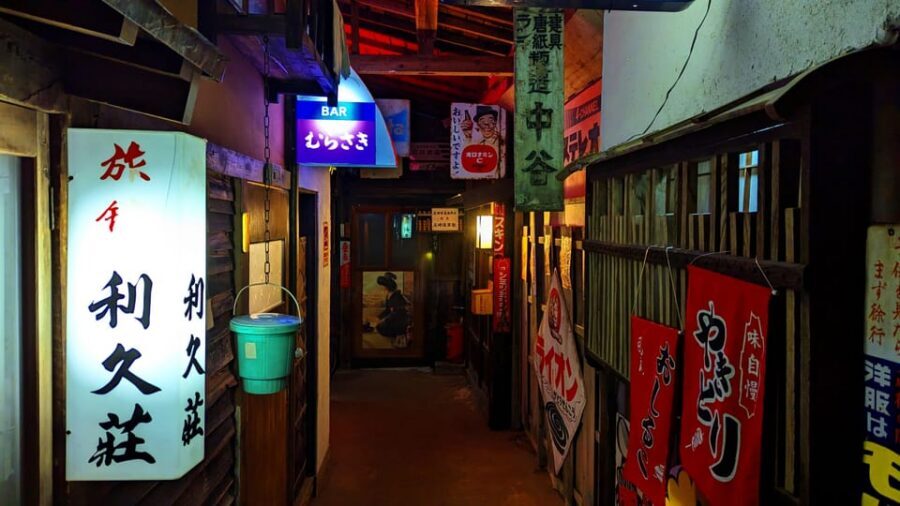
This museum is dedicated to the Showa era, spanning 1926 to 1989. What makes it genuinely useful (instead of just “look at old stuff”) is how the exhibits are organized around everyday life. You can expect displays of household items and school supplies, plus vintage toys and cultural memorabilia.
Even better, you’ll see meticulously recreated scenes—like old living rooms, kitchens, and shops. That matters because the Showa era can feel abstract if you only hear about it in headlines or textbooks. Seeing household layout, objects, and shop-style staging helps your brain place the era into something tangible.
If you’re someone who enjoys small details—post-war household life, school gear vibes, or how daily routines used to be—you’ll likely enjoy this museum visit a lot. If you hate museums with long explanations, the guided format can keep it moving at a comfortable pace.
If you're still narrowing it down, here are other tours in Takayama we've reviewed
Purin dessert and the sweet finish you’ll be ready for
Right after the museum, you’ll have a dessert stop for about 15 minutes. The featured treat is Japanese purin, a creamy custard similar to flan, topped with caramel sauce.
This store is known for creative variations—so you’re not just getting one predictable flavor. The point of this stop in the itinerary is smart: it happens after you’ve walked, eaten multiple savory bites, and sat through a museum, so dessert feels like a reward instead of an extra chore.
I also think purin is a great “Japanese nostalgia” sweet to pair with the Showa theme. It’s comforting, familiar in texture, and gives you a taste of Japan’s everyday sweets culture.
Sake tasting around 2:10 PM: brewing methods, then drinking
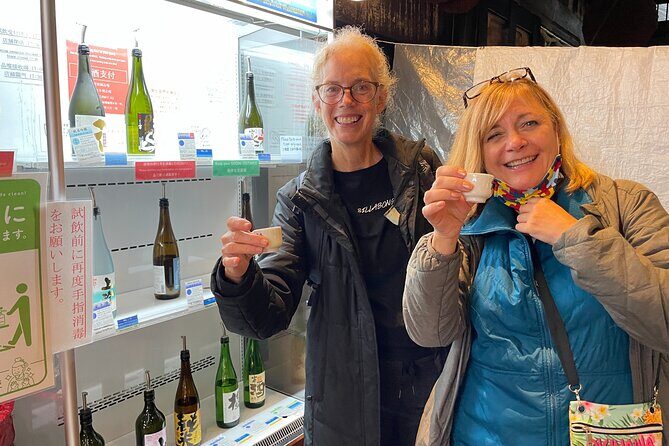
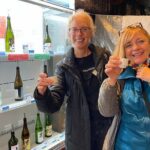
The final major experience is sake tasting at about 2:10 PM, at a local bar. Expect around 30 minutes for the guided session.
You’ll learn about traditional brewing methods and then taste the distinct flavors of Takayama’s sake. Even if you’re not a big alcohol person, the guided explanation helps you notice what you’re drinking instead of treating it like a blind lineup.
Your guide also covers the significance of sake in Japanese culture, which gives the tasting more meaning than just sampling flavors. For me, this is where the tour finishes with a “take-home understanding” moment: Japan’s food culture connects to traditions, rituals, and local production.
After the tasting, you can keep exploring on your own, or you can join the guide back to Takayama Station. Either way, you’ll get what you need to move through the rest of your stay.
Price and value: does $150 make sense?
At $150 per person for a one-day tour, the value comes from how many “paid parts” you get bundled with a guide. You’re not only walking around; you’re also covering:
- Lunch (included)
- Specific street food tastings (included)
- Entrance to Takayama Shōwa-kan (included)
- A guided sake tasting session
On top of that, you’re in a small group of up to 10, and the day is timed around food moments and museum entry. That timing reduces wasted time, which is often what costs you money on tours that feel too loose.
Could you do this cheaper on your own? Probably, especially if you’re comfortable navigating markets and arranging your own tastings. But the guide matters here: they translate, suggest what to try, keep the pace sensible, and connect the Showa era to what you’re eating and seeing.
The “worth it” checklist for me is simple: you should book if you want both food and context, and you want a smooth plan from morning market to sake bar without logistics headaches.
Who this tour suits best (and who should pass)
This tour fits best if you:
- Like food tours that include actual local specialties, not just snacks that could be found anywhere
- Want an English guide who can explain what you’re tasting
- Enjoy short museum visits with guided context
- Prefer small-group pacing and a clear day plan
You might want to skip or reconsider if you:
- Hate walking or get tired fast (the day is mostly on foot through Old Town areas)
- Want totally flexible browsing time, because the itinerary is scheduled around key tasting moments
- Plan to eat a lot of extra street food beyond the included set, since not all items are covered
Also, if you’re visiting Takayama and hoping to spend most of your day photographing architecture only, this tour still helps, but it’s built around eating and cultural stops, not pure roaming.
Should you book this Takayama food and Showa tour?
If you want a day where you can eat your way through Takayama and then understand the nostalgia side of Japan through the Showa era, this is a strong choice. The best part is the balance: market-to-streets food, a proper lunch, a museum that explains what you’re looking at, then dessert and sake to close the loop.
Book it if you enjoy structured sampling and you’d rather spend your energy discovering rather than figuring out. Skip it if you want maximum independence or if you’re only chasing one type of experience—food only, or history only.
If you go, do one thing well: pace yourself. Start with market bites, let Old Town street foods do their magic, and save room for purin and sake. Your future self will thank you.
FAQ
Where is the meeting point for the tour?
Meet outside the ticket gates at JR Takayama Station. After you leave the gates, look left for a walkway and an ornate wagon carving. Your guide will have a SNOW MONKEY RESORTS tour tag.
What time does the tour start?
The tour starts at 10:00 AM.
How big is the group?
The tour is limited to a small group of up to 10 participants.
Is the tour guided, and is it in English?
Yes. The tour includes a live English-speaking guide.
What food is included during the Old Town part?
In Old Town, you’ll try included street foods such as Hida beef stick, bun, sushi, and gohei mochi.
What is included for lunch?
Lunch is included, featuring Takayama ramen with thin, curly noodles in a soy sauce-based broth and typical toppings like chashu pork, green onions, and bamboo shoots.
Do I get to visit the Showa-era museum?
Yes. Entrance to the Takayama Shōwa-kan museum is included, and the visit is guided.
What dessert is included?
You’ll enjoy purin (Japanese custard similar to flan) with caramel sauce at a dessert stop.
Is there a sake tasting at the end?
Yes. Around 2:10 PM, you’ll have a guided sake tasting session at a local bar.