Old-town Takayama comes fast on foot. This short guided walk strings together the places that explain Takayama’s history and culture, then hands you off at Hida Folk Village so you can keep the story going. I especially like the English guide for making sense of what you’re seeing, and I like the quick hits like Nakabashi Bridge and Sanmachi Suji that are perfect for photos and context.
The trade-off is time. In just 1 to 2 hours, some stops can be skipped, and the Hida Folk Village portion is brief and the entrance fee isn’t included, so you’ll want to budget extra and plan to explore more on your own after the tour ends.
In This Review
- Key highlights to know before you go
- Where the walk really starts: Kamisannomachi to get your bearings
- Nakabashi Bridge and Takayama Jinya: the rare stuff, without the long detour
- Yamazakura Shrine and Hida Kokubun-ji: the spiritual stops that feel specific
- Sanmachi Suji and the handoff to Hida Folk Village (Hida no Sato)
- Timing, possible skips, and how to make 1–2 hours feel like more
- Price, group size, and whether it’s good value
- Who this tour is best for (and who might skip it)
- Should you book this Takayama walk + Hida no Sato connection?
- FAQ
- What’s included in the tour price?
- Is the entrance fee to Hida Folk Village included?
- How long does the tour take?
- Can I still take the tour if it’s raining?
- Where do I meet the guide?
- Where does the tour end?
- Are there private tours or other languages available?
Key highlights to know before you go
- English-speaking guide that helps you connect the landmarks to local culture
- Nakabashi Bridge for a classic, easy photo stop on the river
- Takayama Jinya: an old-style government office with rare historical significance
- Shrine + temple stops with specific local details like crafts and a famous ginkgo tree
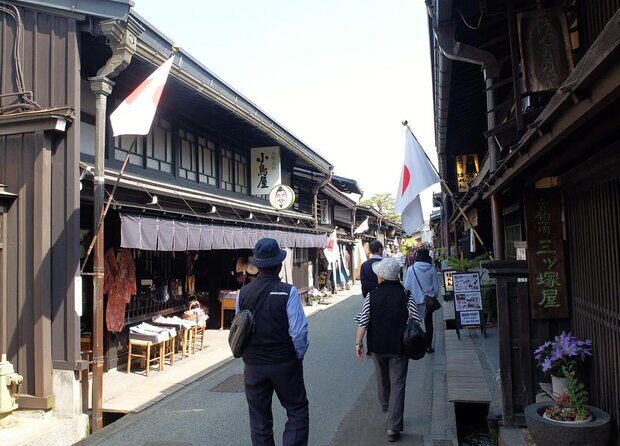
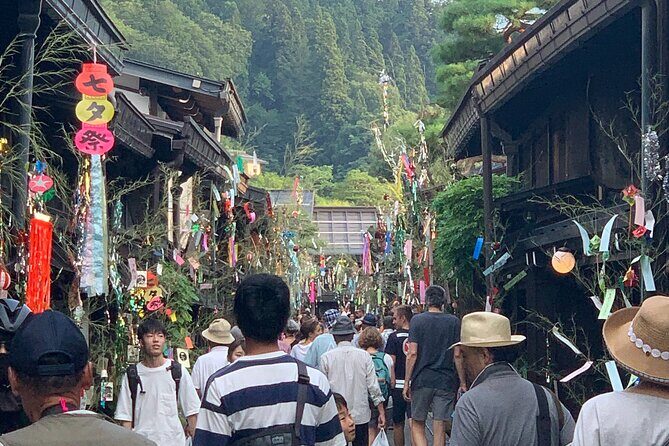
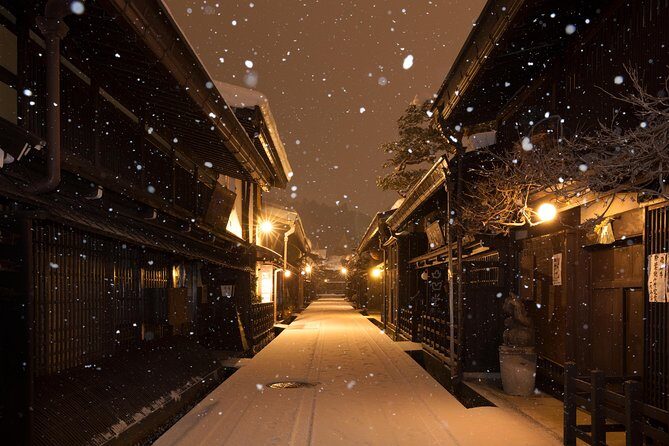
- Sanmachi Suji for preserved old-town street atmosphere
- Drop-off at Hida no Sato (ticket not included, short guided orientation)
Where the walk really starts: Kamisannomachi to get your bearings
This tour is built for orientation. You begin at 22-2 Kamininomachi, Takayama—right in the old-town area—so you’re not spending time commuting across town before the sightseeing begins. From the start, the guide sets the scene: what this district looked like historically, and how Takayama’s past connects to the crafts and community life you’ll keep seeing as you walk.
The route is also very doable for a short format. You’ll move between a mix of streets and landmark points rather than doing a marathon. That matters because the tour is designed to run about 1 to 2 hours, and the pace is set to fit that window. If you’re the type who likes to understand what you’re looking at (even for a few minutes at a time), the guide’s explanations help you avoid the feeling of standing in front of a pretty building with no idea why it’s important.
One practical thing I appreciate: several of the stops are free to view, so you’re not juggling ticket lines during the walk. That keeps the experience smooth—especially if you’re also trying to arrive at Hida Folk Village at a good time.
Tip: wear comfortable shoes. The walking is short, but it’s still old-town strolling on footpaths and streets, and your legs will notice if you show up in fashion sneakers.
Other Takayama walking tours and old-town experiences
Nakabashi Bridge and Takayama Jinya: the rare stuff, without the long detour
After getting oriented in Kamisannomachi, the tour quickly transitions to a photo moment: Nakabashi Bridge. This is one of those classic Takayama visuals—simple, scenic, and fast. Even if you’re not a “pause for every picture” person, this stop earns its place because it gives you a recognizable anchor for the rest of the day.
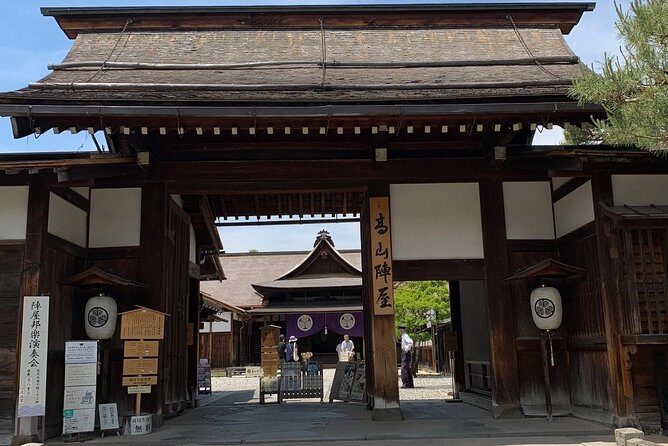
Then comes the big wow factor: Takayama Jinya. The tour highlights it as the only place in Japan with this kind of old government office. That single detail is exactly why a guide helps here. Without context, you might read it as another historic building. With context, you start seeing it as an administrative hub—part of how the region was managed and organized long ago.
Important nuance: you can see the building, and the tour keeps it efficient. If you want to go inside, that may be possible, but it’s not included in this tour. So treat the stop as “see the Jinya from the outside with explanation,” not as a full interior museum visit.
If you’re trying to choose between DIY and a guided walk, this is where I’d lean toward guided. The bridge is easy to appreciate on your own. Jinya is harder to appreciate fully without someone pointing out what makes it unusual.
Yamazakura Shrine and Hida Kokubun-ji: the spiritual stops that feel specific
This route doesn’t only do streets and buildings—it slows down at two cultural sites with details you can’t easily guess from signage alone.
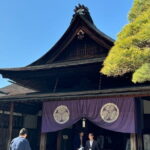
First: Yamazakura Shrine. You’re told about the tools and items connected to local takumi, the traditional technical makers from the Hida Takayama area. That’s a smart pairing with Takayama’s reputation for craftsmanship. Instead of treating religion as a generic background topic, this stop gives you a more grounded link between belief, community, and the people who made things for daily life. The tour also mentions that you can experience Japanese religions here, which is the main reason this stop isn’t just a quick glance.
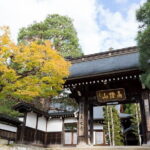
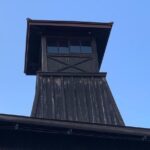
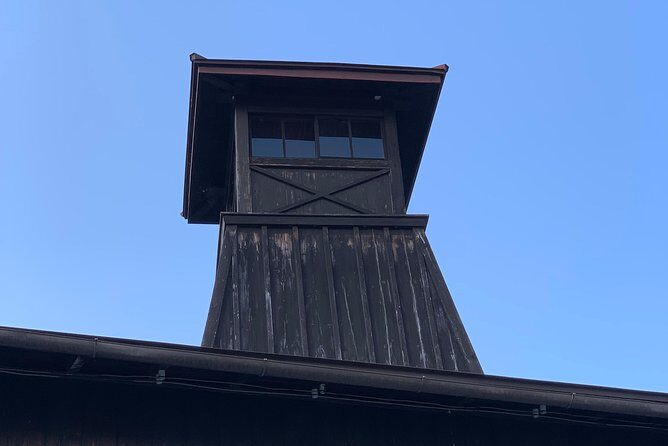
Next up: Hida Kokubun-ji Temple. This is one of the longer stops at about 15 minutes, and it has two standout features. You’ll see a big ginkgo tree with plenty of stories attached to it, and you’ll also spot the triple tower at the temple. A ginkgo tree with stories can sound like a throwaway line, but the presence of narrative is what makes it memorable. It’s the kind of place where a guide’s short explanation turns a tree into a landmark.
The practical drawback to keep in mind: these stops are short. You’re not getting a long, slow temple experience. You’re getting just enough time to notice the major features and understand what’s meaningful about them, before moving on. That can be perfect for most people, especially if you’re combining this walk with Hida Folk Village right after.
If you want quiet time, plan to return later on your own—or spend extra time around the ginkgo and tower once you’ve finished the guided points.
Sanmachi Suji and the handoff to Hida Folk Village (Hida no Sato)
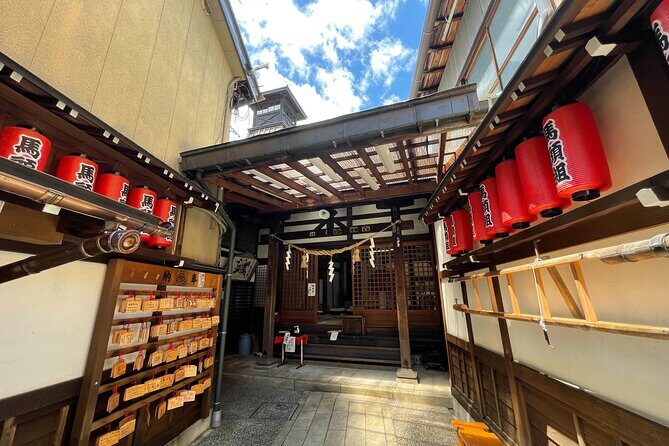
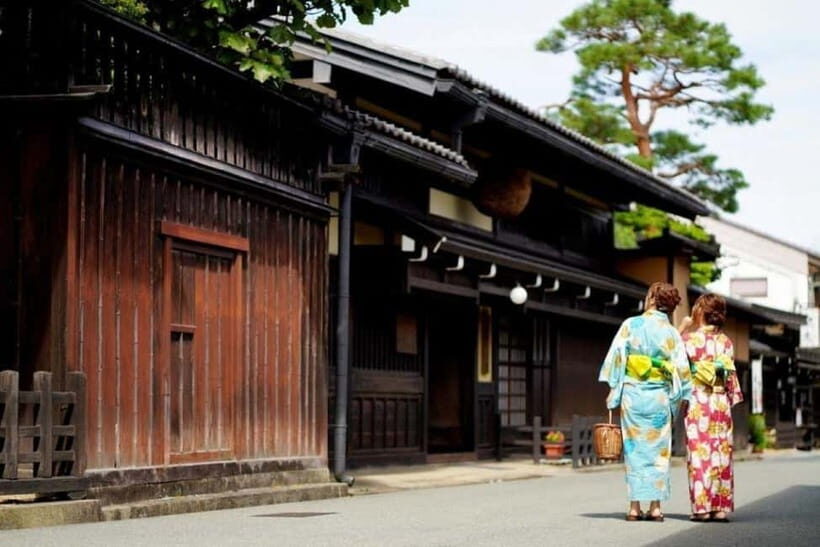
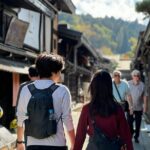
Now you’re back in old-town mode with Sanmachi Suji. This is one of those preserved-street areas that instantly makes you understand why Takayama draws repeat visitors. The tour treats it as a 10-minute stop, which is about right for atmosphere. You’ll walk, look, and notice the feel of older street lines and town layout without getting stuck in one exact spot too long.
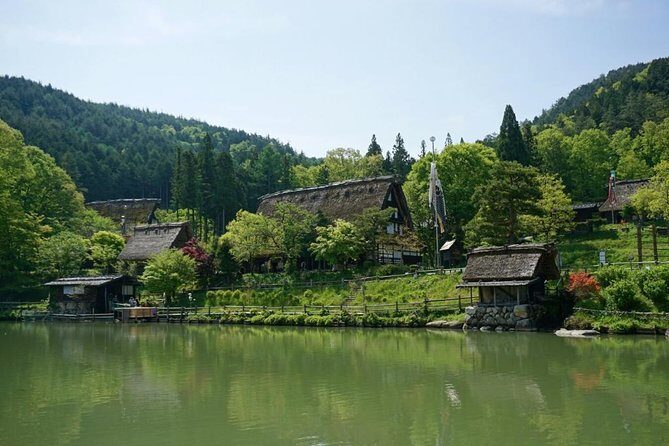
Then the tour ends at Hida no Sato Open Air Museum, but with an important reality check: the guided time at the folk village is brief (about 5 minutes), and the entrance fee is not included. So think of it as a guided transition, not a full museum tour.
Why do it this way? Because Hida no Sato is the kind of place where you can easily lose your day if you wander without a plan. Also, many buildings can start to look similar if you go in cold. The guide’s value is helping you get your bearings efficiently—so you know what you’re aiming for once the tour lets you go.
The end point is clearly set at 1-chōme-590 Kamiokamotomachi, Takayama. That’s convenient because you can step out of the guided walk and keep moving right into the open-air experience, instead of figuring out transportation at the last second.
My advice: go in with energy for an unhurried self-paced visit. The guided portion is basically the warm-up. Plan to spend your real time at the museum after the drop-off.
Timing, possible skips, and how to make 1–2 hours feel like more

This is not a half-day tour. It’s a tight 1 to 2 hours. The itinerary is designed as a sequence of quick, meaningful stops—many around 5 to 15 minutes each—so you can see a lot without dragging it out.
Here’s what that means for you:
- If you’re late, or if the group moves slower than expected, some stops may be skipped.
- The folk village time is short, so you’ll want to treat it as a starting point rather than the main event.
- You’ll get the biggest “takeaway” moments from landmarks like Takayama Jinya and the temple highlights, because those stops carry more specific explanations.
Weather is also part of the timing equation. The tour notes that it’s possible to do even if it’s raining, which is useful in Japan’s changeable conditions. Still, rain can slow walking and reduce visibility for photos. If skies look uncertain, pack a small umbrella and be ready for a damp, slightly slower pace.
If you’re pairing this with other Takayama sightseeing, I’d schedule it earlier in your day. That way, if you end up spending extra time at Hida no Sato, you’re less likely to feel rushed by your next reservation.
The best mindset: use the guided walk to learn the “why,” then let Hida no Sato give you the “what it looks like.” That’s how the short duration works in your favor.
If you're still narrowing it down, here are other tours in Takayama we've reviewed

Price, group size, and whether it’s good value
At $65.37 per person, this tour is priced as a focused guided experience rather than a long sightseeing day. For that price, you’re getting an English guide, a structured walk through multiple historic points, and a handoff to Hida Folk Village where the self-paced exploring begins.
The group size cap helps the experience feel more personal. It says there’s a maximum of 15 travelers, which typically means you can hear the guide and still move as a group without getting swallowed by a crowd.
What’s not included matters for value math: the entrance fee for Hida Folk Village is separate. So your total day cost will be guide + sightseeing walk + the folk village ticket. If you’re already planning to visit Hida no Sato anyway, the guided walk becomes a way to understand the culture behind what you’ll see—without paying for a full private museum-style guide.
Also, this tour is often booked ahead. The average booking window is 79 days in advance, which suggests you should secure your date early if you’re traveling in a popular period.
Quick budgeting tip: when you plan your day, include a bit of extra cash or card space for the museum entrance. It’s easy to forget, because the tour itself has the guided context and the free viewpoints, but the folk village admission is a separate line item.
Who this tour is best for (and who might skip it)
This tour fits best if you want:
- A guided introduction to Takayama’s old-town landmarks without studying history for months first
- An English-speaking explanation at key stops like Takayama Jinya and the temple/shrine locations
- A simple plan that moves you efficiently toward Hida no Sato
It’s also a good option if you’re traveling with mixed interests—people who love photos will enjoy Nakabashi Bridge and old streets, while people who prefer meaning will appreciate the craft connection at Yamazakura Shrine and the ginkgo tree and triple tower at Hida Kokubun-ji.
If you’re the type who hates structured time, there’s a catch. A few stops are easy enough to recognize on your own, so some parts may feel faster than you want—especially since the folk village guided time is short. In that case, you might still enjoy the tour for the context, but go in knowing you’ll do most of your personal exploring inside Hida no Sato after you’re dropped off.
If you want a private setting, the tour notes that private tours are available for groups of at least 2 people, and you can request other language guides by letting them know.
Should you book this Takayama walk + Hida no Sato connection?
Book it if you want a short, guided “story version” of Takayama. The main value is getting context quickly—especially around Takayama Jinya, plus the shrine and temple stops that include specific local details you’re unlikely to pick up on your own in a short visit.
Skip or modify your plan if your dream day is purely slow strolling in Hida no Sato with no structured points. Since the folk village portion is brief and the entrance fee is separate, you’ll still want to budget real time there outside the tour window.
If you’re visiting Takayama and planning to go to Hida no Sato anyway, this is a smart way to make the morning or early afternoon feel purposeful: walk the old town with an English guide, then spend your actual museum time exploring freely.
FAQ
What’s included in the tour price?
The tour includes an English-speaking guide for the walking portion through the Takayama old-town stops.
Is the entrance fee to Hida Folk Village included?
No. The Hida no Sato open-air museum entrance fee is not included.
How long does the tour take?
Expect about 1 to 2 hours. Some places may be skipped if there isn’t enough time.
Can I still take the tour if it’s raining?
Yes, it’s possible to do the tour even if it’s raining.
Where do I meet the guide?
The meeting point is at 22-2 Kamininomachi, Takayama, Gifu 506-0845, Japan.
Where does the tour end?
It ends at Hida no Sato Open Air Museum, 1-chōme-590 Kamiokamotomachi, Takayama, Gifu 506-0055, Japan.
Are there private tours or other languages available?
Private tours are available if you request them, for groups not less than 2 people. Other language guides can also be requested.